How to Light a Room With No Overhead Lighting

Learning how to light a room with no overhead lighting can feel tricky at first, yet it often leads to warmer, more flexible spaces. Without a ceiling fixture calling the shots, light becomes something you design intentionally, layer by layer. Floor lamps, table lamps, and wall-mounted options step in to create atmosphere instead of glare. Done right, the room feels inviting, functional, and far more personal.
The key factor behind success is layered lighting, which blends ambient, task, and accent light into one smooth experience. Ambient light sets the overall mood, usually through floor lamps with soft shades or bounced light from walls. Task lighting focuses on what your hands and eyes are doing, whether that’s reading, working, or cooking. Accent lighting adds depth, guiding the eye and preventing the room from looking flat or dull.
Placement matters more than the fixtures themselves, and that’s where many people stumble. Lamps pushed into random corners often leave shadows where you least expect them. Spreading light sources at different heights helps the room feel balanced and intentional. Even small adjustments, like angling a lamp toward a wall, can completely change how the space feels.
Another important point is bulb choice, which quietly controls comfort and mood. Warm white bulbs tend to soften a room and make it feel lived-in, while cooler tones sharpen focus for work areas. Mixing brightness levels allows you to adapt the room throughout the day without touching a switch overhead. That flexibility is one of the hidden perks of skipping ceiling lights altogether.
Rooms without overhead lighting also benefit from thinking beyond lamps alone. Wall sconces, plug-in pendants, and even LED strips tucked behind furniture can fill in dark zones. These options create visual interest while keeping the floor clear and the ceiling uncluttered. Over time, the room starts to feel curated rather than compromised.
Most importantly, this approach encourages intention instead of habit. Rather than flipping one switch and accepting harsh light, you shape the environment around how you actually live. The result is a space that adapts to evenings, mornings, quiet moments, and busy hours alike. That’s the real payoff of understanding how to light a room with no overhead lighting.

- LFR Score9.4
LFR Score is a ranking system developed by lightfansreviews.com. LFR Score has no relationship or impact from any manufacturers or sales agent websites. Learn more
- BrandSeaside village

- LFR Score9.0
LFR Score is a ranking system developed by lightfansreviews.com. LFR Score has no relationship or impact from any manufacturers or sales agent websites. Learn more
- BrandKINDEEP

- LFR Score9.0
LFR Score is a ranking system developed by lightfansreviews.com. LFR Score has no relationship or impact from any manufacturers or sales agent websites. Learn more
- BrandMCGOR
- LFR Score8.8
LFR Score is a ranking system developed by lightfansreviews.com. LFR Score has no relationship or impact from any manufacturers or sales agent websites. Learn more
- BrandGOEBLESON

- LFR Score8.8
LFR Score is a ranking system developed by lightfansreviews.com. LFR Score has no relationship or impact from any manufacturers or sales agent websites. Learn more
- BrandKoopala

- LFR Score8.6
LFR Score is a ranking system developed by lightfansreviews.com. LFR Score has no relationship or impact from any manufacturers or sales agent websites. Learn more
- Brandwowatt

- LFR Score8.6
LFR Score is a ranking system developed by lightfansreviews.com. LFR Score has no relationship or impact from any manufacturers or sales agent websites. Learn more
- Brandhaultop

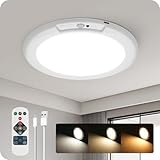
Homelist Newly Upgraded Rechargeable Ceiling Light – 8000mAh Battery-Operated Wireless
View on Amazon- LFR Score8.6
LFR Score is a ranking system developed by lightfansreviews.com. LFR Score has no relationship or impact from any manufacturers or sales agent websites. Learn more
- BrandHomelist

- LFR Score7.6
LFR Score is a ranking system developed by lightfansreviews.com. LFR Score has no relationship or impact from any manufacturers or sales agent websites. Learn more
- BrandEnergizer
Last update on 2026-03-13 / Affiliate links / Images, Product Titles, and Product Highlights from Amazon Product Advertising API
Rethinking Light When the Ceiling Is Silent
A room without a ceiling fixture often feels unfinished, but that feeling usually comes from habit, not reality. Once you shift your mindset, how to light a room with no overhead lighting becomes less about fixing a problem and more about designing comfort. Ceiling lights tend to flatten a space, washing everything evenly and leaving little room for mood. Without them, you gain the freedom to shape light where it actually matters.
The biggest pain point people face is uneven brightness, where one corner glows while another sinks into shadow. This happens when light sources are added randomly instead of intentionally. The key factor is distribution, not sheer brightness, because multiple softer sources work better than one harsh beam. Light should travel across the room, not drop straight down.
Another overlooked benefit is visual comfort. Overhead lights can cause glare on screens, shiny tables, and even walls, making the room tiring to stay in. By relying on side lighting and reflected light, your eyes relax almost instantly. That sense of ease is one reason designers often avoid ceiling fixtures in cozy living spaces.
Rooms without overhead lighting also encourage slower living. Instead of flipping a switch and flooding the space, you interact with light more thoughtfully. Lamps get turned on as needed, creating zones for reading, talking, or unwinding. That layered approach is the foundation of mastering how to light a room with no overhead lighting.
Layered Lighting as the Core Strategy
If there’s one principle that solves most lighting frustrations, it’s layered lighting. This approach blends ambient, task, and accent light into a single, flexible system. Ambient lighting sets the overall tone, task lighting supports specific activities, and accent lighting adds depth. Together, they replace what a ceiling light tries, and often fails, to do alone.
Ambient light doesn’t need to be bright to be effective. Floor lamps with fabric shades or uplighting bounced off walls create a gentle glow that fills the room. This soft background light reduces harsh contrasts and makes everything feel connected. It’s the backbone of any room without an overhead fixture.
Task lighting is where function steps in without stealing the spotlight. Table lamps near seating, desks, or beds ensure you can read, work, or relax without straining your eyes. The important point here is direction, as task light should aim where you need it, not spill everywhere. A well-placed task lamp can do the work of several ceiling bulbs.
Accent lighting is the quiet hero that keeps the room from feeling flat. Wall sconces, picture lights, or even decorative fixtures add rhythm and visual interest. They guide the eye and create balance, especially in larger rooms. When people say a space feels “finished,” accent lighting is often the reason.
Floor Lamps That Carry the Room
Floor lamps are often the first solution people reach for, and for good reason. They provide height, presence, and strong ambient light without needing installation. In the context of how to light a room with no overhead lighting, they act as stand-ins for ceiling fixtures. A single well-chosen floor lamp can anchor an entire seating area.
Arc lamps work particularly well in open spaces where light needs to reach inward. Their extended arms allow light to hover over sofas or tables, mimicking overhead coverage without glare. Torchiere lamps, which direct light upward, bounce illumination off the ceiling for a soft, diffused effect. This indirect light feels natural and calming.
Placement is where many people slip up. Pushing a floor lamp into a corner might save space, but it often wastes light. Positioning it near seating or along walking paths spreads brightness more evenly. The goal is to let light flow, not pool.
Bulb choice matters just as much as the lamp itself. Warm white bulbs around 2700K tend to create a cozy atmosphere, while brighter bulbs can overwhelm without a ceiling to diffuse them. Dimmable options add flexibility, letting you adjust the mood as the day shifts. With the right setup, a floor lamp becomes more than backup lighting.
Table Lamps and the Power of Eye-Level Light
Table lamps shine, quite literally, because they operate at eye level. This height creates intimacy and comfort that overhead lights struggle to achieve. When learning how to light a room with no overhead lighting, table lamps often do the emotional heavy lifting. They make a space feel lived-in rather than staged.
Using multiple table lamps instead of one bright source spreads light naturally. Placing them on side tables, consoles, or shelves creates balance across the room. This approach prevents dark corners while avoiding the sterile feel of uniform brightness. The room starts to glow instead of glare.
Shade shape and material influence how light behaves. Fabric shades soften light and reduce harsh shadows, while glass or metal shades create more defined beams. Choosing the right shade depends on whether the lamp is for ambiance or function. This small detail has an outsized impact on comfort.
Table lamps also offer flexibility that fixed fixtures can’t match. They can be moved, swapped, or replaced as the room evolves. This adaptability makes them ideal for renters or anyone who enjoys refreshing their space. Over time, these lamps become part of the room’s personality.
Walls as Reflectors and Light Sources
Walls aren’t just boundaries; they’re tools. Bouncing light off walls spreads illumination gently and reduces harsh contrasts. In rooms without ceiling fixtures, this technique becomes essential. It’s one of the most effective ways to master how to light a room with no overhead lighting.
Wall sconces add both function and style without taking up floor space. Plug-in options make installation simple, even in older homes or rentals. Mounted at eye level or slightly above, they cast flattering light that fills gaps left by lamps. This keeps the room cohesive and comfortable.
Reflective surfaces amplify available light. Light-colored walls, mirrors, and even framed art can help distribute brightness. A strategically placed mirror can double the effect of a lamp without adding another fixture. This trick is especially useful in smaller rooms.
Decorative lighting also plays a role here. For example, specialty lighting like a black light posters setup can add personality while contributing subtle illumination. Though not meant for full-room lighting, these accents prevent spaces from feeling dull or unfinished. The result is layered light with character.
Bulbs, Brightness, and Color Temperature Choices
Bulbs quietly control how a room feels, even more than the fixtures themselves. Choosing the wrong brightness can make a lamp-heavy room feel cluttered or dim. The key factor is balance, not maximum lumens. Multiple moderate bulbs often outperform one extremely bright option.
Color temperature affects mood and perception. Warm tones feel relaxing and welcoming, while cooler tones sharpen focus and clarity. Mixing temperatures within reason can support different activities in the same space. This flexibility is a hidden advantage of avoiding ceiling lights.
LED bulbs have made this process easier with dimmable and tunable options. Being able to adjust brightness without changing fixtures saves time and frustration. It also allows the room to transition smoothly from day to night. Small changes in light can dramatically shift atmosphere.
Specialized bulbs can serve niche purposes without overpowering the room. For example, gemstone displays or collections might benefit from a uv light gemstones setup, adding interest without flooding the space. These targeted choices support function while preserving comfort. Thoughtful bulb selection ties everything together.
Functional Zones Instead of One Bright Room
Without overhead lighting, rooms naturally break into zones. This zoning solves a common frustration: needing different light levels for different tasks. Instead of one switch controlling everything, light becomes tailored. This is a core benefit of how to light a room with no overhead lighting.
Seating areas benefit from softer, layered light that encourages conversation and relaxation. Reading nooks need focused task lighting to reduce eye strain. Workspaces demand brighter, cooler light for clarity. Each zone gets what it needs without affecting the rest of the room.
This approach also saves energy. Lights turn on only where they’re needed, not everywhere at once. Over time, this reduces wasted electricity and bulb replacements. It’s a practical bonus that aligns with comfort.
Industrial-style fixtures can support specific zones without overwhelming the room. A focused task area might benefit from a industrial light bulb designed for clarity and durability. Used selectively, these bulbs add function while maintaining balance. Zones keep the room organized without feeling segmented.
Emotional Comfort and Long-Term Living Benefits
Lighting influences mood more than most people realize. Rooms lit without overhead fixtures often feel calmer and more personal. The absence of harsh top-down light reduces stress and visual fatigue. This emotional comfort is a major reason people stick with this approach.
Over time, living with layered light changes habits. People move through spaces more slowly and intentionally. The room becomes a place to settle in, not just pass through. That shift has real impact on daily well-being.
There’s also a sense of ownership in designing your own light. Instead of accepting what the ceiling offers, you create something tailored. This customization makes the space feel truly yours. It’s less about rules and more about response.
Ultimately, learning how to light a room with no overhead lighting reshapes how a space supports life. Comfort improves, flexibility increases, and the room adapts instead of dictating behavior. Light becomes a partner rather than a nuisance. That quiet transformation is what keeps people from going back.
Smart Alternatives That Replace Ceiling Fixtures
When ceilings stay bare, alternative fixtures step up in clever ways. Plug-in pendants, wall-mounted lights, and adjustable sconces create overhead-like coverage without permanent installation. This approach solves a common frustration for renters or older homes with limited wiring. It proves that how to light a room with no overhead lighting doesn’t require invasive changes.
Plug-in pendants are especially useful above dining tables or seating areas. Hung from ceiling hooks and powered by wall outlets, they deliver focused light exactly where it’s needed. The key benefit is control, since height and placement can be adjusted over time. This flexibility keeps the room adaptable instead of locked into one layout.
Wall-mounted fixtures work well in rooms where floor space is limited. By lifting light off the ground, they reduce clutter and improve visual flow. Installed at the right height, they cast even illumination without glare. That balance is essential for long-term comfort.
Adjustable arms and swivel heads add another layer of practicality. Light can be redirected as furniture moves or routines change. This responsiveness keeps the room functional without reworking the entire setup. Smart alternatives quietly outperform traditional ceiling lights.
Ceiling Height and Visual Balance Considerations
Ceiling height plays a subtle but important role in lighting decisions. Lower ceilings can feel oppressive under bright overhead fixtures, while lamp-based lighting keeps the space open. In rooms with modest height, side lighting prevents the ceiling from becoming a visual focal point. This is a hidden advantage of skipping ceiling lights entirely.
For rooms with standard ceiling heights, visual balance becomes the priority. Light sources should be distributed vertically to avoid a top-heavy or bottom-heavy feel. Floor lamps, table lamps, and wall lights together create a layered silhouette. The room feels taller and more proportionate as a result.
Ceiling fans can complicate lighting choices when overhead fixtures are absent. Some fans include integrated lights that may not suit every space. Exploring options like ceiling fans 8 foot helps align airflow needs with lighting preferences. The right fan-light balance prevents visual clutter.
Ultimately, ceiling height influences how light travels and settles. Paying attention to proportions avoids awkward shadows and uneven brightness. This awareness supports a more polished result. It’s a small detail with a big payoff.
Lighting for Different Rooms and Daily Routines
Each room has its own rhythm, and lighting should follow suit. Living rooms benefit from warm, layered light that encourages relaxation and conversation. Bedrooms thrive on soft ambient light paired with focused task lamps. Kitchens and work areas require clarity without harshness.
In living spaces, multiple low-intensity sources create comfort without overwhelming the senses. Lamps placed near seating areas invite people to linger. Accent lights add personality without stealing focus. This setup supports evenings that feel calm rather than clinical.
Bedrooms often suffer most from poor lighting decisions. A single bright source can disrupt rest and create unnecessary glare. Using bedside lamps and wall-mounted lights keeps illumination personal and adjustable. This supports better sleep and easier winding down.
Daily routines also matter more than fixtures themselves. Morning light should feel gentle yet energizing, while evening light should soften and slow things down. Without overhead lighting, these transitions become easier to manage. Light adapts to life instead of dictating it.
Common Mistakes That Undermine Comfort
One of the biggest mistakes is relying on a single lamp to light the entire room. This creates uneven brightness and leaves corners in shadow. The fix lies in distribution, not intensity. Multiple sources working together always outperform one powerful fixture.
Another issue is ignoring glare and reflection. Exposed bulbs or shiny shades can cause discomfort, especially at eye level. Choosing diffused shades and indirect light reduces strain. Comfort should never be sacrificed for style.
Overlooking bulb consistency also creates problems. Mixing wildly different color temperatures can make a room feel disjointed. While some variation is helpful, extremes clash visually. A cohesive palette keeps the space grounded.
Finally, neglecting flexibility limits long-term satisfaction. Fixed solutions rarely adapt well to changing needs. Lamps and adjustable fixtures offer room to evolve. Avoiding these mistakes keeps the room livable over time.
Using History and Trends to Inform Choices
Lighting trends often cycle, but the principles behind them remain steady. Mid-century and Scandinavian interiors favored layered lighting long before it became mainstream. These styles prioritized comfort and human scale over spectacle. Their popularity hints at why overhead lighting isn’t always ideal.
Outdoor and landscape lighting history also offers lessons. Brands rise and fall as technology and preferences shift, as seen in discussions around malibu landscape lighting. The takeaway is adaptability, not attachment to one solution. Good lighting evolves with its environment.
Modern homes increasingly favor customizable systems. Smart bulbs, dimmers, and plug-in solutions reflect this shift. They allow users to fine-tune light without structural changes. This trend aligns perfectly with rooms lacking ceiling fixtures.
By looking at past and present approaches, patterns emerge. Comfort, flexibility, and balance consistently win out. These insights guide smarter decisions without chasing fads. History quietly reinforces what works.
Energy Efficiency and Long-Term Practicality
Energy efficiency becomes more intuitive without overhead lighting. Smaller fixtures consume less power and run only when needed. This targeted use reduces waste and lowers bills over time. Efficiency pairs naturally with comfort in lamp-based setups.
LED technology amplifies these benefits. Long lifespans and low heat output make LEDs ideal for close-range lighting. Dimmable options further reduce consumption while improving mood control. This combination supports sustainable living.
Maintenance also becomes easier. Replacing a lamp bulb is simpler than servicing a ceiling fixture. Fewer hardwired components mean fewer long-term headaches. Practicality quietly improves quality of life.
Over years of use, these small advantages add up. The room stays adaptable, efficient, and comfortable. That balance keeps the space enjoyable without constant adjustment. Practical lighting proves its value daily.
Why This Approach Feels Better Over Time
Living with layered light changes perception. Rooms feel calmer, and transitions between activities become smoother. The absence of harsh overhead glare reduces fatigue. Comfort becomes the default rather than the exception.
People often report spending more time in well-lit, lamp-based spaces. The environment invites presence instead of rushing. This emotional response reinforces the design choice. Light supports behavior rather than interrupting it.
Customization also builds attachment. Adjusting light to mood or season keeps the room feeling fresh. Small changes make a noticeable difference. This ongoing engagement deepens satisfaction.
In the end, how to light a room with no overhead lighting isn’t just a technique. It’s a shift toward intentional living. Light becomes a quiet companion instead of a blunt tool. That subtle change defines the experience.


Best Lighting For Makeup 2026 Bright Ideas For Flawless Looks

Best Wall Sconces For Staircase 2026 Brighten Your Home
Best Lighting For Computer Desk 2026 For Focused Work

Best Boat Black Lights 2026 For Nighttime Adventure

Best Black 30 Inch Light Bar Reviews – Top Picks of 2026

Best Black Light For Aquarium 2026 For Vibrant Glow

Best Black Light for Authenticating Glass 2026 Top Picks
Best Waterproof Spotlight 2026 That Outshines Expectations