How to Light a Bedroom for a Cozy and Balanced Glow

The most comfortable way to light a bedroom is to layer three light sources across the room instead of relying on one harsh ceiling fixture. The exact balance shifts depending on how you use the space after dark. A gentle background glow fills the open floor, focused reading lights sit beside the mattress, and a soft accent lamp softens dreary corners without blinding you before sleep.
Room dimensions, ceiling height, and whether you rent or own will shape your final setup. High ceilings swallow weak bulbs, morning dressing routines need clear reflections by the closet mirror, and apartments demand simple plug-in fixtures rather than cutting open drywall. Here is how to place every lamp and bulb to keep your bedroom calm at night and functional every morning.
Why Does a Single Ceiling Light Ruin Bedroom Comfort?
Most bedrooms rely on a single glass dome mounted in the center of the ceiling. When you flip that wall switch, the bulb blasts light straight downward onto the rug while leaving your dresser, closet, and corners in murky gloom. Worse, when you lie back on your pillows to read or relax, that exposed bulb shines directly into your eyes. It feels more like an interrogation room than a peaceful retreat.
A relaxing bedroom relies on three separate layers of light instead of one heavy-handed overhead source. Dividing your lighting into layers lets you tailor brightness to whatever you are doing at that exact moment. You can turn on practical work light when making the bed or getting dressed, then drop down to a quiet glow when winding down for sleep.
The first layer is ambient light. This is your overall background glow, which fills the room softly so you can walk around safely without stubbing your toe. You usually get ambient light from a central ceiling fixture, a shaded pendant, or daylight bouncing off pale walls.
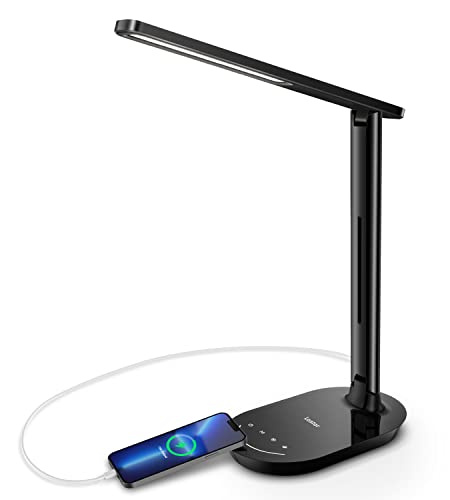
The second layer is task light. This is a focused beam aimed right where you need to see clear details. Bedside reading lamps, vanity mirror lights, and adjustable desk lamps all belong in this category. Task lights keep your eyes from straining because they illuminate the book in your hands or the clothes in your wardrobe without flooding the whole room with glare.
The third layer is accent light. This is gentle, low-level illumination meant to give the room depth, texture, and a cozy mood. Think of a tiny lamp tucked inside a bookcase, a warm glow washing across a textured wall, or subtle lighting along the baseboards. When you turn off the overhead light and leave only task and accent fixtures running, the room instantly shifts from functional to soothing.
What Bulb Warmth and Brightness Should You Choose?
Picking bulbs often feels confusing because hardware store shelves display dozens of numbers and technical terms. You only need to check three details on the packaging: light color warmth (measured in Kelvin), actual brightness output (measured in lumens), and color accuracy.
Watts only measure how much power a bulb draws from the wall, while lumens measure how much actual brightness the bulb produces. For a restful bedroom, you want modest lumen levels per bulb so the room stays soft. You also want a warm color tone that mimics the gentle hue of a setting sun. Cool, bluish bulbs belong in garages or utility rooms because they signal to your brain that it is midday, which keeps you awake.
Keep this checklist in mind whenever you buy bedroom bulbs with a standard screw-in bulb base (an E26 medium base):
- Target 2700K for everyday bedroom relaxation: Look for bulbs labeled 2700K (warm soft white). This yellow-amber glow relaxes your eyes, softens shadows, and sets a restful tone for the evening. Avoid 5000K (crisp daylight) in the bedroom, as that stark white light makes bedrooms feel clinical.
- Choose 400 to 500 lumens for bedside lamps: This brightness level matches an old 40-watt incandescent bulb. It gives you plenty of clear light to read book pages comfortably without bouncing blinding glare off the paper.
- Choose 800 to 1,000 lumens for the main ceiling fixture: If your bedroom has only one overhead socket, this lumen range fills the space with enough ambient light to fold laundry or vacuum without feeling overpowering.
- Look for 90+ CRI for closets and vanities: Color accuracy, often printed as CRI on bulb packaging, measures how true skin tones, makeup, and clothing colors appear. A bulb with a 90+ CRI rating ensures you will not walk out the door wearing one navy sock and one black sock.
- Confirm dry-rated labeling: Bedrooms only require dry-rated fixtures, meaning they are built for standard indoor areas with no steam or moisture exposure.
Where Should You Place Each Light in the Bedroom?
Balancing bedroom lighting comes down to placing light sources at varied heights across the room. If every fixture sits at the ceiling line, the room feels flat. If every lamp sits low on tables, the ceiling feels low and cave-like. Follow these steps to map out your fixture placement:
- Position your overhead ambient light correctly. If your room has an 8-foot ceiling, stick with a flush mount (a fixture mounted flat against the ceiling) featuring a frosted glass or fabric diffuser to soften the glare. If your ceiling is 9 feet or taller, you can choose a semi-flush fixture (hanging down a few inches on a short stem) or a drum pendant. Center the fixture over the walkway or the foot of the bed rather than directly over your pillows, so you never stare right up into it while resting.
- Set bedside reading lights at shoulder height. Sit up straight in bed against your pillows, exactly as you would while reading a novel. Measure from the top of your mattress to your shoulder level. The bottom edge of your bedside lampshade or wall sconce should align roughly with your chin or shoulder (typically 20 to 24 inches above the mattress top). This angle shines light downward across your lap and book while shielding your eyes from the exposed bulb inside the shade.
- Illuminate your dressing and closet zones. Avoid placing a single spotlight right above your head in front of a mirror, because downward lighting casts deep, unflattering shadows under your eyes and nose. Instead, position lights on either side of the mirror or aim a directional track head toward closet shelves. This provides even illumination across your clothes and face.
- Scatter accent lamps across dark corners. Take a look around your bedroom in the evening with only your bedside lamps turned on. Locate any corners that look like dark voids. Place a low-wattage accent lamp on top of a dresser, or tuck a floor lamp with an upward-facing shade beside an accent chair. Bouncing soft light off the far corner wall makes the entire room feel larger and more welcoming.
- Ensure controls are reachable from the bed. You should never have to get out of a warm bed, walk across a dark room, and bump your shins just to hit a wall switch. Place switches, inline cord toggles, or smart remotes right on your nightstand. You can also integrate reliable home automation lights for scheduled routines that gently dim your bedside glow on a predictable timer every night.
How Can Renters Upgrade Bedroom Lighting Without Wiring?
If you rent an apartment, you cannot cut holes in the drywall or swap out a hardwired fixture (a light wired directly into a ceiling or wall electrical box). Luckily, you can completely transform your bedroom lighting using simple plug-in options that leave your deposit safe.
You do not need to settle for an ugly overhead dome just because your landlord installed it. Use these renter-friendly upgrades to build a layered setup using regular wall outlets:
- Hang plug-in wall sconces with cord covers: Many modern wall sconces use a standard plug-in cord instead of hardwired connections. Mount them beside your headboard using two simple drywall anchors, guide the cord down the wall inside a paintable cord cover, and plug them into the nearest wall socket. This frees up precious space on small nightstands while giving you focused reading light.
- Add plug-in dimmer modules to table lamps: Most older table lamps only have a basic on-off switch. You can plug your lamp into a small plug-in dimmer slider that sits neatly on your nightstand. This gives you full control over your lamp brightness without changing any internal parts.
- Use upward-facing torchiere floor lamps: If your rental lacks any overhead ceiling box, put an upward-facing floor lamp in an empty corner. The shade directs light toward the ceiling, where it bounces outward across the whole room to create soft, indirect ambient light.
- Install battery or plug-in under-bed path lights: Getting up for a glass of water in the middle of the night can be jarring if you have to turn on a lamp. Placing low-profile indoor motion sensor lights for low-level pathways beneath your bed frame or along the baseboard casts a faint, downward glow along the floor. It guides your feet safely without disturbing your sleeping partner.
- Try clip-on reading spotlights: If you lack room for nightstands altogether, clamp an adjustable, padded gooseneck lamp directly onto your headboard. Point the head toward your reading material so the beam stays confined to your side of the bed.
Which Common Lighting Mistakes Ruin Bedroom Relaxation?
Many homeowners spend money on new bedroom lamps only to find the room still feels uncomfortable. Usually, the issue is not the amount of light, but how that light interacts with your eyes and surfaces. Comparing common mistakes with better alternatives makes it easy to fix an unbalanced space.
The first major mistake is pointing narrow spotlights directly at the bed. Recessed ceiling spotlights, sometimes called can lights, cast sharp circular beams. If one of those cans sits directly above your mattress, it acts like a flashlight pointed at your face whenever you lie down. A much better alternative is an indirect fixture with a diffuser, or wall-washing lights that bounce illumination off an accent wall behind the bed.
The second mistake is mixing bulb color temperatures in the same space. If your bedside lamp uses a warm 2700K bulb, but your ceiling fixture uses an icy 5000K bulb, your eyes must constantly adjust between warm yellow and harsh blue tones. The room ends up feeling visually messy and chaotic. Keep all the ambient and accent bulbs in your bedroom within a tight range of 2700K to 3000K so the space feels cohesive.
The third mistake is skipping dimmer switches. An on-off wall toggle forces you into an all-or-nothing choice between complete darkness and full daytime glare. Installing an LED-compatible dimmer switch allows you to dial down your ceiling fixture to twenty percent brightness in the hour before bed. If you ever install a dimmer on an existing switch line, be aware that pairing modern LED bulbs with older dimmer switches designed for incandescent bulbs can cause an annoying hum or rapid flickering. Make sure the wall control is rated for LEDs. Whenever you work on any wall switch, always shut off the circuit breaker at the main electrical panel first, and hire a licensed electrician if you are uncomfortable handling wiring.
The fourth mistake is using transparent, unshaded glass fixtures. Clear glass pendants and bare vintage-style bulbs look attractive in photos, but their exposed filaments produce intense pinpoint glare in a dark room. Choose shades made from frosted glass, linen, paper, or pleated fabric. These materials spread the bulb output evenly, turning sharp beams into a soft, calming wash.
FAQs
How many total lumens do you need for an average bedroom?
A standard bedroom generally needs between 10 and 20 lumens per square foot of total floor space. For an average 10-foot by 12-foot bedroom (120 square feet), that works out to roughly 1,200 to 2,400 total lumens across all your lights combined. You should split that total brightness between your overhead fixture, bedside lamps, and accent lights rather than pulling all those lumens from a single ceiling socket.
Can you use daylight white bulbs in a bedroom?
Daylight white bulbs, which sit around 5000K, are not recommended for bedroom living areas. The cool blue tones in daylight bulbs suppress your body's natural melatonin production, making it significantly harder to wind down and fall asleep. Keep your bedroom bulbs at a warm 2700K, saving cooler daylight bulbs for areas where you need intense alert focus, such as a garage workshop or laundry utility sink.
What lampshade style stops bedtime glare best?
Dense fabric drum shades, pleated linen shades, and frosted glass diffusers provide the best defense against bedtime glare. Look for a lampshade with an opaque or semi-opaque side that hides the glowing bulb filament completely from side angles. Shades that feature a bottom diffuser panel are especially helpful for hanging pendants, as they block the harsh bulb base from view when you look up from your bed.
Why do LED bedroom bulbs buzz or flicker when dimmed?
LED bulbs buzz or flicker when they are paired with older wall dimmer switches that were designed for traditional incandescent bulbs. Older switches regulate voltage in a way that modern solid-state LED drivers cannot process smoothly at lower power levels. To eliminate the buzzing sound and stop the flicker, replace the wall unit with an LED-compatible dimmer switch, or verify that your specific LED bulbs are clearly marked as dimmable on their packaging.


Best Lighting For Makeup 2026 Bright Ideas For Flawless Looks

Best Wall Sconces For Staircase 2026 Brighten Your Home

Best Lighting For Computer Desk 2026 For Focused Work

Best Boat Black Lights 2026 For Nighttime Adventure

Best Black 30 Inch Light Bar Reviews – Top Picks of 2026

Best Black Light For Aquarium 2026 For Vibrant Glow

Best Black Light for Authenticating Glass 2026 Top Picks

Best Waterproof Spotlight 2026 That Outshines Expectations