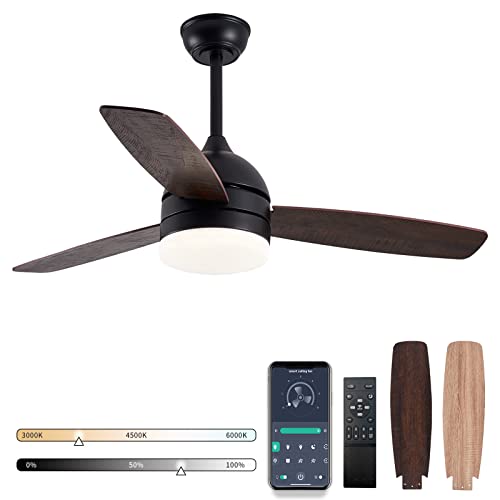
How to Make a Ceiling Fan Blow Cold Air Better

How to make a ceiling fan blow cold air keeps popping up because plenty of rooms still feel stuffy even while the fan spins overhead all day long. That annoying warm breeze usually comes from poor blade direction, trapped heat, dusty buildup, or weak airflow circulation. A fan doesn’t actually lower room temperature, sure, but it can absolutely make the space feel cooler when it’s set up the right way. Small adjustments often create a surprisingly noticeable difference, especially during sticky afternoons or restless nights.
Ceiling fans tend to lose efficiency slowly, so most people don’t notice the problem until the room starts feeling uncomfortable no matter how high the speed goes. Dirty blades throw airflow off balance, and overcrowded furniture can block circulation without anyone realizing it. Then there’s the direction switch hiding on the motor housing, quietly sitting there untouched for years. Once the blades rotate counterclockwise during warmer weather, that stronger downward airflow creates a wind-chill effect that helps skin release heat faster.
Airflow positioning matters more than people expect. A fan mounted too high or paired with short blades may struggle to push enough air downward across larger spaces. Rooms with poor ventilation also trap warm air near windows and ceilings, making the fan feel weak even though the motor works normally. Opening nearby doors slightly or using cross-ventilation with shaded windows can help move stagnant heat out instead of recycling it around the room.
Humidity creates another headache. Heavy, damp air sticks to skin and makes the room feel warmer than the thermostat suggests. Pairing how to make a ceiling fan blow cold air techniques with a dehumidifier or better ventilation can dramatically improve comfort levels without blasting the air conditioner nonstop. That’s especially helpful during muggy evenings when the room feels clammy despite running multiple fans.
Blade design also changes the experience. Wider blades move more air but may operate slower, while steeper blade pitches create stronger airflow with less wobbling. Cheap replacement blades sometimes reduce circulation instead of improving it, which explains why some fans suddenly feel weaker after repairs or cosmetic upgrades. The balance between motor strength, blade pitch, and room size quietly determines whether the airflow feels refreshing or barely noticeable.
Lighting fixtures attached to ceiling fans can contribute unwanted heat too. Older incandescent bulbs release surprising amounts of warmth into smaller rooms. Swapping to LED bulbs helps reduce heat buildup while lowering energy use at the same time. Little changes like that often stack together, turning an uncomfortable room into a cooler and far more livable space.
Noise becomes part of the frustration as well. A rattling or wobbling fan can discourage people from running higher speeds even when stronger airflow would help. Tightening blade screws, balancing uneven blades, and cleaning dust from the motor housing can improve both performance and comfort. A properly maintained fan usually feels smoother, quieter, and noticeably more effective.
How to make a ceiling fan blow cold air isn’t about gimmicks or unrealistic cooling promises. It’s really about airflow efficiency, smarter room setup, and reducing the things that trap heat indoors. A few practical adjustments often create that cooler, breezier feeling people expect the moment they switch the fan on.

- LFR Score9.8
LFR Score is a ranking system developed by lightfansreviews.com. LFR Score has no relationship or impact from any manufacturers or sales agent websites. Learn more
- BrandEonini

- LFR Score9.2
LFR Score is a ranking system developed by lightfansreviews.com. LFR Score has no relationship or impact from any manufacturers or sales agent websites. Learn more
- BrandKHEOED

- LFR Score9.2
LFR Score is a ranking system developed by lightfansreviews.com. LFR Score has no relationship or impact from any manufacturers or sales agent websites. Learn more
- BrandBell+Howell
- LFR Score9.2
LFR Score is a ranking system developed by lightfansreviews.com. LFR Score has no relationship or impact from any manufacturers or sales agent websites. Learn more
- BrandOrabriz
- LFR Score8.8
LFR Score is a ranking system developed by lightfansreviews.com. LFR Score has no relationship or impact from any manufacturers or sales agent websites. Learn more
- BrandLPHUMEX

- LFR Score8.8
LFR Score is a ranking system developed by lightfansreviews.com. LFR Score has no relationship or impact from any manufacturers or sales agent websites. Learn more
- BrandPBLALA

- LFR Score8.8
LFR Score is a ranking system developed by lightfansreviews.com. LFR Score has no relationship or impact from any manufacturers or sales agent websites. Learn more
- BrandBell+Howell

- LFR Score8.8
LFR Score is a ranking system developed by lightfansreviews.com. LFR Score has no relationship or impact from any manufacturers or sales agent websites. Learn more
- BrandBell+Howell

- LFR Score8.6
LFR Score is a ranking system developed by lightfansreviews.com. LFR Score has no relationship or impact from any manufacturers or sales agent websites. Learn more
- BrandAC Infinity

- LFR Score8.6
LFR Score is a ranking system developed by lightfansreviews.com. LFR Score has no relationship or impact from any manufacturers or sales agent websites. Learn more
- BrandBionaire

- LFR Score8.4
LFR Score is a ranking system developed by lightfansreviews.com. LFR Score has no relationship or impact from any manufacturers or sales agent websites. Learn more
- BrandBIOWIND

- LFR Score7.2
LFR Score is a ranking system developed by lightfansreviews.com. LFR Score has no relationship or impact from any manufacturers or sales agent websites. Learn more
- Branduaelua
Last update on 2026-07-10 / Affiliate links / Images, Product Titles, and Product Highlights from Amazon Product Advertising API
How To Make A Ceiling Fan Blow Cold Air
A room can feel stubbornly warm even with the blades spinning fast enough to blur. That’s usually not because the fan is broken, but because air direction, room heat, dust buildup, and poor circulation are working against it. How to make a ceiling fan blow cold air starts with treating the fan like an airflow tool, not a mini air conditioner. Once the setup is right, the breeze feels cooler, cleaner, and a whole lot less frustrating.
Cooler Air Basics
A ceiling fan doesn’t create cold air by itself. It moves air across your skin, helping sweat evaporate faster and making the room feel cooler through a wind-chill effect. That’s why a fan can make a room feel more comfortable even if the thermostat number doesn’t drop. The trick is getting the airflow to move in the right direction at the right speed.
The most useful summer setting is usually counterclockwise blade rotation. This pushes air downward and creates a direct breeze beneath the fan. Stand under the fan and check if you feel air hitting your face and shoulders. No strong breeze? The direction switch may be set for winter, or the blade pitch might not be moving enough air.
Speed matters too, but blasting the highest setting isn’t always the best move. A medium-high setting often gives steady airflow without making papers fly around or causing annoying wobble. In bedrooms, quiet circulation can feel better than aggressive gusts, especially at night. Comfort beats chaos every time.
Room heat still matters. A fan can’t overcome direct sunlight pouring through windows or hot air trapped near the ceiling all day. Close blinds during peak heat, crack doors for airflow, and keep warm electronics away from small rooms where possible. These small habits help the fan move cooler-feeling air instead of recycling stale warmth.
Set The Blade Direction Right
The direction switch is tiny, but it carries a lot of weight. For warm weather, blades should spin counterclockwise as you look up at the fan. That motion pushes air downward and creates the refreshing breeze most people expect. If the blades spin clockwise, the fan may pull air upward instead, which is better for redistributing warm air in cooler months.
Some fans use a physical switch on the motor housing. Others use a remote button, wall control, or app setting. Turn the fan off before changing direction, because flipping the switch while the blades are moving can strain the motor. After switching, restart the fan and stand beneath it for a quick airflow check.
A common mistake is assuming stronger speed fixes the wrong direction. It doesn’t. A fan spinning fast in the wrong direction can still leave the room feeling flat and stuffy. Correct blade direction should come before speed adjustments, cleaning, or any other tweak.
Blade direction also affects how the room feels in different spots. A direct downward breeze helps people sitting under the fan, while upward circulation spreads air more gently. For summer cooling, that direct breeze is usually the whole point. Keep the setting simple: downward airflow for heat, gentle upward movement for cooler months.
Clean Blades For Stronger Airflow
Dusty blades don’t just look bad. They can weaken airflow, throw off balance, and make the fan wobble at higher speeds. A thick line of dust along the blade edge changes how air moves, especially on older fans. Cleaning the blades is one of the easiest ways to improve fan cooling performance without buying anything.
Use a pillowcase or microfiber cloth to trap dust instead of sending it across the room. Support each blade gently while wiping so you don’t bend brackets or loosen screws. Sticky buildup from kitchens may need a damp cloth with mild soap. Dry everything before turning the fan back on.
Blade tops collect dust fastest because they’re easy to ignore. That hidden layer can be surprisingly heavy after months of use. A clean blade edge moves air more smoothly and reduces the chance of shaking. Smoother airflow often feels cooler because the breeze reaches the room more evenly.
Lighting affects comfort too. Older bulbs can add heat below the fan, especially in small bedrooms or low ceilings. To reduce extra warmth near the fixture, compare best wattage for desk lamp guidance and use cooler-running lighting where it fits your setup. Less heat near the room’s main airflow path means the fan has an easier job.
Use Cross Ventilation Smartly
A fan performs better when the room has somewhere for warm air to go. Closed doors and sealed windows can trap heat, leaving the fan to stir the same stale pocket of air again and again. Cross ventilation creates a path for air to enter and leave the room. That simple flow can make ceiling fan cooling feel much more effective.
Open a shaded window slightly on one side of the room and another opening across the space if outdoor air is cooler. The ceiling fan helps pull that moving air through the room. During hot afternoons, keep sun-facing windows closed and covered instead. Pulling in hotter outdoor air only makes the fan’s job harder.
Even a cracked hallway door can help. Air needs movement, not a wide-open house. In apartments, a bathroom exhaust fan or kitchen vent can sometimes help remove warm air while the ceiling fan keeps indoor air moving. The goal is steady circulation, not a wind tunnel.
Placement matters if you also use a floor fan. Set the floor fan near a cooler air source and let the ceiling fan spread that air across the room. This pairing works especially well in long rooms where ceiling fan airflow doesn’t reach every corner. A little planning turns scattered airflow into a cleaner loop.
Pair The Fan With Air Conditioning
Air conditioning and ceiling fans make a strong team when used thoughtfully. The air conditioner lowers the temperature, while the fan spreads cool air and helps it feel better on skin. That means you may not need the AC set as low to feel comfortable. Cool air distribution is the real benefit here.
Set the fan to counterclockwise while the AC runs. The downward breeze helps move cooled air through the occupied area instead of letting it sit unevenly near vents. Rooms with poor vent placement often benefit the most from this setup. The fan helps smooth out hot spots without forcing the AC to do all the heavy lifting.
Avoid running the ceiling fan in an empty room for long stretches. Fans cool people, not furniture, so the benefit disappears when nobody is there to feel the airflow. Turning it off when leaving saves energy and reduces wear on the motor. That’s plain common sense, but it’s easy to forget.
Closed vents, blocked returns, and dirty filters can make the whole room feel warmer than it should. Keep furniture away from vents and replace filters on schedule. A ceiling fan can help spread cooled air, but it can’t fix an air system that’s choking. Balanced airflow needs both the fan and the cooling system working cleanly.
Control Humidity For A Cooler Feel
Humidity makes a room feel warmer because sweat doesn’t evaporate as easily. The ceiling fan still moves air, but that sticky feeling hangs around. Lowering moisture in the room can make the same fan feel noticeably better. Dryer air improves the cooling sensation without needing colder air.
Bathrooms, kitchens, laundry areas, and crowded bedrooms often hold extra moisture. Use exhaust fans after showers and while cooking, then let the ceiling fan circulate drier air afterward. A dehumidifier can help in damp rooms, though it may add a little heat while running. Placement and timing matter.
Houseplants can also raise humidity slightly in compact spaces. That’s not always bad, but a crowded plant corner near a fan may change how the room feels. Keep plants away from direct fan blast so leaves don’t dry out unevenly. For personal comfort routines, Explore best red light therapy full body mat options separately if body relaxation matters after long, hot days indoors.
Cool-feeling airflow depends on skin evaporation, room moisture, and air movement working together. A fan in humid air may feel weak even at full speed. Reduce moisture first, then adjust the fan speed. That combo usually feels cleaner than simply cranking the fan and hoping for the best.
Match Fan Size To The Room
A small fan in a large room will struggle, no matter how clean the blades are. The airflow may feel decent right under the fan but vanish near the walls. Large rooms need wider blade spans or multiple fans to move air evenly. Fan size and room size shape the whole cooling experience.
Low ceilings need special care. A fan mounted too close to the ceiling may not pull enough air above the blades, while one mounted too low can feel harsh or unsafe. Flush-mount fans help in compact rooms, but they sometimes move less air than downrod models. That tradeoff matters in bedrooms, kitchens, and covered patios.
Blade pitch affects airflow as much as blade length. A steeper pitch can move more air if the motor is strong enough. Weak motors paired with aggressive blades may strain, wobble, or run noisier than expected. Motor strength, blade pitch, and span need to work as a team.
For larger rooms, vaulted ceilings, or design-focused spaces, Upgrade thoughtfully with best high end ceiling fans that balance airflow, motor quality, and room scale. A bigger-looking fan isn’t automatically better, though. The best fit is the one that moves air where people actually sit, sleep, cook, or gather.
Best Ways To Make Ceiling Fans Feel Colder
Some rooms stay annoyingly warm no matter how long the ceiling fan runs. The air moves, sure, but it feels flat, heavy, and strangely stale by late afternoon. That usually points to a mix of poor airflow balance, trapped heat, weak circulation, and fan placement problems. Fixing those small details often changes the room more than buying another random cooling gadget.
Improve Airflow Around Furniture
Large furniture blocks airflow more than people expect. A tall bookshelf placed directly beneath a ceiling fan can interrupt the breeze before it spreads through the room. Sofas pushed tightly into corners also trap warm air pockets that make the entire space feel stuffy. Open airflow paths help the fan cool people instead of fighting obstacles.
Bedrooms often run into this issue because beds, dressers, laundry baskets, and curtains crowd the center of the room. Even shifting furniture a few inches can help air circulate more naturally. The fan doesn’t need a totally empty room, but it does need room to breathe. Balanced airflow creates a more even cooling effect from wall to wall.
Heavy curtains can trap warm air near windows during summer afternoons. Lighter curtains or blackout shades with reflective backing usually help reduce heat gain. That allows the fan to circulate cooler-feeling air instead of constantly battling rising room temperatures. A cooler room shell makes the breeze feel sharper on skin.
Portable cooling can also help smaller rooms with awkward layouts. For compact spaces or temporary cooling during outages, Explore best rechargeable fan under 1000 options that pair well with ceiling airflow without taking up much space. A small secondary breeze can help eliminate warm corners where ceiling fans struggle to reach.
Reduce Heat From Lighting
Ceiling fan lights quietly add heat to a room, especially older fixtures with incandescent bulbs. The warmth may seem minor at first, but small bedrooms can heat up surprisingly fast during evenings. Swapping to LED bulbs reduces unnecessary heat while using less electricity. Lower heat buildup helps airflow feel cleaner and cooler.
Enclosed glass fixtures often trap warmth around the motor housing. That heat rises into the airflow stream and slightly changes how the breeze feels below the fan. Open-style fixtures usually stay cooler because heat escapes more easily. A small fixture adjustment can make the room feel less stuffy at night.
Brightness also matters. Overlit rooms feel mentally warmer and visually heavier, especially during summer evenings. Softer lighting combined with stronger airflow creates a calmer atmosphere that feels physically cooler. Human comfort depends on more than temperature alone.
Fan finishes affect room mood too. Dark finishes absorb more visual weight and can change how compact a room feels. For design-focused spaces, Compare are black ceiling fans in style ideas before changing fan colors or finishes in rooms with low ceilings or limited natural light. Visual balance can influence how open and airy the room feels overall.
Fix Wobbling And Noise Problems
A wobbling fan can ruin comfort fast. People often avoid higher fan speeds because the shaking becomes distracting or noisy after a few minutes. Tightening loose screws on blades and brackets usually fixes minor wobble issues without much effort. Smooth blade rotation helps maintain consistent airflow across the room.
Dust buildup can throw blade balance off slowly over time. One blade collecting heavier grime than the others creates uneven movement that becomes obvious at higher speeds. Cleaning each blade evenly often improves both noise and airflow. Small maintenance jobs usually matter more than expensive upgrades.
Loose mounting hardware near the ceiling can also create clicking or rattling sounds. Turn the power off before inspecting the fan housing or canopy screws. If wobbling continues after tightening everything, a balancing kit may help stabilize the blades. A steadier fan pushes air more evenly and feels less irritating during long use.
Motor hum is different from wobble. Older motors naturally produce some low-level sound, especially after years of daily use. Loud grinding, scraping, or sudden buzzing may point to worn bearings or electrical trouble. Consistent quiet airflow usually means the fan is operating properly.
Use Better Fan Speed Timing
Running the ceiling fan nonstop at maximum speed doesn’t always create the best cooling effect. During cooler mornings, a medium setting may feel more comfortable and less drying on skin. Hot afternoons often need stronger airflow because indoor heat builds near ceilings and windows. Adjusting speed throughout the day helps the room stay consistently comfortable.
Nighttime cooling needs a different approach. Strong airflow directly over the bed can feel harsh after several hours, especially in dry climates. Medium speeds usually provide enough circulation for sleep without causing dry eyes or throat irritation. Comfort depends on airflow quality, not just fan intensity.
Kitchen spaces need extra attention because cooking heat changes quickly. Turning the fan on before the room overheats works better than waiting until the air already feels heavy. Fans circulate cooler-feeling air more effectively when they aren’t fighting trapped heat from ovens or stovetops. Timing matters more than many people realize.
Remote-controlled fans make speed adjustments easier throughout the day. People are more likely to use airflow correctly when changing settings takes one button instead of standing on a chair or pulling chains repeatedly. Convenience quietly improves cooling habits over time.
Help Tall Ceilings Feel Cooler
High ceilings create a frustrating problem because warm air naturally rises away from occupied spaces. The fan may run normally while the lower half of the room still feels warmer than expected. Longer downrods help position the fan where airflow actually matters. Proper fan height improves how air reaches people instead of lingering overhead.
Vaulted ceilings often need larger blade spans to circulate enough air effectively. Small fans get visually swallowed in oversized spaces and struggle to push air downward with enough force. A stronger motor paired with wider blades usually performs better than simply increasing speed. Air volume matters more than noisy turbulence.
Ceiling shape also changes airflow patterns. Angled ceilings can create uneven circulation zones where one side of the room feels cooler than the other. Slight furniture repositioning may help direct airflow more evenly through the occupied area. Small layout changes often produce surprisingly noticeable comfort improvements.
Warm air gathering near the ceiling can still affect the room below. Running the fan earlier in the day helps prevent heat buildup before the space becomes uncomfortable. Consistent circulation keeps temperature layers from becoming too extreme indoors.
Keep Ceiling Fans Working Longer
Regular maintenance keeps airflow stronger and prevents slow performance decline. Most fans don’t suddenly fail overnight. Instead, they gradually lose efficiency through dust, loose hardware, worn capacitors, or neglected motors. Routine care helps preserve airflow quality year after year.
Check blade screws every few months, especially after seasonal direction changes. Vibrations slowly loosen hardware over time, particularly in fans running daily during warmer months. Tight components keep airflow smoother and reduce annoying movement. Stable blades usually produce better circulation too.
Motor vents deserve occasional cleaning as well. Dust around the motor housing traps heat and may shorten component lifespan. A soft brush attachment on a vacuum can help remove buildup without damaging wiring or finishes. Cooler-running motors often stay quieter and more efficient.
Older fans sometimes struggle simply because airflow standards have improved over time. Weak blade pitch, aging motors, or outdated designs may limit how much cooling the fan can realistically provide. In those cases, replacing the fan makes more sense than endlessly tweaking settings. Strong airflow, balanced circulation, and realistic cooling expectations usually create the most comfortable room overall.


Best Small Flush Mount Ceiling Fans 2026 Ultimate Picks

Best Smart Ceiling Fan India 2026 For Effortless Comfort

Best Smart Ceiling Fans with Lights for 2026: Top Picks

Best Smart Home Non Ceiling Fans 2026 For Ultimate Comfort

Best Outdoor Misting Ceiling Fan 2026 For Ultimate Comfort

Best Outdoor Ceiling Fans For Porch 2026 With Style And Breeze

Best Smart Bulb For Ceiling Fan 2026 That Brightens Life
Best Smart Ceiling Fan Control 2026 For Effortless Comfort