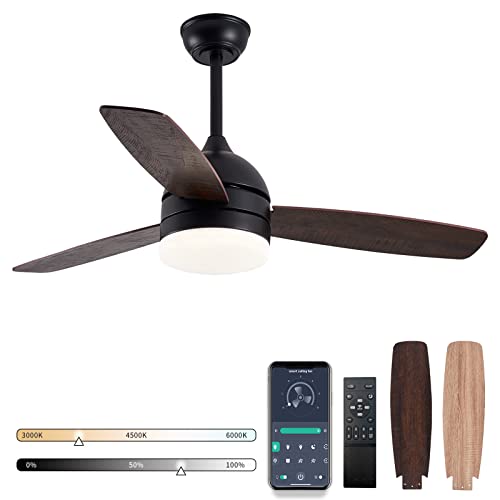
How to Make a Ceiling Fan Blow Warm Air Right

How to make a ceiling fan blow warm air sounds simple at first, yet plenty of homeowners still end up sitting under chilly drafts while the heater keeps running nonstop. That little direction switch on the fan often gets ignored, and honestly, that’s where the trouble starts. Warm air naturally rises and hangs around the ceiling, especially in rooms with tall walls or open layouts. A properly adjusted fan helps push that trapped heat back down gently, so the room feels balanced instead of oddly cold in one corner and stuffy in another.
Cold-weather comfort isn’t only about turning up the thermostat. Heating systems already work hard enough during winter, and uneven airflow makes the situation even more annoying. Ceiling fan direction, blade speed, and placement all influence how warmth moves across a room. Some fans create a harsh breeze because the speed stays too high, while others barely circulate anything because dust buildup slows the blades down. Tiny details matter more than most people expect.
Energy bills can sneak up fast once temperatures drop. That’s why many people start looking for smarter ways to hold heat indoors without making the house feel stale. Warm air circulation helps reduce hot and cold pockets, especially in bedrooms, living rooms, and vaulted spaces where heat tends to collect overhead. A ceiling fan set correctly won’t blast warm air directly like a heater, but it can make the room feel noticeably cozier by redistributing existing warmth more evenly.
Another common frustration comes from rooms that never seem comfortable no matter how long the heater runs. One area feels sweaty. Another feels like a freezer. That imbalance usually points to poor airflow rather than weak heating equipment. Fan blade rotation becomes a quiet but effective fix because clockwise motion during colder months helps lift cooler air upward while easing warm air downward along the walls. The result feels softer and more natural than a direct gust of air.
Maintenance also plays a bigger role than people realize. Dust-covered blades can reduce airflow efficiency and create wobbling or noise that gets irritating fast. Loose screws, aging motors, or incorrect blade angles often interfere with proper circulation. Ceiling fan performance depends on consistent upkeep, reasonable fan speeds, and matching the fan size to the room itself. Small fans in oversized rooms struggle to move enough air, while oversized fans can overwhelm tighter spaces.
Modern homes with high ceilings face an even bigger challenge because warm air loves drifting upward and staying there. Without circulation, heat practically gets trapped where nobody can enjoy it. That’s why homeowners with lofts, staircases, or vaulted ceilings often rely on winter ceiling fan settings to make rooms feel less drafty and more comfortable overall. A slow, steady rotation usually works better than aggressive airflow during colder weather.
Some people assume ceiling fans are only useful in summer, but that idea leaves a lot of comfort on the table. A properly adjusted fan supports the heating system quietly in the background, helping warmth travel farther through the room instead of collecting overhead. Indoor heat circulation creates a more stable temperature throughout the house, which can reduce the urge to constantly adjust the thermostat every hour.

- LFR Score9.6
LFR Score is a ranking system developed by lightfansreviews.com. LFR Score has no relationship or impact from any manufacturers or sales agent websites. Learn more
- BrandKHEOED
- LFR Score8.8
LFR Score is a ranking system developed by lightfansreviews.com. LFR Score has no relationship or impact from any manufacturers or sales agent websites. Learn more
- BrandLPHUMEX

- LFR Score8.6
LFR Score is a ranking system developed by lightfansreviews.com. LFR Score has no relationship or impact from any manufacturers or sales agent websites. Learn more
- BrandHome Intuition

- LFR Score8.6
LFR Score is a ranking system developed by lightfansreviews.com. LFR Score has no relationship or impact from any manufacturers or sales agent websites. Learn more
- BrandAC Infinity

- LFR Score8.4
LFR Score is a ranking system developed by lightfansreviews.com. LFR Score has no relationship or impact from any manufacturers or sales agent websites. Learn more
- BrandBIOWIND

- LFR Score8.2
LFR Score is a ranking system developed by lightfansreviews.com. LFR Score has no relationship or impact from any manufacturers or sales agent websites. Learn more
- BrandHome Intuition

- LFR Score7.8
LFR Score is a ranking system developed by lightfansreviews.com. LFR Score has no relationship or impact from any manufacturers or sales agent websites. Learn more
- BrandKLYRO

- LFR Score7.2
LFR Score is a ranking system developed by lightfansreviews.com. LFR Score has no relationship or impact from any manufacturers or sales agent websites. Learn more
- Branduaelua

- LFR Score6.8
LFR Score is a ranking system developed by lightfansreviews.com. LFR Score has no relationship or impact from any manufacturers or sales agent websites. Learn more
- Brandjjxeqo
Last update on 2026-07-10 / Affiliate links / Images, Product Titles, and Product Highlights from Amazon Product Advertising API
How To Make A Ceiling Fan Blow Warm Air
A chilly living room can feel ridiculous when the heater has been running for an hour and the thermostat still says everything is fine. Heat often parks itself near the ceiling, leaving the sofa, floor, and hallway feeling colder than they should. That’s why how to make a ceiling fan blow warm air starts with one simple idea: move the heat you already paid for instead of asking the furnace to work harder. A ceiling fan won’t create heat, but the right setting can make warm air circulation feel calmer, steadier, and far less wasteful.
Warm Air Movement
Warm air rises because it’s lighter than cooler air, so the top of the room often feels warmer than the space where people actually sit. That trapped layer becomes a quiet comfort problem, especially in rooms with high ceilings, stair openings, or open layouts. A ceiling fan set correctly helps pull cooler air upward and push warmer air outward, then down along the walls. The goal is gentle redistribution, not a blast of wind across your face.
The trick is using the fan as an airflow tool instead of treating it like summer equipment. During colder months, the fan should usually rotate clockwise at low speed so it doesn’t create a direct cooling breeze. Stand under the fan and look up. If the blades move clockwise, the fan is typically in winter mode, though some blade designs can vary slightly.
Speed matters more than people think. A high fan speed can make skin feel colder even while warm air is moving around the room. Low speed keeps the air mixing softly, which is exactly what most rooms need in winter. Think of it as stirring soup, not whipping cream.
Rooms with vaulted ceilings often benefit the most because warm air has more vertical space to escape. In a standard eight-foot room, the effect may feel subtle, but it can still reduce cold corners and temperature swings. The bigger the height difference between the ceiling and seating area, the more useful ceiling fan heat circulation becomes. Still, a fan can’t fix drafts, bad insulation, or a weak heating system by itself.
Set The Fan Direction
The direction switch is usually on the motor housing, and yes, it can be annoying to reach. Some newer fans use remotes or wall controls, which makes seasonal switching easier. For winter, choose the setting that moves the blades clockwise when viewed from below. This rotation helps pull cool air up through the center of the room and guide warm air down around the edges.
A quick tissue test can help if the blade direction feels confusing. Hold a lightweight tissue near the fan while it runs slowly. Strong downward air usually means the fan is still in summer mode. A softer, less direct flow suggests the fan is closer to the winter airflow pattern you want.
Some fan models reverse differently, so the manual is worth checking if the room still feels drafty after switching. Older fans may also have stiff reverse switches or dusty housings that make the setting hard to change. Don’t force the switch while the fan is moving. Turn it off, wait for the blades to stop, then change direction.
That small habit prevents wear on the motor and keeps the fan safer to handle. A lot of people flip the switch while the blades are still spinning, then wonder why the fan starts humming later. Give the motor a second to settle. Correct direction plus low speed is the basic winter formula.
Rooms with fireplaces need a little extra care. A ceiling fan can help spread warmth from a fireplace, but too much speed may disturb smoke movement or make the room feel drafty. Keep the fan low and watch how the air feels near seating areas. Comfort beats speed every single time.
Choose The Right Speed
Low speed is the sweet spot for most winter fan use. A slow fan keeps warm air moving without creating the skin-cooling effect that makes people reach for another blanket. That matters because moving air can feel colder even if the actual room temperature hasn’t dropped. Gentle airflow is the whole point.
Start with the lowest setting and give the room fifteen to twenty minutes to settle. Don’t judge the change after thirty seconds because warm air mixing takes a little time. Walk through the room and notice whether the air feels more even from wall to wall. A good winter setting should feel almost invisible.
Medium speed may help in a very tall room, but it can be too much in a bedroom or small office. If papers flutter, curtains move, or your neck feels cool, the fan is probably running too fast. Back it down and let the heating system do its job. The fan should support the heater, not fight it.
Ceiling fan size also affects the setting you’ll need. A large fan in a compact room can overwhelm the space, while a small fan in a vaulted living room may barely move enough air. For rooms where airflow never feels balanced, compare better blade spans and motor styles through this practical guide to best rated ceiling fans before replacing a struggling fan. The right fan size makes warm air movement easier and quieter.
Noise is another clue. A fan that hums, clicks, or wobbles at low speed may need tightening, cleaning, or balancing before it can help with heat circulation. Winter fan use should be quiet enough to forget about. If the sound becomes part of the room, something is off. Stable blades move air better and feel less distracting.
Fix Cold Spots First
A ceiling fan can only move the air that already exists in the room. It can’t seal a leaky window, repair a poor attic insulation job, or make an undersized heater behave like a larger one. Cold spots near exterior walls often point to drafts rather than airflow problems. So, before blaming the fan, check the usual troublemakers.
Doors, windows, fireplace dampers, and attic hatches are common leak points. A thin stream of cold air can undo a lot of warm-air circulation. Weatherstripping and draft stoppers are low-drama fixes that often make the fan feel more effective afterward. Air sealing and fan direction work better together than either one alone.
Furniture placement can also block heat movement. A large sofa sitting directly over a floor vent can trap warm air before it spreads through the room. Tall bookcases, heavy curtains, and closed interior doors can create weird temperature pockets too. Move a few things around before assuming the heating system is failing.
Homes with open staircases can be especially tricky because warm air likes to climb. A ceiling fan in the lower room may help, but the upstairs area can still pull heat away. In that case, use fans strategically and keep speeds low enough to avoid a drafty stairwell. Airflow balance matters more than simply running every fan in the house.
Portable fans sometimes help in awkward layouts, though they need careful placement. For garages, patios, or carts where battery power matters more than ceiling wiring, compare airflow needs with a separate guide to best rechargeable golf cart fan before using a small fan in the wrong setting. Different fans solve different airflow problems, and forcing one tool into every job usually ends with frustration. Ceiling fans are best for whole-room mixing, not spot cooling or outdoor airflow.
Clean And Balance The Fan
Dusty blades don’t move air as cleanly as people expect. A thin gray layer may look harmless, but it can add drag and make the fan wobble slightly. That wobble affects comfort because uneven blades disturb the airflow pattern. Clean blades help the fan move warm air with less noise and less vibration.
Use a pillowcase or microfiber cloth to catch dust instead of flicking it across the room. Support each blade gently while cleaning so you don’t bend the bracket. Harsh cleaners can damage finishes or leave residue that grabs more dust later. A mild cleaner and a soft cloth usually do the job.
Loose screws deserve attention too. Blade brackets, downrods, light kits, and mounting hardware can loosen over time from normal vibration. Tighten what you can safely reach, but don’t overdo it. Firm hardware keeps the fan steady and reduces that irritating tick-tick-tick sound at night.
Balancing kits are cheap and useful if the fan still wobbles after cleaning. Most kits include small weights that attach to the blade to even out movement. It takes patience, but the improvement can be noticeable. A balanced fan can run at low winter speed without shaking the room or rattling the light fixture.
Dirty fan motors can also run warmer or louder than they should. Vacuum around the housing vents carefully if dust has built up. Older fans that smell hot, spark, or buzz loudly should be turned off and checked by a qualified electrician. Comfort is nice, but safe operation comes first.
Match Fan Height To The Room
Fan height has a big say in how well warm air moves. A fan mounted too close to the ceiling may struggle to pull air properly, especially if the blades don’t have enough clearance above them. A fan hanging too low can feel drafty and awkward. Proper clearance helps the fan circulate air instead of chopping through a cramped pocket.
Flush-mount fans can work in low-ceiling rooms, but they may not move air as efficiently as fans with a short downrod. That tradeoff is normal because safety clearance matters. In rooms with taller ceilings, a downrod usually helps position the fan where it can move air more effectively. The fan doesn’t need to hang dramatically low, but it does need breathing room.
Blade pitch matters as well. Flat blades may spin quickly without moving much air, while steeper blade angles can push more air at lower speeds. That’s why two fans with the same blade span can feel completely different. Blade design, motor strength, and ceiling height all work together.
Room shape can complicate things. Long narrow rooms may need more than one fan or help from open doors and vents. A single central fan in a large rectangular space might leave the far end cool. Warm air distribution works best when the fan’s airflow pattern matches the room instead of fighting the layout.
Light and air movement follow different rules, but both depend on waves, direction, and frequency in their own ways. For a science-side rabbit hole, explore how to calculate the frequency of light and see why movement patterns matter across different types of energy. Back in the living room, the practical takeaway stays simple: place the fan where air can move freely. Blocked airflow wastes motion.
Best Ceiling Fan Settings For Warm Air Circulation
Some rooms never seem to settle into a comfortable temperature no matter how long the heater runs. The floor stays cold, the couch feels chilly, and meanwhile the ceiling traps a pocket of warmth nobody can reach. That uneven feeling usually means the air inside the room isn’t moving properly. A better winter ceiling fan setup can smooth out those temperature swings and help the room feel warmer without cranking the thermostat higher.
Use Ceiling Fans Without Feeling Cold
A lot of people stop using ceiling fans in winter because they associate moving air with cold drafts. That reaction makes sense after sitting directly under a fast-spinning fan in summer. Winter airflow works differently, though. The fan should move slowly enough that you barely notice it while still improving warm air circulation around the room.
The biggest mistake is setting the fan speed too high. Fast airflow pulls heat away from skin and creates that annoying chilly sensation even if the room temperature technically rises. A lower speed lets the fan push trapped warm air downward gently along the walls. Soft air movement feels far more natural indoors during colder weather.
Bedrooms especially benefit from slower settings because strong airflow becomes distracting at night. Nobody wants cold air brushing across their face while trying to sleep. A quiet fan at low speed helps maintain more stable room temperatures without adding noise or creating a breeze. Balanced comfort usually beats maximum airflow.
Pets notice uneven room temperatures too. Dogs often move closer to heaters or curl into blankets because heat gathers higher in the room while the floor stays cooler. Proper fan direction can help reduce those cold lower-level pockets. Little changes in airflow sometimes make the room feel calmer overall.
Fan blade shape also changes how airflow behaves. Wider blades can move more air at slower speeds, while narrow blades sometimes need higher RPMs to produce noticeable circulation. That difference matters because winter airflow should stay subtle instead of aggressive. Blade efficiency matters more than raw speed.
Rooms That Benefit Most From Winter Fan Use
Large living rooms often struggle with uneven heating because heat drifts upward and spreads poorly across open spaces. Ceiling fans help pull that warmth back toward occupied areas instead of letting it sit unused near the ceiling. The effect becomes even more noticeable in homes with tall entryways or second-floor overlooks. Heat redistribution helps those spaces feel less patchy.
Vaulted ceilings almost beg for proper winter fan settings. Warm air can collect several feet above where anyone actually sits, which leaves the lower part of the room feeling colder than expected. Running the fan slowly clockwise helps break up that trapped layer. A room with a twenty-foot ceiling may feel dramatically different after adjusting the airflow correctly.
Finished basements can benefit too, though the results vary depending on insulation and vent placement. Basements naturally stay cooler, so air circulation alone won’t magically warm the space. Still, moving warm air more consistently can reduce that damp, stale feeling many lower-level rooms develop in winter. Steady airflow supports overall comfort.
Kitchens with strong exhaust fans sometimes lose warm air faster than people realize. Cooking heat rises quickly and disappears toward the ceiling while colder air drifts back into seating areas. A properly adjusted ceiling fan can help spread warmth more evenly through connected dining or family rooms. Consistent room temperature makes those shared spaces feel far more inviting.
Older homes with uneven insulation usually need airflow support more than tightly sealed modern homes. Some rooms may stay cozy while others constantly feel drafty. Ceiling fans can help bridge those temperature gaps, although insulation upgrades still matter. Fans improve circulation, but they can’t replace proper heat retention.
Reduce Heating Costs With Better Airflow
Heating systems run longer when warm air stays trapped near the ceiling instead of circulating where people actually live. That extra runtime slowly adds up on utility bills. A ceiling fan helps spread existing heat more evenly, which may reduce the urge to constantly raise the thermostat. Efficient airflow helps the room feel comfortable sooner.
Thermostat battles happen in a lot of homes during winter. One person feels cold while someone else complains the room already feels too warm. Uneven air distribution usually sits at the center of that argument. Better circulation creates a more stable indoor environment so the heating system doesn’t overcompensate for isolated cold spots.
Small changes can have surprisingly noticeable effects over time. Lowering the thermostat even slightly becomes easier once warm air reaches lower seating areas instead of hovering uselessly overhead. The room feels more balanced, and the furnace may cycle less aggressively. Temperature consistency often matters more than blasting maximum heat.
Fans with DC motors may use less electricity than older AC motor designs, especially during extended operation. They also tend to run more quietly at lower speeds. That quieter operation matters at night or in shared living spaces where constant humming gets irritating fast. Energy-conscious airflow shouldn’t come with extra annoyance.
Outdoor lighting systems also benefit from thoughtful energy planning around the home. Homeowners updating indoor airflow and exterior lighting together often compare reliable options through this guide to best low voltage transformer outdoor lighting setups before tackling seasonal upgrades. Smart energy habits usually work better as a whole-home approach instead of isolated fixes.
Signs Your Ceiling Fan Is Working Against You
A room that suddenly feels colder after turning on the fan usually points to incorrect direction or excessive speed. Fans spinning counterclockwise in winter push air directly downward, which creates the cooling effect people expect during summer. That airflow pattern may feel refreshing in July but frustrating in January. Correct blade rotation changes everything.
Drafts around seating areas often reveal airflow problems too. If curtains sway constantly or papers slide around the room, the fan is probably moving too aggressively. Winter airflow should feel subtle enough that most people barely notice it. Comfort improves through gentle circulation, not constant wind.
Noise is another warning sign. Clicking, wobbling, or buzzing can signal loose hardware, warped blades, or motor wear. Ignoring those sounds usually makes the problem worse over time. A stable fan moves air more efficiently and feels far less distracting in quiet rooms.
Some older fans simply struggle with winter airflow because the motors weaken or the blade pitch isn’t designed for effective circulation. A fan can spin normally while still moving very little air. In those cases, replacement may improve comfort more than endless troubleshooting. Air movement quality matters more than appearances.
Safety concerns deserve attention too, especially with older ceiling fans that wobble heavily or hang from questionable mounting hardware. If a fan shakes dramatically, makes grinding noises, or shifts noticeably during operation, stop using it until the mounting system is checked. Homeowners nervous about unstable fixtures often read through can ceiling fans fall to better understand warning signs before ignoring a risky installation.
Simple Habits That Improve Winter Comfort
Ceiling fan settings work best alongside a few practical habits around the house. Closing blinds at night helps reduce heat loss through windows, especially older glass with weaker insulation. Thick curtains can also trap warmth indoors more effectively during colder evenings. Heat retention and air circulation support each other.
Changing HVAC filters regularly matters more than people expect. Dirty filters restrict airflow and force heating systems to work harder than necessary. A clogged filter combined with poor room circulation creates an uneven, uncomfortable indoor environment. Clean airflow supports cleaner heat distribution.
Open interior doors help warm air travel more evenly between connected spaces. Closed-off rooms often trap cold air while nearby areas stay warmer. Keeping doors slightly open during the day can reduce those sharp temperature differences. Airflow pathways matter throughout the house, not just directly beneath the fan.
Humidity affects comfort too. Dry winter air often feels colder against skin even when the thermostat reading looks reasonable. A balanced humidity level can make rooms feel warmer naturally without increasing heat output. Small humidifiers sometimes help rooms feel more comfortable alongside improved ceiling fan circulation.
Furniture placement deserves occasional reevaluation. Large sectionals pressed against vents or oversized shelves blocking airflow can create hidden cold pockets around the room. Rearranging a few items may improve circulation more than expected. Open airflow zones help warm air spread evenly instead of getting trapped behind bulky furniture.


Best Small Flush Mount Ceiling Fans 2026 Ultimate Picks

Best Smart Ceiling Fan India 2026 For Effortless Comfort

Best Smart Ceiling Fans with Lights for 2026: Top Picks

Best Smart Home Non Ceiling Fans 2026 For Ultimate Comfort

Best Outdoor Misting Ceiling Fan 2026 For Ultimate Comfort

Best Outdoor Ceiling Fans For Porch 2026 With Style And Breeze

Best Smart Bulb For Ceiling Fan 2026 That Brightens Life
Best Smart Ceiling Fan Control 2026 For Effortless Comfort