How to Make a Ceiling Fan Pull Air Better

How to make a ceiling fan pull air better usually starts with one frustrating problem. The fan spins all day, yet the room still feels stale, warm, or uneven. Air seems trapped near the ceiling while the couch, bed, or workspace never gets that cool breeze people expect. Small setup mistakes often create big airflow problems, and honestly, most homeowners never realize it until the discomfort becomes impossible to ignore.
Blade direction plays a massive role in overall airflow. A fan rotating the wrong way can push air upward instead of creating that steady cooling effect below. Ceiling height also changes everything. Rooms with tall ceilings may need longer downrods to bring airflow closer to where people actually sit and move around. Without proper positioning, even a powerful fan can feel weak and disappointing.
Dust buildup quietly ruins performance too. Dirty blades create uneven airflow and force the motor to work harder than it should. Wobbling fans often signal loose screws, imbalanced blades, or mounting issues that interfere with smooth circulation. Fixing these little annoyances can dramatically improve air movement without replacing the entire fixture. Funny enough, many airflow complaints come from maintenance issues rather than poor fan quality.
Room layout creates another hidden obstacle. Large furniture, tall cabinets, and crowded spaces interrupt circulation patterns more than most people expect. A ceiling fan might move air efficiently in one corner while leaving another area feeling stuffy and warm. Strategic placement of floor vents, open pathways, and furniture spacing helps the fan pull and distribute air more evenly throughout the room.
Fan blade pitch matters more than flashy appearance. Blades with a steeper angle tend to move more air, especially in larger rooms with higher ceilings. Lightweight decorative models sometimes sacrifice airflow for style, which explains why some fans look impressive but barely create a breeze. Matching the blade span to room size helps avoid dead zones and weak circulation.
Seasonal settings can also make or break indoor comfort. During warmer months, counterclockwise rotation creates a direct wind-chill effect that makes rooms feel cooler without lowering the thermostat. During colder months, reversing the direction helps redistribute trapped warm air from the ceiling. That simple switch often reduces uneven room temperatures and improves comfort across the entire space.
Motor quality influences airflow consistency too. Older motors may hum loudly while producing weak circulation, especially after years of dust exposure and wear. Modern DC motors usually run quieter and maintain stronger airflow control across multiple speed settings. Still, even the strongest motor won't solve airflow issues if the fan size or installation height doesn't match the room properly.
How to make a ceiling fan pull air effectively isn't about chasing complicated upgrades or trendy gadgets. Most airflow improvements come from practical adjustments people can handle with a ladder, screwdriver, and a bit of patience. Better blade direction, cleaner components, proper mounting height, and smarter room arrangement often turn an underperforming fan into something that genuinely changes the feel of a room.
How To Make A Ceiling Fan Pull Air Better
A room can feel oddly sticky even while the blades are spinning above your head. That gap between “the fan is on” and “the air actually feels better” is exactly why how to make a ceiling fan pull matters. The issue usually isn’t one dramatic failure. It’s often a mix of wrong blade direction, poor mounting height, dusty blades, weak speed settings, and furniture blocking the natural airflow path.
Make The Air Move First
How to make a ceiling fan pull starts with one plain question: Is the fan moving air where people actually feel it? A fan can spin perfectly and still fail the room if the airflow stays trapped near the ceiling. That’s why the first fix should be about air direction, not speed. Cranking the fan higher won’t help much if the blades are sending air the wrong way.
For warm rooms, the blades should usually rotate counterclockwise so air pushes downward and creates a cooling breeze. Stand directly under the fan and feel for steady air on your skin. No breeze? Then the fan may be spinning in the wrong direction, running too slowly, or sitting too close to the ceiling. A quick direction switch can make the room feel noticeably less stale.
Pull-chain fans often have a small switch on the motor housing, while remote-controlled fans may hide this setting inside the remote menu. That little switch gets ignored all the time, which is a shame because it controls the whole airflow pattern. Blade rotation decides whether the fan pushes air down or circulates air upward. Simple stuff, but it makes or breaks comfort.
Cold-weather settings work differently. A gentle clockwise rotation helps pull cooler air upward and nudge warm ceiling air back down along the walls. That setting should feel subtle, not breezy. In hot weather, though, subtle won’t cut it because the goal is direct cooling airflow that reaches the living zone.
Check Blade Direction Before Blaming The Fan
Plenty of ceiling fans get blamed unfairly. The motor runs, the light works, the blades look fine, yet the room feels flat. Before replacing anything, check fan direction with your hand, not your eyes. Blade movement can fool you from below, especially with darker blades or higher ceilings.
Stand under the center of the fan while it runs at medium speed. A proper warm-weather setting should create a downward breeze you can feel on your face or arms. If the air feels weak or strangely indirect, flip the direction switch and test again. That one adjustment often solves the “fan doesn’t pull air” complaint without spending a dime.
Fan direction also affects how dust moves around the room. A wrong setting may stir air near the ceiling without improving comfort below. That can leave people turning the fan higher, which adds noise but not relief. Correct rotation gives the motor a fair shot at doing its job.
Remote fans deserve an extra look because settings sometimes reset after power outages or battery changes. A fan that worked well last summer might feel useless now because the direction changed without anyone noticing. Check the manual if the button labels are vague. The best fix is often boring, and that’s not a bad thing.
Match Fan Height To The Room
Ceiling height changes airflow more than people expect. A fan mounted too close to the ceiling may struggle to pull enough air from above the blades. A fan hanging too low can feel aggressive, noisy, or awkward in a busy room. The sweet spot gives the blades enough breathing room while keeping airflow near where people sit, sleep, and move.
Standard rooms often do well with low-profile or standard mounts, depending on ceiling height. Taller rooms usually need a downrod so the fan isn’t trapped in a pocket of dead air near the ceiling. If the blades sit too high, the breeze may never reach the couch or bed. Mounting height can turn a weak fan into a useful one.
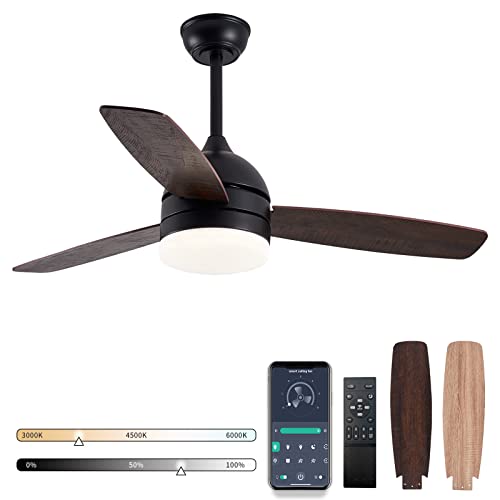
Flush-mount fans look clean, but they aren’t always the strongest choice for airflow. They leave less space above the blades, which can limit how much air the fan can grab and push downward. That tradeoff matters in warm bedrooms, home offices, and living rooms where comfort depends on steady movement. For better fixture planning, compare airflow needs before choosing a ceiling fan with light and remote that fits both the room height and daily use.
Low ceilings require caution too. Blades need safe clearance, and nobody wants a fan that feels like it’s hovering over their head. A compact fan may be safer, but it still needs enough blade pitch and motor strength to move air. Safety clearance and airflow performance have to work together, not fight each other.
Clean Blades To Restore Airflow
Dusty blades are sneaky little troublemakers. A thin layer of grime changes how air slides across the blade surface, which can reduce air movement and make the fan wobble. The fan may still spin, but it won’t feel as crisp. Cleaning sounds basic, yet it’s one of the easiest ways to help a ceiling fan pull air again.
Use a pillowcase, microfiber cloth, or damp towel to trap dust instead of flinging it across the room. Clean the top and bottom of every blade because buildup hides where people rarely look. Dry the blades afterward so moisture doesn’t sit near the brackets. A clean blade edge helps the fan cut through air more smoothly.
Blade arms deserve attention too. Loose screws can tilt one blade slightly out of line, and that tiny angle difference can disturb the airflow pattern. Tighten hardware gently without forcing anything. Balanced blades reduce wobble, noise, and wasted motion.
Motor housing vents can collect dust as well. Blocked vents may trap heat around the motor, especially on older fans that already work harder than newer models. Keep the housing clean and avoid spraying cleaner directly into openings. Better maintenance keeps motor efficiency steadier over time.
Use Speed Settings With A Purpose
Fan speed shouldn’t be a guessing game. Low speed helps with gentle circulation, medium speed works for everyday cooling, and high speed suits hot rooms that need fast relief. Running high speed nonstop can feel loud and wasteful if the real issue is direction or placement. Smart speed control gives better comfort with less annoyance.
Start with medium speed after confirming the blades rotate correctly. If the breeze feels even, the fan is probably doing its job. If the room still feels stale, look at blade height, room layout, and dust before blaming the motor. Speed only helps after the basics are right.
High speed can expose hidden problems. Wobbling, clicking, rattling, or pulsing airflow often becomes more obvious when the fan runs faster. Those sounds usually point to loose brackets, unbalanced blades, or worn parts. Fixing those issues protects fan performance and keeps the room calmer.
Remote-controlled fans make speed changes easier, but convenience can hide bad habits. People often tap the highest setting because they want instant cooling. The better move is to set the fan direction properly, clear airflow paths, then choose the lowest speed that still feels comfortable. That approach helps reduce noise while keeping steady air circulation.
Fix Wobble Before It Steals Power
A wobbling fan wastes motion. Instead of pushing air cleanly, the blades shake through the rotation and lose some of that smooth pull. The room may feel uneven, and the fan may sound more dramatic than it should. Stable rotation is a big deal for airflow.
Start by checking the blade screws and mounting bracket. Turn the fan off, let it stop completely, then inspect each blade arm. Loose screws should be tightened carefully and evenly. A small adjustment can calm the whole fixture down.
Blade balance kits can help if the wobble continues. These kits use small weights to correct uneven blade movement. They aren’t fancy, but they can make an older fan feel less chaotic. Balanced airflow feels smoother and usually sounds quieter.
Warped blades are harder to fix. Humidity, age, and cheap materials can bend blades slightly over time. A warped blade may need replacement because it changes the fan’s air-grabbing angle. That weakness matters most in bedrooms and living rooms where people notice every bit of uneven breeze.
Clear The Room For Better Circulation
A ceiling fan needs space to move air around the room. Tall shelves, bulky cabinets, hanging decor, and crowded furniture can interrupt the airflow path. The fan may pull air well near the center but fail along the edges. Room layout quietly shapes comfort.
Move tall furniture away from the strongest airflow zones if possible. Air should have a clean path across seating areas, beds, and walkways. A packed room can create pockets where warm air sits stubbornly in corners. Small layout changes can improve air distribution without touching the fan itself.
Doors and windows change the feel too. A closed room may need stronger circulation because air has nowhere to go. An open doorway can help air exchange between spaces, especially in smaller homes or apartments. The fan pulls better when the room isn’t fighting against trapped air.
Lighting also affects comfort, especially with bulbs that add heat in smaller rooms. If the fan includes a light kit, warm bulbs can make the space feel hotter than expected. For unusual lighting projects outside ceiling fan comfort, explore a separate setup like how to make black light instead of forcing one fixture to handle every mood and function. Keeping the fan focused on airflow usually leads to better results.
Improve Air Pull With Open Pathways
Air behaves better when it has somewhere to move. A fan in a sealed, cluttered room can stir the same warm air over and over. Open pathways help the fan create a more useful circulation loop. That loop supports cooler-feeling air even without lowering the thermostat.
Try cracking a door or opening a nearby interior pathway while the fan runs. The goal isn’t always a strong draft. Sometimes the goal is simply giving stale air a route out of the room. That one change can make a bedroom or office feel less heavy.
Supply vents and return vents need breathing room as well. A couch, rug, or cabinet blocking vents can sabotage airflow before the ceiling fan even gets involved. Clear vents let HVAC air and fan circulation work together. Better airflow teamwork makes the whole room feel more consistent.
Small rooms can feel overpowered by large fans if air bounces too aggressively off walls. Large rooms can feel underwhelming if the fan span is too small. The fan should match the room’s proportions instead of just matching the decor. Proper fan sizing helps prevent both weak pull and uncomfortable turbulence.
Use Seasonal Direction The Right Way
Seasonal fan settings aren’t just a tiny detail buried in the manual. They change the way air travels through the room. Summer needs a downward breeze, while winter needs gentle air mixing. Seasonal direction helps the same fan solve different comfort problems.
During hot weather, counterclockwise rotation pushes air down and helps skin feel cooler. This doesn’t actually lower the room temperature, but it changes how the room feels. That matters because comfort is what people notice first. A good breeze can make a warm room feel more livable.
During cold weather, clockwise rotation on low speed helps move warm air that collects near the ceiling. The airflow should not feel like a chilly draft. It should feel quiet, soft, and barely noticeable. Gentle winter circulation keeps warm air from wasting space above your head.
Timing matters in homes with routines tied to lighting or evening comfort. For example, rooms used around dinner, reading, or prayer may need softer airflow rather than full-speed cooling. Separate time-based rituals belong in their own lane, so use resources like candle lighting in brooklyn for schedule-specific planning while keeping fan settings focused on comfort. Mixing those needs thoughtfully keeps the room practical instead of fussy.
Spot Weak Motors And Poor Blade Pitch
Some fans simply don’t have enough muscle. A weak motor may spin the blades but fail to create meaningful airflow. Decorative fans can look sharp while moving less air than expected. Motor strength and blade pitch matter more than style alone.
Blade pitch refers to the angle of the blades as they cut through air. Flatter blades may spin quickly without pushing much air downward. Steeper blades can move more air, but they need a motor strong enough to handle the extra resistance. That balance decides whether the fan feels useful or just decorative.
Older fans may lose performance gradually. The decline can be slow enough that nobody notices until summer hits hard. Humming, slow starts, hot motor housing, or weak airflow at high speed can signal wear. Aging components don’t always fail loudly.
Replacement makes sense if cleaning, balancing, direction changes, and layout fixes still leave the room uncomfortable. A better fan should match room size, ceiling height, and daily habits. Bigger isn’t always better, and prettier isn’t always stronger. The right choice pulls air consistently without turning the room into a wind tunnel.
How To Make A Ceiling Fan Pull More Air In Small Rooms
Small rooms can feel stuffy faster because air has fewer places to spread out. After checking direction, blade balance, cleaning, and seasonal settings, the next move is tuning the room around the fan so the airflow doesn’t get trapped. How to make a ceiling fan pull more air in tighter spaces often comes down to fan size, clearance, secure mounting, and the way air moves around furniture. Tiny fixes can make a cramped bedroom, office, or nursery feel less heavy without turning the fan into a noisy blur.
Size The Fan For The Room
A fan that’s too large can make a small room feel choppy instead of comfortable. The blades may push air into nearby walls too quickly, then bounce it back in awkward bursts. A fan that’s too small creates the opposite problem, where the motor spins but the corners still feel stale. Proper fan sizing helps the airflow feel steady rather than jumpy.
Small bedrooms, compact kitchens, laundry rooms, and home offices usually need a fan that matches the floor space instead of overpowering it. A wide blade span can look dramatic, but it may not give better comfort if the room can’t use that extra air movement. The goal is controlled circulation, not a windy pocket right under the blades. That balance matters most in rooms where people sleep, read, or work for long stretches.
Ceiling height also changes the sizing decision. A low ceiling often needs a hugger-style fan, but that design can limit the air the blades pull from above. A slightly smaller fan with stronger blade pitch may feel better than a larger low-profile model that struggles for breathing room. For tighter layouts, compare practical room fit with a ceiling fan for small space before assuming bigger blades will solve weak airflow.
Room proportion matters more than the label on the box. A narrow room with tall furniture may need a different fan than a square room with open wall space. Look at where people actually sit or stand, then judge whether the airflow reaches those areas. A good fan setup should feel even, not like one strong breeze in the middle and dead air everywhere else.
Secure The Box Before Adjusting Speed
A shaky fan can’t pull air cleanly. Loose mounting hardware lets the fan waste energy through vibration, which weakens the smooth push-and-pull motion of the blades. That wobble can also create clicking noises that make the whole fixture feel unreliable. Secure installation protects both airflow and peace of mind.
The ceiling fan box must be rated to hold the fan’s weight and movement. A regular light fixture box is not the same thing as a fan-rated box, and that difference matters. Fans create constant motion, so the support above the ceiling has to handle more than simple downward weight. Fan-rated support is one of those behind-the-scenes details that keeps the fan working safely.
Screws matter too, especially during replacement or wobble fixes. Using the wrong size can leave the bracket less secure than it looks from below. That’s the kind of mistake that may not show up until the fan runs at higher speeds. For hardware checks during repair, match the installation needs with screws for ceiling fan box guidance instead of guessing from a random drawer.
Turn off power before inspecting anything near wiring or the mounting bracket. If the box moves, shifts, or feels loose, stop there and get the support corrected before tuning airflow. A fan with a weak mount may never run smoothly, no matter how clean the blades are. Stable mounting gives every other airflow fix a solid foundation.
Adjust Blade Pitch And Blade Condition
Blade pitch is the angle that lets a fan scoop and move air. Too flat, and the blades slice through the room without pulling much air down. Too steep for the motor, and the fan may strain or run noisier than expected. Blade pitch is where airflow performance starts to separate from simple decoration.
Most homeowners don’t adjust blade pitch directly, but they can spot trouble. Look for blades that appear uneven, warped, cracked, or sagging. A single damaged blade can disturb the airflow pattern and make the fan feel weaker across the whole room. Blade condition matters because all blades need to work as a matched set.
Humidity can cause certain blade materials to bow over time. Bathrooms, covered patios, laundry areas, and older homes with moisture issues are especially rough on cheaper blades. Once a blade warps, cleaning won’t fully restore the original airflow. Replacement blades may help, but only if they match the fan model and weight requirements.
Decorative blades sometimes trade airflow for appearance. Thin, narrow, or unusually shaped blades can look stylish while moving less air than expected. That doesn’t make them useless, but it does set realistic limits. Air pull depends on pitch, surface area, motor strength, and room fit working together.
Guide Air With Furniture Placement
Furniture can quietly block airflow even in a clean, well-installed fan setup. Tall bookcases, bunk beds, wardrobes, and stacked storage can interrupt the circulation path. The fan may push air downward, but the room layout decides where that air goes next. Open airflow paths help the breeze travel instead of crashing into obstacles.
Move tall pieces away from the center of the room where possible. Even a few inches of clearance can help air spread more evenly across sitting and sleeping areas. Heavy curtains can also slow circulation, especially if they cover vents or trap warm air near windows. A cleaner path gives the fan less resistance to fight.
Bed placement can change comfort dramatically. A bed directly under the fan may feel too breezy, while a bed tucked behind tall furniture may feel almost no airflow. Angle furniture so the fan’s downward air can roll outward across the room. Balanced room layout turns a ceiling fan into a whole-room comfort tool instead of a single cool spot.
Small rooms need restraint. Packing every wall with storage leaves air with fewer places to move. Leave breathing room around vents, doors, and the central floor area whenever possible. That simple layout habit supports better circulation without adding equipment.
Pair The Fan With Natural Airflow
A ceiling fan doesn’t create fresh air by itself. It moves the air already inside the room, which is why stale spaces can still feel stale with the fan running. A cracked door or open transom can help air exchange between rooms. Fresh air pathways make the fan’s pull feel cleaner and less trapped.
Window strategy matters too. Opening every window isn’t always the answer, especially on humid or hot days. A single cracked window paired with an open doorway can sometimes create a better route for air movement. The fan then helps pull that moving air across the room instead of spinning the same pocket of warmth.
HVAC vents should stay clear. A blocked supply vent can make the ceiling fan work harder than it should because conditioned air never enters the room properly. A blocked return vent can also slow circulation through the house. Fan airflow and HVAC airflow work best as a team.
Door position can change the room in minutes. A closed bedroom may feel hotter because heat from people, lights, and electronics stays trapped inside. Opening the door slightly gives air a place to move. That small habit can make the fan’s pull feel more natural during sleep, work, or evening routines.
Lower Heat Sources Around The Fan
Heat sources can make a fan seem weaker than it really is. Lamps, electronics, sunny windows, and warm bulbs all add to the room’s comfort problem. The fan may be moving air correctly, but the space keeps gaining heat faster than the breeze can offset it. Heat control supports better airflow results.
Swap hotter bulbs for cooler-running options if the fixture allows it. A ceiling fan light kit with warm bulbs can add noticeable heat in a tiny room. That matters in nurseries, small offices, and bedrooms where every degree feels personal. Lower heat load makes the fan’s breeze feel more useful.
Electronics deserve a look too. Computers, monitors, chargers, and gaming consoles can warm up a small room during long use. Place them where airflow can move heat away instead of trapping it under desks or shelves. The fan performs better when heat doesn’t collect in hidden pockets.
Sunlight through windows can overwhelm a fan during peak afternoon hours. Curtains, blinds, or reflective shades can reduce heat gain before the fan has to deal with it. That doesn’t mean turning the room into a cave. It means reducing the load so air circulation actually has a fighting chance.
Listen For Clues While The Fan Runs
A ceiling fan often tells you what’s wrong before it fails. Clicking, scraping, humming, pulsing, or uneven whooshing can point toward loose parts, blade imbalance, or motor strain. Those sounds aren’t just annoying. They can reveal why the fan isn’t pulling air as well as it should.
A steady hum may come from the motor, wall control, or speed setting. Some older fans hum more at lower speeds, while others get louder under load. If the hum pairs with weak airflow, the motor may be aging or mismatched to the blade pitch. Motor behavior gives useful clues about real performance.
Clicking often points to loose blade screws, light kit parts, or pull chains tapping the housing. Fix those small noises before chasing bigger repairs. Tiny vibrations can grow over time and create more noticeable wobble. Quiet operation usually means the fan is moving air more smoothly.
Uneven airflow can feel like pulses instead of a steady breeze. That may happen with bent blades, poor balance, or airflow bouncing off nearby walls. Watch the fan from a safe distance and look for side-to-side movement. A smooth spin is a strong sign that the fan can pull air consistently.
Know When Replacement Makes More Sense
Some fans are worth tuning, and some are tired. After cleaning, balancing, direction checks, mounting inspections, and room adjustments, weak airflow may still hang around. At that point, the problem may be the fan’s design or age rather than user error. Replacement makes sense when basic fixes stop paying off.
Older fans may run loudly while moving less air than newer designs with more efficient motors. That doesn’t mean every older fan is bad, but it does mean expectations should stay realistic. Worn bearings, tired capacitors, and dated blade designs can limit airflow. Long-term wear has a way of showing up during hot weather.
Small rooms need especially careful replacement decisions. A huge fan can overwhelm the space, while a weak compact fan may barely help. Match blade span, motor type, mounting style, and ceiling height to the room’s actual use. Right-fit performance beats flashy specs every time.
Budget matters, of course. A new fan costs more than cleaning blades or tightening screws, so replacement should come after the easy checks. But if the fan wobbles often, runs hot, hums loudly, or barely moves air on high, repair may become a money pit. A properly sized replacement can solve comfort problems that endless tweaking can’t fix.
Build A Simple Airflow Check Routine
A quick routine keeps airflow problems from creeping back. Check direction at the start of warm and cool seasons. Wipe blades before dust turns into a thick edge. Test each speed so weak settings don’t go unnoticed.
Stand in different parts of the room while the fan runs. The center may feel fine while corners stay stale. Use that simple walk-around test to spot furniture blocks, vent issues, or weak circulation zones. Whole-room comfort matters more than the breeze directly under the fan.
Inspect wobble after cleaning or moving furniture. Sometimes a fan starts shaking after someone bumps a blade or pulls a chain too hard. Tighten visible hardware only after the power is off and the blades stop completely. Safe maintenance keeps small problems from turning into bigger ones.
Keep notes if the fan acts differently by season. A room that feels fine in spring may struggle in late summer because sun exposure, humidity, and daily heat buildup change the load. Patterns help you decide whether the fix is airflow, heat control, or replacement. That practical habit keeps ceiling fan pull from becoming another mystery every year.