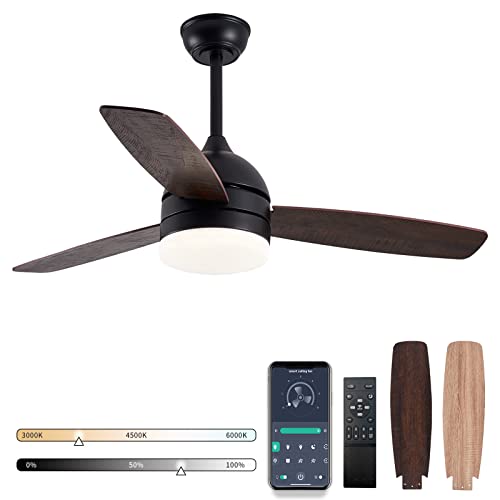
How to Make a Ceiling Fan Stop Squeaking Fast

How to make a ceiling fan stop squeaking becomes a real priority once that tiny noise starts hijacking the entire room. A faint chirp at bedtime can turn into a relentless distraction before long, especially during quiet evenings when every sound feels amplified. Plenty of people assume the fan motor is dying, but honestly, loose screws, dry bearings, dusty blade brackets, or wobbling hardware usually create the racket. A squeaky ceiling fan rarely appears out of nowhere, and those little warning signs often point to simple maintenance issues that have been ignored for too long.
Dust buildup creates more problems than most people realize. Fine debris settles into moving parts, then friction starts creeping in little by little until the fan sounds like an old porch swing. Tightening hardware helps in many situations because vibration naturally loosens screws over time, especially in fans that run daily during warmer months. Also, ceiling fans installed slightly off balance can create uneven movement that stresses the mounting system and causes annoying squeaks near the canopy or motor housing.
Lubrication matters more than people expect, yet many homeowners skip it completely. Older fans often rely on internal bearings that dry out after years of spinning overhead without attention. That dry friction produces chirping, scraping, or clicking noises that seem harmless at first but gradually become harder to ignore. A small amount of proper lubricant can calm those sounds quickly, though using the wrong oil sometimes makes the issue even worse by attracting extra dust and grime.
Blade alignment deserves attention too because warped or uneven blades throw off the entire fan balance. One crooked blade may seem harmless, but it can force the motor to work harder and create repetitive squeaking during each rotation. Ceiling fans mounted on sloped ceilings or older electrical boxes tend to shift over time, which adds another layer of vibration noise. Little mechanical problems stack together quietly until the fan suddenly sounds like it’s begging for help.
Humidity changes inside the home can also affect fan performance in surprising ways. Wood blades expand and contract with seasonal moisture, causing subtle movement changes that produce creaks or squeaks during operation. Bedrooms, covered patios, and kitchens often experience this issue more than other areas because temperature and moisture levels fluctuate constantly. That’s why some fans sound perfectly fine during winter but become noisy once summer heat settles in.
Repairing a squeaky fan usually doesn’t require expensive tools or advanced electrical knowledge. Most fixes involve basic cleaning, tightening, balancing, or replacing worn hardware before the problem spreads deeper into the motor assembly. Paying attention to unusual sounds early helps avoid larger repair bills later, especially when constant vibration starts damaging internal components. How to make a ceiling fan stop squeaking really comes down to spotting friction, instability, or wear before those small annoyances spiral into something much more frustrating.

- LFR Score9.6
LFR Score is a ranking system developed by lightfansreviews.com. LFR Score has no relationship or impact from any manufacturers or sales agent websites. Learn more
- BrandWD-40 Specialist

- LFR Score9.4
LFR Score is a ranking system developed by lightfansreviews.com. LFR Score has no relationship or impact from any manufacturers or sales agent websites. Learn more
- Brand3-IN-ONE

- LFR Score9.0
LFR Score is a ranking system developed by lightfansreviews.com. LFR Score has no relationship or impact from any manufacturers or sales agent websites. Learn more
- BrandUniSport

- LFR Score9.0
LFR Score is a ranking system developed by lightfansreviews.com. LFR Score has no relationship or impact from any manufacturers or sales agent websites. Learn more
- BrandLiquid Bearings
- LFR Score8.8
LFR Score is a ranking system developed by lightfansreviews.com. LFR Score has no relationship or impact from any manufacturers or sales agent websites. Learn more
- BrandHFYHWT

- LFR Score8.8
LFR Score is a ranking system developed by lightfansreviews.com. LFR Score has no relationship or impact from any manufacturers or sales agent websites. Learn more
- BrandWHMVPWT

- LFR Score8.6
LFR Score is a ranking system developed by lightfansreviews.com. LFR Score has no relationship or impact from any manufacturers or sales agent websites. Learn more
- BrandKALIONE

- LFR Score8.0
LFR Score is a ranking system developed by lightfansreviews.com. LFR Score has no relationship or impact from any manufacturers or sales agent websites. Learn more
- BrandLiquid Rescue

- LFR Score7.8
LFR Score is a ranking system developed by lightfansreviews.com. LFR Score has no relationship or impact from any manufacturers or sales agent websites. Learn more
- BrandOXDFK
Last update on 2026-07-13 / Affiliate links / Images, Product Titles, and Product Highlights from Amazon Product Advertising API
How To Make A Ceiling Fan Stop Squeaking At Home
A quiet room can get ruined fast by one tiny chirp from above. That squeak may sound harmless at first, but after a few nights, it starts feeling like a drip from a leaky faucet. The good news is that how to make a ceiling fan stop squeaking usually comes down to friction, loose hardware, dust buildup, or blade imbalance, not a doomed motor. Fixing it early keeps the fan smoother, safer, and far less annoying during sleep, work, or dinner.
Ceiling Fan Squeak
A ceiling fan squeak usually begins with a tiny movement that shouldn’t be happening. Screws loosen, blade brackets shift, bearings dry out, and dust settles into spots that need clean contact. That little squeal is the fan’s way of saying, “Hey, something’s rubbing.” Ignoring it can turn a simple maintenance fix into a bigger repair later.
Start by listening closely before grabbing tools. A squeak near the canopy often points to mounting hardware, while a sound near the blade arms may come from screws or warped blades. A sharper chirp inside the motor housing can suggest dry bearings or internal friction. Pinpointing the sound saves time because random tightening can miss the real trouble spot.
Shut the fan off before touching anything, even for a quick check. Let the blades stop fully, then use a sturdy step ladder and keep one hand free for balance. A fan may look lightweight, but overhead work gets awkward in a hurry. Safety matters more than speed, especially around electrical fixtures and moving parts.
Many squeaks appear after seasonal changes. Humidity can make wood blades swell slightly, dry indoor air can shrink materials, and daily vibration slowly loosens connections. That’s why a fan may run quietly for months, then suddenly start complaining. A steady inspection routine helps catch minor movement before it turns into that familiar squeak-squeak-squeak.
Check Loose Screws First
Loose screws are the low-hanging fruit, and honestly, they cause more ceiling fan noise than people expect. The fan spins for hours, the motor vibrates, and tiny fasteners slowly back out. Check the blade screws, blade arm screws, light kit screws, canopy screws, and downrod connections. Tighten them gently because overdoing it can strip threads or crack older blade material.
Use the right screwdriver size so the screw head doesn’t get chewed up. A slipping screwdriver can damage the hardware and make future repairs a pain. Work around the fan in a steady pattern instead of jumping from one blade to another. That method helps you avoid missing one loose connection hiding in plain sight.
Pay extra attention to blade brackets where metal meets wood, plastic, or composite material. Those joints take constant stress as the fan rotates. Even a slight gap can create rubbing, ticking, or squeaking that seems to come from the motor. Tightening those points often quiets the fan before you need lubricant or replacement parts.
The canopy deserves a careful look too. If it touches the ceiling unevenly or rubs against the downrod, it can squeak every time the fan sways. Loosen it slightly, center it, then tighten it back without forcing it hard against the ceiling. For rooms with angled ceilings, compare your setup with a ceiling fan for vaulted ceiling to see why the right mounting style matters for smoother movement.
Clean Dust From Moving Parts
Dust doesn’t just look bad on fan blades. It adds weight, traps moisture, and works its way into small gaps where parts need to move cleanly. A dusty fan can become unbalanced, and that imbalance often creates squeaking, wobbling, and uneven airflow. Cleaning should come before lubrication because oil on dust creates sticky grime.
Use a microfiber cloth on the top and bottom of each blade. Hold each blade gently while wiping so you don’t bend the bracket or twist the blade arm. For stubborn buildup, lightly dampen the cloth, then dry the surface right away. Clean blades reduce drag and help the motor run with less strain.
The motor housing also needs attention, but avoid spraying cleaner directly into it. Wipe the outside and use a soft brush around vents or seams where dust gathers. A vacuum brush attachment can help, as long as you’re gentle. Keeping dust away from airflow openings lowers heat buildup and may reduce noise from internal parts.
Light kits can hide little squeaks too. Glass shades, decorative caps, and pull chains may vibrate against nearby metal. Tighten shade screws by hand and make sure glass pieces sit evenly, not pinched at one side. A ceiling fan can sound broken even when the only culprit is a loose shade rattling like loose change in a drawer.
Balance The Fan Blades
A wobbling fan puts uneven pressure on the entire assembly. That movement can make screws rub, brackets flex, and the canopy shift against the ceiling. Squeaking often follows because the fan is no longer spinning in a clean, stable circle. A proper blade balance check can make the fan quieter and safer.
Stand back and watch the fan at low speed first. Look for one blade dipping lower than the others or a repeated sway in the motor housing. Turn the fan off, then measure the distance from each blade tip to the ceiling. A blade that sits noticeably higher or lower may need bracket adjustment.
A balancing kit can help, especially on older fans with slightly warped blades. Temporary clips let you test where extra weight should go before sticking a weight permanently. Move slowly here because guessing can make the wobble worse. The goal is smooth rotation, not just hiding the squeak for a day.
Outdoor and covered patio fans need even more attention because wind adds extra stress. Strong gusts can loosen hardware faster and push blades out of alignment. For exposed spaces, compare your setup with a ceiling fan for high wind areas before blaming every squeak on maintenance alone. The wrong fan in a windy spot may keep making noise no matter how often you tighten it.
Lubricate The Right Spots
Lubrication can calm a squeaky fan, but only if the fan actually needs oil. Some newer ceiling fans have sealed bearings and don’t require routine oiling. Older models may have an oil port near the motor housing, usually marked or mentioned in the manual. Using the correct lubricant protects bearings, shafts, and moving contact points from dry friction.
Never pour random household oil into the motor. Thick oils can gum up, attract dust, and create a bigger mess inside the housing. Use a light machine oil only if the fan design allows it. A few drops are usually enough because too much oil can drip onto the motor, blades, or floor.
Listen after oiling and let the fan run on low speed for a few minutes. The sound may fade as lubricant spreads through the moving parts. If the squeak stays exactly the same, the problem may not be the bearing at all. That’s your cue to return to mounting points, blade arms, or the light kit.
Some squeaks come from metal rubbing metal outside the motor. A tiny amount of lubricant on a contact point may help, but keep oil away from electrical connections. Wipe away extra oil so it doesn’t collect dust later. Clean, careful application beats the “more is better” approach every single time.
Inspect The Canopy And Downrod
The canopy can be sneaky. It sits close to the ceiling, so people rarely suspect it, yet it can squeak whenever the fan sways slightly. If the canopy is too tight, crooked, or touching the ceiling unevenly, it may rub during operation. That rubbing creates a sound that seems like it’s coming from inside the motor.
Turn off the fan and gently wiggle the downrod. There should be no loose clunking, but a tiny bit of controlled movement can be normal depending on the mount. Check the set screws where the downrod connects to the motor housing and mounting bracket. Loose set screws are a common source of creaking, squeaking, and wobble.
Look at the ball mount if your fan uses one. Dirt, misalignment, or wear around that connection can create noise as the fan shifts. Make sure the ball sits properly in the bracket groove. A misseated mount can put strange stress on the fan and make quiet operation nearly impossible.
Ceiling height and angle can make the problem worse. A fan installed on a vaulted ceiling with the wrong adapter may sway more than it should. The longer the downrod, the more noticeable that motion becomes. A stable mount gives the motor a better foundation and reduces vibration-related squeaks.
Look At Pull Chains And Light Kits
Pull chains can create a surprising amount of noise. A chain tapping against glass, metal, or a bulb cover may sound like a squeak from across the room. Shorten the chain slightly or move it so it doesn’t hit the fixture while the fan runs. This tiny fix can save a lot of unnecessary troubleshooting.
Light kits add more parts, and more parts mean more chances for vibration. Glass shades should sit evenly in their holders without being overtightened. Metal caps and finials should be snug but not forced. The sweet spot is secure contact without pressure cracks.
Bulbs can also make noise if they’re loose in the sockets. Turn the power off, let bulbs cool, then check each one by hand. A loose bulb may buzz, rattle, or squeak faintly as the fan moves. LED bulbs with bulky bases may also touch nearby hardware in tight light kits.
Small details matter here, especially in bedrooms where quiet matters most. A chain extender, shade screw, or decorative cap can ruin an otherwise smooth fan. For visual repair guides or simple drawing practice around household tools, sketch the steps with a how to draw a flashlight reference before working in dim corners. Better visibility and a steady plan make small fixes less frustrating.
How To Fix A Noisy Ceiling Fan Without Replacing It
That irritating squeak overhead can wear down your patience faster than most people admit. Sleep feels lighter, movie nights get interrupted, and suddenly the fan you barely noticed before becomes the loudest thing in the room. A lot of homeowners assume replacement is the only answer, but how to fix a noisy ceiling fan without replacing it usually comes down to maintenance, balance correction, worn hardware checks, and airflow adjustments. A smoother fan doesn’t just sound better either. It often moves air more efficiently and puts less stress on the motor.
Motor Heat And Friction Signs
A ceiling fan motor naturally gets warm during regular use, but excessive heat paired with squeaking usually points toward internal strain. Dry bearings, poor airflow inside the housing, or years of dust buildup can slowly create resistance that the motor struggles to overcome. Put your hand near the motor housing after the fan has been running for a while. A little warmth is normal, but hot metal, burning smells, or inconsistent speed changes deserve attention quickly.
Ceiling fans that run constantly through hot seasons tend to wear down faster than occasional-use fans. Bedrooms, living rooms, and covered patios often keep fans spinning for hours every day, which gradually dries lubrication inside moving parts. Older motors may also develop a faint grinding sound underneath the squeak. That layered noise usually means friction has already started affecting multiple components.
Turn the fan speed lower and listen carefully for changes in the sound pattern. If the squeak fades at lower speeds, vibration or blade imbalance may be stressing the motor housing. If the sound stays exactly the same regardless of speed, internal bearings become a stronger suspect. Paying attention to these little differences makes troubleshooting far easier than randomly replacing parts.
Dust around the motor vents can trap heat inside the housing too. A clogged motor struggles to release warmth properly, which adds strain during long operation periods. Wipe the vents gently with a dry cloth or soft brush instead of blasting compressed air directly into the housing. Cleaner airflow helps protect motor efficiency, bearing movement, and long-term fan stability.
Blade Material Problems
Blade material affects more than appearance. Wood blades react differently to humidity than plastic or composite blades, and those changes can trigger squeaking during rotation. Slight warping may not look dramatic from the ground, yet even tiny shape differences throw off balance over time. That imbalance creates extra vibration, bracket stress, and uneven movement during operation.
Check each blade closely under good lighting. Cracks near screw holes, swollen edges, or subtle bends can change how the fan spins. Some older wood blades absorb moisture unevenly during humid months, especially in kitchens or poorly ventilated rooms. A fan may stay quiet all winter, then start chirping once sticky summer air rolls in.
Plastic blades usually resist moisture better, but they can flex after years of exposure to heat or sunlight. Outdoor fans experience this issue more often because direct temperature swings weaken blade rigidity over time. Uneven blades force the motor to compensate during rotation, which often creates squeaks near the blade arms or mounting hardware. A balancing kit helps sometimes, though severely warped blades may need replacement.
Matching blade replacements matters more than people realize. Mixing different blade weights or styles creates uneven airflow and unpredictable wobble. Before replacing anything, compare blade measurements carefully and verify compatibility. To simplify identification before ordering parts, use this guide for ceiling fan model details so the replacement components actually match your existing setup.
Electrical Box Stability
A noisy fan isn’t always the fan’s fault. The electrical box above the ceiling may shift slightly during operation, especially in older homes where the original mounting wasn’t designed for ceiling fans. Light fixtures and fans place very different stress on ceiling hardware. A weak or loose box can create creaking, squeaking, and subtle movement that sounds like internal fan damage.
Watch the fan closely while it runs at medium speed. If the entire unit moves side to side instead of spinning smoothly, the mounting point deserves inspection. Tiny motion at the ceiling can echo through the downrod and canopy, making the noise seem much worse than it actually is. Many homeowners tighten blade screws repeatedly while the real problem sits hidden above the ceiling.
Turn power off completely before checking the mounting bracket. Remove the canopy carefully and inspect the electrical box connection points. Fan-rated boxes should feel solid with minimal movement against the joist or mounting brace. Loose mounting screws or worn brackets often create persistent squeaks that never disappear with balancing alone.
Long downrods make weak mounting more noticeable because extra length increases leverage during fan movement. High ceilings and vaulted rooms amplify this effect even further. Stabilizing the mounting system reduces stress on both the fan motor and blade assembly. A steady foundation helps nearly every other repair work more effectively.
Speed Settings And Noise Changes
Fan speed plays a bigger role in squeaking than many people expect. Some fans stay perfectly quiet on low speed, then chirp loudly once medium or high speed kicks in. Faster rotation increases vibration pressure on loose screws, worn bearings, and unbalanced blades. Tracking noise changes across speed settings helps isolate the real source of friction.
Run the fan through each speed level slowly instead of jumping straight to maximum. Listen for clicking, squealing, or rubbing sounds as the blades accelerate. A noise that appears only during speed transitions may point toward capacitor issues or loose internal hardware. Constant squeaks across every speed usually suggest physical friction somewhere in the assembly.
Remote-controlled ceiling fans sometimes behave differently because electronic controls regulate power in stages. A failing remote receiver can create inconsistent speed shifts that stress the motor unexpectedly. Intermittent surging may not seem connected to squeaking at first, yet unstable motor operation can increase vibration noticeably. For troubleshooting electronic accessories nearby, compare controls with a best remote control for dslr setup to better recognize signal interference and button lag issues.
Speed settings also influence airflow pressure inside the room. High speed operation in cramped spaces can exaggerate wobble if nearby walls, beams, or sloped ceilings disrupt airflow circulation. Fans need enough clearance to spin smoothly without creating uneven resistance around the blades. Balanced airflow helps maintain steady motor movement and quieter operation.
Humidity And Seasonal Changes
Ceiling fans react to environmental changes more than most people realize. Humid air causes wood materials to swell slightly, while dry winter air can shrink them back down. Those tiny dimensional changes may shift blade balance enough to create squeaks during rotation. Seasonal movement often explains why a fan suddenly becomes noisy after months of quiet operation.
Bathrooms, kitchens, laundry rooms, and covered patios experience stronger humidity swings than other spaces. Moisture buildup affects blade shape, bracket tightness, and even canopy fit against the ceiling. Metal components may also expand slightly in warmer temperatures, creating small friction points where surfaces rub together during movement.
Fans installed outdoors or near open windows face extra challenges from changing weather conditions. Damp air accelerates rust around screws and brackets, especially on older fans without sealed finishes. Rust creates rough contact surfaces that squeak during every blade rotation. Cleaning and replacing worn hardware early prevents bigger repair headaches later.
Running the fan occasionally during off-seasons actually helps reduce some problems. Long periods without movement allow dust, moisture, and stiffness to settle into moving components. Gentle operation keeps lubrication distributed more evenly across bearings and contact points. Consistent use supports smoother startup performance and quieter rotation.
Repair Or Replace Decisions
Not every squeaky fan deserves replacement right away. A lot of noise problems trace back to maintenance issues that cost very little to fix. Loose hardware, dry bearings, warped blades, or dirty motor vents can usually be handled with patience and basic tools. Replacing an entire fan before checking these details often wastes money unnecessarily.
Still, some fans reach the point where repairs stop making sense. Motors with severe grinding sounds, burned wiring smells, or visible overheating may continue failing even after maintenance. Repeated wobble can also damage internal motor alignment over time. At that stage, repair costs, safety concerns, and reliability issues start outweighing the value of keeping the old unit.
Replacement decisions also depend on room usage. A noisy guest room fan might tolerate temporary fixes longer than a bedroom fan running every night. Daily-use fans deserve stable, quiet performance because constant vibration slowly increases wear on surrounding hardware too. Small annoyances become exhausting once they interrupt sleep or concentration repeatedly.
Quiet ceiling fans create a completely different atmosphere inside a room. Smooth airflow feels calmer, cleaner, and less distracting during work, rest, or conversation. Careful maintenance keeps most fans running far longer than people expect, especially once squeaks get handled before deeper wear spreads through the motor assembly. Fixing the real source instead of masking the sound gives the fan a much better chance at long-term stability.


Best Small Flush Mount Ceiling Fans 2026 Ultimate Picks

Best Smart Ceiling Fan India 2026 For Effortless Comfort

Best Smart Ceiling Fans with Lights for 2026: Top Picks

Best Smart Home Non Ceiling Fans 2026 For Ultimate Comfort

Best Outdoor Misting Ceiling Fan 2026 For Ultimate Comfort

Best Outdoor Ceiling Fans For Porch 2026 With Style And Breeze

Best Smart Bulb For Ceiling Fan 2026 That Brightens Life
Best Smart Ceiling Fan Control 2026 For Effortless Comfort