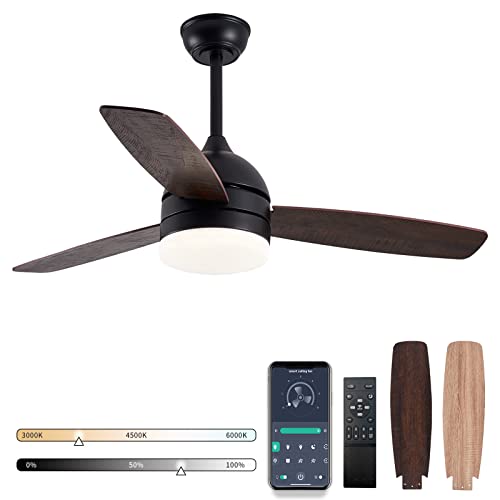
How To Make A Ceiling Fan Turn Counter Clockwise

How to make a ceiling fan turn counter clockwise sounds simple at first, but plenty of people end up standing under the fan scratching their heads after flipping the wrong switch or noticing almost no airflow at all. Hot rooms, stuffy corners, and uneven cooling usually push this problem to the top of the to-do list once temperatures start creeping up. A ceiling fan spinning in the wrong direction can quietly waste comfort while forcing the air conditioner to work harder than necessary. Small adjustments often create a surprisingly noticeable difference in how a room feels from one end to the other.
Most ceiling fans include a small direction switch near the motor housing, though it’s easy to miss unless you climb up and check closely. Counter clockwise rotation pushes air downward, creating that familiar breeze effect people expect during warmer days. Suddenly, the room feels fresher instead of heavy and stale. That steady airflow can help reduce the sticky feeling that tends to linger in bedrooms, living rooms, or home offices with poor circulation.
Airflow direction matters more than many homeowners realize. A fan spinning clockwise during warm weather may pull air upward instead of sending cooling air downward where people actually feel it. That mistake often leads to unnecessary thermostat adjustments and higher electricity bills. Nobody enjoys paying extra just because a tiny switch stayed in the wrong position. Fixing the rotation usually takes only a few minutes, yet the comfort difference can feel immediate.
Some fans use remote controls or wall-mounted systems instead of traditional pull chains and manual switches. That setup adds convenience, but it also creates confusion when the reverse function hides inside a remote button menu. Older models may click mechanically while newer smart fans quietly change direction with a tap. Either way, checking blade movement carefully before assuming the fan is working correctly saves time and frustration. Little details make all the difference here.
Ceiling fan blade angle, room height, and fan speed also influence how effective the airflow feels. A counter clockwise fan running too slowly may barely move air across the room. Meanwhile, oversized rooms with weak fans often leave warm pockets near corners and windows. Matching the correct fan speed with the proper blade direction creates stronger circulation without overworking the system. That balance helps rooms feel more comfortable naturally instead of relying completely on air conditioning.
Dust buildup can also reduce performance in sneaky ways. Dirty blades disrupt smooth airflow and sometimes create wobbling or annoying ticking noises. Cleaning the fan before changing rotation settings helps the blades move more efficiently while preventing dust from blowing around the room. Nobody wants a cloud of dust drifting across freshly cleaned furniture. A quick wipe-down keeps airflow cleaner and more consistent.
How to make a ceiling fan turn counter clockwise becomes especially useful in upstairs rooms that trap heat late into the evening. Warm air naturally rises, so bedrooms on higher floors often stay uncomfortable long after sunset. Switching the fan direction helps create a cooling breeze effect against the skin, making sleep feel far less miserable during humid nights. That subtle airflow can reduce the urge to crank the thermostat lower and lower.
Fan direction problems sometimes show up after seasonal maintenance, bulb replacement, or power interruptions. Someone changes the switch accidentally, then weeks pass before anybody notices the airflow feels wrong. It happens more often than people admit. Paying attention to how the air feels beneath the fan offers the easiest clue. Strong downward airflow almost always signals the correct counter clockwise setup for warm conditions.

- LFR Score9.0
LFR Score is a ranking system developed by lightfansreviews.com. LFR Score has no relationship or impact from any manufacturers or sales agent websites. Learn more
- BrandAnderic

- LFR Score9.0
LFR Score is a ranking system developed by lightfansreviews.com. LFR Score has no relationship or impact from any manufacturers or sales agent websites. Learn more
- BrandReluen

- LFR Score8.8
LFR Score is a ranking system developed by lightfansreviews.com. LFR Score has no relationship or impact from any manufacturers or sales agent websites. Learn more
- BrandTaigeguang
- LFR Score8.8
LFR Score is a ranking system developed by lightfansreviews.com. LFR Score has no relationship or impact from any manufacturers or sales agent websites. Learn more
- BrandLPHUMEX

- LFR Score8.8
LFR Score is a ranking system developed by lightfansreviews.com. LFR Score has no relationship or impact from any manufacturers or sales agent websites. Learn more
- BrandOstrich

- LFR Score8.6
LFR Score is a ranking system developed by lightfansreviews.com. LFR Score has no relationship or impact from any manufacturers or sales agent websites. Learn more
- BrandCeilingBreeze

- LFR Score8.2
LFR Score is a ranking system developed by lightfansreviews.com. LFR Score has no relationship or impact from any manufacturers or sales agent websites. Learn more
- BrandTaigeguang

- LFR Score7.2
LFR Score is a ranking system developed by lightfansreviews.com. LFR Score has no relationship or impact from any manufacturers or sales agent websites. Learn more
- Branduaelua

- LFR Score7.2
LFR Score is a ranking system developed by lightfansreviews.com. LFR Score has no relationship or impact from any manufacturers or sales agent websites. Learn more
- BrandGeneric

- LFR Score7.0
LFR Score is a ranking system developed by lightfansreviews.com. LFR Score has no relationship or impact from any manufacturers or sales agent websites. Learn more
- BrandARTIBETTER
Last update on 2026-05-19 / Affiliate links / Images, Product Titles, and Product Highlights from Amazon Product Advertising API
How To Make A Ceiling Fan Turn Counter Clockwise
A hot room can feel stubborn even with the fan spinning above your head, especially if the air just swirls around instead of moving down where you can actually feel it. That’s usually the moment how to make a ceiling fan turn counter clockwise becomes more than a tiny maintenance question. The right rotation pushes air downward, creates a cooling breeze effect, and helps the room feel less stuffy without forcing the thermostat lower. It’s a small fix, but it can change the way a bedroom, living room, or home office feels on a sticky afternoon.
Ceiling Fan Direction Basics
A ceiling fan doesn’t cool the air the same way an air conditioner does. Instead, it moves air across your skin so the room feels cooler through wind chill. Counter clockwise rotation is the setting most people want during warm weather because it sends air downward. Stand directly under the fan, and you should feel a steady breeze pushing toward you.
The easiest visual clue comes from watching the blade movement from below. If the blades move counter clockwise and the air flows down, the fan is set for summer cooling. If the blades spin the other way and the air feels weak underneath, the fan may be moving air upward instead. That setting can be useful during colder months, but it usually feels wrong on hot days.
Many people miss this detail because the fan still looks “on” either way. The motor runs, the blades spin, and the room sounds like it should feel better. But blade direction controls whether the fan helps comfort or quietly works against it. That’s why checking direction should come before blaming the fan speed, the air conditioner, or the room layout.
Room comfort often comes down to little things that don’t look dramatic. A small switch near the motor housing can decide whether the fan pushes air down or pulls it up. That tiny control can matter more than bumping the speed from medium to high. Strong airflow starts with the correct counter clockwise rotation, not just faster spinning.
Find The Reverse Switch
Most traditional ceiling fans have a small reverse switch on the motor housing. It may sit above the blades, near the light kit, or along the side of the fan body. Turn the fan off first, wait until the blades stop completely, then look for the switch. Safety matters here because reaching near moving blades is asking for trouble.
The switch usually slides left to right or up and down. Flip it once, turn the fan back on, and watch the direction from underneath. If the blades now move counter clockwise and you feel air pressing downward, you’ve found the right setting. That simple step solves a surprising number of weak airflow complaints.
Some fans hide the switch in an awkward spot, especially older models with bulky light fixtures. A small step ladder and a flashlight can make the job less annoying. If the fan has a glass light shade, avoid twisting parts you don’t need to remove. The goal is only to reach the direction switch, not take the whole fixture apart.
Visual checks can be tricky with certain blade shapes. Curved blades may make the direction look less obvious at first glance. So don’t rely only on your eyes. Use the airflow test too: stand under the fan and feel whether the breeze moves downward with confidence. A correct counter clockwise setup should feel noticeably stronger below the fan.
Old or damaged switches can feel loose, sticky, or unresponsive. If the fan refuses to change direction after flipping the switch, the switch or capacitor may be worn. That’s not a reason to keep forcing it. At that point, basic electrical caution matters, and calling a qualified electrician is smarter than guessing around live wiring.
Use A Remote Or Wall Control
Many newer ceiling fans skip the visible reverse switch and use a remote instead. The direction button may have a fan icon, a circular arrow, or a label like “reverse.” Press it while the fan is stopped or running slowly, depending on the model. The fan may pause for a few seconds before changing direction, which is normal for many modern motors.
Wall controls can work the same way. Some have a dedicated reverse button, while others require holding the fan-speed button for several seconds. Smart fans may place the direction control inside an app menu. That can feel fussy, but the benefit is clear: seasonal airflow changes can happen without climbing a ladder.
Remote-controlled fans can also cause confusion after battery changes or power outages. Settings may reset, or the remote may lose sync with the receiver. If the fan no longer responds correctly, replace the remote batteries first and check the pairing instructions. A weak remote signal can make a perfectly fine fan seem broken.
Lighting controls sometimes sit on the same remote, which creates another layer of mix-ups. If your room setup depends on both airflow and color temperature, small comfort tweaks can stack up fast. Pair better fan direction with smarter lighting choices, and explore best light colour for room to make the space feel cooler, calmer, or brighter without changing the fan itself. Comfort is rarely one switch only.
Check The Airflow Test
The hand test gives you the fastest answer. Stand right under the fan at medium speed and raise your hand toward the airflow. A proper counter clockwise rotation should push air downward in a clear, steady stream. If the breeze feels faint, scattered, or mostly absent, something still needs adjusting.
Speed settings matter too. Low speed may not give enough feedback, especially in larger rooms or spaces with tall ceilings. Try medium first because it gives a more honest feel without making the room noisy. High speed can help confirm direction, but it may exaggerate wobble or rattling if the fan needs maintenance.
Blade dust can weaken airflow more than people expect. Dust changes the surface of the blade and can make the fan move air less cleanly. Wipe each blade with a damp microfiber cloth while the fan is off. Clean blades help restore smoother airflow and reduce the dusty smell that sometimes appears after switching speeds.
Room layout also affects how the breeze feels. A tall bookcase, open hallway, large window, or high ceiling can change how air moves after it leaves the fan. That doesn’t mean the fan direction is wrong. It means the room may need the right speed setting, cleaner blades, and possibly a better fan size for the space.
Ceiling height can make a big difference. A fan mounted too high may move air correctly but feel weak at floor level. A fan mounted too low can feel aggressive and uncomfortable at higher speeds. The best setup gives a noticeable breeze without making papers fly off the desk or drying out your eyes while you work.
Fix Common Direction Problems
A fan that spins counter clockwise but barely moves air may have blade pitch issues. Blade pitch refers to the angle of the blades as they cut through the air. Too flat, and the fan spins without pushing much air. Too steep, and the motor may strain or run louder than it should.
Wobbling can also steal airflow. Loose blade screws, uneven blade arms, or dust buildup can throw the fan off balance. Tighten visible screws gently and clean the blades before assuming something serious is wrong. A stable fan usually delivers better air movement and feels less distracting in quiet rooms.
Electrical problems deserve more caution. Flickering lights, buzzing sounds, burning smells, or random speed changes are not normal comfort quirks. If your fan shares a control setup with other fixtures and a display issue pops up nearby, compare safe repair basics through how to fix broken led screen before assuming every electronic problem has the same cause. Ceiling fan wiring should stay in qualified hands if anything feels unsafe.
Some fans simply aren’t sized well for the room. A small fan in a wide living room may rotate correctly but still fail to circulate air across the space. A large fan in a tiny bedroom may feel too forceful even on low speed. Better sizing creates balanced airflow, especially in rooms where people sit, sleep, or work for long stretches.
Style can affect comfort too, not just looks. Blade span, motor strength, downrod length, and control type all change the daily experience. Upgrade with purpose by comparing best looking ceiling fans if the current fan feels underpowered, dated, or awkward for the room. A good-looking fan still needs the right rotation, but the right model makes that airflow easier to enjoy.
Best Ways To Keep Ceiling Fans Spinning Counter Clockwise
Rooms that trap heat late in the afternoon can turn frustrating fast, especially after you already switched the fan direction and still feel uneven airflow near the walls or ceiling. That’s where the little details start mattering. A fan spinning the correct way is only part of the equation because blade condition, fan placement, ceiling height, and airflow obstacles all shape the final result. Small adjustments layered together usually create the biggest comfort difference.
Adjust Fan Speed For Better Cooling
A ceiling fan set to counter clockwise won’t help much if the speed stays too low for the room size. Larger spaces need stronger circulation to move warm air away from seating areas and corners. Medium speed works well for most daily situations because it balances airflow and noise without feeling overwhelming. High speed can help during humid weather, but some people find the constant airflow distracting while sleeping.
Bedrooms usually feel more comfortable with steady airflow instead of aggressive wind blasting directly downward. Living rooms often need stronger circulation because furniture blocks natural air movement. Kitchens create another challenge due to cooking heat and steam drifting upward. Matching the fan speed to the room’s actual conditions helps maintain consistent comfort instead of uneven hot spots.
Fan noise matters more than people expect after long hours indoors. A loud humming fan can become irritating during work calls, movie nights, or bedtime. Sometimes lowering the speed slightly improves comfort because the room feels calmer while still maintaining airflow. Balance matters more than simply running the fan at maximum power all day.
Lighting also changes how comfortable a room feels during warmer months. Harsh white bulbs can make a room feel hotter and less inviting even with proper airflow. Create a softer atmosphere by pairing ceiling airflow with best floor lamp for tattooing ideas that improve brightness without making the room feel sterile or overly sharp. Good airflow and balanced lighting tend to work hand in hand.
Clean Ceiling Fan Blades Regularly
Dust buildup changes the way blades move air across the room. A dirty fan often pushes dust downward while reducing airflow efficiency at the same time. That layer of grime may look harmless at first, but it creates drag that interferes with smooth air circulation. People usually notice the difference immediately after cleaning the blades properly.
Microfiber cloths work better than dry paper towels because they trap dust instead of spreading it around the room. A damp cloth also helps remove sticky residue caused by kitchen grease, humidity, or smoke exposure. Cleaning becomes especially important during allergy season because spinning dust through the room can trigger sneezing and irritation. Nobody enjoys turning on the fan only to smell stale dust drifting through the air.
Blade balance can shift slightly when thick dust collects unevenly. One blade carrying heavier buildup may wobble more than the others during higher speeds. That wobble creates extra noise and can eventually loosen screws around the blade arms. A few minutes of cleaning helps protect long-term fan stability while improving airflow.
People often skip cleaning because reaching overhead feels annoying. Still, dirty blades slowly reduce performance over time. Fans don’t suddenly stop working one day because of dust alone, but airflow gradually becomes weaker and less comfortable. Consistent maintenance keeps the fan operating the way it was originally intended.
Ceiling texture also affects how much dust builds up around the fan. Popcorn ceilings or rough surfaces tend to shed particles that settle on blades faster. Rooms near open windows may collect pollen and outdoor debris more heavily than closed indoor spaces. Paying attention to those environmental details helps maintain cleaner airflow without constantly wondering why the room still feels stale.
Handle High Ceilings And Large Rooms
Tall ceilings create a different airflow challenge altogether. Air may circulate correctly near the ceiling while barely reaching people sitting below. That’s why downrod length matters so much in larger rooms. A fan mounted too high loses some of its ability to create the cooling breeze effect people expect during warm weather.
Large open-concept rooms can also weaken airflow because the air spreads out instead of staying concentrated beneath the fan. One ceiling fan may not fully handle an oversized living room connected to dining and kitchen areas. In those situations, airflow placement matters more than raw fan speed. Strategic positioning helps move air across the entire space instead of creating one cool zone directly underneath.
Furniture placement quietly influences circulation too. Tall shelves, sectional couches, and bulky cabinets interrupt airflow paths without people realizing it. Rearranging even one oversized piece of furniture can help the breeze move more evenly. Good circulation depends on open airflow pathways, not just fan direction alone.
Retractable blade fans sometimes appear in modern spaces with higher ceilings and minimal décor. Those fans can look cleaner visually, though airflow performance varies depending on blade span and motor strength. Compare realistic airflow tradeoffs through are retractable ceiling fans good before replacing a traditional fan purely for appearance. Stylish designs still need enough blade coverage to cool the room effectively.
Spot Problems Before They Get Worse
A ceiling fan usually gives warning signs before serious problems appear. Clicking noises, delayed startup, flickering lights, or inconsistent speeds often point toward loose components or electrical wear. Ignoring those symptoms can lead to bigger repair headaches later. Paying attention early keeps small problems from turning into expensive replacements.
Loose screws create one of the most common fan issues. Blade arms gradually shift from normal vibration over months or years of use. Tightening hardware gently every few months helps maintain stable fan movement. Over-tightening can damage parts, though, so a light touch works best.
Capacitor issues may appear if the fan struggles to reach full speed or changes speed randomly. Fans that hum loudly without spinning properly can also point toward motor or capacitor trouble. Electrical repairs deserve caution because ceiling wiring carries obvious risks. If the problem moves beyond simple cleaning or tightening, professional repair is usually the safer route.
Humidity can quietly damage fan components too. Bathrooms, kitchens, and coastal climates expose fans to moisture that slowly affects screws, blade materials, and internal wiring. Rust stains near the motor housing or warped blades shouldn’t get ignored. Moisture-related wear often builds slowly until the airflow suddenly feels weaker or the fan becomes noisy.
Fans installed years ago may simply lack the airflow strength needed for modern room layouts. Open floor plans, larger televisions, and expanded furniture setups create different circulation demands than older room designs. Upgrading the fan may improve comfort more than endlessly adjusting speed settings. Better airflow usually feels more natural than constantly lowering the thermostat.
Improve Comfort Without Overworking The AC
Air conditioning systems already work hard during hot weather, especially in upper-floor rooms where heat builds throughout the day. A counter clockwise ceiling fan helps reduce that burden by circulating air more effectively. People often notice they can raise the thermostat slightly while still feeling comfortable. That balance helps reduce constant AC cycling during long warm evenings.
Humidity changes the experience dramatically. Sticky air tends to feel warmer even when the thermostat number looks reasonable. Ceiling fans help evaporate moisture from the skin faster, which creates a stronger sense of relief. That’s why a properly spinning fan often feels more refreshing than lowering the thermostat another couple degrees.
Window coverings also influence cooling performance more than many homeowners expect. Sunlight pouring through uncovered windows heats floors, furniture, and walls throughout the afternoon. Blocking direct sunlight while the fan circulates air creates a more stable indoor temperature. Combining multiple small comfort improvements often works better than relying on a single solution.
Nighttime airflow matters too, especially in bedrooms where trapped heat lingers after sunset. A properly adjusted fan can help rooms cool down faster before sleep. Consistent circulation prevents that heavy, stale feeling that tends to build overnight in closed rooms. Better airflow creates a calmer sleeping environment without making the room feel icy cold.
Pets react to airflow changes as well. Dogs and cats often seek cooler floor spots near fans during warmer months. Balanced air circulation helps maintain a more comfortable environment throughout the home instead of leaving certain rooms feeling noticeably warmer than others. Small airflow adjustments can completely change the feel of everyday indoor spaces.


Best Small Flush Mount Ceiling Fans 2026 Ultimate Picks

Best Smart Ceiling Fan India 2026 For Effortless Comfort

Best Smart Ceiling Fans with Lights for 2026: Top Picks

Best Smart Home Non Ceiling Fans 2026 For Ultimate Comfort

Best Outdoor Misting Ceiling Fan 2026 For Ultimate Comfort

Best Outdoor Ceiling Fans For Porch 2026 With Style And Breeze

Best Smart Bulb For Ceiling Fan 2026 That Brightens Life
Best Smart Ceiling Fan Control 2026 For Effortless Comfort