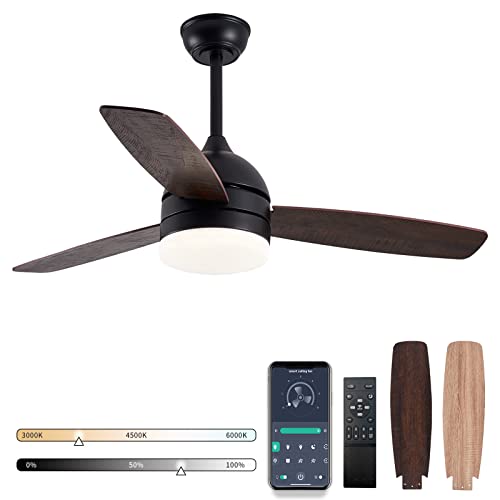
How to Make a Pull Chain Ceiling Fan Smart Easily

How to make a pull chain ceiling fan smart keeps popping up for one simple reason. Nobody enjoys getting up half-asleep just to yank a chain hanging over the bed. That tiny inconvenience starts feeling bigger over time, especially in rooms where airflow changes constantly throughout the day. A smarter setup adds comfort, better energy control, and smoother daily routines without tearing apart the ceiling.
Older ceiling fans still work perfectly fine in many homes, but the controls often feel stuck in another decade. Pull chains break, jam, or swing awkwardly behind blades and light fixtures. Smart upgrades solve those annoying little moments while keeping the fan itself intact. That balance matters because replacing an entire ceiling fan can turn into an expensive headache fast.
Most people aren't looking for complicated electrical projects either. They want something practical that works with voice assistants, schedules, or phone apps without calling an electrician every weekend. That's why smart fan controllers, smart switches, and universal remote kits have become such a popular fix. Some setups take only a few minutes, while others need a little patience and careful wiring.
Compatibility causes the biggest frustration. Plenty of smart devices claim they'll work with any fan, then suddenly certain speeds stop responding or the light flickers nonstop. A reliable setup depends on checking motor compatibility, wall switch types, and wireless signal stability before buying anything. Small details like neutral wires or receiver space inside the canopy can completely change the installation process.
Voice control changes the experience more than most people expect. Saying “turn the fan down” while cooking dinner or lying in bed feels surprisingly convenient once it becomes part of daily life. Smart scheduling also helps maintain more stable room temperatures throughout the day, especially during warmer months when airflow constantly needs adjusting. Those tiny automations quietly make the house feel more comfortable without much effort.
Some homeowners hesitate because they think smart upgrades will ruin the fan's appearance. Thankfully, many smart modules stay hidden inside the fan canopy or replace existing wall switches without adding bulky gadgets everywhere. That cleaner look matters in bedrooms, living rooms, and smaller apartments where clutter already builds up fast. Nobody wants a sleek ceiling fan paired with an awkward plastic controller taped to the wall.
How to make a pull chain ceiling fan smart also matters for people trying to cut unnecessary power usage. Smart timers and automation routines prevent fans from running all day by accident. That extra control can reduce wasted electricity while keeping rooms comfortable exactly when needed. It's one of those upgrades that quietly pays off over time without demanding constant attention.
Noise problems sometimes appear after rushed installations, especially with cheap universal controllers. Buzzing motors, delayed responses, or unstable Wi-Fi signals can turn excitement into frustration overnight. Careful product selection makes a massive difference here because ceiling fans rely on consistent motor communication. A slightly better controller usually avoids countless future headaches.
Convenience aside, smart fan control simply fits modern living better. Daily routines already revolve around phones, voice assistants, and automation in lighting or security systems. Ceiling fans naturally become part of that connected setup once smart controls are added properly. The result feels smoother, cleaner, and honestly a lot less annoying than wrestling with dangling pull chains every day.

- LFR Score9.6
LFR Score is a ranking system developed by lightfansreviews.com. LFR Score has no relationship or impact from any manufacturers or sales agent websites. Learn more
- BrandHUAXRUI

- LFR Score9.6
LFR Score is a ranking system developed by lightfansreviews.com. LFR Score has no relationship or impact from any manufacturers or sales agent websites. Learn more
- BrandAkahttbn

- LFR Score9.4
LFR Score is a ranking system developed by lightfansreviews.com. LFR Score has no relationship or impact from any manufacturers or sales agent websites. Learn more
- BrandAoprofree

- LFR Score9.2
LFR Score is a ranking system developed by lightfansreviews.com. LFR Score has no relationship or impact from any manufacturers or sales agent websites. Learn more
- BrandBsentster

- LFR Score9.2
LFR Score is a ranking system developed by lightfansreviews.com. LFR Score has no relationship or impact from any manufacturers or sales agent websites. Learn more
- BrandAoprofree
- LFR Score9.0
LFR Score is a ranking system developed by lightfansreviews.com. LFR Score has no relationship or impact from any manufacturers or sales agent websites. Learn more
- BrandBsentster
- LFR Score8.8
LFR Score is a ranking system developed by lightfansreviews.com. LFR Score has no relationship or impact from any manufacturers or sales agent websites. Learn more
- BrandYukiHalu

- LFR Score8.0
LFR Score is a ranking system developed by lightfansreviews.com. LFR Score has no relationship or impact from any manufacturers or sales agent websites. Learn more
- BrandPrichor
- LFR Score7.8
LFR Score is a ranking system developed by lightfansreviews.com. LFR Score has no relationship or impact from any manufacturers or sales agent websites. Learn more
- BrandCeilingBreeze
Last update on 2026-05-19 / Affiliate links / Images, Product Titles, and Product Highlights from Amazon Product Advertising API
How To Make A Pull Chain Ceiling Fan Smart
A dangling chain feels harmless until it becomes the one thing you keep reaching for at the worst possible time. The room gets stuffy, the bed feels too comfortable to leave, and the fan speed is never quite right. That is where how to make a pull chain ceiling fan smart starts to make real sense, not as a flashy upgrade, but as a practical fix for daily comfort, better control, and fewer tiny annoyances.
Smart Fan Basics
A pull chain fan can usually become smart without replacing the whole fixture, which is good news if the fan still runs smoothly. The smartest route depends on how the fan is wired, whether it has a light kit, and how much control you want from your phone or voice assistant. Some setups handle only on and off control, while better options manage fan speed and sometimes the light separately.
The first thing to sort out is the difference between a smart plug, a smart switch, and a fan control module. A smart plug rarely makes sense for a ceiling fan because most ceiling fans are hardwired into the ceiling box. A smart wall fan switch or in-canopy receiver usually gives a cleaner, safer, and more useful setup. That small distinction saves plenty of frustration before money gets spent.
Pull chains still matter after the upgrade, at least during setup. The fan usually needs to be left on the highest speed at the chain so the smart controller can regulate speed properly. If the chain is set too low, the smart control may feel weak or inconsistent. That one little detail can make the difference between a smooth upgrade and a fan that acts like it has a mind of its own.
A smart ceiling fan conversion should feel boring in the best way. Tap the app, ask the voice assistant, set a schedule, and the fan responds without drama. The real win is reliable control, not another gadget that needs constant babysitting. Nobody wants a ceiling fan that disconnects every other Tuesday.
Pick The Right Smart Control
The best smart control depends on what is already inside the wall and ceiling. Many smart fan switches need a neutral wire, which is common in newer homes but not guaranteed in older rooms. If the switch box only has a hot wire and a load wire, choices become narrower. Checking the wiring first keeps the project from turning into a late-night hardware store run.
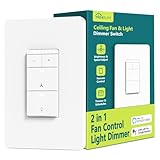
A wall-mounted smart fan switch feels familiar because it replaces the standard switch already on the wall. It can control speed through buttons, an app, and voice commands, which makes it a neat option for bedrooms and living rooms. The catch is that it only works well if the wall switch already controls the fan motor, not just the light. That wiring setup matters more than the brand name on the box.
An in-canopy smart receiver hides inside the fan canopy near the ceiling. This route works well for fans controlled mainly by pull chains because the receiver sits between house power and the fan motor. The upside is clean appearance and separate control for fan and light on many models. The downside is space, since some canopies are tight and crowded with wire nuts already.
Smart bulbs can help only with the light portion, not the fan motor. That means a smart bulb may let you dim or schedule the light, but the fan still needs chain control unless another device is added. For a more complete setup, pair smart lighting control with a proper fan speed controller. To handle another home lighting job safely, compare the steps in how to remove led recessed light before touching recessed fixtures in nearby rooms.
Check Wiring Before Buying
Wiring decides the whole plan, so it deserves a careful look before ordering anything. Turn off power at the breaker, confirm the switch is dead with a voltage tester, and remove the wall plate only after the circuit is safe. A smart fan switch may need line, load, neutral, and ground connections. Missing one of those can limit your options fast.
Older homes can be a mixed bag. Some rooms have a switch loop with no neutral wire in the wall box, which makes many smart switches unusable without extra wiring. That does not automatically kill the upgrade, though. An in-canopy module may still work because the ceiling box often has the neutral connection needed for the receiver.
Separate wall switches for the fan and light make things easier. One smart fan control can handle the motor, while a smart dimmer or smart switch handles the light. A single switch feeding both fan and light can still be upgraded, but the device must support dual control if you want separate commands. Otherwise, the fan and light may turn on together like an old-school setup.
Safety deserves a firm line here. Ceiling fan controls are not the same as regular light dimmers, and using the wrong dimmer can cause humming, heat, or motor damage. A controller must be rated for ceiling fan motor loads, not just lighting. For an unrelated dashboard warning issue, use how to turn off passenger airbag light instead of treating vehicle indicator lights like home electrical problems.
Keep Fan Speed Predictable
Fan speed control is where cheap shortcuts often show their flaws. A basic smart switch may only turn the fan on and off, which is fine for some rooms but not enough for people who adjust airflow often. A real smart fan controller gives multiple speed settings and keeps the motor running more consistently. That is the difference between smart power and smart comfort.
The pull chain should usually stay set to high after the controller is installed. The smart device then reduces the speed electronically through its own settings. If someone changes the pull chain later, the app may show high speed while the fan barely moves. A small label near the chain or a quick household reminder can prevent that little mystery.
Ceiling height also changes how smart control feels in daily use. A fan mounted high above a living room or vaulted ceiling is exactly the kind of fixture that gets annoying to adjust manually. Upgrade your airflow planning with best ceiling fans high ceilings if the room needs stronger circulation before adding smart controls. A smart controller helps, but it cannot fix an undersized fan struggling in a tall space.
Some fans have capacitor-based speed controls, and not every smart controller plays nicely with every motor. Buzzing, uneven speed steps, or delayed startup can show up when compatibility is poor. Look for controllers made specifically for AC ceiling fans if your fan uses a traditional motor. DC motor fans often need their original remote system, so replacement control options can be more limited.
Connect Apps And Voice Control
App setup should be simple, but Wi-Fi quirks can make it feel fussy. Most smart fan devices use 2.4 GHz Wi-Fi because it reaches farther through walls and ceilings than 5 GHz. If the router combines both bands under one network name, pairing can sometimes stumble. A strong 2.4 GHz signal near the fan keeps commands snappy and dependable.
Voice control works best after the fan speeds are named clearly in the app. Simple labels like low, medium, high, and off reduce confusion for Alexa, Google Assistant, or Siri-based setups. Room names matter too, especially if several smart devices live in the same space. “Bedroom fan” beats a weird default device name that sounds like a router password.
Schedules turn the upgrade from convenient to genuinely useful. Set the fan to run low during warm evenings, shut off after bedtime, or start before a room usually gets stuffy. That kind of automation helps prevent the fan from running all day by accident. It also keeps comfort steady without constant tapping and talking.
Voice commands are not flawless, and that is worth saying out loud. Internet outages, app updates, or a weak signal can occasionally break the fancy stuff. A good setup still gives you manual control at the wall or remote, so the fan remains usable even when the smart side acts cranky. Smart should never mean helpless.
Avoid Common Upgrade Mistakes
The biggest mistake is buying a smart light switch and assuming it can control a fan. Fan motors need controls designed for motor loads, while many light switches are built only for bulbs. That mismatch can create humming or shorten the life of the fan. The label should clearly mention ceiling fan control, not just smart lighting.
Another common slip is ignoring the light kit. A fan with a built-in light may need separate control if you want the fan and light to behave independently. Some smart modules support both, while others only control the motor. Matching the device to the actual fixture avoids the annoying surprise of losing separate light control.
Canopy space can also trip people up. Older fans sometimes have shallow canopies with very little room for a receiver module and wiring. Stuffing everything inside too tightly can pinch wires or make the canopy hard to close. A compact receiver, tidy wire folding, and careful placement make the installation safer and cleaner.
Smart home ecosystems deserve a quick check before purchase. A controller that works with Alexa may not support Apple Home, and some devices need a separate hub. That is not a dealbreaker, but it changes the final cost and setup time. Matching the controller to your existing smart home platform keeps the fan from becoming the odd device out.
Best Smart Setup For Pull Chain Ceiling Fans
A smart ceiling fan upgrade sounds exciting right up until the app disconnects, the speeds stop responding, or the fan hums like an old refrigerator. Plenty of people start with high expectations and end up annoyed because the setup never matched the room, the wiring, or the fan motor itself. A smoother experience usually comes from focusing on compatibility, stable control, and realistic expectations instead of chasing every flashy smart feature.
Build A Reliable Daily Setup
The smartest ceiling fan setup is often the simplest one. A stable app, dependable speed control, and quick manual access matter far more than endless automation tricks nobody actually uses after the first week. Bedroom fans especially benefit from consistent response times because delayed controls become irritating fast during hot nights. Reliability keeps the smart upgrade feeling helpful instead of distracting.
Wall switches tend to feel more natural for everyday use than phone-only systems. Family members, guests, and kids can still control the fan without needing apps or account logins. That small convenience prevents constant confusion around basic tasks like adjusting speed or shutting off the light. A proper wall control setup keeps the room functional even if the Wi-Fi decides to misbehave.
Voice assistants help most during moments when hands are busy. Cooking dinner, carrying laundry, or trying to settle into bed feels easier when airflow changes happen with a quick command. The difference sounds minor at first, but those tiny moments stack up over time. Smart fan control quietly removes friction from routines people repeat every day.
Lighting also changes the overall feel of the room after smart upgrades. Fans paired with warm balanced lighting often create a more comfortable atmosphere during evening hours, especially in bedrooms or reading spaces. Improve room lighting comfort with best natural spectrum lamp if the room still feels harsh or uneven after upgrading the fan controls.
Fix Weak WiFi Problems
Ceiling fans sit high on the ceiling where Wi-Fi signals sometimes weaken, especially in larger homes or rooms with thick walls. A smart fan controller cannot respond smoothly if the signal barely reaches the receiver. Delayed commands, dropped connections, and random offline notifications usually trace back to weak coverage instead of defective hardware. Better wireless stability often solves more issues than replacing the smart controller itself.
Mesh Wi-Fi systems help in homes where dead zones already affect phones and streaming devices. A stronger signal near the ceiling improves response times and reduces disconnects during app updates or voice commands. That matters because smart fans rely heavily on stable communication between the router and controller. A weak connection turns simple tasks into a daily annoyance.
Router placement matters more than people expect. Tucking the router behind furniture or inside cabinets can weaken coverage in upper corners of the room where the fan receiver sits. Moving the router slightly higher or more centrally sometimes fixes smart fan issues immediately. Small changes often produce surprisingly noticeable improvements.
Too many smart devices on one crowded network can also create delays. Budget routers may struggle when cameras, TVs, lights, speakers, and smart plugs all compete for bandwidth at once. Ceiling fans do not use much data, but they still need steady communication. A cleaner network setup keeps automation, voice commands, and app control feeling responsive instead of sluggish.
Handle Capacitor And Motor Issues
Older pull chain ceiling fans sometimes hide worn capacitors behind what looks like a smart control problem. The fan may start slowly, refuse certain speeds, or hum loudly after a smart controller gets installed. In many cases, the smart device simply exposes issues already building inside the motor system. That is why basic fan health matters before adding advanced controls.
Capacitors regulate fan speed and startup behavior in many AC ceiling fans. A weak capacitor can create inconsistent airflow even if the app and wiring appear correct. Replacing a failing capacitor often restores smooth operation and steadier speed control. Ignoring it usually leads to more frustration later.
Some homeowners try bypassing damaged capacitors temporarily to troubleshoot strange speed behavior. That process requires caution because incorrect wiring can damage the fan motor or reduce safe operation. Learn the risks and wiring considerations through how to bypass ceiling fan capacitor before touching internal fan components. Ceiling fan motors are less forgiving than people expect.
Motor noise deserves attention too. Cheap smart dimmers mistakenly connected to fans can create buzzing sounds or heat buildup over time. A controller designed specifically for ceiling fan motors keeps speeds smoother and reduces electrical strain. Quiet operation becomes especially important in bedrooms where even mild humming grows irritating after midnight.
Create Smarter Cooling Routines
Smart scheduling helps ceiling fans feel more useful without constant adjustment. Running the fan on low during sleeping hours and medium during warmer afternoons creates steadier airflow throughout the day. Small automations like that improve comfort while reducing unnecessary power usage. A little planning often matters more than complicated smart scenes nobody remembers to use.
Seasonal changes affect airflow needs more than people realize. Summer usually calls for counterclockwise blade rotation to push air downward, while winter often benefits from slower clockwise rotation that circulates warm air gently. Smart reminders or seasonal schedules help prevent forgetting those adjustments. Better airflow balance can make rooms feel more comfortable without touching the thermostat constantly.
Humidity also changes how ceiling fans feel in daily use. Sticky rooms often need stronger airflow during evenings, especially in bathrooms, kitchens, or smaller bedrooms with limited ventilation. Smart fan timers help reduce that stale heavy feeling without leaving the fan running all night. Controlled airflow keeps rooms fresher while avoiding wasted electricity.
Noise tolerance varies by room too. A stronger airflow setting may feel fine in a living room but become irritating in a nursery or bedroom. Smart controls allow faster adjustments without standing under spinning blades pulling chains repeatedly. That flexibility gives people more control over comfort, noise balance, and daily routines.
Keep Smart Controls Easy To Maintain
Smart ceiling fan systems last longer when the setup stays simple and organized. Labeling breakers, keeping app passwords stored safely, and saving installation instructions prevent future headaches during resets or troubleshooting. Tiny preparation steps feel boring at first, but they become valuable months later. Organized systems are easier to maintain during app updates or device replacements.
Dust buildup around fan motors and blades can also affect performance over time. A struggling fan motor may appear slow or unstable even though the smart controller is functioning correctly. Regular cleaning improves airflow while reducing unnecessary strain on the motor. Cleaner blades also reduce wobbling that sometimes gets mistaken for electrical issues.
Battery-powered remotes deserve occasional attention too. Weak batteries can create delayed response times that look like Wi-Fi problems even though the network is perfectly fine. Replacing remote batteries every so often helps maintain smoother communication with receiver modules. Consistent remote performance keeps the whole system feeling reliable.
Firmware updates occasionally improve smart fan stability, but updates should not happen blindly. Reading update notes first helps avoid installing buggy releases that break existing automations or voice assistant connections. Stable performance matters more than chasing every tiny feature addition. A smart ceiling fan setup should quietly support daily comfort instead of demanding nonstop troubleshooting.


Best Small Flush Mount Ceiling Fans 2026 Ultimate Picks

Best Smart Ceiling Fan India 2026 For Effortless Comfort

Best Smart Ceiling Fans with Lights for 2026: Top Picks

Best Smart Home Non Ceiling Fans 2026 For Ultimate Comfort

Best Outdoor Misting Ceiling Fan 2026 For Ultimate Comfort

Best Outdoor Ceiling Fans For Porch 2026 With Style And Breeze

Best Smart Bulb For Ceiling Fan 2026 That Brightens Life
Best Smart Ceiling Fan Control 2026 For Effortless Comfort