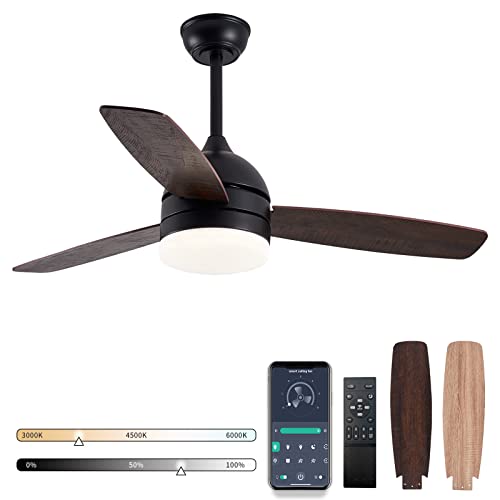
How To Make Ceiling Fan LED Light Brighter Fast

How To Make Ceiling Fan LED Light Brighter keeps popping up for one simple reason: dim lighting gets irritating fast. A room can look clean, freshly painted, and fully decorated, yet the whole space still feels gloomy because the ceiling fan light barely pushes enough brightness across the room. That weak glow becomes even more frustrating during late evenings, cloudy afternoons, or busy mornings when clear visibility actually matters. Nobody wants to squint while cooking dinner, folding laundry, reading paperwork, or relaxing after a long day.
Many ceiling fan lights struggle because of a mix of small issues piling together. Low-lumen bulbs, dusty covers, tinted glass shades, aging LED modules, and incompatible dimmer switches quietly drag down performance over time. Sometimes the fixture itself traps light instead of spreading it efficiently. Other times, the bulb technically works fine, but the room layout absorbs brightness like a sponge. Dark wall paint, heavy furniture, thick curtains, and low-quality diffusers can make a decent bulb feel surprisingly weak.
Brightness doesn't always require a full fixture replacement either, and that's where things get interesting. A simple bulb upgrade with higher lumen output often changes the entire atmosphere almost overnight. Switching from warm yellow tones to daylight LEDs can sharpen visibility dramatically without increasing energy bills too much. Also, cleaning the light cover sounds painfully basic, yet accumulated dust and haze can block a shocking amount of illumination. Funny enough, many people spend money replacing fixtures before trying these smaller fixes first.
Heat management also plays a sneaky role in LED performance. Poor airflow inside enclosed fan light kits can reduce brightness over time because LEDs naturally dim as internal temperatures rise. Better ventilation and compatible bulb sizing help maintain stronger, more stable light output. Some fan models even limit bulb wattage in ways that leave rooms feeling half-lit unless the right LED technology is used. That's why understanding fixture compatibility matters just as much as raw brightness numbers.
How To Make Ceiling Fan LED Light Brighter also connects closely with comfort and mood. Dim rooms can feel cramped, sleepy, and oddly uninviting even when everything else looks fine. Brighter lighting improves visibility for hobbies, remote work, meal prep, and everyday routines without making the space feel harsh or clinical. The trick is balancing stronger illumination with softer diffusion so the room feels welcoming instead of glaring.
Color temperature matters more than most people expect. Soft white bulbs create cozy lighting, but they sometimes make larger rooms feel darker than they really are. Daylight or cool white LEDs often reflect better across walls and ceilings, creating the illusion of a larger, cleaner, and brighter area. Then again, overly cool lighting can feel uncomfortable in bedrooms or relaxing spaces. Finding that sweet spot takes a little experimenting, but the payoff is absolutely worth it.
Electrical compatibility can quietly sabotage lighting performance too. Older dimmer switches frequently clash with modern LED bulbs, causing flickering, inconsistent brightness, or reduced light output. Replacing outdated controls with LED-compatible dimmers usually improves stability right away. Loose wiring connections or aging sockets may also limit consistent power delivery. Small electrical upgrades sometimes create bigger brightness improvements than replacing the bulb itself.
Room placement changes everything as well. Ceiling fans installed in large open spaces often struggle because a single compact LED module simply can't distribute enough light evenly. Layered lighting helps fill dark corners and reduces that annoying spotlight effect directly beneath the fan. Combining ceiling fan lighting with wall sconces, floor lamps, or recessed lighting creates a smoother, more comfortable environment. Strong lighting isn't just about intensity. It's about coverage, balance, and how the room actually feels once the lights come on.

- LFR Score9.6
LFR Score is a ranking system developed by lightfansreviews.com. LFR Score has no relationship or impact from any manufacturers or sales agent websites. Learn more
- BrandHAOLEDI

- LFR Score9.0
LFR Score is a ranking system developed by lightfansreviews.com. LFR Score has no relationship or impact from any manufacturers or sales agent websites. Learn more
- BrandHAOLEDI

- LFR Score8.8
LFR Score is a ranking system developed by lightfansreviews.com. LFR Score has no relationship or impact from any manufacturers or sales agent websites. Learn more
- BrandLedytech

- LFR Score8.8
LFR Score is a ranking system developed by lightfansreviews.com. LFR Score has no relationship or impact from any manufacturers or sales agent websites. Learn more
- BrandLustaled

- LFR Score8.8
LFR Score is a ranking system developed by lightfansreviews.com. LFR Score has no relationship or impact from any manufacturers or sales agent websites. Learn more
- BrandHAOLEDI

- LFR Score8.8
LFR Score is a ranking system developed by lightfansreviews.com. LFR Score has no relationship or impact from any manufacturers or sales agent websites. Learn more
- BrandHyoquilex

- LFR Score8.6
LFR Score is a ranking system developed by lightfansreviews.com. LFR Score has no relationship or impact from any manufacturers or sales agent websites. Learn more
- BrandLedytech
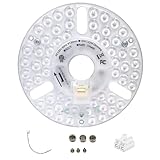
DPXMYG 5" LED Ceiling Fan Light Retrofit Kit,18W,5CCT 3000K/3500K/4000K/5000K/6000K Adjustable,120VAC
View on Amazon- LFR Score8.6
LFR Score is a ranking system developed by lightfansreviews.com. LFR Score has no relationship or impact from any manufacturers or sales agent websites. Learn more
- BrandDPXMYG
- LFR Score8.4
LFR Score is a ranking system developed by lightfansreviews.com. LFR Score has no relationship or impact from any manufacturers or sales agent websites. Learn more
- BrandAUPRUN

- LFR Score8.2
LFR Score is a ranking system developed by lightfansreviews.com. LFR Score has no relationship or impact from any manufacturers or sales agent websites. Learn more
- BrandMomolumen
Last update on 2026-05-19 / Affiliate links / Images, Product Titles, and Product Highlights from Amazon Product Advertising API
How To Make Ceiling Fan LED Light Brighter
A room can feel oddly gloomy even after the fan light is switched on, and yep, that gets old fast. The fixture may be spinning just fine, but the light below it can leave countertops, reading chairs, and corners stuck in a weak gray wash. That is where how to make ceiling fan led light brighter becomes less of a tiny fix and more of a comfort upgrade. Better brightness starts with the simple stuff: higher lumen output, cleaner covers, the right color temperature, and a fixture setup that lets the light spread instead of hiding inside the shade.
Ceiling Fan Light Fixes
Ceiling fan lights often look weaker than expected because the fixture sits in the center of the room but throws light in a limited pattern. A small LED module or low-lumen bulb can make the fan look modern while still leaving the room feeling dim. The first move is checking the bulb or LED kit for its actual lumen rating, not just the wattage. Watts tell you energy use, while lumens tell you brightness, and that difference matters a lot.
Plenty of older ceiling fan light kits were designed around incandescent bulbs, so the socket may have a wattage cap that feels limiting at first glance. LED bulbs solve part of that problem because they produce more light with less energy draw. A fixture that once used a 60-watt incandescent bulb may support an LED that gives far brighter visible light while staying within safe power limits. Still, the bulb must match the fixture’s size, base type, and enclosure rating.
How to make ceiling fan led light brighter also depends on the shade or cover around the bulb. Frosted glass softens glare, which feels pleasant, but thick or amber-tinted glass can block a surprising amount of light. A dusty dome can make a bright bulb look tired. Give the cover a careful wash, dry it fully, then check the room again before buying anything new.
Ceiling height plays a sneaky role too. A flush-mount fan in a low room spreads light differently from a downrod fan in a taller space. If the light sits too high or points upward through a dense diffuser, the room may never feel evenly lit. That does not mean the fan is bad. It means light direction and room layout need the same attention as bulb strength.
Check Lumens Before Replacing Anything
The fastest way to improve brightness is usually a bulb swap, but grabbing the brightest-looking package at the store can backfire. Some LED bulbs are bright on paper yet perform poorly inside enclosed fan globes because heat builds up around them. Look for bulbs labeled for enclosed fixtures if your fan uses a glass dome or tight shade. That one detail can help prevent early dimming, flickering, or uneven output.
A living room or bedroom usually needs different brightness than a laundry area, kitchen corner, or home office. Soft mood lighting feels nice at night, but it can be useless for cleaning, folding clothes, or reading labels. A higher-lumen LED makes sense for task-heavy rooms, while a moderate lumen bulb may be better where comfort matters more than sharp visibility. The goal is usable brightness, not a ceiling spotlight that makes everyone squint.
Color temperature changes the way brightness feels. Warm white can look cozy but sometimes dull, especially with beige walls, brown furniture, or darker flooring. Cool white and daylight LEDs often make a room feel cleaner and clearer because the light has a crisper tone. The tradeoff is real though: daylight bulbs may feel too sharp in bedrooms or relaxing spaces if the fixture has little diffusion.
Some ceiling fans use integrated LED panels instead of replaceable bulbs. In that case, brightness upgrades may involve replacing the LED module, driver, or entire light kit. A failing LED driver can cause weak output even when the LEDs themselves still turn on. If the fan light used to be brighter and slowly faded, aging components may be part of the problem.
Clean The Cover And Free The Light
Dust is boring, but it steals brightness like a thief in socks. Ceiling fan light covers collect grime, cooking residue, pollen, and fine dust that slowly dull the glow. A glass shade can look clean from the floor while still carrying a cloudy film on the inside. Cleaning the cover is one of the cheapest fixes for brighter ceiling fan lighting.
Turn off the power, let the bulb cool, then remove the cover carefully. Wash glass shades with mild dish soap and warm water, then dry them with a lint-free cloth so streaks do not scatter the light. Plastic diffusers need gentler handling because abrasive cleaners can scratch the surface and make the light look hazier later. A clean diffuser helps the bulb throw light outward instead of trapping it.
Fan blades can affect perceived brightness too. Dark blades near the light kit absorb more light than white or pale wood finishes. Dust on the top of blades also reflects poorly and can make the whole fixture look dingy. While cleaning the cover, wipe the blades and motor housing so the entire area around the light looks fresher.
This fix works especially well in kitchens, dining spaces, and rooms near open windows. Grease and humidity cling to glass in thin layers, and that buildup can reduce light clarity over time. It is not glamorous, sure, but it often makes the room feel noticeably brighter without changing a single electrical part.
Use The Right LED Color Temperature
Brightness is not only about power. The color of the light shapes how the room feels, how surfaces reflect, and how easily your eyes pick up detail. A warm 2700K bulb can make a bedroom feel calm, but it may make a work area look muddy. A 4000K bulb often gives a cleaner, neutral look that improves visual clarity without feeling as cold as harsh daylight.
Rooms with plants, shelves, and darker corners need thoughtful color balance. Too warm, and green leaves can look dull. Too cool, and the space can feel a bit like a garage. For plant shelves or indoor greenery near the fan, stronger ceiling light will not replace proper grow lighting, but it can help the room feel less shadowy. For photo setups or content corners, compare lighting needs with best led lights for photography so the ceiling fan is not doing a job better suited to dedicated light panels.
How to make ceiling fan led light brighter often means choosing a bulb that matches how the room is actually used. A family room may benefit from a soft white LED with higher lumens. A craft table or laundry nook may feel better with neutral white. A small bedroom might need better diffusion more than a cooler bulb, especially if the fixture sits directly overhead.
Color rendering also matters. Some cheap LED bulbs make colors look flat or slightly off, even if the room seems bright enough. Look for a decent CRI rating if the space is used for makeup, clothing, plant care, photography, or detail work. Better color quality does not always mean more brightness, but it makes the available light feel cleaner and more useful.
Fix Dimmer And Remote Problems
A dim ceiling fan LED is sometimes caused by the switch, remote receiver, or control module rather than the bulb. Older dimmer switches were often built for incandescent lighting, and they can behave badly with LEDs. Symptoms include flickering, buzzing, limited brightness, delayed response, or a bulb that never reaches full output. Replacing the control with an LED-compatible dimmer can make the light steadier and brighter.
Remote-controlled fans add another layer. The receiver inside the canopy may limit voltage to the light kit, especially if it is aging or not designed for newer LED bulbs. A weak receiver can make a good bulb act like a tired one. If the fan light is brighter when bypassing a control, the issue likely sits in the control path, not the bulb.
Wall switches with built-in fan speed controls should also be checked. Some combo controls are not meant to dim LED lights, and using the wrong type can shorten bulb life or create inconsistent brightness. The fan motor and light should be controlled in a way that matches the manufacturer’s wiring plan. Guessing with electrical controls is not worth it, especially if the fixture flickers or smells warm.
Loose connections can reduce performance too. A slightly loose bulb, worn socket tab, or aging wire nut inside the light kit may cause dim output. Power should be turned off before anything is inspected. If wiring looks damaged, scorched, or confusing, bring in a qualified electrician because safe brightness beats risky brightness every single time.
Improve Light Spread Across The Room
A brighter bulb can still disappoint if the light points in the wrong direction. Many ceiling fan light kits push light downward through a bowl or sideways through small shades. That pattern may brighten the center of the room while leaving walls and corners dim. Better light spread helps the room feel brighter even without maxing out the bulb.
Glass style matters here. Clear glass throws sharper light but can cause glare. Frosted glass softens the beam and makes the room feel more even, though it may reduce raw brightness. Amber, smoked, or heavily textured shades look stylish but often steal brightness. Swapping a dark shade for a clearer or lighter diffuser can be a practical upgrade.
Fan design can also influence how open the fixture feels. A bulky motor housing or decorative cage may block part of the light path. Sleeker fan designs often leave more room for light distribution, especially in compact spaces. If airflow and lighting both feel weak, compare fixture styles with best 3 blade ceiling fan before assuming the light kit alone is the problem.
Room surfaces matter more than people expect. White ceilings, pale walls, mirrors, and lighter curtains bounce light around the space. Dark paint, matte finishes, heavy drapes, and tall furniture soak it up. A ceiling fan light can only do so much if the room is full of light-absorbing surfaces, so reflection and placement deserve a hard look.
Know The Limits Of Ceiling Fan Lighting
Ceiling fan LEDs are convenient, but they are rarely the best single light source for every room. The fixture sits in the middle of the ceiling because the fan needs balance, not because the light lands perfectly everywhere. A single overhead source can create shadows under cabinets, behind chairs, and near walls. That is why layered lighting often feels better than chasing the brightest bulb possible.
Task lighting fills the gaps. A floor lamp beside a reading chair, an under-cabinet strip in the kitchen, or a small desk lamp can make daily routines easier without overloading the fan fixture. The fan light should handle general brightness, while other lights support specific jobs. This setup feels more comfortable because each light has a clear role.
There is also a glare limit. Push a ceiling fan bulb too bright in a low room, and the space may feel harsh rather than comfortable. People notice glare quickly, especially while lying in bed or looking up from a sofa. A brighter bulb with better diffusion usually beats a bare, intense bulb that shines straight into the eyes.
Some rooms need a separate lighting plan altogether. Large living rooms, long bedrooms, vaulted ceilings, and open layouts can overwhelm a basic fan light kit. In those cases, upgrading the fan LED helps, but it may not solve every shadow. Realistic expectations save money because you can fix the weak spot instead of replacing parts that were never meant to light the whole room alone.
Match Brightness To Real Daily Use
Start with the routine that bothers you most. Maybe the room feels dim while reading seed packets, sorting laundry, trimming houseplants, or checking soil moisture in the evening. Those tiny frustrations point to the real lighting need better than any package label. How to make ceiling fan led light brighter should begin with the task, not the fixture.
Plant care is a good example. A brighter ceiling fan light may help you see yellowing leaves, dry soil, or pest marks more easily, but it will not replace targeted plant lighting for sun-hungry herbs or seedlings. Still, cleaner general lighting makes plant maintenance less annoying after work. For a separate self-care setup outside the ceiling fan topic, explore best red light therapy for cellulite if skin-focused light devices are also on your radar.
Small bedrooms often need warmer comfort, while kitchens and utility rooms usually need clearer visibility. A child’s room may need softer light at night but stronger light for cleanup. A rental may limit fixture changes, so bulb selection and shade cleaning become the safest moves. Each room has its own brightness tradeoff, and treating them the same usually leads to disappointment.
Test changes one at a time. Clean the cover first, then try a higher-lumen enclosed-rated LED, then adjust color temperature if the room still feels dull. This slow approach prevents wasted purchases and makes the real cause easier to spot. A brighter ceiling fan light is not about throwing random upgrades at the fixture. It is about removing the little bottlenecks that keep good light from reaching the room.
How To Make Ceiling Fan LED Light Brighter Without Replacing The Fan
A weak fan light can make a room feel unfinished, even after you’ve already swapped bulbs, wiped the shade, and checked the remote twice. The good news is that how to make ceiling fan led light brighter often comes down to fixing the hidden bottlenecks around the fixture, not tearing the whole fan down. Small details like electrical load, bulb shape, shade material, room color, and control compatibility can quietly decide whether the light feels crisp or disappointing. Fix those pieces in the right order, and the room starts feeling easier to use without turning harsh or clinical.
Check The Fixture’s Electrical Limits
Ceiling fan lighting has limits, and ignoring them can create more problems than dimness. Every fan light kit has a safe rating for bulbs, sockets, wiring, and heat buildup. A stronger LED may use fewer watts than an old incandescent bulb, but the fixture still needs enough room for heat to escape. Safe brightness should always come before chasing the highest number on a bulb box.
Amps matter more than many people expect, especially in rooms where one circuit handles several lights, outlets, and the fan. A ceiling fan usually does not draw huge power, but overloaded circuits can still cause annoying performance issues. If the fan light dims when other appliances turn on, the circuit may need a closer look. For a practical electrical reference, compare your setup with how many amps is a ceiling fan before assuming the bulb is the only weak link.
LED drivers also affect brightness. Integrated LED fans use small electronic components to regulate power, and those parts can weaken over time. The light may still turn on, but it can look dull, flicker, or fade after warming up. Replacing the driver or light module may restore brightness better than swapping switches or covers.
A loose socket can create the same kind of headache. The bulb may sit slightly off contact, giving weak or unstable light. Power should be shut off before checking anything inside the light kit. Burn marks, brittle wiring, or a hot plastic smell are not “wait and see” problems because electrical safety matters more than a brighter room.
Pick Bulb Shape With Purpose
Bulb shape changes how the light leaves the fixture. A standard A-shape LED may work well in an open shade but perform poorly inside a shallow dome. A compact globe bulb can fit better and spread light more evenly. Beam angle matters because a bright bulb aimed into the glass can still leave the room feeling patchy.
Some ceiling fan light kits use candelabra bulbs, and those small bases can limit your brightness choices. Higher-lumen candelabra LEDs exist, but not all of them fit inside narrow shades. Measure the available space before buying, especially if the glass cover twists close to the bulb. A bulb that touches or nearly touches the shade can trap heat and shorten its life.
Clear bulbs can look brighter because they throw sharper light, but they may create glare through open glass. Frosted bulbs spread light more gently and often feel better in bedrooms or sitting rooms. The tradeoff is that soft diffusion may slightly reduce the punch of the light. Comfortable brightness means balancing visibility with eye comfort.
Directional LEDs can be tricky in ceiling fans. If most of the light points downward, the center of the room may look bright while the walls stay dim. If the bulb throws light in all directions, the shade and ceiling can help bounce illumination around. For general room lighting, choose bulbs that support wide light distribution rather than narrow spotlight-style beams.
Adjust The Room Around The Light
The fan light is only one piece of the room. Dark walls, heavy curtains, matte furniture, and deep rugs absorb light before it has a chance to spread. A brighter bulb helps, but the room may still feel closed in if every surface swallows the glow. Reflective surfaces can make the same ceiling fan light feel noticeably stronger.
White or light-colored ceilings help bounce light back into the room. Pale curtains, lighter bedding, and glossy plant pots can also improve the way light travels. This does not mean every room needs to look plain or washed out. It simply means a few lighter surfaces near the fan can support better brightness coverage.
Plant shelves can create unexpected shadows too. Tall plants, hanging baskets, and dense foliage near the fan may block light from reaching corners or work surfaces. Move large leaves away from the direct light path if the room feels uneven. That small shift can help both the plants and the room feel less crowded.
Outdoor-style lighting habits sometimes creep indoors, especially in patios, sunrooms, and covered porches. A fan light in those spaces has to compete with shadows, screens, and evening darkness. To warm up chilly patio zones separately from ceiling fan brightness, compare best heat lamps outdoor before expecting one fan light to handle comfort and visibility at the same time.
Layer Extra Light Without Clutter
A ceiling fan LED should not have to carry the whole room by itself. One overhead fixture often creates shadows under cabinets, beside chairs, and around plant stands. Layered lighting fixes those dark spots without forcing the fan bulb to become painfully bright. Balanced lighting feels calmer and more useful than one harsh light blasting from the ceiling.
Floor lamps work well near reading chairs because they put light exactly where the eyes need it. A small table lamp can soften the corner of a bedroom while keeping the ceiling fan light moderate. Under-shelf lights help plant areas, seed trays, or small work zones without flooding the whole room. Each added light should solve a real problem, not just add more glow for no reason.
Rental spaces need especially careful fixes. Permanent wiring may be off-limits, but plug-in lamps, adhesive light strips, and brighter enclosed-rated bulbs can still improve daily comfort. Keep cords tidy and avoid overloading outlets. A clean setup makes lighting upgrades feel intentional instead of messy.
Open layouts usually need more than one light source. A ceiling fan may brighten the seating area but leave the dining table or plant corner dull. Instead of pushing the fan light harder, add focused lighting where the room actually falls short. That approach saves energy and reduces glare while giving each part of the room a job-friendly level of light.
Reduce Glare While Increasing Brightness
More brightness is not always better if the light hits your eyes directly. Low ceilings make this especially noticeable because the fan light sits close to the line of sight. A bare or clear bulb may look strong but feel uncomfortable while watching TV or lying in bed. Glare control keeps the room bright without making people avoid looking up.
Diffusers help spread light, but the material needs to be clean and not too dense. Milky glass can soften the glow nicely, while thick amber glass may make everything look dim and yellow. Swapping the shade can sometimes improve comfort and brightness at the same time. The best result usually comes from a light diffuser that softens sharp beams without blocking too much output.
Bulb placement inside the shade matters too. A bulb sitting too high may light the motor housing more than the room. A bulb sitting too low may create a bright hot spot directly underneath the fan. The right bulb size helps the light sit where the shade can distribute it properly.
Color temperature can reduce perceived glare as well. Cool daylight may look bright, but it can feel harsh in relaxing rooms. Neutral white often gives a cleaner look without the icy feel of very cool bulbs. Neutral brightness works especially well in rooms used for several things, like reading, folding laundry, caring for plants, and winding down at night.
Know When A Light Kit Upgrade Makes Sense
Some ceiling fan lights simply have limited output. Tiny integrated LED modules, shallow domes, and decorative shades can only do so much. After cleaning, bulb upgrades, dimmer checks, and room adjustments, the fixture may still feel underpowered. That is the point where a light kit upgrade starts making sense.
Replacement light kits can offer better lumen output, improved diffusion, or a more open design. Compatibility is the catch. The kit must match the fan brand, mounting style, wiring, and control system. A beautiful light kit that does not fit safely is just a headache in a box.
Integrated LED panels need a different mindset than screw-in bulbs. Some panels are replaceable, while others are tied closely to the fan’s electronics. Check the model information before buying parts. If the manufacturer does not offer a brighter module, replacing the whole light assembly may be the cleaner fix.
Cost matters too. If the fan motor is noisy, wobbly, outdated, or weak, spending money only on the light kit may not be smart. A newer fan with better airflow and brighter lighting might solve two problems at once. Still, for a fan that runs quietly and fits the room well, upgrading the LED light kit can stretch its usefulness without a full replacement.
Build A Simple Brightness Troubleshooting Order
Random fixes waste money. A better approach starts with the easiest checks and moves toward bigger upgrades only when needed. Clean the shade, wipe the blades, verify the bulb type, then check lumens and color temperature. This order helps reveal whether the problem is blocked light, weak output, or poor compatibility.
Next, test the controls. Try the fan light at full brightness from the wall switch and remote if both are available. Watch for flickering, buzzing, delayed startup, or brightness that changes after a few minutes. Those signs point toward dimmer mismatch, receiver issues, or driver trouble.
Then study the room. Look for dark finishes, bulky furniture, plant shelves, or curtains blocking reflected light. Move objects around before buying a new fixture. Sometimes the room needs better light placement, not a stronger ceiling bulb.
Last, consider hardware changes. A new enclosed-rated LED bulb, brighter compatible module, clearer shade, or upgraded light kit can make a real difference once the basics are handled. How to make ceiling fan led light brighter works best as a step-by-step process because each fix removes one small obstacle. By the time the right upgrade goes in, the light has a fair chance to do its job.


Best Small Flush Mount Ceiling Fans 2026 Ultimate Picks

Best Smart Ceiling Fan India 2026 For Effortless Comfort

Best Smart Ceiling Fans with Lights for 2026: Top Picks

Best Smart Home Non Ceiling Fans 2026 For Ultimate Comfort

Best Outdoor Misting Ceiling Fan 2026 For Ultimate Comfort

Best Outdoor Ceiling Fans For Porch 2026 With Style And Breeze

Best Smart Bulb For Ceiling Fan 2026 That Brightens Life
Best Smart Ceiling Fan Control 2026 For Effortless Comfort