How to Make Fluorescent Lights Less Harsh: Your Guide to Softer Illumination
Stepping into a world of soft, comfortable light is no longer a dream. Our guide on how to make fluorescent lights less harsh will lead you through simple steps to alter your lighting environment. Do you find yourself squinting under the stark brightness of fluorescent lights? Does the intense glow of your workspace lead to discomfort or headaches? Fear not. With our straightforward solutions, you can transform harsh fluorescent lighting into a warm, relaxing aura. You'll learn not only how to adjust the brightness, but also how to modify the color spectrum of your lighting for an altogether soothing experience. This guide is your key to unlock the secret of a calmer and more productive lighting environment.
Taming the Intensity: Mitigating Harshness of Fluorescent Lights
Fluorescent lighting is popular due to its energy efficiency and longevity, but its harshness can be problematic. The intense, cold light can cause discomfort and even aggravate certain health conditions like migraines. Therefore, how to make fluorescent lights less harsh becomes a key concern for both home and office users. The solution lies in adjusting the light's intensity, color, and distribution, and it doesn't always mean replacing the fixture.
Firstly, modifying the intensity of light is a direct way to soften harsh fluorescent lighting. Using a dimmer switch, which is often compatible with many fluorescent lights, allows for adjusting the brightness according to personal comfort. Keep in mind, however, that not all fluorescent lights are dimmable. So, it's essential to check the light's compatibility with dimmers beforehand.
The second approach is by changing the light's color. Fluorescent lights emit a cold, white light that is high in blue wavelengths, which can be hard on the eyes. By replacing the tubes with those that emit warm light, one can recreate the soft, yellowish glow of incandescent bulbs, thereby significantly reducing the harshness. Note that the warmth or coolness of light is measured in Kelvins, and tubes with a low Kelvin rating emit warm light.
Finally, adjusting the distribution of light plays a crucial role in softening the harshness. Direct light from fluorescent bulbs can be too intense. However, diffusing the light or bouncing it off walls and ceilings can create a more even and gentle lighting environment.
The Role of Light Diffusers: Reducing Glare and Softening Light
Light diffusers are an effective tool for making fluorescent lights less harsh. They work by scattering the light in different directions, thereby reducing its intensity and eliminating sharp contrasts. Moreover, diffusers can help to cut down the glare that is often associated with fluorescent lighting.
Installation of diffusers is relatively easy. They are often sold as panels or covers that can be attached directly to the fluorescent light fixture. However, it is important to note that not all diffusers are created equal. Some materials can block more light than others, so it's important to choose a diffuser that suits your specific needs.
One popular type of diffuser is the prismatic panel. These panels use a pattern of small triangles or prisms to break up and scatter the light, thus reducing its intensity. Another popular type of diffuser is the egg crate panel. This type of diffuser uses a grid of open cells to distribute light evenly and reduce glare.
It is also worth noting that in addition to reducing harshness, diffusers can also improve the aesthetic appeal of fluorescent light fixtures. They come in a variety of styles and designs, which can add a decorative touch to any room.
Exploring Alternative Lighting: Replacing Fluorescent Tubes
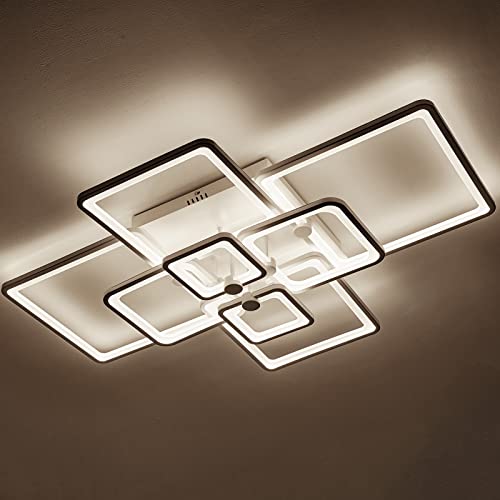
While managing harsh fluorescent light can be a challenge, it's not the only option. You might consider replacing fluorescent tubes with LED tubes. LEDs offer adjustable color temperatures and dimming capabilities, providing a more flexible and less harsh lighting solution.
LEDs are not only more energy-efficient than fluorescent lights, but they also last longer. Furthermore, they do not contain hazardous materials like mercury, which makes them a safer and more environmentally friendly option. The initial cost of LEDs can be higher, but the long-term savings in energy and replacement costs can offset this.
LED tube lights are typically designed to fit into existing fluorescent fixtures, which makes the transition fairly straightforward. However, it is important to note that some LED tubes require a specific type of ballast, so you'll need to ensure your fixture is compatible.
Finally, LEDs also come in a variety of color temperatures. Unlike harsh white fluorescent light, LED light can range from a warm yellow to a cool blue, offering more options to create a comfortable and visually pleasing environment.
The Power of Color: Utilizing Paint to Counteract Harsh Lighting
While the source of light is critical, the surrounding environment also plays a significant role in perception of its harshness. The wall color, in particular, can either amplify or mitigate the effect of fluorescent lighting.
Light colors can reflect light, thereby increasing its intensity, whereas dark colors can absorb light, reducing its harshness. Therefore, painting walls in darker hues can be a simple and cost-effective way to counteract harsh fluorescent light.
However, it's essential not to go too dark, as it could lead to a gloomy atmosphere. Instead, opt for mid-tone colors that can balance light absorption and reflection. Moreover, consider using matte paint, which diffuses light and reduces glare, unlike glossy paint, which tends to reflect light and can increase glare.
Additionally, wall color can influence the perceived color of light. For instance, a warm wall color can counteract the cold light from fluorescent bulbs, making the overall lighting seem less harsh.
Conclusion: Harmonizing the Light and Environment
Softening harsh fluorescent light involves a combination of techniques that can be summed up as adjusting the intensity, color, and distribution of light. From using light diffusers to painting walls with mid-tone colors, there are many ways to make fluorescent lights less harsh. It's about harmonizing the light with the environment and personal comfort.
Remember, lighting significantly impacts our well-being, productivity, and overall quality of life. Therefore, it's worth investing time and effort in getting it right. Despite the potential challenges, with careful consideration and creativity, you can transform a harshly lit space into a comfortable and inviting one.


Best Rechargeable LED Light Bulbs 2026 For Brighter Living
Best Grow Light For Single Plant 2026 Top Picks

Best Track Lighting for Vaulted Ceiling 2026 Top Picks

Best Track Lighting For Studio 2026 Top Picks And Insights

Best Color Light for Tracking Bloodtrail 2026 Top Picks

Best Track Lighting Heads Pendants 2026 Brighten Spaces Smartly
Best Track Lighting for Small Kitchen 2026 Brighten Every Corner

Best Track Lighting For Painting Studio 2026 Top Picks