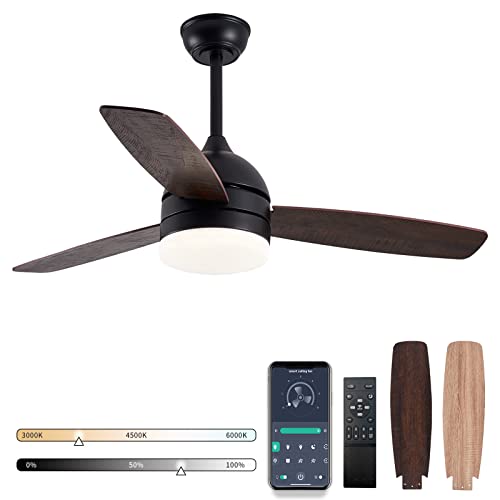
How To Measure Blade Span Of A Ceiling Fan Right

How To Measure Blade Span Of A Ceiling Fan sounds simple at first glance, yet plenty of people end up with the wrong fan size because the measurement gets misunderstood. A fan that looks too tiny in a large room can leave dead air hanging around like a stubborn fog. Then again, an oversized fan may overwhelm the space, create awkward airflow, or simply look out of place. That’s where accurate blade span measurement quietly becomes the difference between comfort and constant frustration.
Ceiling fan sizing isn’t just about grabbing a tape measure and hoping for the best. Blade shape, mounting style, and the number of blades all affect the final measurement. Some fans have straight blades while others curve dramatically, which can throw off rough estimates in a heartbeat. A proper measurement helps maintain balanced airflow, keeps room proportions visually pleasing, and prevents costly replacement headaches later.
People often underestimate how much poor airflow changes everyday comfort. A bedroom can feel stuffy despite the fan spinning nonstop, while a dining room may end up with an annoying draft that rattles papers and cools meals too quickly. Measuring correctly helps avoid those irritating situations before they even begin. Little details matter here, and honestly, skipping them usually comes back to bite.
Another overlooked factor involves room layout and ceiling height. Open-concept living spaces, oddly shaped corners, and low ceilings all influence how effective a fan actually feels after installation. A correctly measured blade span allows air to circulate naturally instead of creating uneven hot and cold spots around the room. That smoother airflow often makes the entire space feel calmer and more comfortable without constantly adjusting thermostat settings.
How To Measure Blade Span Of A Ceiling Fan also matters for visual balance. Nobody wants a fan that looks cramped against nearby walls or hangs awkwardly over furniture. The right span creates breathing room while still moving enough air to keep the environment pleasant. It’s one of those small planning steps that quietly improves both function and style at the same time.
Then there’s the issue of replacement fans. Plenty of homeowners assume they can buy the same size by eyeballing the old unit, only to realize later that the new blades stretch farther than expected. Suddenly cabinet doors, lighting fixtures, or sloped ceilings become annoying obstacles. Careful measurement avoids that mess and keeps installation straightforward instead of turning it into an all-day headache.
Clear sizing knowledge also makes shopping less overwhelming. Product listings throw around numbers constantly, and without understanding blade span, those dimensions feel meaningless. Once the measurement process clicks, comparing models becomes far easier and more practical. That confidence alone saves time, prevents impulse purchases, and helps narrow down options that genuinely fit the space.

- LFR Score10.0
LFR Score is a ranking system developed by lightfansreviews.com. LFR Score has no relationship or impact from any manufacturers or sales agent websites. Learn more
- BrandJLEivvi
- LFR Score9.4
LFR Score is a ranking system developed by lightfansreviews.com. LFR Score has no relationship or impact from any manufacturers or sales agent websites. Learn more
- BrandTEBTEOTEK

- LFR Score9.4
LFR Score is a ranking system developed by lightfansreviews.com. LFR Score has no relationship or impact from any manufacturers or sales agent websites. Learn more
- BrandHeonay

- LFR Score9.2
LFR Score is a ranking system developed by lightfansreviews.com. LFR Score has no relationship or impact from any manufacturers or sales agent websites. Learn more
- BrandDRQ
- LFR Score9.2
LFR Score is a ranking system developed by lightfansreviews.com. LFR Score has no relationship or impact from any manufacturers or sales agent websites. Learn more
- BrandGeneric

- LFR Score9.2
LFR Score is a ranking system developed by lightfansreviews.com. LFR Score has no relationship or impact from any manufacturers or sales agent websites. Learn more
- BrandCLDREAM

- LFR Score9.0
LFR Score is a ranking system developed by lightfansreviews.com. LFR Score has no relationship or impact from any manufacturers or sales agent websites. Learn more
- BrandZNBSIXP
- LFR Score8.8
LFR Score is a ranking system developed by lightfansreviews.com. LFR Score has no relationship or impact from any manufacturers or sales agent websites. Learn more
- BrandHFYHWT

- LFR Score8.6
LFR Score is a ranking system developed by lightfansreviews.com. LFR Score has no relationship or impact from any manufacturers or sales agent websites. Learn more
- BrandKALIONE

- LFR Score8.6
LFR Score is a ranking system developed by lightfansreviews.com. LFR Score has no relationship or impact from any manufacturers or sales agent websites. Learn more
- BrandFoyods

- LFR Score8.4
LFR Score is a ranking system developed by lightfansreviews.com. LFR Score has no relationship or impact from any manufacturers or sales agent websites. Learn more
- BrandKALIONE
Last update on 2026-07-29 / Affiliate links / Images, Product Titles, and Product Highlights from Amazon Product Advertising API
How To Measure Blade Span Of A Ceiling Fan Correctly
A fan can look fine in the box and still feel wrong once it’s spinning over the room. The airflow may feel weak, the blades may crowd the ceiling visually, or the whole fixture may look oddly undersized above a wide seating area. That headache usually starts with a skipped or sloppy measurement, which is why how to measure blade span of a ceiling fan matters before buying, replacing, or repositioning a fan. A careful measurement protects airflow comfort, room balance, and the money already tied up in installation.
Blade Span Basics
Blade span means the full diameter made by the fan blades as they rotate. For a fan with an even number of blades, the job is pretty straightforward: measure from the tip of one blade directly across to the tip of the opposite blade. That number is the fan’s listed size, such as 42 inches, 52 inches, or 60 inches. Simple, right, but only if the tape measure stays straight across the center point.
Odd-blade fans need a slightly different approach because there isn’t a blade sitting directly across from another blade. Measure from the center of the fan to the tip of one blade, then double that number. That gives the total ceiling fan blade span without guessing from edge to edge. A five-blade fan with a 26-inch center-to-tip measurement has a 52-inch span.
The blade span is not the same as the length of a single blade. A single blade may be 21 or 22 inches, but the full fan size includes the hub area and the opposite blade reach. This detail trips people up during replacement projects because old blades often look shorter once removed from the fan. Measuring the full rotating diameter gives a far more accurate picture of fan coverage.
Fan listings usually describe the product by total span, not blade length. A “52-inch ceiling fan” means the rotating circle measures about 52 inches from one outer blade tip to the opposite outer blade tip. That size affects air movement, visual scale, and clearance from nearby walls or cabinets. Skipping this step can turn a quick upgrade into a return-label mess.
Why The Measurement Matters
How to measure blade span of a ceiling fan matters because air doesn’t move evenly just because a fan spins. A small fan in a large room may leave warm corners untouched, while a large fan in a tight room can feel pushy and awkward. The wrong size creates that annoying “something’s off” feeling even if the fan itself is working properly. Proper span helps match room size with realistic airflow needs.
Ceiling fan size also changes how the room looks. A fan that’s too wide can crowd a low ceiling, brush too close to tall cabinets, or dominate a small bedroom. A fan that’s too small can look like an afterthought, especially in open living rooms or long rectangular spaces. The right blade span creates visual balance while still doing the practical job of moving air.
Energy use plays into the picture too. The U.S. Department of Energy has long noted that ceiling fans help people feel cooler by creating a wind-chill effect, not by lowering the actual room temperature. That means the fan must move enough air across the occupied area to feel useful. A correctly measured fan supports better comfort without turning the room into a wind tunnel.
There’s also the replacement problem. Many people remove an old fan, buy a new one that “looks close,” then realize the new span bumps into light fixtures, sloped ceiling angles, or cabinet doors. Measure first, then shop. For bedrooms with lower ceilings or tighter layouts, compare airflow-friendly designs with flush mount fans and upgrade with best flush mount ceiling fans bedrooms before choosing a final size.
Tools That Make Measuring Easier
A basic tape measure handles most blade span measurement jobs just fine. Use a stiff metal tape if the fan is already installed because soft measuring tape can sag and throw off the number. A step ladder also helps, but it needs to sit on solid flooring, not a wobbly rug or uneven tile. Safety matters because no ceiling fan measurement is worth a bad fall.
A pencil and notepad help more than expected. Write down the measurement from tip to tip, then note the room length, room width, and ceiling height. These numbers work together, especially if the room is long, narrow, or open to another area. Keeping everything written down prevents that classic “Wait, was it 50 or 52?” moment at the store.
For installed fans, turn the fan off and let the blades stop completely. Sounds obvious, but plenty of people try to measure too soon and end up fighting a gently swinging blade. Hold one blade still if the fan has slight movement from a loose mount or air draft. A stable fan gives a cleaner accurate span and keeps the process calm.
Lighting can make the job easier too, especially in darker rooms or garages. A phone flashlight works in a pinch, but a separate light keeps both hands free. Small shadows around blade tips can trick the eye, especially on dark wood or black blades. Better visibility means fewer mistakes and a cleaner fan sizing decision.
Measuring Even Blade Fans
Even-blade fans are the easiest to measure because one blade sits directly across from another. Place the tape measure at the outer tip of one blade and stretch it straight across the fan’s center to the outer tip of the opposite blade. Keep the tape level, not angled upward or downward. That straight line gives the true blade span.
Do not measure along the curve of a blade. Some fan blades have decorative shaping, tapered edges, or slight bends near the tip. Measuring along the blade surface can add extra length that doesn’t reflect the actual rotating diameter. The correct measurement follows a straight tip-to-tip line across the fan.
A second pair of hands helps if the fan is large. One person can hold the tape at the blade tip while the other reads the number across the opposite side. For fans above beds, dining tables, or kitchen islands, this setup prevents awkward leaning. Better control leads to a more reliable ceiling fan size.
If the fan is on the floor before installation, place it flat and measure across the widest point. Keep the blades attached if possible because the hub and blade brackets affect the final span. Box labels can be wrong after years in storage, especially if replacement blades were swapped in. A direct measurement beats a faded label every time.
Measuring Odd Blade Fans
Odd-blade fans need the center-to-tip method because no blade lines up directly opposite another. Start at the exact center of the fan motor housing, then measure out to the farthest tip of one blade. Double that number to calculate the full fan blade span. This method works for three-blade, five-blade, and other odd-blade designs.
Finding the center matters. Guessing from the side of the motor housing can shrink or stretch the result by an inch or more. Use the center cap, downrod connection, or motor midpoint as the reference. Once the center point is clear, the measurement becomes much more dependable.
Curved blades can make odd-blade fans feel trickier. Measure to the farthest outer point, not the closest corner or inner curve. The rotating circle is based on the widest reach of the blade tip. That outer reach controls wall clearance, fixture spacing, and the final fan footprint.
Some modern fans use sculpted blades that don’t look symmetrical. In that case, measure more than one blade from center to tip and compare the numbers. They should match closely unless the fan has been damaged or assembled incorrectly. A mismatch can reveal installation issues before the fan ever spins.
Matching Span To Room Size
Room size shapes the final decision after the fan is measured. Small rooms usually feel better with smaller spans, while larger spaces need wider blade coverage to move air across the occupied area. A compact bedroom may feel comfortable with a 42-inch fan, while a living room often needs 52 inches or more. The goal is comfortable airflow, not just a fan that fills ceiling space.
Square footage gives a practical starting point. Multiply the room length by the room width, then compare that number with common fan size ranges from manufacturers. Many small rooms sit well with fans around 36 to 44 inches, medium rooms often land near 48 to 52 inches, and larger rooms may call for 56 inches or wider. Those ranges aren’t sacred rules, but they prevent wild sizing guesses.
Ceiling height can shift the choice. Low ceilings often work better with flush mount or low-profile fans because the blades stay closer to the ceiling while preserving head clearance. Higher ceilings may need a downrod so the blades sit at a more effective height. The measured span still matters, but mounting height decides how that airflow reaches the room.
Room use also changes what feels right. A bedroom needs calm, steady airflow that won’t blast directly onto the bed all night. A kitchen may need more circulation around heat and humidity, while a home office benefits from quiet air movement that doesn’t scatter papers. For work setups with cameras and lighting, brighten the room separately with streaming face lights and compare best face light streaming so the ceiling fan doesn’t have to solve every comfort problem.
Common Measuring Mistakes
The most common mistake is measuring only one blade and calling that the fan size. That number is blade length, not full span. A single-blade measurement leaves out the motor hub and the opposite blade reach. For how to measure blade span of a ceiling fan, the full rotating diameter is the number that matters.
Another mistake is measuring diagonally across the fan. A tape stretched at a slight angle can add extra inches, especially on larger models. The tape should cross the fan’s center in a straight, level path. Tiny errors can lead to poor clearance near walls, beams, or pendant lights.
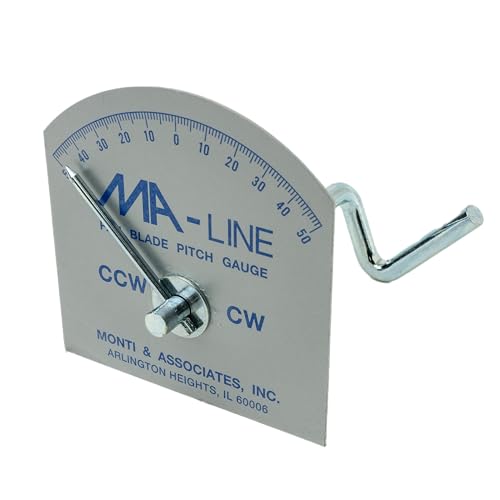
People also forget blade pitch. Pitch doesn’t change the span measurement, but it does affect airflow feel. Two fans with the same span may move air differently if one has steeper blade angles or a stronger motor. Span sets the coverage area, while blade pitch and motor design shape the actual breeze.
Battery backup and emergency lighting can also distract from fan planning in multipurpose rooms like garages, workshops, and sheds. A ceiling fan helps with comfort, but it won’t help much during a power outage. For backup gear that doesn’t rely on stored batteries, prepare separately with hand crank lighting and learn how hand crank flashlight works before relying on one during storm season.
How To Measure Ceiling Fan Blade Span For Any Room
A ceiling fan that looks fine online can feel completely off once it’s mounted overhead. The airflow might barely reach the sofa, or the blades may sit awkwardly close to walls and cabinets. Those problems usually trace back to one thing: incorrect sizing before installation. How to measure ceiling fan blade span for any room helps avoid wasted money, weak airflow, and that annoying feeling that the room still doesn’t feel comfortable even after the upgrade.
How Ceiling Height Changes Airflow
Ceiling height changes how a fan performs far more than many people expect. A 52-inch fan mounted too high may barely push air where people actually sit, while the same fan installed at the proper height can make the room feel cooler within minutes. The blade span matters, but the distance from the floor matters too. Those two measurements work together like a team.
Most ceiling fans perform best when the blades sit around 8 to 9 feet above the floor. Rooms with tall ceilings often need longer downrods so the fan doesn’t end up floating uselessly near the ceiling. Air has to circulate through the occupied area, not just spin near drywall overhead. A fan mounted too high often creates weak air circulation even with large blades.
Low ceilings create a different problem. Large blade spans may visually overpower the room or leave little clearance above tall people and furniture. Flush mount designs usually help solve that issue because the fan hugs the ceiling more closely. Rooms with limited height often benefit from compact airflow solutions instead of oversized blades.
Sloped ceilings can complicate measurements too. Some fans need angled mounting kits to prevent blade tips from sitting dangerously close to the ceiling on one side. Measure both the blade span and nearby clearance before installation starts. A few extra minutes with a tape measure can prevent constant wobbling or restricted blade movement later.
Large Rooms Need Better Coverage
Big rooms often fool people into buying a fan that simply looks large enough. A wide living room with vaulted ceilings may need more than one fan or a much wider blade span than expected. Small fans in oversized rooms usually create dead airflow zones where warm air lingers stubbornly. That uneven comfort becomes noticeable fast during hot weather.
Blade span coverage matters especially in open-concept layouts where kitchens, dining spaces, and living areas blend together. One undersized fan rarely circulates air evenly across the full area. Wider spans distribute airflow more effectively without forcing the motor to work excessively hard. Balanced circulation feels calmer and more natural throughout the room.
Furniture placement also affects perceived airflow. Large sectionals, tall shelving, and room dividers can interrupt how air moves through the space. Measuring fan span without considering obstacles often leads to disappointing results after installation. A carefully planned fan layout usually feels far more comfortable than simply buying the biggest model available.
Lighting choices can shape the atmosphere too. Bright overhead fixtures paired with oversized fans sometimes make the room feel crowded visually. For seasonal decorative lighting around nearby windows or patios, compare holiday lighting setups and explore best led house christmas lights that complement the room without overwhelming the ceiling area.
Small Rooms Can Feel Overpowered
A giant fan inside a small bedroom can feel strangely aggressive. Papers move around constantly, curtains flutter nonstop, and the airflow may hit directly onto the bed without dispersing naturally. Bigger isn’t always better with ceiling fans. Proper blade span sizing keeps airflow comfortable rather than distracting.
Compact rooms usually benefit from fans between 36 and 44 inches, depending on layout and ceiling height. Smaller blade spans allow air to circulate without dominating the room visually. The fan still cools effectively while leaving enough breathing room around walls and light fixtures. That balanced look helps smaller rooms feel less cramped.
Noise tends to stand out more in tight spaces too. Large blades pushing strong airflow in a small bedroom may create constant humming or pressure sounds overnight. A more proportionate fan size often feels quieter because the motor doesn’t need to overpower the space. Better sizing supports quieter comfort and smoother airflow.
Visual scale matters more than people think. A fan should feel connected to the room instead of looking squeezed into it. Oversized blades hanging too close to cabinets or shelving create visual tension even if the fan technically fits. Proper measurement keeps the room feeling relaxed and functional instead of cluttered.
Outdoor Fans Need Different Planning
Outdoor ceiling fans follow slightly different rules because airflow behaves differently outside. Open patios and covered porches lose air movement faster than enclosed rooms, so the fan often needs a wider span to feel effective. A small indoor-style fan usually struggles against outdoor heat and open-air conditions. Measuring carefully prevents weak circulation in outdoor gathering areas.
Outdoor ceiling fan effectiveness depends heavily on placement. A fan mounted too high under a patio roof may barely move air where people are seated. Wider blades combined with correct mounting height usually improve comfort dramatically during humid afternoons. Air movement outdoors doesn’t need to feel intense, but it should remain noticeable.
Moisture resistance also matters outdoors. Fans rated for damp or wet locations hold up better against humidity, rain exposure, and temperature swings. Installing an indoor fan outside often shortens motor life and creates corrosion problems over time. Better materials support long-term durability and safer operation.
Covered patios near grills or outdoor kitchens benefit from stronger circulation because smoke and heat build up quickly in stagnant air. Compare airflow expectations realistically before buying. For patios that struggle with summer heat, explore are outdoor ceiling fans effective to better match fan span with outdoor airflow needs.
Blade Shape Changes Performance
Not all blades move air the same way even if the span measurement matches perfectly. Wide paddle-style blades often move air more gently, while narrow aerodynamic blades may push stronger airflow at higher speeds. The overall fan diameter matters, but blade design changes how the breeze actually feels. Two fans with identical spans can behave very differently.
Curved blades can create smoother airflow while reducing harsh turbulence in smaller rooms. Straight blades sometimes produce stronger directional airflow, which works well in larger living spaces or outdoor patios. The room’s purpose should guide the decision instead of appearance alone. Bedrooms usually feel better with calmer airflow patterns.
Heavy decorative blades may require stronger motors too. Large wooden blades or thick textured materials add extra weight that affects startup and stability. Weak motors paired with oversized blades can create wobbling, humming, or uneven spinning over time. Balanced components improve long-term reliability and airflow consistency.
Blade finish also changes room perception. Dark blades often feel visually heavier on low ceilings, while lighter finishes blend more naturally into smaller spaces. The airflow stays the same, but the room may feel less crowded visually. Small design choices quietly shape overall comfort more than many people realize.
Wobbling Often Starts With Bad Sizing
Wobbling fans frustrate people quickly because the motion feels distracting and sometimes even unsafe. Poor installation can cause wobble, but incorrect blade span relative to the room or mounting setup often contributes too. Large spans mounted on weak electrical boxes create extra stress during operation. Stable installation begins with realistic sizing expectations.
Blade imbalance also becomes more noticeable on oversized fans. Longer blades amplify tiny alignment problems, especially if one blade sits slightly lower than the others. A small imbalance may seem harmless at first, but it usually grows more obvious at higher speeds. Proper fan balancing helps extend motor life and reduce annoying vibrations.
Ceiling type affects stability too. Older homes sometimes have weaker mounting support, particularly around older junction boxes not designed for heavy modern fans. Installing a large fan without verifying support strength can lead to movement or rattling noises later. Strong mounting hardware matters just as much as the blade span itself.
Loose screws remain a surprisingly common cause of shaking. Blade brackets, canopy screws, and mounting hardware should all stay snug after installation. A fan may appear balanced visually while tiny loose parts create constant vibration during operation. Routine checks improve quiet performance and help prevent long-term wear.
Replacing An Old Fan Without Guesswork
Replacing an older ceiling fan feels easy until the new one arrives and suddenly looks far larger than expected. Old fans sometimes used narrower blade shapes or shorter motor housings that made the room feel more open. Modern designs can appear visually heavier even with similar span measurements. Measuring carefully avoids unpleasant surprises.
Take measurements before removing the original fan whenever possible. Measure the full blade span, note the ceiling height, and check nearby wall clearance. Those details become helpful later while comparing newer models online or in stores. Accurate notes support smoother replacement planning.
Light kits can also affect spacing. Some modern ceiling fans include large integrated LED fixtures that hang lower than older glass dome lights. The fan may technically fit the room while still feeling visually crowded after installation. Ceiling height and furniture placement should stay part of the decision.
Room style matters too. Farmhouse fans with thick wooden blades create a different visual footprint than slim modern models. Matching blade span with the room’s scale keeps the replacement feeling intentional rather than oversized or awkward. A balanced fan quietly improves comfort without constantly demanding attention.
Seasonal Airflow Changes Fan Needs
Rooms rarely feel identical year-round, and ceiling fan performance shifts with the seasons. Summer airflow often needs stronger circulation for cooling comfort, while winter settings help redistribute warm air trapped near the ceiling. The right blade span supports both situations without overwhelming the room. Flexible airflow makes the space feel usable throughout the year.
Fan direction matters more than many people expect. Counterclockwise rotation typically creates a cooling breeze during warm months, while clockwise rotation at low speed helps circulate warm air during colder weather. A correctly sized fan handles those seasonal changes more effectively than a fan that already struggles with room coverage. Better sizing supports year-round comfort.
Humidity also affects airflow perception. Rooms with poor circulation often feel sticky and stale even when temperatures appear reasonable. Kitchens, laundry rooms, and covered patios benefit from fans that move enough air to reduce stagnant pockets. Correct blade span helps air feel fresher and less heavy indoors.
Large holiday decorations can temporarily change airflow patterns too. Tall trees, hanging decor, or oversized seasonal displays may interrupt how air circulates through the room. Fans with balanced sizing adapt more easily to those temporary layout shifts without creating awkward hot spots or excessive drafts.


Best Small Flush Mount Ceiling Fans 2026 Ultimate Picks

Best Smart Ceiling Fan India 2026 For Effortless Comfort

Best Smart Ceiling Fans with Lights for 2026: Top Picks

Best Smart Home Non Ceiling Fans 2026 For Ultimate Comfort

Best Outdoor Misting Ceiling Fan 2026 For Ultimate Comfort

Best Outdoor Ceiling Fans For Porch 2026 With Style And Breeze

Best Smart Bulb For Ceiling Fan 2026 That Brightens Life
Best Smart Ceiling Fan Control 2026 For Effortless Comfort