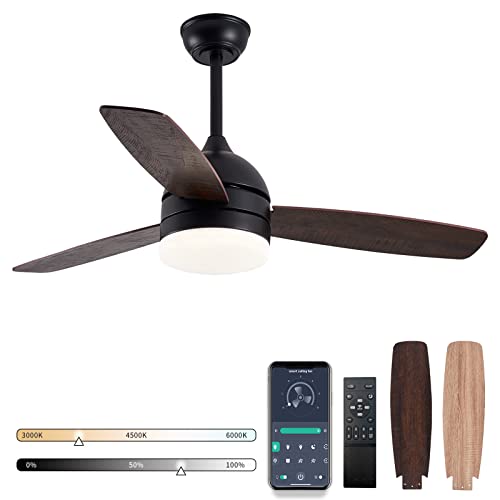
How To Measure Ceiling Fan Airflow Right

How To Measure Ceiling Fan Airflow sounds simple at first glance, yet plenty of rooms still feel stuffy even with the fan spinning overhead all day long. That frustrating “Why does this room still feel hot?” moment usually comes down to weak airflow, poor fan placement, or a misunderstanding of what airflow numbers actually mean. A fan may look stylish hanging from the ceiling, but appearance alone won’t tell you whether it’s moving enough air to cool the room effectively. Real comfort depends on how efficiently air circulates across the space instead of just how fast the blades rotate.
CFM, blade pitch, motor strength, and room dimensions all play a role in ceiling fan airflow. A larger fan doesn’t always guarantee stronger circulation, and honestly, that catches many people off guard. Some oversized models create dead zones near corners, while smaller fans may struggle in open-concept layouts with tall ceilings. Measuring airflow properly helps uncover those hidden problems before energy bills creep upward or comfort levels tank during warmer months.
Airflow testing also helps explain annoying day-to-day issues that people usually blame on the weather. One room feels chilly while another feels stagnant. The fan hums loudly but barely pushes air downward. Dust seems to collect faster around vents and furniture. Those little headaches often point toward inefficient airflow patterns rather than a broken fan. Once measurements enter the picture, the difference becomes crystal clear.
How To Measure Ceiling Fan Airflow also matters during renovations, seasonal adjustments, or fan replacements. Plenty of homeowners swap old fixtures for trendy modern fans without realizing that blade design dramatically changes circulation performance. A sleek low-profile fan may suit the décor beautifully, but if airflow drops too low, comfort disappears fast. Nobody wants to sit beneath a fan that looks impressive yet barely stirs the air.
Another thing worth mentioning is ceiling height. High ceilings can quietly sabotage airflow if the fan hangs too close to the ceiling or too far from the occupied area below. Even a powerful motor struggles when airflow disperses before reaching seating areas, beds, or dining spaces. Measuring actual airflow helps pinpoint whether the issue comes from installation height, blade configuration, or room size mismatches.
Seasonal airflow changes deserve attention too. Summer airflow should create a cooling wind-chill effect, while winter settings gently circulate warm air trapped near the ceiling. Fans running in the wrong direction can leave rooms feeling uncomfortable no matter how long they operate. Measuring airflow during different seasons helps maintain balanced comfort instead of constantly adjusting thermostats and wasting energy.
How To Measure Ceiling Fan Airflow gives practical insight rather than guesswork. It helps reveal whether the fan is actually doing its job or simply spinning overhead for decoration. Strong airflow improves comfort, supports better ventilation, and reduces the need to blast air conditioning nonstop. A properly measured setup creates a room that feels balanced, fresh, and far more enjoyable throughout the day.
- LFR Score10.0
LFR Score is a ranking system developed by lightfansreviews.com. LFR Score has no relationship or impact from any manufacturers or sales agent websites. Learn more
- BrandPATIKIL

- LFR Score9.4
LFR Score is a ranking system developed by lightfansreviews.com. LFR Score has no relationship or impact from any manufacturers or sales agent websites. Learn more
- BrandTesto
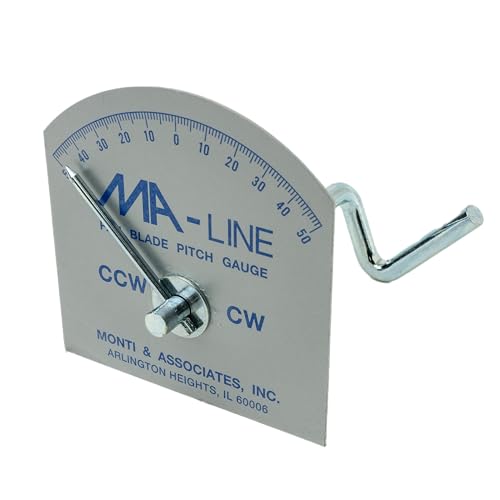
- LFR Score9.2
LFR Score is a ranking system developed by lightfansreviews.com. LFR Score has no relationship or impact from any manufacturers or sales agent websites. Learn more
- BrandGeneric

- LFR Score9.2
LFR Score is a ranking system developed by lightfansreviews.com. LFR Score has no relationship or impact from any manufacturers or sales agent websites. Learn more
- BrandHVACCHARTS
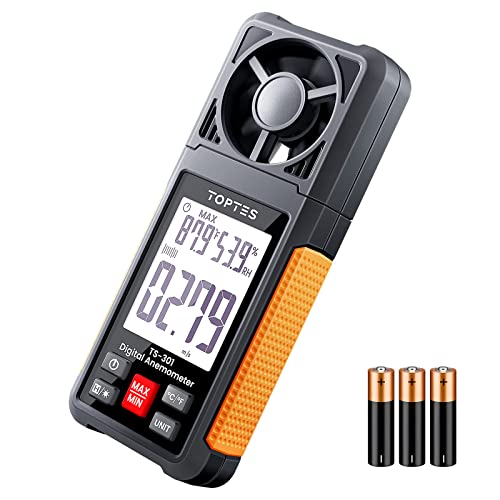
- LFR Score9.2
LFR Score is a ranking system developed by lightfansreviews.com. LFR Score has no relationship or impact from any manufacturers or sales agent websites. Learn more
- BrandTOPTES

- LFR Score9.0
LFR Score is a ranking system developed by lightfansreviews.com. LFR Score has no relationship or impact from any manufacturers or sales agent websites. Learn more
- BrandBTMETER

- LFR Score9.0
LFR Score is a ranking system developed by lightfansreviews.com. LFR Score has no relationship or impact from any manufacturers or sales agent websites. Learn more
- BrandH HOLDPEAK

- LFR Score9.0
LFR Score is a ranking system developed by lightfansreviews.com. LFR Score has no relationship or impact from any manufacturers or sales agent websites. Learn more
- BrandTesto

- LFR Score8.8
LFR Score is a ranking system developed by lightfansreviews.com. LFR Score has no relationship or impact from any manufacturers or sales agent websites. Learn more
- BrandBTMETER
- LFR Score8.6
LFR Score is a ranking system developed by lightfansreviews.com. LFR Score has no relationship or impact from any manufacturers or sales agent websites. Learn more
- BrandAAB

- LFR Score8.6
LFR Score is a ranking system developed by lightfansreviews.com. LFR Score has no relationship or impact from any manufacturers or sales agent websites. Learn more
- BrandSoonkoda
Last update on 2026-08-04 / Affiliate links / Images, Product Titles, and Product Highlights from Amazon Product Advertising API
How To Measure Ceiling Fan Airflow Accurately
A room can feel sticky, flat, and strangely warm even while the blades are spinning like they mean business. That gap between movement and comfort is exactly why how to measure ceiling fan airflow matters more than guessing by fan speed alone. A fan that looks strong may still push air poorly if the blade pitch, mounting height, motor output, or room layout works against it. Measuring airflow gives you a practical way to spot weak circulation, fix comfort problems, and avoid replacing a fan that only needs a smarter setup.
Airflow Basics
Ceiling fan airflow is usually measured in CFM, which means cubic feet per minute. That number describes how much air the fan moves in one minute, not how cool the air actually is. Fans don’t lower room temperature like an air conditioner. They create a wind-chill effect that helps skin feel cooler by moving air across the body.
That difference matters because a fast-spinning fan can still feel disappointing if it doesn’t move air through the occupied area. A tiny breeze near the blades won’t help much if the sofa, bed, or desk sits outside the airflow path. The useful question is not “Is the fan running?” but “Is the fan moving enough air where comfort actually matters?” That mindset turns how to measure ceiling fan airflow into a real home comfort tool.
CFM ratings often appear on fan packaging or product pages, but those numbers don’t always match the feel of your room after installation. Ceiling height, furniture placement, vaulted ceilings, blade direction, and nearby walls can all change airflow behavior. So, yes, the label helps, but the room still gets the final say. Measuring airflow in place gives a clearer picture of real-world performance.
A practical airflow check starts with three things: fan speed, air movement at sitting height, and room coverage. You’re looking for smooth circulation across the space, not a harsh blast in one small spot. A good setup should feel steady, balanced, and quiet enough that the fan doesn’t become the loudest thing in the room. That’s the sweet spot most people are chasing.
Why Airflow Feels Weak
Weak ceiling fan airflow usually has more than one cause. The blades may be too close to the ceiling, the fan may be too small for the room, or the motor may not have enough pull for the blade span. Sometimes the issue is even simpler: the fan is running in the wrong direction for the season. A small mistake can make a decent fan feel like it’s just stirring soup.
Blade pitch plays a sneaky role too. Flatter blades may spin quickly but move less air downward, while steeper blades can push more air if the motor is strong enough. That tradeoff explains why speed alone can mislead people. Airflow performance comes from the match between blade angle, motor strength, and room conditions.
Mounting height can make or break comfort. A fan hugged tight to a tall ceiling may leave the lower part of the room feeling dead. A fan hanging too low can create uncomfortable drafts and visual clutter. The right drop length helps airflow reach the living zone without making the room feel crowded, which is why safe mounting matters as much as measurement.
Installation quality also affects airflow and safety. A loose or poorly rated box can allow wobble, vibration, and noise, especially on larger fans. For safer support during fan upgrades, compare options like a ceiling fan mounting box before blaming the fan itself. A stable base protects the fixture and helps the blades move air without shaking the whole setup.
Simple Tools That Help
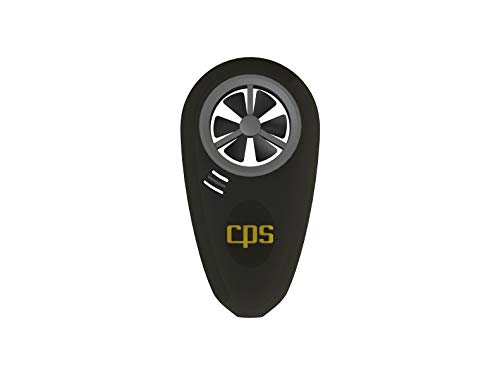
You don’t need a lab to measure ceiling fan airflow, but the right tool makes the process less fuzzy. An anemometer is the most direct choice because it measures air speed. Many handheld models show readings in feet per minute or meters per second. From there, you can estimate how well air moves through the room.
A basic tissue test can still reveal obvious problems. Hold a light tissue or ribbon at different spots in the room and watch how it moves. Strong, consistent movement suggests decent circulation, while limp or uneven movement points toward dead zones. It’s not precise, but it’s a handy first look before grabbing instruments.
Smoke pencils, incense sticks, or lightweight streamers can show airflow direction. Use them carefully and keep anything hot away from curtains, bedding, or dry décor. The goal is to see whether air travels outward, downward, or gets trapped near the ceiling. Visual clues often make air circulation problems easier to spot than numbers alone.
Light measurement tools can help in related home projects, even if they don’t measure fan airflow directly. For lighting-heavy ceiling work or room comfort checks, rely on a sekonic light meter to balance brightness while you evaluate fan placement and fixture changes. Comfort in a room often comes from several small adjustments working together, not one magic fix.
Measuring Air Speed
Air speed gives you the raw feel of the breeze. To measure it, turn the fan on high and place an anemometer where people actually spend time, such as sofa height, bed height, or desk height. Hold the device steady for several seconds instead of waving it around. A stable reading gives a cleaner picture of what the fan is delivering.
Take measurements in several spots, not just directly below the fan. Check the center of the room, the corners, and the main seating or sleeping area. A fan can feel strong in the middle but leave the sides stale. Those uneven readings show whether you have balanced airflow or a narrow cone of breeze.
Distance from the fan matters too. Readings directly beneath the blades often look stronger than readings five or six feet away. That doesn’t mean the fan is bad. It simply shows how far the airflow travels before it loses force, which helps decide whether the room needs a larger fan, better placement, or a second air mover.
Keep doors, windows, and HVAC vents in mind during testing. Open windows can skew airflow readings, while active vents may push air in competing directions. Run the test in the same conditions you normally use the room. That keeps how to measure ceiling fan airflow tied to daily comfort instead of a one-off experiment.
Estimating CFM At Home
CFM sounds technical, but the basic idea is manageable. Airflow volume depends on air speed and the area through which air moves. In simple terms, faster air over a larger area means more air movement. That’s why a broad, steady airflow usually feels better than a tiny blast from one narrow spot.
A rough home estimate starts by measuring average air speed below the fan. Then consider the approximate sweep area of the blades. The fan’s blade span creates a circular area, and that area helps frame how much air might be moving. The result won’t match a controlled lab rating, but it gives a useful comparison between settings, rooms, or fan adjustments.
Don’t chase perfect math if the real goal is comfort. Home airflow testing works best as a before-and-after check. Measure the fan before changing direction, downrod length, or speed setting, then measure again afterward. Better readings and better comfort together mean the adjustment actually helped.
Manufacturer CFM ratings still matter during shopping. A larger room generally needs stronger airflow, while a small bedroom may feel annoying with an overly aggressive fan. The smartest choice balances airflow output, noise level, and room size. Bigger numbers aren’t always better if the fan creates a drafty, restless space.
Room Size And Placement
Room size shapes every airflow decision. A compact room can feel comfortable with moderate airflow because air has less distance to travel. A long living room or open-plan space needs broader coverage. Measuring airflow in several zones helps reveal whether one fan can handle the layout or whether the room needs another strategy.
Fan placement should land close to the center of the active area. That may not always be the geometric center of the ceiling. A living room with seating pushed to one side may need airflow focused where people actually sit. Practical comfort beats perfect symmetry every time.
Ceiling height changes the equation. Standard ceilings usually work with typical mounting setups, while tall or vaulted ceilings often need a downrod to bring the fan into a better airflow position. A flush-mount fan may look clean, but on a high ceiling it can leave the breeze stranded overhead. That’s a classic airflow loss problem.
Furniture can block or redirect moving air too. Tall shelves, room dividers, bunk beds, and heavy curtains can create weird pockets of stillness. After measuring airflow, rearranging a chair or lowering a fan slightly may improve comfort without replacing anything. Small changes can punch above their weight.
Fan Direction And Seasonal Comfort
Fan direction affects how airflow feels through the year. During warm weather, most ceiling fans should push air downward to create a cooling breeze. During cooler months, a slower reverse setting helps pull air upward and move warm air trapped near the ceiling. The goal shifts from direct cooling to gentle circulation.
Measure airflow after changing direction because the room may respond differently than expected. A reverse setting should not blast cold air across the body. It should create subtle movement that helps even out temperature layers. If the room suddenly feels drafty in winter, the fan may be running too fast.
High ceilings often benefit most from seasonal direction changes. Warm air naturally rises, so rooms with tall ceilings can trap heat overhead while the lower area stays chilly. A slow reverse setting can help mix that air without making the room feel windy. That’s a useful example of airflow efficiency rather than raw power.
Summer testing should focus on comfort at body level. Stand or sit where the room is used most and check whether the breeze feels even. If one chair gets blasted while another spot feels stale, the fan may need a different speed or placement. Comfort lives in those details.
Common Measurement Mistakes
One-point testing is the biggest mistake. Measuring only under the fan tells you where airflow is strongest, not whether the room is comfortable. A useful test covers multiple points across the room. That broader view catches weak corners, uneven circulation, and airflow blocked by furniture.
Another mistake is testing only on high speed. High speed may reveal maximum output, but many people use medium or low speed most of the day. Measure the settings you actually use. A fan that performs well only on high may be too noisy or too harsh for everyday comfort.
Ignoring installation problems can lead to the wrong fix. Wobble, clicking, grinding, and uneven blade height can reduce performance or signal unsafe mounting. Before blaming airflow alone, check whether the fan is balanced and properly secured. Stable installation supports better air movement and a quieter room.
Nearby electrical or lighting work can complicate ceiling projects. If cabinet lighting, ceiling fixtures, or switch layouts are part of a larger renovation, plan wiring carefully with resources like an under cabinet lighting diagram before opening walls or ceilings. A cleaner electrical plan helps prevent messy rework around fan placement and room comfort upgrades.
Best Ways To Improve Ceiling Fan Airflow
Plenty of people replace a ceiling fan too quickly without checking whether the real issue comes from airflow setup, ceiling height, or room layout. A fan that feels weak in July might actually perform well after a few targeted adjustments. That’s where how to measure ceiling fan airflow becomes genuinely useful instead of turning into another technical chore. Better airflow often comes from smarter positioning, cleaner blades, balanced circulation, and realistic expectations about what the fan can actually do inside the space.
Blade Cleaning Changes More Than Expected
Dust buildup quietly ruins airflow efficiency. Even a thin layer of grime along the blade edges changes how air moves downward, especially on fans that already struggle in larger rooms. People usually notice the dust visually long before they realize comfort has dropped too. A fan pushing dirty air unevenly can make the room feel heavier and less fresh.
Cleaning the blades regularly improves more than appearance. Balanced blades move air more consistently and reduce wobble caused by uneven weight distribution. A microfiber cloth works well for light buildup, while slightly damp cloths help with sticky dust near kitchens or open windows. Harsh chemicals usually create more problems than benefits because residue attracts dust faster later on.
Blade shape matters during cleaning too. Curved blades often collect buildup near the trailing edge where airflow changes direction. Missing those spots can leave behind drag that weakens circulation. Small details like this explain why two identical fans can feel completely different after months of use.
Rooms with pets or nearby construction zones usually need cleaning more often because airborne particles settle quickly. Strong airflow spreads that dust around faster, so neglected blades can leave furniture dirty sooner than expected. A clean fan supports smoother circulation, quieter operation, and more reliable airflow measurements during testing.
Fan Size Problems Inside Small Rooms
A fan that’s too large for a room can feel surprisingly uncomfortable. Instead of balanced circulation, the room may feel windy in one area while papers, curtains, or bedding constantly shift around. Smaller rooms need airflow that feels controlled rather than aggressive. That balance becomes especially important in bedrooms, offices, or compact apartments.
Oversized blades can also create strange pressure zones near walls and corners. Air rebounds unevenly, making some spots feel stale while others stay drafty. Measuring airflow at different locations helps expose those inconsistencies before replacing the fixture. Comfort should spread naturally across the room instead of blasting one chair nonstop.
Compact spaces usually perform better with fans designed specifically for tighter layouts. For better airflow balance in limited square footage, compare options like a ceiling fan for small room setups that focus on circulation without overwhelming the space. Proper sizing often solves more comfort complaints than raw motor power alone.
Noise tends to increase when a fan exceeds the room’s practical airflow needs. Air turbulence near walls and ceilings can create humming or fluttering sounds that become annoying at night. A properly sized fan keeps the room cooler while maintaining quieter airflow performance. That subtle difference matters more during daily use than most product labels admit.
Ceiling Height Affects Airflow Reach
Ceiling height changes how airflow behaves from the second the blades start spinning. Standard ceilings usually allow direct circulation into the occupied area, while taller ceilings spread airflow across a wider vertical space before it reaches people below. That delay weakens the cooling effect even if the fan itself produces strong CFM ratings.
Flush mount fans can become a problem on high ceilings because airflow gets trapped too close to the ceiling surface. The fan may technically move air, yet very little reaches seating areas or beds. A downrod often improves circulation by lowering the blades into a more effective position. Even a small height adjustment can noticeably improve comfort.
Low ceilings create the opposite challenge. Fans mounted too low can produce harsh drafts that feel distracting instead of refreshing. Bedrooms especially benefit from softer circulation patterns because excessive airflow may disturb sleep rather than improve comfort. The goal is steady movement, not a tunnel of wind directly over the mattress.
Rooms with lower ceiling heights often benefit from specialized fan designs. For tighter vertical clearance and better airflow consistency, explore layouts built around ceiling fans for 8 foot ceilings that keep circulation effective without crowding the room visually. That balance helps maintain both comfort and safe spacing.
Furniture Can Interrupt Air Movement
Large furniture pieces quietly disrupt ceiling fan airflow. Tall bookshelves, oversized entertainment centers, bunk beds, or even hanging plants can interrupt circulation paths and create dead air pockets. People often blame the fan itself when the real issue comes from obstacles redirecting airflow away from the occupied area.
Sofas positioned directly beneath fans sometimes absorb airflow instead of spreading it naturally through the room. Thick fabric surfaces slow moving air more than people expect. Rearranging furniture by only a few feet may improve airflow dramatically without touching the fan at all. Simple room layout changes can outperform expensive upgrades.
Open shelving units can create weird turbulence near walls too. Air passes through unevenly and loses momentum before reaching the rest of the room. That scattered airflow often explains why corners feel stuffy even though the center area seems comfortable. Testing airflow near obstacles reveals these hidden disruptions quickly.
Dining rooms and offices tend to show airflow imbalance clearly because people remain seated in one place for longer periods. A fan that feels fine while walking around may become irritating during meals or work sessions. Measuring circulation while sitting still gives more honest feedback about real comfort conditions.
Humidity Changes The Way Air Feels
Humidity can make decent airflow feel weak even if the fan operates correctly. Moist air slows sweat evaporation, which reduces the cooling sensation fans rely on. That’s why a room may still feel muggy despite strong blade movement overhead. The fan moves air, but the body struggles to cool itself efficiently.
Bathrooms, kitchens, and laundry rooms often create temporary humidity spikes that affect airflow perception. Steam and trapped moisture make rooms feel heavier, especially during summer. A ceiling fan alone may not solve the issue if ventilation remains poor. Pairing airflow improvements with moisture control usually creates better results.
Windows also influence indoor humidity levels. Open windows during humid afternoons may worsen comfort instead of helping it. Airflow measurements can look acceptable while the room still feels uncomfortable because moisture levels stay elevated. That mismatch frustrates people who expect stronger breeze alone to fix the environment.
Dry climates behave differently. Airflow often feels stronger and cooler because sweat evaporates faster. That explains why the same fan may feel excellent in one season and disappointing in another. Comfort depends on the relationship between air movement, temperature, and humidity balance.
Motor Quality And Long-Term Performance
Motor condition affects airflow gradually over time. Fans rarely fail overnight unless electrical damage occurs. More often, the airflow slowly weakens as internal wear increases, bearings loosen, or capacitor performance declines. People adapt to the weaker airflow without noticing until they compare the fan against a newer setup.
Buzzing sounds, inconsistent speed changes, or delayed startup often signal performance issues before airflow drops dramatically. Those symptoms deserve attention early because small electrical problems can worsen quickly. A struggling motor usually forces blades to work harder while moving less air overall. That imbalance creates extra noise and wasted energy.
Older fans sometimes use blade designs that no longer circulate air efficiently compared to newer models. That doesn’t automatically mean replacement is necessary, though. Cleaning, balancing, and checking electrical components can restore decent airflow in many cases. A little maintenance often stretches fan lifespan longer than expected.
Energy efficiency also changes with age. Weak motors may consume more electricity while producing less circulation. Measuring airflow regularly helps determine whether the fan still performs adequately or simply spins out of habit. Consistent testing reveals whether the room receives usable airflow or just visual movement.
Airflow Expectations Need Realism
Ceiling fans improve comfort, but they won’t behave like portable air conditioners. Some rooms naturally remain harder to cool because of sunlight exposure, insulation gaps, window placement, or high ceilings. Measuring airflow helps separate realistic limitations from actual fan problems. That distinction prevents expensive guesswork.
Large open-concept spaces often need layered airflow rather than one oversized fan. A single fixture may circulate air near the center while outer areas remain warm. Additional fans, floor circulation, or HVAC adjustments may work better than endlessly upgrading blade size. Bigger isn’t always smarter.
Personal comfort varies too. One person may enjoy direct airflow while another prefers subtle movement. Testing different speeds and directions during normal daily routines gives more honest feedback than relying only on manufacturer numbers. Comfort is personal, not purely mathematical.
How to measure ceiling fan airflow ultimately helps people stop guessing. Strong airflow should feel balanced, consistent, and comfortable across the room instead of creating random hot spots or annoying drafts. Once airflow patterns become visible through testing and observation, fixing those comfort issues feels far less frustrating and much more manageable.


Best Small Flush Mount Ceiling Fans 2026 Ultimate Picks

Best Smart Ceiling Fan India 2026 For Effortless Comfort

Best Smart Ceiling Fans with Lights for 2026: Top Picks

Best Smart Home Non Ceiling Fans 2026 For Ultimate Comfort

Best Outdoor Misting Ceiling Fan 2026 For Ultimate Comfort

Best Outdoor Ceiling Fans For Porch 2026 With Style And Breeze

Best Smart Bulb For Ceiling Fan 2026 That Brightens Life
Best Smart Ceiling Fan Control 2026 For Effortless Comfort