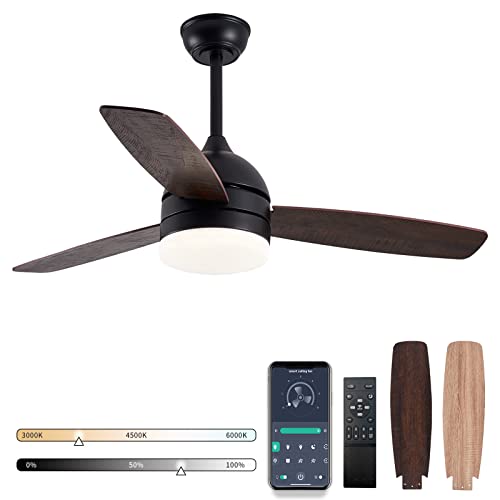
How to Measure Table Fan Size Without Guesswork

How to measure table fan size sounds simple at first, yet plenty of people end up scratching their heads once the tape measure comes out. Fan boxes throw around numbers like 12-inch, 16-inch, or 20-inch, but those labels don’t always explain what’s actually being measured. Some models refer to blade span, while others lean toward grille diameter, and honestly, that confusion trips people up more often than they’d admit. A fan that looks compact online can suddenly dominate a desk, bedside table, or cramped apartment corner once it arrives.
Room layout changes everything. Small bedrooms, studio apartments, workstations, and kitchen counters all demand different airflow coverage, and an oversized fan can feel noisy and awkward instead of refreshing. On the flip side, tiny fans often leave warm spots that make sleep or work frustrating during humid afternoons. Measuring correctly helps avoid those annoying “too weak” or “too bulky” situations that waste money and valuable space. That’s why understanding fan blade diameter, grille width, and base dimensions matters far more than people expect.
Air circulation also behaves differently depending on ceiling height, furniture placement, and how close the fan sits to the body. A compact 12-inch model may handle a desk setup beautifully, while a larger 16-inch fan pushes air across wider areas more comfortably. Still, bigger isn’t always better. Large table fans can create overpowering airflow in tight spaces, causing dry eyes, scattered paperwork, or chilly discomfort after long use. Smart measuring keeps airflow balanced instead of overwhelming.
Noise becomes another hidden headache. Many people assume stronger airflow automatically means louder operation, but fan size and blade proportions actually influence sound levels quite a bit. Smaller high-speed fans tend to produce sharper motor noise, while larger blades can circulate air more gently at lower speeds. Measuring the actual fan dimensions before buying helps narrow down realistic expectations for comfort and daily use. Nobody wants a fan buzzing beside them all night like a tiny lawn mower.
Visual balance matters too, especially in modern rooms where clutter builds up fast. A bulky fan shoved onto a narrow nightstand can make a clean setup feel chaotic in seconds. Accurate sizing helps maintain comfortable spacing around electronics, lamps, books, and charging stations without turning the room into an obstacle course. Little details like oscillation clearance and adjustable tilt space also deserve attention before committing to a model.
How to measure table fan size properly gives buyers more confidence instead of relying on vague product photos or misleading descriptions. A quick measurement routine can reveal whether the fan suits a work desk, reading nook, dorm room, or cooking area without unpleasant surprises later. It also prevents unnecessary returns, which frankly become a hassle nobody enjoys dealing with. Measuring first saves time, preserves comfort, and helps create airflow that actually feels right for the room.

- LFR Score9.2
LFR Score is a ranking system developed by lightfansreviews.com. LFR Score has no relationship or impact from any manufacturers or sales agent websites. Learn more
- BrandHoneywell
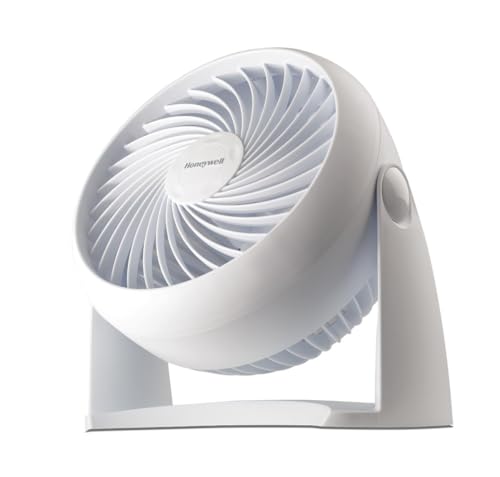
- LFR Score9.2
LFR Score is a ranking system developed by lightfansreviews.com. LFR Score has no relationship or impact from any manufacturers or sales agent websites. Learn more
- BrandHoneywell
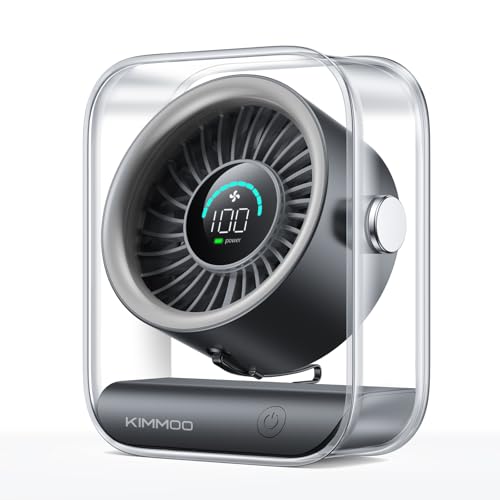
- LFR Score9.2
LFR Score is a ranking system developed by lightfansreviews.com. LFR Score has no relationship or impact from any manufacturers or sales agent websites. Learn more
- BrandKIMMOO
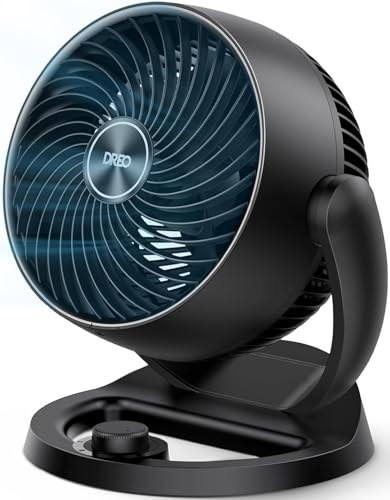
- LFR Score9.2
LFR Score is a ranking system developed by lightfansreviews.com. LFR Score has no relationship or impact from any manufacturers or sales agent websites. Learn more
- BrandDREO
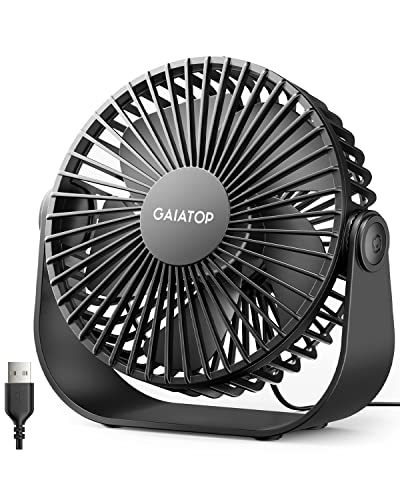
- LFR Score9.2
LFR Score is a ranking system developed by lightfansreviews.com. LFR Score has no relationship or impact from any manufacturers or sales agent websites. Learn more
- BrandGaiatop

- LFR Score9.2
LFR Score is a ranking system developed by lightfansreviews.com. LFR Score has no relationship or impact from any manufacturers or sales agent websites. Learn more
- BrandEdvision

- LFR Score8.8
LFR Score is a ranking system developed by lightfansreviews.com. LFR Score has no relationship or impact from any manufacturers or sales agent websites. Learn more
- BrandKopBeau

- LFR Score8.6
LFR Score is a ranking system developed by lightfansreviews.com. LFR Score has no relationship or impact from any manufacturers or sales agent websites. Learn more
- BrandHoneywell

- LFR Score8.6
LFR Score is a ranking system developed by lightfansreviews.com. LFR Score has no relationship or impact from any manufacturers or sales agent websites. Learn more
- BrandHOLMES

- LFR Score8.2
LFR Score is a ranking system developed by lightfansreviews.com. LFR Score has no relationship or impact from any manufacturers or sales agent websites. Learn more
- BrandKONSIDEN
Last update on 2026-06-01 / Affiliate links / Images, Product Titles, and Product Highlights from Amazon Product Advertising API
How To Measure Table Fan Size For Better Cooling
A fan can look small in a product photo and still hog half a nightstand once it shows up. That little surprise gets old fast, especially in tight rooms where every inch has a job. The practical way around it is learning how to measure table fan size before buying, moving, or comparing models. A few careful measurements can save you from weak airflow, crowded surfaces, and that annoying return-box shuffle nobody enjoys.
Measure The Blade Sweep First
The size printed on most table fan listings usually refers to the blade sweep, not the height of the whole fan. Blade sweep means the full circular path the blades make as they spin. So, a 12-inch table fan usually has blades that create about a 12-inch circle from edge to edge. That number matters because it gives the first clue about air coverage.
Grab a tape measure and check from the tip of one blade straight across to the tip of the opposite blade. If the fan has three blades, measure from one blade tip across the center to the farthest point in the circular sweep. Don’t measure only one blade from the hub outward unless you plan to double that number. That half measurement is called the radius, while fan size usually uses the diameter.
Blade sweep helps explain why two fans with similar heights can feel totally different in use. A 10-inch fan may feel fine on a desk, but a 16-inch fan can push air across a small bedroom with less effort. Bigger blades often move more air at lower speed settings, though they also need more space to sit and swing. That tradeoff is the whole ballgame.
Don’t treat blade size as the only decision, though. A wide blade sweep inside a bulky grille can still feel awkward on a narrow table. Also, some fans have thick frames, oversized guards, or wide oscillation paths that take up more room than the blade label suggests. Fan blade diameter starts the measurement, but it doesn’t finish the job.
Check The Grille From Edge To Edge
The grille is the round protective cage around the blades, and it often adds extra width beyond the listed fan size. This is where shoppers get burned. A fan sold as 12 inches may need several more inches of real-world space because the grille, frame, and side brackets extend past the blade sweep. Measuring the outer grille width gives a more honest picture.
Set the fan upright and measure from the far left edge of the grille to the far right edge. Keep the tape measure level across the widest part. This tells you how much horizontal space the fan body actually needs before it even starts oscillating. That number is especially important for bedside tables, small desks, shelves, and kitchen counters.
The grille also affects cleaning and airflow direction. A wider grille with tighter spacing can make the fan feel safer around curious hands, but it may collect dust faster. A deeper grille can protect the blades better, yet it might push the fan forward on a shallow surface. Small difference, big headache.
Also, leave breathing room behind the grille. A table fan shoved flat against a wall won’t pull air as cleanly, and the motor may run warmer than it should. Give the back side a little clearance so airflow can move smoothly through the fan. To compare airflow options beyond tabletop models, explore best outdoor ceiling fans for wider room and patio coverage ideas.
Measure Height, Base Width, And Tilt Space
Fan height matters more than people expect. A tall table fan can block a monitor, sit too high beside a bed, or blast air straight into your face instead of across the room. Measure from the bottom of the base to the top of the grille. That gives the full standing height, not just the blade size.
The base needs its own measurement because stability starts there. A small base may look neat, but it can wobble if the fan head is heavy or tilted upward. Measure the base from front to back and side to side. A wider base usually feels steadier, while a narrow base saves space but may not love bumpy tables.
Tilt space is another sneaky detail. Many table fans lean forward or backward, and that movement changes the total depth needed on a desk or shelf. Measure the fan at its deepest tilt angle if you plan to angle airflow toward a bed, chair, or work area. Adjustable tilt sounds handy until the fan bumps into the wall every time you move it.
Think about nearby items too. Lamps, books, chargers, plant pots, and speakers all compete for the same surface. A fan that technically fits may still feel cramped if the base crowds everything else. For small storage corners that need better visibility around cords and shelves, upgrade nearby utility lighting with best wireless closet light so tight spaces stay easier to manage.
Allow Room For Oscillation
Oscillation is where table fan sizing gets real. A fan may fit perfectly while still, then sweep into a wall, lamp, curtain, or stack of papers once it starts moving. Measure the fan’s full side-to-side movement before deciding where it belongs. Oscillation clearance keeps the fan useful instead of annoying.
Turn the fan to its far-left position and mark the outer edge. Then turn it to the far-right position and measure the total space it covers. This gives the true working width, not just the fan body width. That working width matters most on narrow dressers, nightstands, and shared work desks.
Air direction also changes as the fan swings. If the oscillation arc is too wide for the room, the airflow may spend half its time cooling the wall instead of the person sitting nearby. If the arc is too narrow, one spot gets blasted while the rest of the room stays stuffy. The sweet spot depends on room size, furniture layout, and how close the fan sits.
Oscillation can also exaggerate noise. A fan that clicks, rattles, or drags during rotation becomes more irritating at night than during the day. Before committing to a spot, run the fan through a full sweep and listen for rubbing or wobbling. Compare wider air-moving setups with best outdoor ceiling fan high wind areas if stronger, steadier air movement is needed outside the tabletop zone.
Match Fan Size To Room Use
A desk fan doesn’t need to cool the whole room. It only needs to keep air moving around your face, hands, and upper body without knocking papers across the floor. For that kind of setup, smaller fans often make more sense because they sit closer and run at lower speeds. Personal cooling rewards precision more than raw size.
Bedroom use changes the math. A fan across the room needs enough blade sweep and oscillation range to move air over a wider area. A compact fan on a nightstand can work if it sits nearby, but it may feel too direct during sleep. A slightly larger model set farther away can feel smoother and less harsh.
Kitchen counters and small dining areas bring another problem. Grease, steam, and clutter can make a large table fan feel like one more thing in the way. A medium fan with a stable base may fit better than a huge model that steals prep space. Surface depth becomes just as important as airflow.
Home office setups deserve careful measuring too. A fan beside a laptop should cool without drying out eyes or pushing hot air from electronics back toward your body. The best fit usually leaves enough room for cables, notebooks, and a mouse pad. Comfortable airflow should support the routine, not take over the desk.
Avoid Common Measuring Mistakes
The biggest mistake is measuring the fan box instead of the fan. Packaging can be larger than the actual product, and online photos can hide the real proportions. Always look for blade sweep, grille width, full height, and base footprint. Those four numbers tell a much clearer story than a single size label.
Another mistake is ignoring the power cord. A cord that exits from the back may force the fan farther forward on a shallow shelf. That shift can make the base hang near the edge, which feels risky in homes with pets, kids, or crowded furniture. Cord placement may sound boring, but it affects daily use.
People also forget to measure the path of airflow. A fan can be the correct physical size and still sit too low, too high, or too close. Air should move across the body or through the room, not straight into one ear all night. A quick placement test saves a lot of fidgeting later.
Old workshop advice says, “Measure twice, cut once.” Fan shopping has its own version: measure twice, buy once. Check the surface, the fan body, and the swing zone before clicking the order button. That habit keeps how to measure table fan size from being guesswork and turns it into a simple buying filter.
Use Size Labels Without Getting Fooled
Size labels are useful, but they don’t tell the full truth. A 16-inch fan from one brand may have a slimmer grille than another 16-inch fan from a different brand. The blade sweep might match, while the frame, base, and tilt design feel completely different in real life. That’s why listed fan size should be treated as a starting point.
Product descriptions often separate blade size from overall dimensions, and both matter. Blade size suggests airflow potential, while overall dimensions reveal whether the fan fits your space. If the listing only gives one number, be skeptical. A real fit decision needs width, depth, and height.
Photos can mislead too. A fan shown alone on a white background gives no sense of scale. Look for images beside desks, beds, chairs, or people if available, then still confirm the measurements. Visual clues help, but actual dimensions keep surprises in check.
Small rooms punish sloppy sizing. A fan that’s too large may make a space feel cluttered, while a fan that’s too small may run loudly because it has to work harder. The better move is matching blade sweep to the job, then checking grille and base measurements against the exact surface. That approach keeps comfort practical instead of hopeful.
Best Ways To Measure Table Fan Size Accurately
Small measurement mistakes can turn a decent fan into a daily annoyance. A fan that barely fits the desk may vibrate against the wall every time it oscillates, while a weak model leaves warm corners untouched during humid nights. That frustration usually starts before the fan is even plugged in. A more careful approach to how to measure table fan size helps avoid wasted money, cramped surfaces, and airflow that feels uneven or irritating.
Compare Airflow Instead Of Fan Labels
Fan labels love simple numbers because they look easy to compare. Real airflow doesn’t behave that neatly. Two fans with the same blade diameter can push air very differently depending on blade pitch, grille spacing, motor strength, and oscillation range. That’s why relying only on the printed size often creates false expectations.
Smaller fans usually concentrate airflow into a tighter stream. That can feel refreshing at a work desk where direct cooling matters more than room circulation. Larger fans spread air farther across the room, though they may need more distance from the body to avoid feeling overpowering. Air distribution matters just as much as blade size.
Pay attention to fan depth too. A deep fan body often means the motor housing sits farther back, which changes how air travels around nearby furniture. Tight corners, bookshelves, and wall placement can all interfere with smooth airflow. A fan that technically fits the room may still struggle because surrounding objects choke the circulation path.
Nighttime comfort also changes the equation. Strong airflow feels nice for ten minutes, then suddenly too aggressive at 2 a.m. if the fan sits too close to the bed. Balanced sizing creates softer circulation without forcing the highest speed setting all night. That balance usually improves both comfort and noise control.
Use Surface Measurements Before Buying
People often measure the fan and forget the surface underneath it. That’s backward. Start with the desk, shelf, nightstand, or counter first, then compare the fan dimensions against the available space. Measuring the placement area gives a much clearer limit before product shopping even begins.
Leave extra room around the fan instead of squeezing it into the exact footprint. Fans need space to pull air through the rear grille and circulate it forward properly. A tight fit near walls, stacks of books, or storage bins can reduce airflow efficiency. That restriction may also increase motor strain over time.
Desk setups become tricky because modern workstations already hold monitors, keyboards, lamps, speakers, and charging cables. A bulky fan base can quickly create clutter that feels stressful during long work sessions. Smaller fans usually fit better beside electronics, though they may need closer placement for effective cooling. Desk balance becomes part of the airflow strategy.
Bedside placement deserves extra caution. A fan too close to pillows may dry out eyes or create uncomfortable airflow across the neck and shoulders. For compact nighttime setups, pair cooling airflow with softer ambient lighting using best wall mounted bedroom reading lights to reduce crowding on already small nightstands.
Watch Out For Noise And Vibration
Noise complaints usually start after the excitement of buying the fan wears off. A model that sounds acceptable in a busy store can become maddening in a quiet bedroom or office. Fan size plays a surprisingly big role here because smaller blades often spin faster to move enough air. Faster spinning can create sharper motor noise and more vibration.
Larger fans may sound smoother because they move more air at lower speeds. That doesn’t automatically make them quiet, though. Cheap frames, loose grilles, and weak bases can rattle regardless of blade size. Measuring the fan properly helps because stable placement reduces wobbling and uneven movement.
Surface material matters too. A fan placed on a hollow wooden shelf may vibrate louder than the same fan on a heavy desk. Thin metal tables can amplify humming sounds in ways that surprise people. Testing the fan on different surfaces sometimes solves noise problems without replacing the unit. Placement stability matters more than most people realize.
Oscillation mechanisms can also become noisy over time. Fans that constantly tap walls, cords, or nearby objects during rotation wear down faster and sound rougher. Leaving extra swing clearance protects both the fan and the room setup. Quiet airflow usually comes from a combination of correct sizing, proper placement, and realistic speed settings.
Measure For Seasonal Room Changes
Room conditions shift more than people expect throughout the year. Summer setups often include open windows, portable AC units, blackout curtains, and rearranged furniture. A table fan that fit perfectly during cooler months may suddenly feel awkward once the room layout changes. Flexible sizing helps avoid that seasonal headache.
Humidity changes airflow comfort too. A strong fan in a dry room may feel refreshing, while the same airflow in humid weather can feel sticky and uneven. Slightly larger fans sometimes handle muggy rooms better because they move air more steadily without needing maximum speed. That slower circulation often feels easier to live with for long periods.
Window placement affects fan performance more than many realize. Fans near windows can either improve ventilation or fight against incoming air depending on direction and room shape. Measuring both the fan and surrounding clearance helps maintain smoother airflow patterns. Ventilation support becomes especially useful during hot evenings.
Outdoor airflow setups follow similar logic on a larger scale. Covered patios, porches, and semi-open spaces need stronger air movement because open environments disperse airflow quickly. For larger cooling zones beyond tabletop fans, compare circulation styles through best outdoor waterproof ceiling fans to handle moisture and wider coverage more effectively.
Check Fan Placement For Safety
Safety problems usually start with rushed placement. A fan balanced near the edge of a dresser or crowded beside dangling cords becomes a tipping hazard pretty fast. Pets, kids, and even casual bumps during cleaning can knock unstable fans sideways. Proper measuring reduces those risks before the fan ever starts spinning.
Power cords deserve more attention than they get. A short cord may force the fan into awkward positions that block walkways or pull tension against the plug. Extension cords can help, though they also create tripping concerns if routed poorly. Measuring cord reach during setup keeps the fan positioned where airflow actually works best.
Tall table fans can become unstable if the base is too narrow for the fan head size. Oscillation adds movement stress, especially on uneven surfaces. Checking both base width and surface stability helps prevent wobbling during daily use. Balanced support matters just as much as cooling power.
Dust buildup creates another overlooked issue. Fans tucked tightly against walls or shelves collect dirt faster because airflow becomes restricted around the rear grille. Extra clearance makes cleaning easier and helps maintain stronger circulation. Cleaner blades also reduce motor strain and improve overall airflow consistency.
Use Simple Measuring Tools Correctly
Fancy tools aren’t necessary for measuring table fans accurately. A basic tape measure handles almost everything. Measure blade sweep, grille width, base dimensions, height, and oscillation space using the same unit each time to avoid confusion. Consistency prevents small math errors that throw off the whole setup.
Painter’s tape can help visualize fan placement before buying. Mark the fan footprint directly onto the desk or shelf using the listed dimensions from the product page. That quick trick reveals whether nearby items still fit comfortably once the fan arrives. Visual spacing often exposes problems faster than numbers alone.
Smartphone measuring apps may help in a pinch, but they’re not always precise around curved objects like fan grilles. Traditional tape measures still provide the cleanest results for physical products. Double-check measurements around tilt movement and oscillation zones because those moving parts usually need extra space. Little oversights add up fast.
Keep a small notepad or phone note with room dimensions and preferred fan sizes once you find a setup that feels comfortable. That reference makes future upgrades easier without starting from scratch every summer. Reliable airflow usually comes from repeating measurements that already fit your space and daily routine well.
Know When Bigger Fans Become A Problem
Bigger fans sound appealing because more airflow seems like the obvious answer. Reality gets messier. Oversized table fans can dominate small rooms visually, overwhelm nearby seating areas, and create nonstop noise if placed too close. More airflow isn’t always more comfortable.
Large fans also demand more clearance during oscillation. Tight bedrooms and crowded apartments often don’t leave enough room for wide sweeping movement. A smaller fan placed strategically may cool better than a giant fan trapped in a cramped corner. Placement efficiency beats brute force airflow in many cases.
Strong direct airflow can dry skin, irritate eyes, and scatter papers around desks or bedside tables. That problem becomes more noticeable during overnight use because airflow stays locked onto the same spot for hours. Medium-sized fans often strike a more comfortable balance between circulation and comfort. Steady airflow usually feels better than aggressive blasting.
Energy use can shift too. Larger fans may encourage higher-speed use simply because the airflow feels satisfying. Smaller fans often work well enough at lower settings when placed correctly nearby. Measuring the room carefully before buying keeps the fan practical instead of oversized for the actual space.


Best Small Flush Mount Ceiling Fans 2026 Ultimate Picks

Best Smart Ceiling Fan India 2026 For Effortless Comfort

Best Smart Ceiling Fans with Lights for 2026: Top Picks

Best Smart Home Non Ceiling Fans 2026 For Ultimate Comfort

Best Outdoor Misting Ceiling Fan 2026 For Ultimate Comfort

Best Outdoor Ceiling Fans For Porch 2026 With Style And Breeze

Best Smart Bulb For Ceiling Fan 2026 That Brightens Life
Best Smart Ceiling Fan Control 2026 For Effortless Comfort