
How to Reset a Hybrid System Warning Light Safely

Pull over safely and shut down the engine to give the vehicle computers a chance to reboot. Once parked, the most dependable way to reset the alert is to erase the stored code with a plug-in code reader attached under the steering wheel. A simple glitch might also clear on its own after tightening a loose gas cap and restarting the car a few times.
The right fix depends on what caused the warning. A minor software slip or an aging regular small car battery is simple to handle in your driveway. But a deeper issue inside the main high-voltage drive battery will bring the warning right back until a technician fixes the fault. Different vehicle models also follow slightly different steps, especially if there is no scan tool on hand and the regular battery must be disconnected. Here is how to check what triggered the screen and clear it without risking damage.
Pull Over Safely and Check How the Car Feels
When a hybrid warning appears on your dashboard, your first priority is staying safe and avoiding electrical damage. Hybrids use a yellow warning triangle, a message stating "Check Hybrid System," or a battery icon. Sometimes the car drives normally. Other times, the hybrid computer triggers a low-power limp mode to shield electrical parts from heat or voltage spikes.
If you are in moving traffic, smoothly guide your car toward the nearest exit or shoulder. Pay attention to how the vehicle behaves under your control:
- Acceleration: Notice whether the car hesitates or struggles to reach thirty miles per hour. If the gas pedal feels unresponsive, steer off the road right away.
- Braking feel: Hybrids blend regenerative braking from electric motors with standard hydraulic brakes. If the brake pedal feels stiff, spongy, or sinks toward the floor, pump the pedal gently and bring the car to a halt.
- Companion dashboard lights: A hybrid light paired with an oil pressure icon, a red engine temperature symbol, or a flashing check engine light means you must shut down immediately.
- Unusual noises or odors: Listen for a high-pitched whine from the engine bay or a loud cooling fan under the rear seat. Watch for hot electrical smells or sweet coolant vapor.
After parking safely, shift into park, set the parking brake, and turn the car off. Wait two full minutes. Hybrid computer networks run automated self-checks, and a momentary communication delay can trigger a false alert. Press the brake and power the car back on. If the warning disappears and the ready indicator illuminates, you experienced a harmless system glitch. If the light stays on, inspect basic components before assuming the drive battery has failed.
Inspect Simple Glitches Before Assuming the Worst
A hybrid warning light often sparks fear of a huge repair bill for a new main high-voltage drive battery. Fortunately, the hybrid computer monitors dozens of simple parts that have nothing to do with battery pack failure. Inspect these common trouble spots first:
Check your gas cap. Modern hybrid computers monitor fuel tank vapor pressure closely. If you recently pumped gas and left the cap loose, or if the rubber gasket is cracked, vapor escapes. This evaporative fault often triggers the master warning triangle alongside the check engine light. Remove the cap, check the rubber seal for grit, and tighten it until it clicks firmly into place.
Clear the cooling fan vent. The main high-voltage drive battery generates heat and relies on an electric fan pulling cool cabin air across the cells. Intake vents usually sit on the rear seat cushion edge, near the door sill, or below the back seat. Pet hair, gym bags, or coats can block this grille. Restricted airflow causes battery temperatures to rise, which triggers a protective dashboard alert. Brush the grille clean and keep the area around the vent open.
Inspect the twelve-volt auxiliary battery. Hybrids carry a regular small car battery to power internal computers, dashboard instruments, and high-voltage relays before the main system engages. If this small battery drops below twelve volts from age or short trips, the vehicle computers suffer voltage drops during startup. They log false trouble codes across the network, showing a hybrid warning even though the main drive battery is fine.
Verify inverter coolant levels. Hybrids use a separate cooling loop for the hybrid inverter, which converts power between the battery and electric motors. Find the clear tank labeled for inverter coolant under the hood. Make sure fluid sits between the minimum and maximum lines. Low coolant allows power electronics to overheat rapidly under load.
Clear the Trouble Code Using a Handheld Code Reader
The cleanest way to reset the warning light is with a plug-in code reader. Clearing the code erases stored fault history from the computer memory and turns off the light. You can perform this reset from the driver seat without mechanical tools.
- Locate the diagnostic port: Find the sixteen-pin diagnostic plug under the driver side dashboard, usually situated above the pedals or near your left knee.
- Connect the code reader: Ensure the car is completely powered off. Plug the scanner cable securely into the vehicle port until the tool powers on.
- Switch ignition to accessory mode: Press the vehicle power button once or twice without touching the brake pedal. The dashboard symbols will light up, but the vehicle must remain out of ready mode. The gas engine must stay off while the tool communicates.
- Read and record all trouble codes: Run a system scan on the tool. Write down every active code, such as P0A80 for battery pack conditions, along with freeze-frame data. Never erase a code before writing it down, as mechanics need those numbers if an underlying issue persists.
- Select the clear codes command: Choose the erase or clear codes function on the scanner menu and confirm. You will hear quiet relays click behind the dashboard as the computer resets.
- Turn off the vehicle: Power the car down completely and unplug the code reader from under the dash.
- Restart into ready mode: Step on the brake pedal, push the power button, and confirm that the ready indicator lights up. If the warning stays off, your reset is complete.
Disconnect the Regular Twelve-Volt Battery to Clear Minor Glitches
If you do not own a plug-in code reader, performing a manual power reset clears temporary computer errors. Disconnecting the regular small car battery drains memory circuits in the control modules, resetting temporary warning lights. This will also reset your radio presets and clock.
- Power down the car: Shift into park, turn off the ignition, switch off exterior lights, and close all doors. Move your smart key fob at least fifteen feet away so proximity sensors let the car go to sleep.
- Locate the auxiliary battery: Most hybrids store the small twelve-volt battery inside the trunk under the cargo floor mat or behind a side trim panel. If you are working inside an enclosed rear cargo compartment, having secure 12V mounting strip lights illuminates tight battery spaces cleanly so you can work with both hands.
- Disconnect the negative cable: Identify the black negative battery terminal marked with a minus sign. Use a ten-millimeter wrench to loosen the clamp nut. Gently twist and pull the clamp off the battery post. Move the loose cable aside so it cannot touch metal. Do not loosen the positive red terminal.
- Wait twelve to fifteen minutes: Electronic modules contain capacitors that hold power after disconnection. Waiting fifteen minutes allows those small circuits to drain completely.
- Press the brake pedal: Step firmly on the brake pedal for five seconds while the battery is disconnected. The brake lights draw remaining residual electricity out of the wiring.
- Reconnect the terminal: Slide the negative clamp back onto the battery post and tighten the nut firmly. Ensure the terminal does not twist by hand.
- Start the car: Power the car into ready mode. The engine may run for several minutes while the computer relearns its idle calibration.
Stop Driving and Call a Professional When These Red Flags Appear
Resetting a warning light works well for minor electrical blips, but clearing codes never fixes physical component damage. Stop driving and call a professional if you spot any of these red flags:
- Exposed orange wiring: Automakers wrap all high-voltage lines in bright orange casing. These cables connect the main battery, inverter, and electric drive motors under hundreds of volts. Never touch, probe, or bend orange cables or their orange safety connectors.
- Warnings that return right away: If the hybrid light flashes back on within thirty seconds of clearing it, the car has a permanent electrical fault. Continuing to drive risks destroying the inverter or motor windings.
- Rapidly screaming cooling fans: If the battery fan under the rear seat roars at maximum speed continuously, the main high-voltage drive battery is dangerously hot. Continued driving can warp battery cells.
- Harsh mechanical clunking or shuddering: Knocking sounds from the back seat or severe driveline shuddering under acceleration points to failing internal contactor relays or generator synchronizers.
- Complete loss of drive power: If the gas engine revs loudly while the car barely moves, the electric motor-generators have stopped assisting. Pull to safety and arrange a flatbed tow.
Choose a Basic Plug-In Diagnostic Tool That Fits Your Vehicle
Carrying a simple handheld plug-in code reader in your vehicle removes the guesswork when a warning light illuminates. You do not need a commercial shop scanner to handle basic diagnostics. A standard portable tool lets you identify trouble codes in seconds, clear minor faults, and determine whether your car is safe to drive.
When selecting a diagnostic tool, check three practical features. Look for a durable cable at least two to three feet long so you can read the screen comfortably from the driver seat without straining the port connection. Select a unit with an easy-to-read screen that displays code definitions directly, which eliminates the need to look up codes on your phone. Finally, verify that the tool includes a twelve-volt battery check function. Because low auxiliary voltage causes so many phantom hybrid warnings, verifying your small battery through the diagnostic port saves substantial diagnostic effort.

- LFR Score9.2
LFR Score is a ranking system developed by lightfansreviews.com. LFR Score has no relationship or impact from any manufacturers or sales agent websites. Learn more
- BrandANCEL
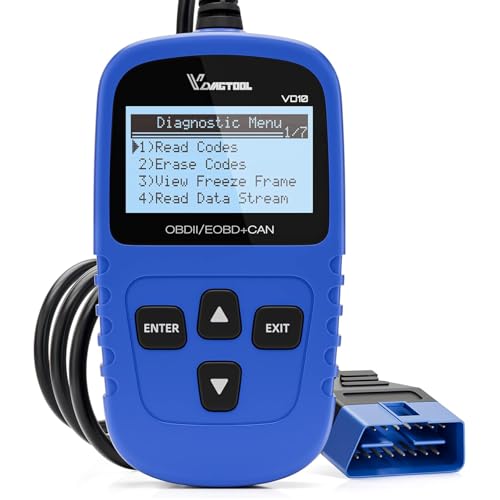
- LFR Score9.2
LFR Score is a ranking system developed by lightfansreviews.com. LFR Score has no relationship or impact from any manufacturers or sales agent websites. Learn more
- BrandVDIAGTOOL

- LFR Score9.2
LFR Score is a ranking system developed by lightfansreviews.com. LFR Score has no relationship or impact from any manufacturers or sales agent websites. Learn more
- BrandWEJOWE

- LFR Score9.0
LFR Score is a ranking system developed by lightfansreviews.com. LFR Score has no relationship or impact from any manufacturers or sales agent websites. Learn more
- BrandFOXWELL

- LFR Score8.8
LFR Score is a ranking system developed by lightfansreviews.com. LFR Score has no relationship or impact from any manufacturers or sales agent websites. Learn more
- BrandOBDMATE

- LFR Score7.2
LFR Score is a ranking system developed by lightfansreviews.com. LFR Score has no relationship or impact from any manufacturers or sales agent websites. Learn more
- BrandZIMISI

- LFR Score6.6
LFR Score is a ranking system developed by lightfansreviews.com. LFR Score has no relationship or impact from any manufacturers or sales agent websites. Learn more
- BrandLyxheth

- LFR Score5.8
LFR Score is a ranking system developed by lightfansreviews.com. LFR Score has no relationship or impact from any manufacturers or sales agent websites. Learn more
- Brandyorpyep
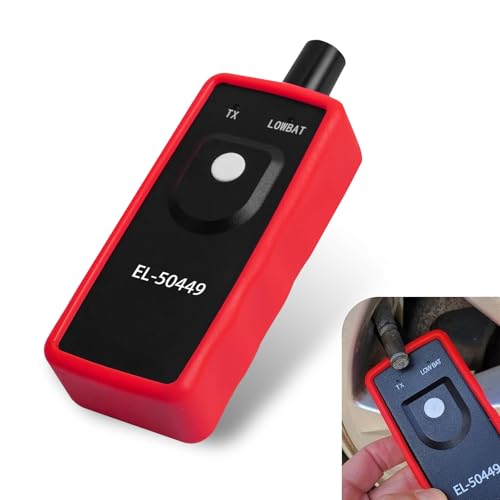
- LFR Score5.6
LFR Score is a ranking system developed by lightfansreviews.com. LFR Score has no relationship or impact from any manufacturers or sales agent websites. Learn more
- BrandCyperFair
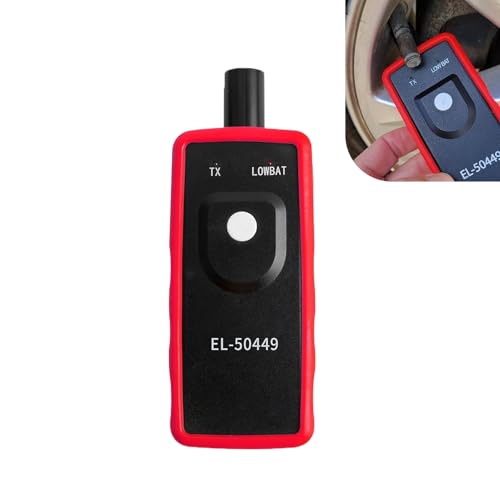
- LFR Score5.2
LFR Score is a ranking system developed by lightfansreviews.com. LFR Score has no relationship or impact from any manufacturers or sales agent websites. Learn more
- BrandTitwaye
Last update on 2026-09-29 / Affiliate links / Images, Product Titles, and Product Highlights from Amazon Product Advertising API
FAQs
Will driving with the hybrid system warning light on damage the main battery?
It depends on the cause. If the light stems from a loose gas cap or minor sensor glitch, driving a short distance will not harm the car. But if the issue involves an overheating battery pack or inverter cooling failure, driving further risks permanent, expensive damage. Pull over and check for heat, noises, or burning smells first.
Why does the hybrid warning light return immediately after I clear it?
Clearing the code wipes the computer log, but it does not fix broken hardware. If an active fault remains, such as a failing battery module, damaged coolant pump, or loose wiring sensor, the computer detects it immediately upon startup and turns the light back on. The warning stays off only after the underlying fault is repaired.
Can a weak twelve-volt auxiliary battery cause a hybrid system failure warning?
Yes, a failing twelve-volt regular car battery is one of the most frequent causes of false hybrid warnings. The hybrid control modules require steady twelve-volt power to boot up and close the high-voltage relays. If voltage dips during startup, the computers log communication errors and trigger a hybrid warning, even when the main high-voltage drive battery is fully functional.
How many drive cycles does it take for a cleared warning light to reset permanently?
Most hybrid vehicles require between two and five full drive cycles for all internal system monitors to finish their routines. A drive cycle usually involves starting the car cold, driving at varying city and highway speeds for twenty minutes, and letting the vehicle cool down completely. If no errors occur during these cycles, the monitors mark themselves ready and the light stays off.


Best Lighting For Makeup 2026 Bright Ideas For Flawless Looks

Best Wall Sconces For Staircase 2026 Brighten Your Home

Best Lighting For Computer Desk 2026 For Focused Work

Best Boat Black Lights 2026 For Nighttime Adventure

Best Black 30 Inch Light Bar Reviews – Top Picks of 2026

Best Black Light For Aquarium 2026 For Vibrant Glow

Best Black Light for Authenticating Glass 2026 Top Picks

Best Waterproof Spotlight 2026 That Outshines Expectations






