How to Reset a Flashing or Solid Overdrive Light

Check the side of the gear shift lever right away for a small push button. Tapping that switch is usually all it takes to turn off a solid light, because someone likely bumped it by mistake while driving or parking. Overdrive is simply your car's highest cruising gear that saves fuel on the highway, and this button turns that high gear off for towing or climbing steep hills. When the indicator stays steadily lit on your dashboard, your car is merely letting you know that top gear is locked out.
A blinking light tells a completely different story. A flashing signal means the transmission computer sensed an active mechanical or electrical trouble code, which requires plugging in a code reader tool to diagnose and clear. Broken wiring inside the steering column or low, dirty transmission fluid can also trigger the warning. Here is how to tell an accidental button bump from a serious transmission warning and get the indicator cleared safely.
Solid vs Flashing: What Your Transmission Is Saying
Seeing an overdrive light on your dashboard can trigger immediate worry, but it does not always mean your transmission is failing. In many cases, it simply means a normal cruising mode was switched off by hand. To know what to do, first look at how the light behaves: is it glowing solid, or is it flashing?
In an automatic car, overdrive is the highest cruising gear that saves fuel at highway speeds. Lower gears get the car moving from a stop by letting the engine spin faster than the wheels. Once you reach highway speeds, shifting into overdrive lets the engine spin slower while the car cruises fast. This keeps the engine quiet, reduces wear, and saves fuel on long trips.
A solid "O/D OFF" light means the transmission is locked out of that top gear. It will still shift through lower gears normally, but the engine will rev higher at highway speeds. A solid light usually happens when someone bumps the shifter button, when shifting into lower gear positions, or when tow mode is on. It is not an error code and does not mean parts are broken.
A flashing or blinking overdrive light is completely different. When it blinks, the transmission control computer (the electronic brain that manages gear shifts) has detected an active problem. A flashing light acts as a check engine light specifically for your transmission. Common causes include a failing shift solenoid (an electric valve that routes transmission fluid to change gears), a faulty speed sensor, dirty fluid, or overheating.
Use this quick checklist to decide whether you can keep driving:
- Solid light with smooth shifting: Safe to drive. Your car is simply holding a lower gear. You can drive normally, but switch overdrive back on before highway cruising to save fuel.
- Flashing light with normal shifting: Safe for short, gentle trips. If gears shift cleanly without slipping, drive carefully to your home or a repair shop. Avoid steep hills, heavy loads, and high speeds.
- Flashing light with slipping or clunking: Unsafe to drive. If the engine revs without accelerating, if gears slam, or if you smell burnt fluid, pull over safely right away. Driving while internal clutches slip can destroy a transmission within miles.
The Instant Fix: Finding and Pressing the Shifter Switch
If your dashboard shows a solid "O/D OFF" light, turning it off usually takes just a second. Since a solid light means the system was turned off manually, pressing the toggle switch turns it right back on. Drivers often bump this button with a thumb, a hand, or a bag without realizing it.
Follow these steps to find the switch and restore your normal cruising gear:
- Find the toggle button: Locate the overdrive switch (a small push button on the side of the shifter). On center console shifters, it sits on the side of the handle, right below the main shift release knob. On steering column shifters, it is usually a small button on the outer tip of the lever. On some older cars, it may be a standalone switch on the lower dash.
- Press the button firmly: While the engine is running, press the button once. The solid "O/D OFF" light should disappear immediately. If you are driving above 45 miles per hour, the car will shift up into top gear, and the engine sound will quiet down.
- Check for a stuck switch: If pressing the button does not turn the light off, feel how it moves. Shifter handles sit right next to cup holders, making them easy targets for spilled coffee or soda. Dried liquid can jam the button inside its housing. Clean around the button edges with a damp cloth to free the spring mechanism.
- Inspect for broken shifter wiring: If the button clicks normally but the light stays on, a wire may have snapped inside the shifter stalk. Moving the lever between Park and Drive repeatedly bends the thin wires inside the hollow lever. Over years of use, that bending snaps the wire inside the column or console. Fixing this does not require a new transmission. A technician or handy car owner can remove the trim cover, locate the broken wire, and splice it back together in under an hour.
How to Reset a Blinking Light and Why Battery Tricks Fail
When the overdrive light flashes, pressing the shifter button does nothing. The transmission computer has detected a problem and locked out manual controls to protect the mechanical gears. To clear a flashing light, you must read the fault codes, fix the issue, and clear the computer memory with an OBD2 scanner (a plug-in code reader tool for dashboard warning lights).
Follow these steps to scan and reset the transmission computer:
- Connect the code reader: Park on flat ground, set the parking brake, and turn the engine off. Locate the 16-pin diagnostic port under the driver-side dashboard, usually right below the steering wheel. Plug the scanner firmly into the port.
- Turn the electronics on: Turn the ignition key to "ON" or "Run", but do not start the engine. This powers the vehicle computers so the scanner can communicate.
- Scan for transmission codes: In the scanner menu, select transmission diagnostics or the transmission control computer (often labeled TCM). Write down any error codes and definitions shown on the screen, such as a shift solenoid circuit or speed sensor fault.
- Fix the problem before resetting: Never erase a blinking transmission code without fixing the cause. If a solenoid is failing or fluid is dangerously low, erasing the code is only temporary. The computer will notice the fault on your next drive and flash the light again.
- Clear the memory: After completing the repair or checking fluid levels, choose "Clear Codes" or "Erase" on your scanner. Turn the key off, unplug the tool, wait thirty seconds, and restart the engine to confirm the light stays off.
Some drivers try to reset dashboard lights by disconnecting the negative battery cable for twenty minutes. While this works on simple systems, it rarely clears a flashing transmission light on modern vehicles. Transmission computers store severe faults in permanent memory that stays intact even without battery power. Once you reconnect the battery and drive, the computer detects the issue and flashes the light again.
Disconnecting your battery also creates annoying problems. It erases radio presets, resets the clock, and deletes the engine computer's learned idle habits. The car may stumble or stall at stoplights for the next twenty miles while relearning fuel trims. If you run auxiliary accessories like 12V lights for a camper van, you know how sensitive vehicle electronics are to sudden power cuts. Using a dedicated scan tool keeps your computer memory intact and tells you the exact problem.
What to Look for in a Diagnostic Tool for Transmission Warnings
To find out why an overdrive light is blinking, choosing the right scanner is critical. Many drivers grab the cheapest code reader available, only to find it cannot communicate with the transmission at all. Basic scanners only read generic engine emissions codes, leaving them blind to transmission faults.
Look for these key features before choosing a diagnostic tool:
- Transmission system access: Make sure the tool specifically states it reads and clears codes from the transmission control computer (TCM). It must handle transmission-specific fault codes, not just basic check engine lights.
- Plain-language code definitions: Choose a reader that explains the code directly on the screen. A tool that shows "Shift Solenoid A Electrical Fault" is far easier to use than one that only shows a bare number like "P0750".
- Live sensor data: A tool that displays live sensor readings lets you monitor transmission fluid temperature and speed sensor data while the engine runs. This helps you confirm whether your transmission is overheating under load.
- Handheld vs wireless design: Handheld scanners plug directly into the port with a cable and need no batteries, making them simple and reliable. Wireless Bluetooth adapters send data to a smartphone app, giving you a larger color screen. Pick the style you find easiest to handle.
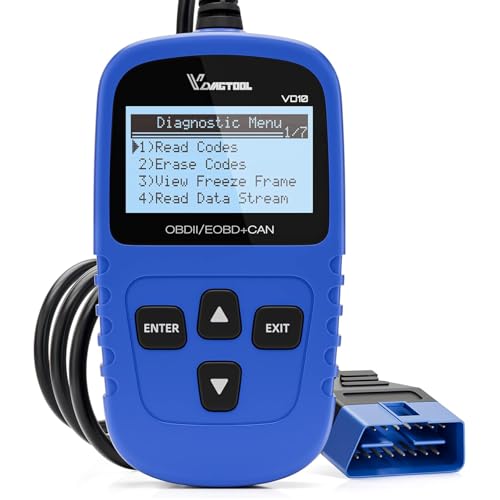
- LFR Score9.2
LFR Score is a ranking system developed by lightfansreviews.com. LFR Score has no relationship or impact from any manufacturers or sales agent websites. Learn more
- BrandVDIAGTOOL
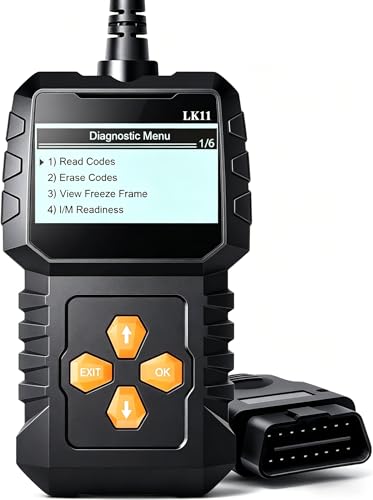
- LFR Score9.2
LFR Score is a ranking system developed by lightfansreviews.com. LFR Score has no relationship or impact from any manufacturers or sales agent websites. Learn more
- BrandLeeKooLuu

- LFR Score9.2
LFR Score is a ranking system developed by lightfansreviews.com. LFR Score has no relationship or impact from any manufacturers or sales agent websites. Learn more
- Brandlekiliky

- LFR Score9.0
LFR Score is a ranking system developed by lightfansreviews.com. LFR Score has no relationship or impact from any manufacturers or sales agent websites. Learn more
- BrandFOXWELL

- LFR Score8.8
LFR Score is a ranking system developed by lightfansreviews.com. LFR Score has no relationship or impact from any manufacturers or sales agent websites. Learn more
- BrandOBDMATE

- LFR Score8.8
LFR Score is a ranking system developed by lightfansreviews.com. LFR Score has no relationship or impact from any manufacturers or sales agent websites. Learn more
- BrandAutel

- LFR Score8.4
LFR Score is a ranking system developed by lightfansreviews.com. LFR Score has no relationship or impact from any manufacturers or sales agent websites. Learn more
- BrandVehpow

- LFR Score6.4
LFR Score is a ranking system developed by lightfansreviews.com. LFR Score has no relationship or impact from any manufacturers or sales agent websites. Learn more
- BrandKEVWR

- LFR Score5.8
LFR Score is a ranking system developed by lightfansreviews.com. LFR Score has no relationship or impact from any manufacturers or sales agent websites. Learn more
- Brandyorpyep
- LFR Score5.2
LFR Score is a ranking system developed by lightfansreviews.com. LFR Score has no relationship or impact from any manufacturers or sales agent websites. Learn more
- BrandTitwaye
Last update on 2026-09-29 / Affiliate links / Images, Product Titles, and Product Highlights from Amazon Product Advertising API
FAQs
Can low transmission fluid cause the overdrive light to blink?
Yes, low transmission fluid frequently causes an overdrive light to flash. Automatic gearboxes rely on hydraulic fluid pressure to move shift solenoids and clamp internal clutches together. When fluid runs low, the pump draws in air pockets, causing pressure to drop and clutches to slip. The transmission computer detects this slipping and flashes the overdrive light to prevent severe heat damage. Check your fluid level on the dipstick right away if the light begins flashing.
Why did my overdrive turn off by itself when I started the car?
In most vehicles, overdrive turns on automatically every time you start the engine. If your dashboard shows a solid "O/D OFF" light as soon as you turn the key, you likely bumped the shifter button while parking during your last trip. A sticky button gummed up with dirt or spilled drinks can also keep the switch pressed down. On some trucks, engaging a tow-haul switch or shifting into lower gear ranges locks out overdrive automatically by design.
Is it safe to drive on the highway with the overdrive light solid?
Driving on the highway with a solid "O/D OFF" light will not cause sudden mechanical failure, but it is inefficient. With overdrive locked out, the transmission cannot shift into its top cruising gear, forcing the engine to spin at much higher speeds to maintain pace. While the engine can handle higher revolutions for short trips, it burns significantly more gas, creates extra heat, and makes the cabin louder. Press the shifter button to switch the light off once you reach highway cruising speeds.


Best Lighting For Makeup 2026 Bright Ideas For Flawless Looks

Best Wall Sconces For Staircase 2026 Brighten Your Home
Best Lighting For Computer Desk 2026 For Focused Work

Best Boat Black Lights 2026 For Nighttime Adventure

Best Black 30 Inch Light Bar Reviews – Top Picks of 2026

Best Black Light For Aquarium 2026 For Vibrant Glow

Best Black Light for Authenticating Glass 2026 Top Picks
Best Waterproof Spotlight 2026 That Outshines Expectations