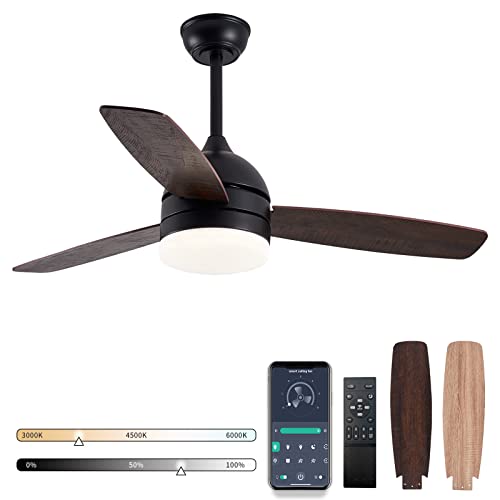
How to Reverse a Ceiling Fan for Summer Comfort

How to reverse a ceiling fan for summer sounds simple on paper, yet plenty of rooms still feel sticky, stale, and oddly uncomfortable even with the fan running all day. That’s the frustrating part. A ceiling fan spinning the wrong direction can push warm air downward instead of creating the gentle breeze people actually want during hotter months. Small setup mistakes quietly drain comfort while making energy bills creep higher than expected.
Most people don’t notice the issue until they stand under the fan and realize the airflow feels weak or heavy. The room may cool unevenly, corners stay muggy, and sleep becomes a nightly wrestling match with blankets and thermostat settings. Adjusting the blade direction changes the entire feel of the space without touching the air conditioner. That tiny switch can create a steady wind-chill effect that makes indoor temperatures feel several degrees cooler.
Ceiling fan direction also affects how efficiently air moves through bedrooms, living rooms, covered patios, and upstairs spaces where heat loves to linger. Fans rotating counterclockwise during summer push air downward, helping skin evaporate heat more naturally. That’s where the comfort kicks in. The breeze feels lighter, fresher, and far less suffocating during humid afternoons.
Oddly enough, many homeowners leave their fan settings untouched for years. Some don’t know the reverse switch exists, while others assume fan speed matters more than rotation. Nope, not quite. Blade direction plays a huge role in how the room feels, especially in spaces with higher ceilings or poor ventilation.
How to reverse a ceiling fan for summer becomes even more useful in homes where air conditioning struggles to keep up during peak heat. Running the fan correctly can help reduce overworked cooling systems while improving airflow in areas that usually trap heat. That matters during long summer evenings when bedrooms stay warm well after sunset. A properly adjusted fan helps the room feel calmer and less stuffy without blasting cold air nonstop.
Noise can also signal a problem. Fans spinning the wrong direction sometimes create awkward turbulence or uneven airflow that feels choppy instead of smooth. After reversing the fan, many rooms suddenly feel balanced again. Air circulates more naturally, and the space stops feeling like a heat pocket trapped under the ceiling.
Another overlooked detail involves outdoor ceiling fans. Covered porches and patios can feel unbearably still during summer unless airflow moves downward correctly. Reversing the fan direction creates a stronger cooling breeze where people actually sit and relax. That simple adjustment makes outdoor meals, conversations, and late-night gatherings far more comfortable.
Energy efficiency enters the conversation too. Nobody enjoys watching utility costs climb during hotter months, especially when cooling systems run nonstop. Proper fan direction supports better airflow circulation, which may help reduce dependence on lower thermostat settings. That combination often creates a more comfortable home environment without pushing HVAC systems into overdrive every afternoon.

- LFR Score10.0
LFR Score is a ranking system developed by lightfansreviews.com. LFR Score has no relationship or impact from any manufacturers or sales agent websites. Learn more
- BrandSQXBK

- LFR Score10.0
LFR Score is a ranking system developed by lightfansreviews.com. LFR Score has no relationship or impact from any manufacturers or sales agent websites. Learn more
- Brandlightingindoors

- LFR Score9.6
LFR Score is a ranking system developed by lightfansreviews.com. LFR Score has no relationship or impact from any manufacturers or sales agent websites. Learn more
- BrandSwitchPrince

- LFR Score9.0
LFR Score is a ranking system developed by lightfansreviews.com. LFR Score has no relationship or impact from any manufacturers or sales agent websites. Learn more
- BrandReluen

- LFR Score9.0
LFR Score is a ranking system developed by lightfansreviews.com. LFR Score has no relationship or impact from any manufacturers or sales agent websites. Learn more
- BrandHQRP

- LFR Score9.0
LFR Score is a ranking system developed by lightfansreviews.com. LFR Score has no relationship or impact from any manufacturers or sales agent websites. Learn more
- BrandMOTOKU
- LFR Score8.8
LFR Score is a ranking system developed by lightfansreviews.com. LFR Score has no relationship or impact from any manufacturers or sales agent websites. Learn more
- BrandLPHUMEX

- LFR Score8.6
LFR Score is a ranking system developed by lightfansreviews.com. LFR Score has no relationship or impact from any manufacturers or sales agent websites. Learn more
- BrandAnderic

- LFR Score8.4
LFR Score is a ranking system developed by lightfansreviews.com. LFR Score has no relationship or impact from any manufacturers or sales agent websites. Learn more
- BrandZZLZX

- LFR Score7.2
LFR Score is a ranking system developed by lightfansreviews.com. LFR Score has no relationship or impact from any manufacturers or sales agent websites. Learn more
- Branduaelua
Last update on 2026-05-19 / Affiliate links / Images, Product Titles, and Product Highlights from Amazon Product Advertising API
How To Reverse A Ceiling Fan For Summer
A sticky room can make a running fan feel almost pointless, especially after the sun has been beating through the windows all afternoon. The fix often isn’t a bigger fan or a colder thermostat, but the simple direction of the blades. How to reverse a ceiling fan for summer starts with making the fan push air downward so the breeze moves across your skin instead of trapping warm air near the living space. That small adjustment can make a room feel fresher, calmer, and less like a heat pocket.
Summer Fan Direction
Summer ceiling fan direction should usually be counterclockwise while you’re standing under the fan and looking up at the blades. That rotation pushes air downward, creating a direct breeze that helps the room feel cooler without actually lowering the room temperature. Yep, that part trips people up. A ceiling fan cools people, not the air itself.
The real benefit is the wind-chill effect. Moving air helps sweat evaporate from your skin, so your body feels cooler even if the thermostat hasn’t changed. That’s why a correctly set fan can make a room feel more comfortable during hot afternoons or muggy nights. It’s a small move, but it punches above its weight.
Stand directly below the fan while it runs on low or medium speed. If you feel a steady breeze pushing down, the fan is likely set correctly for summer. If the airflow feels weak, scattered, or strangely upward, the blades may be spinning in the winter direction.
Blade pitch, ceiling height, and fan size can change how strong that breeze feels. A larger room may need a higher speed, while a bedroom may feel better on low once the direction is correct. Comfort comes from airflow balance, not just cranking the fan to the highest setting and hoping for the best.
Finding The Reverse Switch
Most ceiling fans have a small reverse switch on the motor housing, usually just above the blades. Turn the fan off first and wait until the blades stop completely. That matters because flipping the switch while the fan is moving can strain the motor or make the mechanism stick. Safety first, even for a quick household adjustment.
Once the blades stop, look around the side of the motor for a sliding switch. Move it to the opposite position, then turn the fan back on and watch the blade direction. In summer mode, the blades should spin counterclockwise from your viewpoint below the fan. The breeze should move straight down into the room.
Some modern fans skip the physical switch and use a remote, wall control, or app setting instead. Look for buttons labeled reverse, direction, airflow, or seasonal mode. If the fan has a light kit that blocks the motor housing, the reverse switch may be hidden higher up. A small flashlight makes the search less annoying.
Old fans can be a little stubborn, especially if dust has collected around the switch. Don’t force it with pliers or jab at it with a screwdriver. Clean around the housing gently, then try again with dry hands. A stuck switch may need a careful inspection before the fan is used heavily through summer.
Checking Airflow The Easy Way
The easiest test doesn’t require tools. Stand under the fan and feel whether air is moving down toward your face and shoulders. A correct summer setting should create a noticeable breeze, even on a moderate speed. Downward airflow is the whole point.
A tissue test works too. Hold a lightweight tissue or thin paper strip below the fan while it runs. If the paper moves downward or flutters from the breeze below the blades, the fan is pushing air the right way. If the airflow seems to pull upward or barely moves the paper, reverse the fan again.
Don’t judge the setting from across the room. Air can bounce off walls, furniture, curtains, and tall shelving, which makes airflow feel confusing from the edges. Stand near the center first, then check seating areas afterward. Air movement near people matters more than what happens at the ceiling.
Light fixtures can add their own headaches. If the fan has bulbs that flicker, feel loose, or refuse to budge during cleaning, safely fix that before summer use gets constant. For a separate maintenance headache, use this practical guide to handle a stuck light bulb without turning a small task into a broken-glass mess.
Why Direction Matters
A fan spinning clockwise during summer can make a room feel warmer than expected. Clockwise rotation usually pulls air upward and helps redistribute warm air during colder months. That’s useful in winter, but in July it can feel like the fan is working against you. Wrong direction means less direct breeze where you actually sit, sleep, or work.
Counterclockwise rotation creates a stronger downward column of air. That breeze spreads across the floor and moves around furniture, which helps reduce the stale feeling that builds in closed rooms. The temperature may not drop on the thermostat, but the room can still feel noticeably more comfortable. That’s the practical win.
Ceiling height changes the effect. A low ceiling can make high-speed airflow feel too aggressive, while a tall ceiling may need medium or high speed to make the breeze reach the room properly. Fan speed and direction should work together. One without the other can leave the room feeling either stuffy or drafty.
Winter settings deserve a separate mental note because the goal changes completely. A slow clockwise spin helps move warm air that collects near the ceiling back down along the walls. For seasonal setup beyond summer, compare your setting with this guide to the best ceiling fan direction winter so you’re not fighting your own airflow once the weather cools.
Common Mistakes To Avoid
Many people reverse the fan while it’s still running because it feels like a harmless shortcut. Bad idea. The motor and switch are built to change direction from a stopped position, not while the blades are spinning. Turning the fan off first helps protect the motor and keeps your fingers away from moving blades.
Another common mistake is assuming higher speed fixes everything. A fan spinning the wrong direction on high still won’t create the right summer comfort. It may stir air around the ceiling while the sitting area stays muggy. Direction comes first, speed comes second.
Dust buildup can also weaken airflow more than people expect. Dirty blade edges drag through the air less cleanly, and thick dust can make the fan wobble. Clean the blades before judging performance. Clean blades move air more smoothly and make the fan feel less tired.
Some fans wobble after the direction is changed, especially older models with loose screws or uneven blade brackets. Tighten visible screws carefully and check that each blade sits level. Don’t ignore a bad wobble because it can stress the mounting hardware over time. A fan should feel steady, not like it’s trying to walk off the ceiling.
Room Comfort And Energy Use
A correctly reversed fan can help you feel cooler without relying only on the air conditioner. The U.S. Department of Energy notes that using a ceiling fan may allow a thermostat setting about 4 degrees Fahrenheit higher without reducing comfort. That doesn’t mean every room behaves the same, but it shows why airflow matters. Fans are comfort helpers, not magic cooling machines.
The biggest savings happen only while people are in the room. Leaving a ceiling fan running in an empty space wastes electricity because the fan cools bodies through airflow, not the air itself. Turn it off when you leave for a while. Smart fan habits keep comfort practical instead of wasteful.
Bedrooms often benefit the most from the summer direction setting. A gentle downward breeze can make sleep feel less sticky without blasting cold air all night. That’s especially helpful in rooms where one person sleeps hot and another gets chilly fast. Low-speed airflow can split the difference better than thermostat battles.
Living rooms need a different touch. Sofas, curtains, tall plants, and media cabinets can block airflow paths, so the best fan speed may change throughout the day. Afternoon heat may call for medium speed, while evening relaxation may only need low. The trick is matching airflow intensity to how the room is actually being used.
Remote Fans And Smart Controls
Remote-controlled ceiling fans often hide the reverse function in plain sight. Some remotes use a dedicated direction button, while others require holding a fan-speed button for several seconds. Check the remote symbols before assuming the fan lacks reverse mode. Smart controls can be handy, but they’re not always obvious.
App-controlled fans may list direction under settings, airflow, comfort mode, or seasonal mode. Tap carefully and watch the blades after each change. The fan should stop briefly or slow down before switching direction. That pause is normal and helps protect the motor.
Wall controls can be trickier. Some older wall switches only control power and speed, while the reverse switch still sits on the motor housing. Newer controls may include direction settings, but the labeling can be tiny or vague. Control type decides where you need to make the change.
Lights built into ceiling fans add another layer of daily use, especially in rooms where the fan and overhead lighting share one fixture. Summer comfort feels better when the whole fixture works smoothly. For separate display lighting projects, compare a uv light uranium glass setup if you want glow-focused lighting without confusing it with ceiling fan illumination.
Best Way To Reverse A Ceiling Fan In Summer
Some rooms never seem to cool evenly no matter how long the air conditioner runs. One corner feels chilly while another feels sticky and trapped under warm air that refuses to move. That uneven comfort usually points back to air circulation, and a ceiling fan spinning in the proper summer direction can smooth out those frustrating temperature pockets. Small airflow adjustments often change the feel of the room faster than lowering the thermostat another few degrees.
Small Rooms Need Different Airflow
Tiny bedrooms, apartments, and compact home offices react differently to ceiling fan airflow than large open living areas. A fan that spins too aggressively in a smaller room can feel irritating instead of refreshing. Papers blow around, curtains flap nonstop, and the breeze starts feeling harsh after an hour or two. Balanced airflow matters more than brute force.
Blade size also changes how air moves in tighter spaces. Oversized fans may overwhelm narrow rooms and create uneven circulation along the walls. Smaller ceiling fans usually create a softer airflow pattern that feels steadier throughout the room. Explore a ceiling fan for small space setup if compact rooms constantly feel cluttered, warm, or oddly uncomfortable during summer.
Ceiling height becomes a bigger factor in small rooms too. Low ceilings combined with high fan speeds can create a nonstop draft directly over the bed or couch. That’s why medium or low settings often feel better once the fan direction is corrected for summer. Comfortable airflow should cool the room without making the space feel chaotic.
Furniture placement quietly affects airflow as well. Tall bookshelves, wardrobes, and storage units can interrupt the downward breeze coming from the fan blades. A correctly reversed fan still helps, but blocked airflow can reduce how evenly the room cools. Rearranging one bulky piece of furniture sometimes improves circulation more than increasing fan speed.
Large Rooms Trap Heat Differently
Wide living rooms and open-concept layouts often hold heat longer than expected because warm air spreads unevenly across the ceiling. A ceiling fan spinning in the correct summer direction helps break up those lingering hot zones. The airflow moves downward and outward, creating a cooler feel across seating areas instead of leaving heat parked near the center of the ceiling. Air movement consistency changes the entire mood of the room.
Large fans usually move air more effectively in oversized spaces because their blade span covers a wider area. Smaller fans may spin quickly but still leave dead zones near hallways or corners. That’s why fan diameter matters just as much as direction during summer. Bigger rooms need broader airflow, not just faster blades.
White ceiling fans remain popular in brighter living spaces because they blend naturally into light-colored ceilings without making the room feel visually heavy. For larger open rooms that struggle with airflow, compare styles from this large white ceiling fan guide to help balance appearance and cooling performance at the same time.
Vaulted ceilings can make summer airflow trickier because the fan sits farther from the occupied part of the room. A downward breeze loses strength before it reaches seating areas unless the fan speed and blade pitch are adjusted correctly. Ceiling height and fan direction need to work together instead of fighting each other.
Humidity Makes Rooms Feel Worse
Humidity changes how heat feels inside a home. A room at 76 degrees can feel surprisingly uncomfortable if moisture hangs in the air and sweat stops evaporating naturally. Correct summer fan direction helps move humid air across the skin, making the room feel fresher without actually drying the air itself. Airflow comfort becomes more noticeable during sticky weather.
Bathrooms connected to bedrooms often push humidity into sleeping spaces after showers. Kitchens can do the same after cooking for an hour on a warm evening. Ceiling fans help distribute that trapped warmth and moisture instead of letting it hover near the ceiling. A steady breeze creates a lighter feeling that makes the room easier to relax in.
People often assume lowering the thermostat solves humidity discomfort automatically. Sometimes it helps, but poor airflow can still leave the room feeling stale and heavy. Ceiling fans support the cooling process by helping conditioned air circulate more evenly. Even airflow distribution reduces those strange warm spots that linger near walls or corners.
Closed curtains, indoor plants, thick rugs, and upholstered furniture can all influence how humidity feels indoors. Soft materials hold warmth longer than expected during summer afternoons. A correctly reversed fan keeps air moving gently across those surfaces so the room doesn’t feel trapped under lingering heat. Small airflow shifts can make a surprisingly noticeable difference.
Noise And Wobble Problems
A ceiling fan shouldn’t sound like it’s rattling through a storm every time it runs on medium speed. Clicking, humming, or wobbling usually signals a maintenance issue instead of a direction problem alone. Summer airflow often feels weaker when the fan struggles mechanically because unstable blades can’t move air smoothly. Stable blade rotation creates cleaner airflow and less irritation.
Loose screws remain one of the most common causes of wobbling. Blade brackets slowly loosen over time from constant movement, especially in rooms where fans run daily through hot weather. Tightening visible screws carefully can improve both stability and airflow almost immediately. Ignore severe wobbling long enough and the mounting hardware may wear down faster than expected.
Dust buildup creates another hidden issue. Thick dust changes blade balance slightly, and over time that imbalance can produce shaking or uneven airflow patterns. Cleaning each blade evenly matters more than people think. Clean fan blades help the motor run smoother while improving airflow consistency throughout the room.
Motor noise can also increase if the fan reverses direction improperly or struggles with worn bearings. A faint hum is common, but grinding sounds or sharp clicks usually deserve attention before the fan runs nonstop through summer. Ceiling fans should feel steady and predictable, not distracting during sleep or movie nights.
Nighttime Cooling Feels Different
Bedrooms reveal airflow problems faster than almost any other room in the house. Heat trapped under blankets, poor ventilation, and still air can make sleeping frustrating even if the thermostat says the room is cool enough. Correcting the fan direction for summer creates a gentle breeze that helps the body release heat more naturally. Consistent nighttime airflow often feels more comfortable than dropping the thermostat lower.
Fan speed matters more at night because the body becomes sensitive to constant airflow during sleep. High speed may feel refreshing at first, then become irritating by 3 a.m. Low or medium settings usually create a softer circulation pattern that keeps the room comfortable without making skin feel dry or overexposed to moving air.
Sheets and bedding influence room comfort too. Heavy comforters trap warmth quickly during humid weather, even with the fan running correctly. Lightweight bedding paired with a properly reversed fan creates a cooler sleeping setup without forcing the AC to run endlessly. Cooling comfort comes from combining airflow with realistic bedroom habits.
Ceiling fans also help reduce the stale feeling that builds overnight in closed bedrooms. Air keeps circulating across the room instead of sitting motionless around furniture and walls. That soft movement can make waking up feel less sticky and sluggish during summer mornings.
Outdoor Fans Need Summer Direction Too
Covered patios and porches become almost unusable during summer if the air sits completely still. Outdoor ceiling fans help push air downward across seating areas so the space feels less heavy and humid. The same summer rule applies outdoors too. Counterclockwise rotation creates the downward breeze needed for warmer weather. Outdoor airflow should move toward people, not upward into the ceiling.
Dust, pollen, and moisture wear down outdoor fans faster than indoor models. Blades collect grime quickly, especially during dry stretches or stormy weather. Cleaning outdoor fans regularly helps maintain smoother airflow and reduces wobbling. Dirt buildup may seem harmless at first, but it slowly affects balance and circulation.
Patio furniture placement changes how air moves outdoors just like it does inside. Large sectionals, privacy curtains, and hanging plants can interrupt the airflow path from the fan. Reversing the fan correctly helps, but blocked airflow still weakens the cooling effect around seating areas. Open airflow paths create better circulation for outdoor comfort.
Outdoor fans also compete with natural wind patterns. Some evenings may require higher speeds while calm humid nights may feel comfortable on medium. The best setup depends on how enclosed the patio feels and how much natural ventilation reaches the area. A properly reversed outdoor fan simply helps the breeze reach where people actually gather.


Best Small Flush Mount Ceiling Fans 2026 Ultimate Picks

Best Smart Ceiling Fan India 2026 For Effortless Comfort

Best Smart Ceiling Fans with Lights for 2026: Top Picks

Best Smart Home Non Ceiling Fans 2026 For Ultimate Comfort

Best Outdoor Misting Ceiling Fan 2026 For Ultimate Comfort

Best Outdoor Ceiling Fans For Porch 2026 With Style And Breeze

Best Smart Bulb For Ceiling Fan 2026 That Brightens Life
Best Smart Ceiling Fan Control 2026 For Effortless Comfort