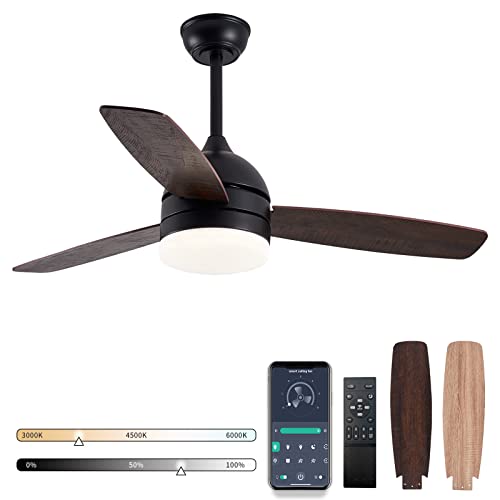
How to Reverse a Ceiling Fan for Winter Comfort

How to reverse a ceiling fan for winter sounds like one of those tiny home tasks people forget about until cold air starts creeping across the room. Then suddenly, the living room feels uneven, the heat runs nonstop, and everybody’s grabbing another blanket. A simple fan adjustment can shift warm air that’s trapped near the ceiling and push it gently back into the room. That little switch often changes the entire feel of a space without touching the thermostat.
Cold-weather comfort usually falls apart because heat naturally rises. Rooms with high ceilings make the problem even worse, especially in bedrooms, open-concept spaces, and older homes with inconsistent insulation. The wrong fan direction creates chilly drafts that make heating systems work overtime. Reversing the fan helps circulate warmth more evenly, so corners stop feeling icy while the center of the room feels stuffy.
Energy efficiency plays a huge role here too. Heating bills can climb fast once winter settles in, and nobody enjoys watching utility costs creep higher month after month. Running a ceiling fan clockwise at a low speed helps redistribute warm air without creating that uncomfortable wind-chill effect. It’s a practical fix that works quietly in the background while the room feels noticeably cozier.
Plenty of people hesitate because they assume the process is complicated or risky. Honestly, it’s usually much easier than expected. Most ceiling fans include a small direction switch on the motor housing, though some modern models use a remote or wall control instead. Once the blades rotate the proper direction, the airflow changes subtly, helping warm air move downward without blasting directly onto people sitting underneath.
Comfort during winter isn’t only about temperature numbers on a thermostat. Rooms feel better when airflow stays balanced and steady instead of dry, stagnant, or drafty. Reversing the fan can also reduce hot-and-cold zones that make one area pleasant while another feels miserable. That smooth circulation often helps bedrooms feel less stuffy overnight too.
Ceiling fan setups vary quite a bit depending on blade pitch, ceiling height, and room size. Some fans move air gently while others create stronger circulation, so speed adjustments matter. Running the fan too fast during winter can create unwanted airflow that feels cold instead of comforting. Low-speed operation usually works best because it redistributes warmth without turning the room into a wind tunnel.
How to reverse a ceiling fan for winter becomes even more valuable in homes with fireplaces or vaulted ceilings. Warm air collects overhead and often stays trapped there while the lower half of the room remains chilly. A properly reversed ceiling fan helps push that warmth downward where people actually sit and relax. Little by little, the room starts feeling more balanced and welcoming.
Maintenance matters too, believe it or not. Dusty blades reduce airflow efficiency and can spread allergens around the room once the fan starts spinning regularly again. Cleaning the blades before reversing the direction helps the fan operate more smoothly and quietly. Small habits like this keep the entire system working better through the colder months.

- LFR Score10.0
LFR Score is a ranking system developed by lightfansreviews.com. LFR Score has no relationship or impact from any manufacturers or sales agent websites. Learn more
- BrandSQXBK

- LFR Score10.0
LFR Score is a ranking system developed by lightfansreviews.com. LFR Score has no relationship or impact from any manufacturers or sales agent websites. Learn more
- Brandlightingindoors

- LFR Score9.6
LFR Score is a ranking system developed by lightfansreviews.com. LFR Score has no relationship or impact from any manufacturers or sales agent websites. Learn more
- BrandSwitchPrince
- LFR Score8.8
LFR Score is a ranking system developed by lightfansreviews.com. LFR Score has no relationship or impact from any manufacturers or sales agent websites. Learn more
- BrandLPHUMEX

- LFR Score8.6
LFR Score is a ranking system developed by lightfansreviews.com. LFR Score has no relationship or impact from any manufacturers or sales agent websites. Learn more
- BrandTaigeguang

- LFR Score8.6
LFR Score is a ranking system developed by lightfansreviews.com. LFR Score has no relationship or impact from any manufacturers or sales agent websites. Learn more
- BrandAnderic

- LFR Score8.4
LFR Score is a ranking system developed by lightfansreviews.com. LFR Score has no relationship or impact from any manufacturers or sales agent websites. Learn more
- BrandZZLZX

- LFR Score7.2
LFR Score is a ranking system developed by lightfansreviews.com. LFR Score has no relationship or impact from any manufacturers or sales agent websites. Learn more
- Branduaelua

- LFR Score6.8
LFR Score is a ranking system developed by lightfansreviews.com. LFR Score has no relationship or impact from any manufacturers or sales agent websites. Learn more
- BrandSfocgoi
Last update on 2026-05-19 / Affiliate links / Images, Product Titles, and Product Highlights from Amazon Product Advertising API
How To Reverse A Ceiling Fan For Winter
A room can feel chilly even while the heater is running, and that’s the part that drives people nuts. Warm air rises, sits near the ceiling, and leaves the lower half of the room feeling less comfortable than it should. How to reverse a ceiling fan for winter matters because the right blade direction helps move that trapped heat back down without creating a cold breeze. Done correctly, it’s a small seasonal habit that can make a living room, bedroom, or vaulted space feel noticeably more balanced.
Winter Fan Direction Basics
Ceiling fan direction changes the way air moves through a room. During winter, the fan should usually spin clockwise at low speed so it pulls cooler air upward and gently pushes warm air along the ceiling and down the walls. That motion helps reduce the warm-ceiling, cold-floor problem that shows up in many homes. The goal isn’t strong airflow on your skin, it’s quiet circulation that spreads heat more evenly.
The easiest visual check is to stand under the fan and look up while it runs slowly. A clockwise rotation means the blades move from left to right across the top of their circle, though blade shape can make this look a little tricky at first. If you feel a strong downward breeze, the fan is probably still in the cooling direction. For winter comfort, the airflow should feel subtle, almost like the room is breathing instead of blowing.
Low speed matters more than many people expect. A fast fan can create a wind-chill effect, which makes skin feel cooler even if the room temperature hasn’t changed. Slow circulation keeps warm air moving without making the space feel drafty. That’s why the winter setting is less about power and more about control.
Rooms with tall ceilings, stairwells, loft areas, and open floor plans usually benefit the most. Heat has more vertical space to collect overhead, so a reversed fan helps bring that warmth back into the living zone. In a standard room, the effect can still be useful, especially near exterior walls or older windows. Better heat distribution can make the thermostat feel more accurate instead of leaving one chair cozy and another ice-cold.
Why Clockwise Rotation Helps
Warm air circulation follows a simple pattern: heat rises, then lingers near the ceiling unless something moves it. A reversed ceiling fan creates an updraft that pulls cooler lower air upward. That movement nudges the warm air outward and downward along the room’s edges. It’s not dramatic, but that’s the point.
A heater often warms the air near vents or radiators first, then the air naturally stacks upward. Without circulation, the ceiling can hold warmer air while feet stay cold. Clockwise fan movement helps mix those layers so the room feels less uneven. That can reduce the urge to keep bumping the thermostat every hour.
The benefit shows up most in rooms where people sit for long stretches. Sofas, reading chairs, dining tables, and home offices all reveal comfort problems fast. A fan on the correct winter setting helps soften those annoying temperature pockets. Consistent comfort beats a room that feels warm only near the heat source.
There’s one tradeoff, though. Poorly placed fans or fans set too high can still feel uncomfortable. A low ceiling, steep blade pitch, or oversized fan may move more air than needed even on a lower setting. In those cases, fan speed control becomes the real hero because winter airflow should stay gentle, not pushy.
How To Find The Reverse Switch
Most traditional ceiling fans have a small switch on the motor housing. It may sit above the blades, near the pull chain, or on the side of the fan body. Turn the fan off first and wait until the blades stop completely before touching anything. Safety first sounds boring, sure, but spinning blades and rushed hands are a bad mix.
Once the fan stops, look for a small sliding switch labeled forward and reverse, summer and winter, or sometimes just two directional icons. Move the switch to the opposite position, then turn the fan back on at low speed. The blades should now rotate in the winter direction. Clockwise rotation is the target for most standard ceiling fans during cold months.
Remote-controlled fans can hide the reverse setting inside the remote or wall control menu. Some models use a dedicated reverse button, while others require holding a fan-speed button for a few seconds. Smart fans may place the setting inside an app. Remote reverse controls can feel less obvious, so checking the fan manual helps if the switch isn’t visible.
Older fans may not reverse at all. That’s not common on newer models, but it still happens in older homes, rentals, and budget fixtures. If there’s no switch, no remote setting, and no manual direction control, the fan may only run one way. For homes comparing cooling setups too, explore best ceiling fan direction cooling to keep seasonal airflow from working against comfort.
Set The Right Winter Speed
Low speed is usually the sweet spot for winter ceiling fan use. The fan should move air quietly without making people feel a direct breeze. If papers flutter, curtains shift, or your neck feels cold while sitting nearby, the speed is too high. Winter fan use should feel like background help, not a fan trying to prove a point.
Start with the lowest setting and let the room run that way for a while. Heat circulation takes a little time because the fan is gently mixing layers rather than blasting air. After twenty or thirty minutes, the room may feel more even from floor to ceiling. Patience with airflow keeps you from over-adjusting too quickly.
Some rooms need speed changes based on ceiling height. A standard eight-foot ceiling may only need the lowest setting, while a vaulted ceiling might need a slightly stronger setting to move trapped warm air. Still, stronger isn’t always better. Comfortable airflow should never create that chilly “why is the fan on?” feeling during winter.
Noise is another clue. A fan that hums, wobbles, or clicks at winter speed can become annoying fast in bedrooms and quiet living rooms. Dust buildup, loose screws, or unbalanced blades often make the problem worse. Before blaming the fan setting, clean the blades and check for wobble issues so the winter setup runs smoothly.
Common Mistakes That Make Rooms Colder
The biggest mistake is leaving the fan in summer mode. Counterclockwise airflow pushes air downward, which feels refreshing in hot weather but uncomfortable during cold months. That direct breeze can make a room feel colder even while the heater keeps running. Wrong fan direction quietly wastes comfort.
Another mistake is running the fan too fast. People often assume more airflow means more heat circulation, but winter is different. Too much air movement can create a wind-chill effect that defeats the whole purpose. Gentle updraft is the better target because it moves warm air without cooling skin.
Some homeowners reverse the fan but forget to adjust thermostat expectations. The fan doesn’t create heat, and it won’t replace a furnace, heat pump, or fireplace. It helps existing warm air spread better through the room. Ceiling fan winter mode works best as support, not as the main source of warmth.
Dusty blades are easy to overlook too. A fan that hasn’t been cleaned can move dust into the air once it starts running more often. That’s rough for bedrooms, nurseries, and rooms where people already deal with dry winter air. Clean fan blades before reversing direction so better airflow doesn’t come with a side of dust.
Rooms That Benefit Most
Vaulted ceilings often show the biggest difference because warm air collects far above where people sit. A reversed fan helps push that heat outward and down instead of letting it hover uselessly overhead. Great rooms, lofts, and two-story living areas can feel less uneven with the right setting. The change may be subtle at first, but the room often feels less stale.
Bedrooms can benefit too, especially during cold nights. Heat can collect near the ceiling while the bed area feels cooler, which leads to extra blankets, dry air, and restless sleep. A low-speed clockwise fan keeps air moving gently without blowing directly across the bed. Steady bedroom warmth can make the space feel calmer and less stuffy.
Rooms with fireplaces are another strong fit. Fireplaces create a warm zone near the flame while other areas stay cooler, especially in larger spaces. A reversed fan helps spread that warm air more evenly instead of letting it pool above the mantel. Fireplace heat circulation works best with slow fan speed and no noticeable draft.
Garages, workshops, and bonus rooms can be trickier. These spaces often have uneven insulation, concrete floors, or separate heating systems. A reversed ceiling fan may help, but it won’t solve heat loss from gaps, poor sealing, or uninsulated doors. For outdoor and utility lighting projects separate from fan comfort, upgrade visibility with best solar lights basketball court where wider nighttime coverage matters more than indoor airflow.
Seasonal Checks Before Reversing
Seasonal fan maintenance makes the reverse setting work better. Dust on blades changes airflow and adds weight, which can contribute to wobbling. Wipe each blade from the center outward before switching direction. A clean fan moves air more evenly and looks a whole lot less neglected.
Blade direction should be checked every fall before the heating season settles in. Many people switch the fan for summer, then forget about it once cooler weather arrives. Pairing the task with furnace filter changes or thermostat adjustments makes it easier to remember. Seasonal routines help small comfort fixes become automatic.
Loose screws, worn pull chains, and shaky downrods deserve a quick look too. A fan that wobbles in summer mode will probably still wobble after being reversed. Tightening visible hardware and checking blade balance can reduce noise. Stable fan operation matters even more during winter because the fan often runs quietly for long stretches.
Lighting attachments can make access harder, especially on fans with glass shades or compact housings. Don’t force a switch if it’s blocked or hard to reach. Use a sturdy step ladder, turn off the fan fully, and take your time. For separate rechargeable lighting needs around the home, power up more reliably with how to charge coast flashlight before winter chores leave you fumbling in dim corners.
Best Ceiling Fan Settings For Winter Heating
Cold mornings hit differently when the upstairs feels warm but the couch downstairs still feels chilly. That uneven temperature can make people crank the heat higher than necessary, even though warm air is already trapped overhead. Best ceiling fan settings for winter heating focuses on keeping rooms comfortable without creating dry, stuffy air or sharp temperature swings. Small adjustments in speed, direction, and placement can completely change how a space feels during colder months.
How Ceiling Height Changes Airflow
Ceiling height affects winter airflow more than most people realize. In rooms with tall ceilings, heat naturally drifts upward and stays there unless something pushes it back down. A reversed fan helps move that warmth toward the walls and lower living area instead of letting it collect above eye level. The difference becomes especially noticeable in open living rooms and loft-style layouts.
Low ceilings need a lighter touch. A fan running too fast in a smaller room can create airflow that feels cool instead of comfortable. That’s why slow clockwise rotation usually works best in compact bedrooms, offices, and apartments. Gentle circulation keeps the room balanced without making people reach for extra blankets.
Vaulted ceilings often need slightly stronger airflow settings than standard rooms. Warm air rises farther upward, so the fan has more space to circulate heat through the room. Still, blasting the fan at full speed usually backfires. Balanced circulation matters more than raw airflow strength during winter.
Downrod length plays a role too. Fans mounted too close to high ceilings may struggle to move heat effectively near the living space. Rooms with oversized layouts sometimes benefit from larger blade spans for better circulation coverage. For wider commercial-style spaces that struggle with trapped heat, compare airflow setups through best large commercial ceiling fans before winter heating costs start climbing.
Why Some Rooms Still Feel Drafty
Drafty rooms can make a reversed fan seem useless at first. Heat escapes through poorly sealed windows, attic gaps, or aging doors faster than the fan can redistribute warmth. The fan helps circulate air already inside the room, but it can’t stop heat loss from weak insulation. That’s why some spaces still feel uneven even after the direction switch changes.
Cold exterior walls create another issue. Furniture near windows or sliding glass doors often feels cooler because those surfaces pull warmth away from nearby air. A ceiling fan helps reduce stagnant pockets, but insulation and weather sealing still matter. Heat retention and airflow need to work together.
Flooring changes the experience too. Tile, concrete, and hardwood floors naturally feel colder underfoot than carpeted rooms during winter. Even if the room temperature technically improves, cold flooring can trick people into thinking the heating setup isn’t working. Comfort perception depends on more than thermostat numbers.
Dry indoor air can also create that “cold” feeling. Heated air with low humidity often feels harsher and less comfortable against the skin. Ceiling fans circulate air more evenly, but they can’t replace proper humidity levels. A humidifier paired with winter fan direction often creates a more comfortable indoor environment.
Best Times To Run The Fan
Winter ceiling fan use doesn’t always need to be constant. Some people prefer running the fan only during evenings, overnight, or while heating systems actively cycle warm air into the room. Others leave it running continuously at a low speed to maintain steady circulation. Both approaches can work depending on room size and heating habits.
Bedrooms usually benefit from overnight circulation because warm air tends to collect overhead while the sleeping area cools down. A low-speed fan helps avoid temperature swings that wake people up in the middle of the night. Nobody enjoys falling asleep warm and waking up freezing at 3 a.m. Steady nighttime airflow keeps the room feeling calmer.
Living rooms with fireplaces often benefit during active fireplace use. Heat near the ceiling can build quickly while the opposite side of the room stays cooler. A reversed fan helps spread that warmth more evenly across the space. Fireplace heat distribution becomes far more noticeable in large open layouts.
Some homeowners shut the fan off entirely during extremely cold weather because they assume air movement always creates chill. That’s understandable, especially after using strong downward airflow all summer long. But low-speed clockwise movement works differently. Gentle winter circulation supports heating comfort instead of fighting against it.
Signs The Fan Setting Is Wrong
Incorrect winter fan settings usually reveal themselves pretty quickly. If the room feels breezy, chilly, or uncomfortable while the fan runs, the blades may still be rotating counterclockwise. Winter airflow should feel soft and indirect, not like standing under an air conditioner. Strong downward airflow means the direction needs adjustment.
Uneven temperatures can also signal poor setup. If the ceiling feels warm but the lower room still feels cold after running the fan, speed or placement may need tweaking. Oversized rooms sometimes require slightly higher speeds, while smaller rooms often need less airflow. Room balance matters more than maximum circulation.
Noise problems deserve attention too. Clicking, wobbling, or rattling often gets worse after months of inactivity. Loose blade screws, warped blades, or dust buildup can make a fan sound rougher than it actually is. Quiet operation helps winter airflow feel natural instead of distracting.
Some fans also struggle because the blades were installed upside down after cleaning or maintenance. Blade pitch and orientation influence how air moves through the room. It sounds odd, sure, but it happens more often than people admit. Correct blade installation helps maintain proper winter airflow patterns.
Winter Energy Savings And Comfort
Heating efficiency improves when warm air spreads more evenly throughout a room. That doesn’t mean the fan magically lowers utility bills overnight, but it can reduce the constant thermostat adjustments people make during colder months. Rooms that feel balanced usually require less aggressive heating cycles. Even small improvements add up over an entire season.
Older homes often show the biggest comfort difference. Drafts, uneven insulation, and tall ceilings create temperature layers that make heating systems work harder. A reversed ceiling fan helps reduce some of that imbalance. Better air circulation can make older spaces feel less stubborn during winter.
Modern homes benefit too, especially large open-concept layouts where warm air drifts upward quickly. Heated air trapped near the ceiling doesn’t help much if everyone sits ten feet lower. Ceiling fans gently move that warmth back into the occupied area. Comfort consistency becomes easier to maintain from room to room.
Fan motor efficiency matters more than many expect. Older fans may consume more electricity while producing weaker airflow compared to newer DC motor models. That doesn’t mean every fan needs replacing, but older units can struggle with quieter low-speed winter circulation. Efficient airflow depends on both the fan setup and the fan itself.
Cleaning And Seasonal Maintenance Tips
Dust buildup can seriously affect airflow quality during winter. Fan blades collect more grime than people notice because the top surfaces stay mostly hidden. Once the fan starts running again, that dust spreads through the room surprisingly fast. Cleaning blades before reversing direction keeps winter circulation cleaner and quieter.
Microfiber cloths, pillowcase cleaning tricks, or extendable dusters all work pretty well for ceiling fans. The key is removing dust gently instead of knocking it into the room. Heavy buildup can also throw off blade balance over time. Balanced blades help reduce wobbling and annoying humming sounds.
Pull chains, remote batteries, and wall controls deserve quick seasonal checks too. Nothing’s more irritating than grabbing a ladder in winter only to realize the remote stopped working months ago. A quick inspection before colder weather settles in avoids unnecessary frustration. Reliable controls make seasonal adjustments much easier.
Lighting attached to ceiling fans often gets ignored during maintenance. Dim bulbs, flickering fixtures, or weak visibility become more noticeable during shorter winter days. While updating seasonal home lighting setups, improve rear vehicle visibility with best led tail light bulbs if dark winter commutes already feel harder than they should.
Smart Habits For Seasonal Fan Changes
Seasonal ceiling fan habits become easier once they’re tied to other winter routines. Some people reverse the fan during daylight savings changes, while others pair it with furnace filter replacements. Small reminders prevent the fan from staying stuck in summer mode halfway through January. Consistency matters more than complicated systems.
Labeling the remote or wall switch can help too, especially in homes where multiple people use the fan controls. Ceiling fan settings are surprisingly easy to forget after months of warmer weather. A tiny reminder sticker saves people from guessing every season. Simple organization keeps airflow adjustments stress-free.
Room usage should influence fan settings as winter progresses. Guest rooms, offices, and basements may need different airflow depending on how often they’re occupied. Some spaces benefit from continuous circulation while others only need occasional airflow balancing. Customized winter airflow feels more practical than forcing every room into the same setup.
Ceiling fans support comfort best when paired with realistic expectations. They help redistribute heat already inside the room, but they won’t fix poor insulation, failing heaters, or major draft problems alone. Used correctly, though, they make winter spaces feel steadier, less stuffy, and easier to relax in without constantly adjusting the thermostat. Better winter comfort often starts with small airflow changes people overlooked for years.


Best Small Flush Mount Ceiling Fans 2026 Ultimate Picks

Best Smart Ceiling Fan India 2026 For Effortless Comfort

Best Smart Ceiling Fans with Lights for 2026: Top Picks

Best Smart Home Non Ceiling Fans 2026 For Ultimate Comfort

Best Outdoor Misting Ceiling Fan 2026 For Ultimate Comfort

Best Outdoor Ceiling Fans For Porch 2026 With Style And Breeze

Best Smart Bulb For Ceiling Fan 2026 That Brightens Life
Best Smart Ceiling Fan Control 2026 For Effortless Comfort