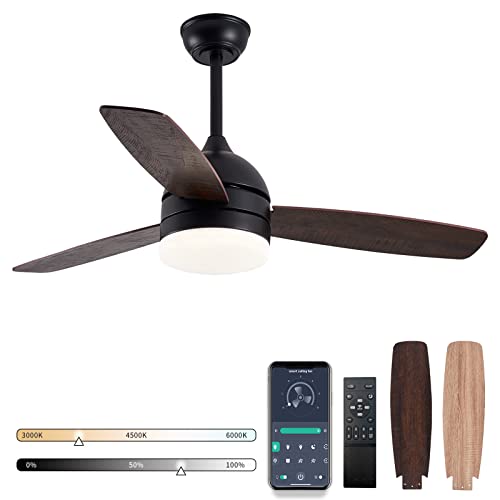
How to Reverse Ceiling Fan Blades Without Guesswork

How to reverse ceiling fan blades sounds simple until you're standing beneath a spinning fan, remote in one hand, ladder wobbling a little, wondering why the room still feels stuffy. Plenty of people leave their fan running the same direction all year long without realizing the airflow changes can seriously affect comfort. A ceiling fan that spins the wrong way during colder months can push warm air upward instead of circulating it where it actually helps. That tiny switch hiding on the fan housing? Yeah, it matters more than most expect.
Summer heat tends to expose airflow problems fast. Rooms feel uneven, energy bills creep up, and suddenly the fan seems more decorative than useful. Reversing blade direction changes how air moves across the room, which can help reduce that sticky, trapped feeling during hot afternoons. Cooler airflow during warmer seasons creates a wind-chill effect that makes indoor spaces feel more comfortable without constantly lowering the thermostat. That subtle adjustment often saves frustration people don't even realize comes from improper fan direction.
Cold weather creates a totally different headache. Warm air naturally rises, so high ceilings can leave heat hanging overhead while floors stay chilly. Reversing the blade rotation clockwise at a lower speed helps push trapped warm air back down without creating a harsh breeze. Suddenly, the room feels balanced instead of drafty. Small airflow adjustments like this can make living rooms, bedrooms, and even home offices feel far more comfortable during seasonal changes.
Remote-controlled fans add another layer of confusion. Some models use wall controls, others rely on hidden reverse switches, and newer smart fans bury the setting deep inside apps or remote menus. That's where irritation usually kicks in. Nobody wants to spend half an hour searching for a button that should've been obvious. Learning how to reverse ceiling fan blades properly helps avoid unnecessary trial and error, especially with modern ceiling fan designs that don't always follow the same setup.
Noise complaints also pop up after reversing fan direction incorrectly. Loose screws, dirty blades, or changing directions before the blades fully stop can create wobbling or clicking sounds that weren't there before. A lot of people assume the motor is failing when the issue actually comes from rushed adjustments or poor blade balance. Taking a minute to inspect the fan while reversing direction prevents those annoying surprises later.
Ceiling height changes the experience too. Tall ceilings usually benefit more from seasonal fan adjustments because heat and cool air separate more dramatically. Smaller rooms may only need subtle speed changes, while open-concept layouts rely heavily on proper airflow circulation to prevent hot and cold zones. That's why understanding airflow direction, not just fan speed, makes such a noticeable difference inside the home.
Dust buildup creates another sneaky issue people often overlook. Reversing fan blades after months of use can send collected dust swirling through the room if the blades haven't been cleaned first. Nobody enjoys that sudden cloud floating through sunlight after flipping the switch. Quick maintenance before changing blade direction keeps airflow cleaner and helps the fan operate more smoothly.
How to reverse ceiling fan blades isn't really about complicated mechanics. It's about comfort, airflow control, and making the space feel right without wasting energy or patience. Once the process becomes familiar, seasonal fan adjustments turn into one of those small household habits that quietly improve everyday life. Funny enough, many people notice the difference immediately after making the switch and wonder why they waited so long.

- LFR Score10.0
LFR Score is a ranking system developed by lightfansreviews.com. LFR Score has no relationship or impact from any manufacturers or sales agent websites. Learn more
- BrandMy Fan Parts

- LFR Score9.6
LFR Score is a ranking system developed by lightfansreviews.com. LFR Score has no relationship or impact from any manufacturers or sales agent websites. Learn more
- BrandSwitchPrince

- LFR Score9.0
LFR Score is a ranking system developed by lightfansreviews.com. LFR Score has no relationship or impact from any manufacturers or sales agent websites. Learn more
- BrandReluen

- LFR Score9.0
LFR Score is a ranking system developed by lightfansreviews.com. LFR Score has no relationship or impact from any manufacturers or sales agent websites. Learn more
- BrandHQRP
- LFR Score8.8
LFR Score is a ranking system developed by lightfansreviews.com. LFR Score has no relationship or impact from any manufacturers or sales agent websites. Learn more
- BrandHFYHWT

- LFR Score8.6
LFR Score is a ranking system developed by lightfansreviews.com. LFR Score has no relationship or impact from any manufacturers or sales agent websites. Learn more
- BrandKALIONE

- LFR Score8.6
LFR Score is a ranking system developed by lightfansreviews.com. LFR Score has no relationship or impact from any manufacturers or sales agent websites. Learn more
- BrandAnderic

- LFR Score8.4
LFR Score is a ranking system developed by lightfansreviews.com. LFR Score has no relationship or impact from any manufacturers or sales agent websites. Learn more
- BrandZZLZX
Last update on 2026-05-19 / Affiliate links / Images, Product Titles, and Product Highlights from Amazon Product Advertising API
How To Reverse Ceiling Fan Blades Without Guesswork
A room can feel oddly stubborn even with the fan running, especially during muggy afternoons or chilly evenings when the air just sits there. That usually points to fan direction, not fan power. Learning how to reverse ceiling fan blades helps move air the right way for the season instead of letting warm or cool air collect in the wrong place. It’s a small switch, but yep, it can change the whole feel of a room.
Reverse Fan Blades
How to reverse ceiling fan blades starts with one simple rule: let the fan stop completely before touching anything. A moving fan can strain the motor if the direction changes too quickly, and nobody needs a wobbly blade problem on top of poor airflow. Turn the fan off at the wall switch, remote, or pull chain, then wait until every blade is still. That tiny pause protects the motor housing, blade brackets, and your nerves.
Most traditional ceiling fans have a small reverse switch on the side of the motor housing. It may sit above the light kit, near the pull chain, or tucked slightly out of sight. Flip that switch once the blades stop, then turn the fan back on at a low speed to check the new direction. The reverse switch should feel firm, not loose or half-clicked.
Remote-controlled fans can be a little sneaky. Some remotes have a dedicated reverse button, while others require holding the fan button for several seconds. Smart ceiling fans may hide the setting inside an app, which feels annoying but makes sense once you know where to look. The key is to avoid forcing a manual switch if the model uses electronic direction control.
Older fans deserve a gentler approach. Dust, age, and loosened screws can make the switch feel sticky or harder to move. If the reverse switch resists, don’t jam it with a screwdriver or knife. Turn off power at the breaker and inspect the housing, because electrical safety matters more than saving a few minutes.
Summer Direction Basics
Hot rooms usually need a cooling breeze, not just spinning blades. During warmer months, most ceiling fans should spin counterclockwise while viewed from below. That direction pushes air downward and creates the familiar wind-chill feel across your skin. For a deeper airflow check, compare the setting with best ceiling fan direction summer before cranking the fan speed higher than needed.
The fan doesn’t actually lower the room temperature. It helps your body feel cooler by moving air across skin, which is why air movement matters so much. A fan running the wrong way may still spin beautifully while barely helping comfort. That’s the kind of sneaky household problem that wastes patience and electricity.
Medium or high speed usually feels best in summer, especially in bedrooms, kitchens, and rooms with afternoon sun. Still, high speed can become noisy if the blades are dusty or slightly unbalanced. Start low, then increase the speed until the breeze feels steady without rattling the fixture. A smooth fan should move air without sounding like it’s working overtime.
Large rooms can be trickier because airflow spreads out before it reaches every corner. Furniture placement, ceiling height, and open doorways all affect how the breeze travels. A properly reversed fan helps, but it won’t fix poor insulation or direct sunlight pouring through bare windows. Treat fan direction as one part of the comfort puzzle, not a magic wand.
Winter Direction Basics
Cold weather calls for a different move. Most ceiling fans should spin clockwise on low speed during winter so warm air near the ceiling gets pulled and gently pushed back down along the walls. That helps reduce the chilly-floor effect without blasting a cold draft straight onto the couch. The low-speed setting is the secret sauce here.
High speed in winter usually feels wrong because it creates too much direct air movement. Nobody wants a fake breeze while wearing socks indoors. Keep the fan slow enough that you barely feel air on your skin but still notice the room becoming more even. That’s the sweet spot for warm air circulation.
Vaulted ceilings and stairwells make winter fan direction especially useful. Heat rises fast in tall spaces, then hangs out overhead like it owns the place. Reversing the blades helps bring that trapped warmth back into the living area where it actually helps. It won’t replace heating, but it can make the thermostat feel less dramatic.
Some rooms may not need winter fan use every day. Small bedrooms with low ceilings can feel drafty even on low speed, especially if the bed sits directly under the fan. In those cases, use the reverse setting only during the coldest parts of the day or skip it if the airflow feels uncomfortable. Comfort beats rules, every single time.
Safety Before Switching
A stable ladder matters more than people admit. Standing on a chair, bed, or wobbly stool turns a simple fan adjustment into a dumb little accident waiting to happen. Use a ladder that lets you reach the motor housing without stretching your shoulders. Keep one hand steady and make the reverse switch movement deliberate.
Power should be off before touching the fan body. The wall switch is usually enough for a basic reverse switch adjustment, but the breaker is safer if the housing feels loose or the switch is hard to reach. Light kits can also stay hot for a while after use. Give the fixture a moment to cool before your hand gets near the glass shade.
Electrical switches around the home can create confusion, especially in rooms with multiple wall controls. A fan may connect to one switch while the light connects to another. If wiring projects are already on your list, compare basic switch setup ideas with install leviton light switch before touching any household electrical components. Keep fan direction changes separate from wiring work unless the power is fully shut off.
Cars have dashboard warning lights, homes have weird sounds, flickers, and wobbles. Strange behavior deserves attention before it turns into a bigger repair. For a totally different troubleshooting mindset, fix esc light shows how small warning signs can point to larger system checks. With ceiling fans, clicking, shaking, or buzzing after reversing direction usually means inspection comes first.
Common Direction Mistakes
Many people reverse the fan while it’s still moving because the switch looks harmless. Bad idea. Direction changes under motion can stress internal parts and may cause the fan to jerk. Always stop the blades first, then change the rotation direction.
Another mistake is judging direction from above the fan. Most seasonal advice assumes you’re standing underneath and looking up. Counterclockwise for summer and clockwise for winter only make sense from that viewpoint. Get the viewing angle wrong, and the whole setting becomes backwards.
Speed also gets overlooked. A clockwise winter fan on high speed can feel like a cold draft, even though the direction is technically correct. A counterclockwise summer fan on the lowest setting may not create enough breeze in a hot room. Direction and fan speed work together, so treat them as a pair.
Dusty blades can sabotage the whole process. Reversing direction after months of buildup can fling dust across furniture, bedding, or open shelves. Wipe the blades before switching seasonal airflow, especially if the fan sits over a dining table or bed. Clean blades also reduce drag and help maintain balanced rotation.
Blade Balance And Noise
A quiet fan can suddenly sound rough after reversing direction, and that doesn’t always mean something is broken. The new airflow pattern may expose loose blade screws, uneven blade arms, or dust buildup along one edge. Start by checking each blade bracket with the fan off. Tight, even hardware keeps wobble control much easier.
Blade balance kits can help, but they shouldn’t be the first move unless the wobble is obvious. Clean first, tighten second, then test the fan on low speed. If the shake remains, small balancing weights can correct uneven blade movement. Patience helps here because random weight placement usually makes things worse.
Clicking sounds often come from light kits, pull chains, or decorative covers vibrating after the direction change. Hold the pull chain still for a moment while the fan runs and listen. If the noise stops, shorten the chain or add a small chain weight. Tiny fixes can calm down a surprisingly annoying ceiling fan noise.
Grinding, burning smells, or humming that gets louder should not be ignored. Those signs may point to motor strain, capacitor issues, or faulty wiring. Turn the fan off and avoid repeated testing if something smells hot. A fan should reverse smoothly without drama, smoke, or that “Uh-oh” feeling in your gut.
How To Reverse Ceiling Fan Blades For Better Airflow
Some rooms never seem comfortable for long. One corner feels stuffy, another feels chilly, and the fan spins overhead like it’s trying its best without actually helping. That’s usually the point where airflow direction starts mattering more than raw fan speed. A properly reversed ceiling fan can smooth out temperature differences and make everyday spaces feel noticeably easier to live in.
Ceiling Height Changes Everything
Low ceilings react differently than vaulted ceilings, and people often overlook that detail. A standard eight-foot ceiling usually spreads airflow quickly, so even moderate fan speeds feel strong. Tall ceilings need more help because warm air naturally collects overhead and stays there. Reversing the fan helps control heat circulation instead of letting warmth sit uselessly near the ceiling.
Large open rooms create another challenge. Airflow weakens as it travels across wide spaces filled with furniture, doorways, and different floor levels. Bigger blades often move air more evenly without forcing the fan into noisy high-speed settings. For oversized living areas or covered patios, explore best extra large ceiling fans if the current fan struggles to circulate air consistently.
Bedrooms tend to expose airflow mistakes fast. A fan spinning too aggressively in winter can make blankets feel pointless, while weak summer airflow leaves the room stale overnight. Adjusting both direction and speed matters more than people think. Tiny changes can turn restless sleep into a much more comfortable night.
Ceiling texture also affects airflow patterns. Coffered ceilings, beams, and angled slopes interrupt how air moves through the room. A fan might technically spin the correct direction but still leave warm or cool spots untouched. That’s why testing the airflow physically with your hand often tells the truth faster than staring at the blades.
Cleaning Blades Before Reversing
Dust buildup loves ceiling fans because the blades quietly collect grime month after month. Then the reverse switch gets flipped, and suddenly dust starts floating across furniture like a tiny indoor storm. Cleaning the blades before changing direction prevents that mess and keeps the fan running more smoothly. A microfiber cloth and mild cleaner usually handle basic blade maintenance just fine.
Greasy buildup from kitchens can be harder to remove. Smoke, cooking oils, and humidity create sticky residue that traps even more dust along the blade edges. A damp cloth with gentle soap cuts through that layer without damaging the blade finish. Avoid soaking the blades because moisture creeping into the motor area can create bigger problems later.
Balance matters too. Heavy dust collecting unevenly across the blades can throw off the rotation and create wobble after reversing direction. A fan that suddenly shakes may simply need cleaning rather than expensive repairs. Consistent blade balance keeps the motor from straining during long periods of use.
Light fixtures attached beneath fans deserve attention during cleaning as well. Loose glass shades, dangling pull chains, or dusty bulbs can create rattling sounds once airflow changes direction. Tightening and wiping everything at the same time saves future frustration. It’s one of those five-minute chores that quietly improves the entire fan experience.
Smart Fans And Remote Controls
Modern ceiling fans often skip the old physical reverse switch entirely. Smart models may use remotes, wall controls, or mobile apps to reverse blade direction electronically. That feels convenient once you learn the system, though the setup process can sometimes feel weirdly hidden. Checking the manual saves a lot of random button pressing and irritated sighs.
Battery issues create confusion more often than people expect. Weak remote batteries may let the fan run but fail to trigger direction changes consistently. People sometimes assume the motor or receiver is broken when the real problem sits inside a cheap battery compartment. Fresh batteries can restore remote response instantly.
Wi-Fi connected fans introduce another layer of troubleshooting. Some smart fans lose settings after power outages or router resets, which may return the fan to default direction settings. If the fan suddenly feels wrong after a storm or electrical flicker, check the app before assuming something mechanical failed. Smart systems still rely on basic airflow settings underneath all the fancy controls.
Voice-controlled fans sound cool until someone accidentally changes settings without realizing it. A random voice command can switch fan speed or direction while nobody notices. That confusion tends to happen most in busy homes where multiple devices respond to voice assistants. Keeping airflow settings simple usually reduces those annoying little surprises.
Energy Costs And Air Circulation
A ceiling fan won’t replace heating or air conditioning, but it can help those systems work less aggressively. Correct fan direction supports airflow so rooms feel comfortable without constantly lowering or raising the thermostat. That balance matters during seasons where energy bills start climbing faster than expected. Better air circulation often reduces the urge to over-adjust temperature settings.
Summer settings usually help people tolerate slightly warmer thermostat numbers because moving air feels cooler on skin. Winter settings redistribute trapped heat that would otherwise stay near the ceiling unused. Neither setup magically changes room temperature, but both affect perceived comfort in a noticeable way. Comfort drives thermostat habits more than most people realize.
Outdoor lighting systems also influence energy planning around patios, garages, and exterior seating areas. Homeowners upgrading airflow in outdoor living spaces often rethink lighting efficiency at the same time. To improve low-voltage landscape lighting setups nearby, compare options through best low voltage transformer outdoor lighting while organizing seasonal exterior updates.
Fans left running in empty rooms waste electricity, even if the fan direction is technically correct. Ceiling fans cool people, not spaces. Turning the fan off when nobody’s around keeps airflow useful instead of pointless. Small habits around energy use tend to add up over time.
Signs The Fan Needs Repair
A fan that struggles to reverse direction smoothly may be warning you about wear inside the motor housing. Delayed startup, uneven speeds, or grinding sounds shouldn’t be ignored for months. Electrical components age slowly, then suddenly start acting weird all at once. Paying attention early can prevent full motor failure later.
Capacitor problems often show up through weak airflow even at higher speed settings. The blades spin, but the power behind them feels sluggish or inconsistent. Many people assume the blades themselves are the issue when the actual problem sits inside the fan’s electrical components. Weak motor performance becomes more obvious after seasonal direction changes.
Loose mounting hardware creates a totally different problem. A wobbling fan can shift slightly every time the direction changes, especially on older ceiling boxes or poorly secured brackets. That movement puts stress on screws, blade arms, and the mounting system over time. Tight mounting hardware protects both the fan and the ceiling itself.
Burning smells deserve immediate attention. Shut the fan off and stop testing different settings if the motor smells hot or the housing becomes unusually warm. Electrical issues rarely fix themselves. Safe airflow always matters more than squeezing another few weeks out of a struggling fan.
Comfort Differences People Notice Fast
Most people expect dramatic airflow changes after reversing a fan, but the real difference usually feels subtler and more natural. Rooms stop feeling oddly uneven. Hot spots fade, stuffy corners improve, and winter air feels less trapped near the ceiling. That steady comfort balance becomes more noticeable after a few days of consistent use.
Sleep quality often improves in bedrooms with proper fan direction. Summer airflow helps reduce that sticky feeling where sheets suddenly feel too warm halfway through the night. Winter circulation prevents cold pockets from forming near floors and walls. Better airflow creates a calmer environment without constantly touching the thermostat.
Living rooms feel more inviting once airflow spreads evenly across seating areas. Nobody enjoys sitting directly beneath a harsh draft while another side of the room feels stale. Correct blade direction softens those extremes and helps air move more consistently throughout the space. Small airflow improvements often make gatherings feel more comfortable without anyone noticing exactly why.
People sometimes forget ceiling fans need seasonal attention at all. Then the blades stay locked in summer mode through winter or winter mode through spring, quietly reducing comfort month after month. Reversing the blades twice a year keeps airflow aligned with real-world conditions instead of fighting against them. Simple habits around seasonal airflow control usually deliver the biggest long-term comfort payoff.


Best Small Flush Mount Ceiling Fans 2026 Ultimate Picks

Best Smart Ceiling Fan India 2026 For Effortless Comfort

Best Smart Ceiling Fans with Lights for 2026: Top Picks

Best Smart Home Non Ceiling Fans 2026 For Ultimate Comfort

Best Outdoor Misting Ceiling Fan 2026 For Ultimate Comfort

Best Outdoor Ceiling Fans For Porch 2026 With Style And Breeze

Best Smart Bulb For Ceiling Fan 2026 That Brightens Life
Best Smart Ceiling Fan Control 2026 For Effortless Comfort