How to Reverse Ceiling Fan Direction Right

How to reverse ceiling fan direction with remote sounds simple at first glance, yet plenty of people end up standing under the fan scratching their heads while the room still feels stuffy or oddly cold. Remote controls vary wildly between brands, button labels aren’t always obvious, and some fans seem to ignore commands altogether. Frustration kicks in fast, especially during seasonal weather shifts when airflow can make a room either cozy or unbearable. A properly adjusted fan direction changes the whole mood of a space without cranking up energy bills.
Warm air has a sneaky habit of collecting near the ceiling, particularly during colder months. A fan spinning clockwise at a lower speed gently pushes that trapped warmth back down instead of blasting air directly onto people. Summer flips the script completely. Counterclockwise rotation creates a wind-chill effect that helps rooms feel cooler even before the air conditioner starts working overtime. That little directional switch hidden inside remote settings often carries more impact than most people expect.
Remote-controlled ceiling fans add convenience, but they also create confusion nobody talks about enough. Some remotes include a dedicated reverse button, while others bury the feature inside tiny settings or multi-step commands. Then there are fans requiring the motor to stop fully before direction changes can activate. Missing that step leaves many thinking the remote is broken when it’s actually a built-in safety function. Tiny details like this separate smooth operation from an evening full of trial and error.
Noise complaints also tend to show up after changing fan direction incorrectly. A wobbling sound, uneven airflow, or sudden clicking can happen if blades were dusty beforehand or the fan speed was switched too aggressively. Luckily, most issues don’t require complicated repairs. Small adjustments, proper timing, and clean blades usually restore quiet airflow without much hassle. A fan should blend into the background instead of sounding like a helicopter circling the living room.
Energy efficiency plays a huge role too. People often overlook how ceiling fan direction affects heating and cooling costs across the year. Running the wrong direction can force HVAC systems to work harder while rooms still feel uncomfortable. That’s money slipping away for no good reason. A quick remote adjustment keeps airflow working with the season instead of fighting against it.
Some homes also have high ceilings, loft layouts, or awkward room shapes where airflow feels uneven no matter what. Reversing the fan direction correctly helps redistribute air more consistently across larger spaces. Bedrooms become less stuffy. Living rooms stop feeling cold in one corner and hot in another. Small airflow tweaks can quietly improve daily comfort without expensive upgrades.
How to reverse ceiling fan direction with remote becomes far easier once the hidden quirks behind fan settings are understood. Different brands may handle the process differently, but the core idea stays the same: stop the blades, switch direction carefully, and match airflow to the season. That simple routine helps extend motor life, reduce wasted energy, and improve comfort year-round. Honestly, once the airflow feels right, people usually wonder why they waited so long to fix it.

- LFR Score9.0
LFR Score is a ranking system developed by lightfansreviews.com. LFR Score has no relationship or impact from any manufacturers or sales agent websites. Learn more
- BrandReluen
- LFR Score8.8
LFR Score is a ranking system developed by lightfansreviews.com. LFR Score has no relationship or impact from any manufacturers or sales agent websites. Learn more
- BrandLPHUMEX

- LFR Score8.8
LFR Score is a ranking system developed by lightfansreviews.com. LFR Score has no relationship or impact from any manufacturers or sales agent websites. Learn more
- BrandOstrich

- LFR Score8.6
LFR Score is a ranking system developed by lightfansreviews.com. LFR Score has no relationship or impact from any manufacturers or sales agent websites. Learn more
- BrandAnderic

- LFR Score8.4
LFR Score is a ranking system developed by lightfansreviews.com. LFR Score has no relationship or impact from any manufacturers or sales agent websites. Learn more
- BrandPrichor

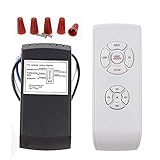
Merwry DL-4112T-02 Ceiling Fan Remote Control 2A767-DL-4112T-01 28865-DL4112T for Home
View on Amazon- LFR Score8.4
LFR Score is a ranking system developed by lightfansreviews.com. LFR Score has no relationship or impact from any manufacturers or sales agent websites. Learn more
- BrandComfort Direct

- LFR Score8.0
LFR Score is a ranking system developed by lightfansreviews.com. LFR Score has no relationship or impact from any manufacturers or sales agent websites. Learn more
- BrandCeilingBreeze

- LFR Score7.2
LFR Score is a ranking system developed by lightfansreviews.com. LFR Score has no relationship or impact from any manufacturers or sales agent websites. Learn more
- Branduaelua

- LFR Score7.2
LFR Score is a ranking system developed by lightfansreviews.com. LFR Score has no relationship or impact from any manufacturers or sales agent websites. Learn more
- BrandYahada

- LFR Score7.0
LFR Score is a ranking system developed by lightfansreviews.com. LFR Score has no relationship or impact from any manufacturers or sales agent websites. Learn more
- BrandSnrigw
Last update on 2026-05-19 / Affiliate links / Images, Product Titles, and Product Highlights from Amazon Product Advertising API
How To Reverse Ceiling Fan Direction With Remote
A room can feel off even while the fan is spinning like it’s doing its job. The air moves, sure, but it may be moving the wrong way for the season, which leaves the space chilly in winter or sticky in summer. That’s where how to reverse ceiling fan direction with remote becomes more than a button trick. It’s a simple comfort fix that helps manage air circulation, temperature balance, and energy use without turning every thermostat adjustment into a guessing game.
Remote Reverse Basics
Remote-controlled ceiling fans usually reverse direction through a dedicated reverse button, a settings button, or a button combination that only works after the blades stop. That last detail trips people up all the time. A fan may ignore the command while spinning because the motor needs a pause before changing rotation. So, the first smart move is simple: press off, let the blades stop, then use the remote’s reverse control.
The correct direction depends on the season and the comfort problem in the room. In summer, most fans should spin counterclockwise to push air downward and create a cooling breeze. In winter, most fans should spin clockwise at low speed to pull cool air up and gently move warm air down along the walls. That low setting matters because a strong winter breeze can make people feel colder, which defeats the point.
Some remotes use icons instead of clear words, which makes the process feel like decoding a tiny mystery. A circular arrow may mean reverse, while a fan icon with arrows may open direction control. Smart remotes and wall-mounted controls may hide direction inside a menu, especially on newer DC motor fans. The good news: once the correct button pattern is known, the routine becomes quick and painless.
A quick visual check removes doubt. Stand under the fan and watch the leading edge of the blade after the direction changes. A counterclockwise spin usually creates a noticeable downward breeze, while a clockwise spin feels softer below the fan. That airflow test beats staring at the blades and second-guessing yourself, especially with darker blades or high ceilings.
Why Fan Direction Matters
Ceiling fan direction changes how air travels through a room, not the actual temperature reading. That sounds small, but comfort often depends on air movement as much as thermostat settings. A downward breeze helps sweat evaporate faster, which makes the body feel cooler. During hot weather, that wind-chill effect can make a room feel more comfortable without forcing the AC to work harder.
Winter comfort works differently. Warm air rises and hangs near the ceiling, especially in rooms with tall walls, vaulted ceilings, or open stairways. Reversing the fan clockwise at a low speed helps redistribute that trapped warmth without creating a draft. The result feels calmer, less patchy, and less like one corner of the room belongs to July while the sofa belongs to January.
Energy savings depend on how the fan is used with heating and cooling, not on the fan alone. A ceiling fan doesn’t cool the room by itself, so leaving it running in an empty room wastes electricity. The better habit is using the fan while people are actually in the space, then adjusting the thermostat slightly once comfort improves. That’s the real win: better comfort with less HVAC strain.
Airflow also affects everyday annoyances that don’t show up on a thermostat. Stale bedrooms, stuffy home offices, and warm kitchen corners often feel better with corrected fan rotation. For rooms tied closely to air conditioning, compare airflow habits with best direction ceiling fans air conditioning so the fan supports cooling instead of fighting it. Small changes feel surprisingly noticeable once the room stops working against itself.
Check The Remote First
The remote should be the first place to troubleshoot because most direction problems start there. Weak batteries can still turn lights on while failing to send stronger or more specific fan commands. That creates a sneaky problem where the remote looks functional but doesn’t fully control the motor. Fresh batteries are a cheap first fix before assuming the receiver or fan motor is faulty.
Button layout matters too. Some remotes place the reverse control near the speed buttons, while others hide it behind a small recessed switch. A few models require holding the fan button for several seconds. That delay can feel like nothing is happening, so people press extra buttons and accidentally change speed, light brightness, or timer settings. Slow down and give the fan a moment to respond.
Pairing issues can also block the reverse command. If the fan light responds but the blades don’t, the remote may be partially synced or the receiver may be confused after a power interruption. Turning power off at the wall switch or breaker for a short reset can sometimes restore normal control. Just avoid poking inside the canopy unless the power is off and you’re comfortable with basic electrical safety.
Smart fans add another layer. Direction may be controlled through an app, voice assistant, or hub instead of the handheld remote. If a connected device keeps flashing or acting oddly during setup, use clear device-status troubleshooting like stop alexa flashing blue light before blaming the ceiling fan. A confused smart assistant can make a perfectly fine fan seem stubborn.
Use The Right Seasonal Setting
Summer calls for counterclockwise rotation on most standard ceiling fans. The airflow should move down into the room and feel like a steady breeze on your skin. Medium or high speed usually makes sense in warmer rooms, though smaller bedrooms may only need low or medium. Too much speed can stir dust, rattle loose parts, and make papers fly around like the room has a tiny weather system.
Winter calls for clockwise rotation, but speed matters even more than direction. Low speed gently circulates warm air without blasting people sitting underneath. High speed in winter often feels uncomfortable because it creates a draft before warm air has a chance to spread. The goal is air mixing, not a breeze strong enough to chill your coffee.
Spring and fall can be trickier because the weather swings all over the place. A room might need summer direction during the afternoon and winter-style circulation at night. In shoulder seasons, use comfort as the guide rather than the calendar. If the room feels stuffy, use downward airflow; if heat gathers above while the seating area feels cool, reverse to a gentle clockwise spin.
Room layout also changes the best setting. A fan above a bed may feel too intense even on the correct summer direction, while a fan in a large living room may need a stronger speed to move air across the space. High ceilings benefit from slower winter circulation because warm air has farther to travel. The best setting is the one that fixes the room’s actual comfort problem without adding noise or drafts.
Common Remote Problems
A fan that won’t reverse may not be broken. Many ceiling fans require the blades to stop completely before the motor changes direction. Pressing reverse while the blades still move can make the command fail silently. That’s annoying, but it protects the motor from sudden direction changes that could cause stress over time.
Another common issue is a hidden manual switch on the fan body. Some fans with remotes still include a physical direction switch near the motor housing. If that switch is stuck, dirty, or set between positions, the remote may not reverse the fan correctly. Power the fan off before touching the switch, then move it firmly into one direction instead of leaving it halfway.
Receiver problems show up after power outages, battery leaks, or years of heat inside the canopy. The receiver is the small control module that interprets remote signals. If speed and light commands work inconsistently, the receiver may be struggling. That doesn’t always mean a full fan replacement is needed, but it may require a compatible receiver kit or help from an electrician.
Remote confusion gets worse when several fans use similar frequencies. One remote may control the wrong fan, or two fans may react at the same time. Dip switches or pairing steps usually fix that issue. The key is matching the remote and receiver settings so each fan listens to its own controller instead of joining the household chaos.
Airflow Clues You Can Feel
Your body usually notices the correct direction before your brain finishes checking the blades. In summer mode, standing directly below the fan should feel breezy within a few seconds. That airflow should move down evenly, not wobble side to side or pulse in odd bursts. A weak breeze may point to dirty blades, low speed, poor blade pitch, or a fan that’s too small for the room.
Winter mode feels more subtle. You shouldn’t feel a strong draft under the fan, but the room should slowly become more balanced. Cold pockets near seating areas may soften after a while, especially if warm air had been trapped near the ceiling. That quiet improvement is the whole point of clockwise low-speed circulation.
Blade cleanliness can make a bigger difference than people expect. Dust buildup changes blade shape slightly and reduces smooth airflow. It can also cause wobble, clicking, or uneven movement after reversing direction. A soft cloth, stable ladder, and careful wipe-down can restore quieter performance without buying anything new.
Eye comfort matters in bright rooms too. A fan below strong ceiling lights can create flicker or glare as blades move through the light path. Separately, if harsh light affects evening routines, compare options like red light therapy glasses for a different kind of comfort support. The ceiling fan handles airflow, while lighting habits handle eye strain and nighttime calm.
Safety And Motor Care
Changing direction while the fan spins at full speed is rough on the motor. Many remote systems prevent it, but older or simpler models may try to respond anyway. Stopping the blades first is the safer habit. It protects motor parts, reduces sudden strain, and prevents that unpleasant jerk that makes the whole fan look like it regretted the command.
Noise after reversing direction deserves attention. A soft hum may be normal, especially on older AC motor fans, but scraping, clicking, or grinding isn’t something to ignore. Loose blade screws, an unbalanced blade arm, or a worn bearing can sound worse after direction changes. Tighten visible screws carefully and stop using the fan if the sound seems mechanical or sharp.
Wobble is another clue. Direction changes can reveal blade imbalance that was less noticeable before. A small balancing kit may help, but first check for dust, loose screws, and warped blades. Fans mounted on long downrods may move slightly by design, but heavy shaking means the mount or blade set needs attention.
Electrical safety stays nonnegotiable. Remote receiver work, canopy wiring, and wall control swaps should be handled with the power off. A fan rated box is also essential because ceiling fans move and vibrate more than basic light fixtures. The strongest remote settings won’t matter if the fan isn’t mounted securely in the first place.
Best Ceiling Fan Direction Settings With Remote Control
Some rooms never seem to settle into a comfortable temperature no matter how long the fan runs. One corner feels cold, another feels stale, and the thermostat keeps getting adjusted like it’s part of a daily ritual nobody enjoys. That frustration usually traces back to airflow problems instead of the fan itself. Learning the best ceiling fan direction settings with remote control helps smooth out those uneven spots while improving comfort, air circulation, and seasonal efficiency without turning the room into a wind tunnel.
High Ceilings Need Different Airflow
Large living rooms and vaulted ceilings change the way air behaves. Warm air climbs fast and stays trapped overhead while the lower part of the room feels oddly cool during winter. A ceiling fan spinning clockwise at low speed helps break up that imbalance by pushing warm air outward and downward along the walls. That softer circulation feels far more natural than blasting high-speed airflow directly into the seating area.
Summer creates a different challenge in oversized rooms. A weak fan may spin nonstop while barely moving enough air to matter. Bigger spaces usually benefit from larger blade spans and stronger motor performance because airflow needs to travel farther. Rooms with open layouts often perform better with modern large ceiling fans that move air evenly instead of concentrating it in one narrow spot.
Remote controls become especially helpful in taller rooms where pulling chains isn’t practical. Nobody wants to drag out a ladder every time the weather changes or airflow starts feeling off. A quick direction change from the couch keeps the room comfortable without interrupting daily routines. That convenience matters more than most people realize until they’ve dealt with a fan mounted twenty feet overhead.
Blade pitch also affects how airflow feels in large rooms. Steeper blade angles push more air but can create more noticeable noise at higher speeds. A flatter pitch tends to sound quieter but may struggle in oversized spaces. Balancing air movement, noise control, and room size helps create airflow that feels steady instead of chaotic.
Bedroom Fan Direction Mistakes
Bedrooms react differently to airflow because people stay in them for long stretches instead of moving around constantly. A fan blowing directly downward at high speed may feel refreshing at first but uncomfortable after a few hours. Dry eyes, chilly skin, or restless sleep often trace back to airflow that’s too aggressive. Lower speeds combined with the correct seasonal direction usually create a calmer environment.
Summer airflow should still move downward in most bedrooms, but the speed doesn’t need to feel like a mini hurricane overhead. Medium speed often creates enough breeze to improve comfort without drying out the room. Ceiling height matters too. Low ceilings combined with high fan speed can make airflow feel harsh rather than relaxing.
Winter settings deserve more attention than they usually get. Warm air naturally gathers above the bed while cooler air settles lower in the room overnight. A low-speed clockwise spin helps redistribute warmth gently without creating noticeable drafts. That subtle airflow shift can reduce the temptation to crank the thermostat up before bed.
Lighting also changes how comfortable a bedroom feels during evening hours. Harsh overhead lighting combined with spinning fan shadows can make a room feel overstimulating late at night. For softer nighttime lighting conditions, compare options like natural spectrum lamp setups that create a calmer atmosphere while the fan handles circulation overhead. Small comfort adjustments often work together better than one dramatic fix.
Remote Features Worth Using
Many people use only the speed buttons on a fan remote while ignoring the extra controls completely. That’s a missed opportunity because timer settings, breeze modes, and reverse functions can noticeably improve comfort. Timers help avoid waking up cold in the middle of the night after the temperature drops. Breeze modes alternate speed patterns to create gentler airflow that feels less mechanical.
Some remotes include memory settings that restore the previous fan direction after power outages. Others reset completely and default back to factory settings, which can create confusion after storms or electrical interruptions. If the room suddenly feels wrong after a power flicker, checking the direction setting should be one of the first troubleshooting steps.
Backlit remotes solve another surprisingly common annoyance. Tiny buttons become frustrating fast in dim rooms, especially during late-night adjustments. A remote with simple controls and visible icons reduces button-mashing guesswork. Clear labels also help guests or family members avoid accidentally switching the fan into the wrong mode.
Smart integrations can be convenient, though they’re not always flawless. Voice commands sometimes lag or misunderstand direction requests, particularly if multiple smart devices share similar names. Manual remote control still tends to feel faster during quick seasonal adjustments. The best setup usually combines easy physical controls with simple smart features rather than burying every function inside an app.
Signs The Fan Runs Backward
People often assume the fan direction is correct simply because the blades are spinning. The problem is that wrong-direction airflow can feel subtle at first, especially in larger rooms. During summer, standing directly under the fan should create a clear cooling breeze. If the air feels weak or oddly stagnant, the blades may be rotating clockwise instead of counterclockwise.
Winter mistakes usually show up through uneven temperatures rather than obvious airflow. Heat collects near the ceiling while the seating area stays cool enough to feel uncomfortable. A fan running counterclockwise on high speed during winter may create a draft that makes the room feel colder despite the heating system running constantly. That’s wasted energy paired with lower comfort.
Ceiling fan shadows can offer visual clues too. Watching the blade edge nearest you helps identify rotation direction without guessing. On most standard fans, counterclockwise movement means the lower blade edge moves left to right. That quick visual trick saves time when airflow alone feels difficult to judge.
Noise changes can also reveal incorrect settings. A fan struggling against trapped warm air or running too fast in the wrong direction may sound harsher than usual. Clicking or wobbling isn’t always tied directly to rotation direction, but airflow resistance can make existing balance issues more noticeable. Paying attention to both air feel and motor sound helps spot problems early.
Seasonal Dust And Blade Care
Reversing fan direction often stirs up dust that’s been quietly sitting on top of the blades for months. The first spin after changing direction can send fine dust floating through the room like a tiny indoor snowstorm. Cleaning the blades before seasonal changes helps improve airflow while preventing that unpleasant burst of debris.
Microfiber cloths work well because they trap dust instead of knocking it into the air. Pillowcase cleaning tricks also help contain dust during wipe-downs. Slide the blade into the pillowcase, press gently, and pull outward so the dust stays inside the fabric instead of raining onto furniture below. It’s simple, quick, and far less messy.
Dust buildup affects more than cleanliness. Heavy accumulation changes blade balance slightly, which can increase wobble or uneven airflow over time. Dirty blades may also reduce the fan’s ability to move air effectively, especially at lower speeds. Cleaner blades support smoother airflow, quieter operation, and better efficiency.
Motor housings deserve occasional attention too. Dust trapped near vents can cause extra heat buildup inside older motors. A soft vacuum brush or dry cloth usually handles the job without much effort. Keeping the entire fan cleaner helps preserve both airflow quality and long-term reliability.
Small Rooms Need Softer Settings
Tiny rooms react strongly to airflow changes. A fan speed that feels comfortable in a large living room can feel overpowering inside a compact office or guest bedroom. Smaller spaces usually benefit from moderate airflow rather than maximum speed. Constant high-speed circulation may create noise, cold drafts, and fluttering papers instead of comfort.
Low ceilings amplify that effect even more. A fan mounted close to the bed or desk can feel aggressive if the downward airflow is too direct. Lower speed settings combined with proper seasonal direction usually solve the issue quickly. Comfort depends more on balanced circulation than raw airflow power.
Remote timers become surprisingly useful in compact rooms. Evening temperatures often drop naturally overnight, especially during transitional seasons. A timer prevents the room from becoming too cool while people sleep. That small adjustment can improve comfort without waking up to switch the fan off manually.
Room clutter affects airflow too. Tall shelves, curtains, and bulky furniture interrupt circulation patterns and create dead zones where air barely moves. Rearranging furniture slightly may improve airflow more effectively than raising the fan speed again and again. Sometimes the room layout causes the problem rather than the fan itself.
Older Fans And Remote Limitations
Older ceiling fans don’t always cooperate smoothly with newer remote kits. Some AC motor fans respond slowly to reverse commands or require manual switches despite remote installation. That doesn’t automatically mean the fan is outdated or useless. Many older fans still move air effectively once their controls are used correctly.
Remote upgrade kits can add convenience to older fans, though compatibility matters. Receiver size, wiring space inside the canopy, and wall switch setup all affect installation success. Crowded canopy space creates headaches fast because the receiver needs room without pinching wires. Careful setup prevents electrical issues and annoying signal problems later.
Pull-chain fans converted to remote operation sometimes confuse people because both systems remain active. Accidentally leaving the pull chain on the wrong speed can interfere with remote controls or reduce airflow unexpectedly. The cleanest setup usually keeps the pull chain fixed at high speed while the remote handles daily adjustments.
Motor age affects airflow consistency too. Older bearings, worn capacitors, or warped blades may reduce performance even if the fan still spins normally. Remote controls can improve convenience, but they can’t fully compensate for aging hardware. Paying attention to motor noise, blade stability, and airflow strength helps determine whether maintenance or replacement makes more sense.


Best Small Flush Mount Ceiling Fans 2026 Ultimate Picks

Best Smart Ceiling Fan India 2026 For Effortless Comfort

Best Smart Ceiling Fans with Lights for 2026: Top Picks

Best Smart Home Non Ceiling Fans 2026 For Ultimate Comfort

Best Outdoor Misting Ceiling Fan 2026 For Ultimate Comfort

Best Outdoor Ceiling Fans For Porch 2026 With Style And Breeze

Best Smart Bulb For Ceiling Fan 2026 That Brightens Life
Best Smart Ceiling Fan Control 2026 For Effortless Comfort