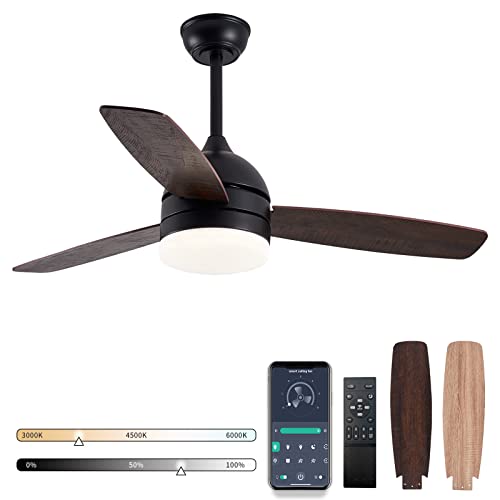
How to Reverse Direction of Hampton Bay Ceiling Fan Fast

How to reverse direction of Hampton Bay ceiling fan sounds simple at first glance, yet plenty of people end up staring at the blades wondering why the airflow still feels wrong. One tiny switch, an outdated remote, or a skipped safety step can turn a quick adjustment into a frustrating afternoon. That’s where practical guidance matters. A properly reversed fan can help circulate warm air during colder months, reduce stuffiness, and make a room feel far more balanced without constantly touching the thermostat.
Ceiling fans aren’t just decorative fixtures spinning overhead. They directly affect comfort, airflow, and even how a room “feels” from corner to corner. A fan rotating counterclockwise during warm weather pushes air downward for a cooling breeze, while clockwise rotation gently redistributes trapped heat near the ceiling. Sounds straightforward, right? Well, Hampton Bay models vary more than people expect. Some include hidden reverse switches, others rely entirely on remotes, and a few newer designs tuck controls into less obvious spots.
That confusion usually starts after seasonal changes. Somebody flips the fan on expecting relief, then realizes the room suddenly feels stuffy or oddly drafty. Worse yet, older Hampton Bay fans sometimes make the reverse switch difficult to spot because it blends into the motor housing. A little patience goes a long way here. Turning the fan off completely before adjusting direction helps prevent wobbling, motor strain, or accidental damage that can happen if the blades are still moving.
How to reverse direction of Hampton Bay ceiling fan also becomes important for energy efficiency around the house. Warm air naturally rises, which leaves many rooms unevenly heated during cooler weather. Reversing the blade direction at low speed helps move that trapped warmth downward without creating an uncomfortable breeze. Small adjustment, big difference. Plenty of homeowners notice fewer hot-and-cold spots after making the switch correctly.
Some Hampton Bay remotes include dedicated reverse buttons, though older remotes may hide the feature behind secondary settings. That catches people off guard all the time. Meanwhile, pull-chain models often depend on a physical toggle switch located near the light fixture or motor casing. Once identified, though, the process becomes surprisingly easy and takes only a minute or two.
Dust buildup can also affect how smoothly the fan performs after reversing direction. Dirty blades reduce airflow efficiency and sometimes create extra wobble or noise. Cleaning the blades before changing seasonal settings helps maintain consistent airflow and quieter operation. Little maintenance habits like this often get overlooked, yet they can noticeably improve long-term fan performance.
Separately, if airflow still feels uneven after adjusting blade direction, exploring related ceiling fan maintenance and balancing methods may help improve circulation throughout the room. Proper blade alignment and speed settings often matter just as much as the reverse function itself.

- LFR Score9.4
LFR Score is a ranking system developed by lightfansreviews.com. LFR Score has no relationship or impact from any manufacturers or sales agent websites. Learn more
- BrandMy Fan Parts

- LFR Score7.2
LFR Score is a ranking system developed by lightfansreviews.com. LFR Score has no relationship or impact from any manufacturers or sales agent websites. Learn more
- BrandEogifee

- LFR Score8.6
LFR Score is a ranking system developed by lightfansreviews.com. LFR Score has no relationship or impact from any manufacturers or sales agent websites. Learn more
- BrandReluen

- LFR Score7.2
LFR Score is a ranking system developed by lightfansreviews.com. LFR Score has no relationship or impact from any manufacturers or sales agent websites. Learn more
- BrandHQRP

- LFR Score8.2
LFR Score is a ranking system developed by lightfansreviews.com. LFR Score has no relationship or impact from any manufacturers or sales agent websites. Learn more
- BrandSwitchPrince

- LFR Score8.6
LFR Score is a ranking system developed by lightfansreviews.com. LFR Score has no relationship or impact from any manufacturers or sales agent websites. Learn more
- BrandOnisamt

- LFR Score8.4
LFR Score is a ranking system developed by lightfansreviews.com. LFR Score has no relationship or impact from any manufacturers or sales agent websites. Learn more
- BrandMEETOOT

- LFR Score8.5
LFR Score is a ranking system developed by lightfansreviews.com. LFR Score has no relationship or impact from any manufacturers or sales agent websites. Learn more
- Brandlightingindoors
- LFR Score7.5
LFR Score is a ranking system developed by lightfansreviews.com. LFR Score has no relationship or impact from any manufacturers or sales agent websites. Learn more
- BrandCENMING
Last update on 2026-05-19 / Affiliate links / Images, Product Titles, and Product Highlights from Amazon Product Advertising API
How To Reverse Direction Of Hampton Bay Ceiling Fan
A room can feel oddly stuffy even while the fan is spinning, and that’s usually the first clue that something isn’t set right. The small reverse control on a Hampton Bay fan can change how air moves across the room, especially during seasonal shifts. Learning how to reverse direction of Hampton Bay ceiling fan helps fix uneven airflow, reduce that “why is this room still uncomfortable?” feeling, and make the fan work with your heating or cooling instead of fighting it.
Hampton Bay Fan Direction Basics
Ceiling fan direction matters because the blades don’t just spin for looks. Counterclockwise rotation usually pushes air downward, creating that breezy feel people want during warm weather. Clockwise rotation, especially on low speed, helps move warm air trapped near the ceiling back down into the living space. That one setting can change the comfort level of a bedroom, living room, or covered porch without touching the thermostat every ten minutes.
Hampton Bay ceiling fans show up in plenty of homes because they’re common, affordable, and available in many styles. The catch is that reverse controls aren’t always in the same place from model to model. Some fans use a small switch on the motor housing, while others rely on a remote button or wall control. That inconsistency makes the process feel more annoying than it really is.
Summer direction usually means the fan should spin counterclockwise while viewed from below. This creates a direct downdraft that helps sweat evaporate faster and makes the room feel cooler. The fan doesn’t actually lower the air temperature, though, so leaving it running in an empty room wastes electricity. Comfort comes from moving air across skin, not from chilling the whole space.
Winter direction usually means clockwise rotation at low speed. Warm air rises and collects near the ceiling, especially in rooms with tall ceilings or poor circulation. A slow clockwise spin helps pull cooler air upward and push warmer air outward and down along the walls. Done right, the room feels more even without a chilly blast hitting the couch.
Find The Reverse Switch
The reverse switch is often the tiny piece that causes the biggest headache. On many Hampton Bay pull-chain fans, it sits on the side of the motor housing above the blades. It may look like a small black, white, or gray sliding switch. Since it can blend into the fan body, a flashlight helps more than pride here.
Safety comes first before touching anything near the fan. Turn the fan off and wait until the blades stop moving completely. Reversing the switch while the blades are still spinning can strain the motor or create unnecessary wobble. That little pause protects the fan and keeps fingers away from moving blades.
Older Hampton Bay fans may hide the switch near the light kit or just above the glass shade. Some designs make the switch awkward to reach, especially if the fan sits over a bed or dining table. A sturdy step ladder beats standing on furniture, no question. Good lighting also makes it easier to spot dust, loose screws, or blade wobble while you’re already up there.
Remote-controlled models may not have an obvious physical switch at all. Many Hampton Bay remotes include a reverse button, but the icon can be vague or tucked behind another function. Some models require holding the fan button for a few seconds to change direction. If the fan refuses to reverse, fresh remote batteries and a quick reset are worth trying before assuming something is broken.
Reverse Direction With A Remote
Remote operation feels convenient until the reverse feature plays hide-and-seek. Start by turning the fan on at a low or medium speed, then look for a button marked reverse, direction, or an icon showing circular arrows. Some remotes change direction only while the fan is running, while others require the fan to be stopped first. That model-to-model difference trips people up all the time.
Battery strength matters more than people expect. A remote may still turn the light on but fail to send stronger commands reliably. Weak batteries can make the fan respond halfway, blink, or ignore direction changes. Swapping in fresh batteries is a simple fix that saves a lot of unnecessary troubleshooting.
Wall controls can complicate the setup if they override fan speed or power. A fan connected to both a wall switch and remote receiver may need steady power from the wall before the remote can reverse direction. Flip the wall switch on, then try the remote again. Simple? Yes, but that little detail causes plenty of “the remote is broken” moments.
Remote receivers inside the canopy can also fail over time, especially after power surges or years of heat buildup. If the fan works manually but won’t respond to reverse commands, the receiver may be the weak link. Before replacing anything, check the manual or model number because Hampton Bay has used different remote systems across its fan lineup. A mismatched remote may run the fan but not control every feature.
Reverse Direction Without A Remote
No remote doesn’t mean no control. Many Hampton Bay fans without remotes use a pull chain for speed and a physical reverse switch on the motor housing. Turn the fan off, let the blades stop, slide the switch to the opposite position, then restart the fan. That basic sequence handles a large number of standard Hampton Bay models.
Pull-chain fans may need a quick speed check after reversing direction. Low speed often works best for winter circulation, while medium or high speed usually feels better in warm weather. A fan spinning clockwise on high can create an odd draft that feels chilly rather than cozy. Small speed changes make the direction setting feel much more natural.
Dust buildup can make a freshly reversed fan feel weaker than expected. Blades coated with dust move air less efficiently and may wobble after the direction changes. Wipe each blade with a damp microfiber cloth before testing airflow. That quick cleaning also keeps dust from raining down once the fan starts spinning the other way.
Related electrical projects should stay separate from fan direction changes. Reversing a ceiling fan is usually a control adjustment, not a wiring job. To handle vehicle lighting fixes instead, compare install load resistors guidance before touching turn signal circuits. Mixing unrelated electrical advice can lead to the wrong repair path fast.
Check The Direction Visually
Blade movement tells you whether the fan is set correctly. Stand directly under the fan and watch the leading edge of the blades as they rotate. Counterclockwise movement should push air downward and feel like a breeze. Clockwise movement should feel softer underneath, especially at low speed.
The tissue test helps if the blade direction is hard to judge. Hold a tissue or lightweight paper below the fan while it runs. If it flutters downward strongly, the fan is producing a downdraft. If airflow feels weaker below and seems to move around the room instead, the fan is likely set for warm-air circulation.
Room layout can affect how obvious the airflow feels. Large furniture, tall shelves, curtains, or vaulted ceilings can redirect air in strange ways. A fan may be spinning correctly but still feel uneven because the room blocks circulation. Testing airflow from different spots gives a clearer picture than standing in one place and guessing.
Seasonal comfort should guide the final setting. During hot days, a clear downward breeze usually feels right. During cooler weather, low-speed clockwise rotation should move air gently without making the room feel windy. The goal isn’t dramatic airflow every time, it’s steadier comfort across the space.
Fix Common Direction Problems
A stuck reverse switch can happen on older fans, especially if dust or paint has built up around the motor housing. Don’t force it with pliers right away because the plastic tab can snap. Turn power off, clean around the switch gently, and try sliding it again with steady pressure. A broken switch may require replacement parts or professional help.
A fan that hums after reversing may be dealing with motor strain, loose hardware, or an incompatible control. Check that the fan blades are fully stopped before changing direction. Tighten visible screws on blade brackets and make sure the light kit isn’t rattling. Persistent humming deserves attention because it can point to electrical or capacitor issues.
Wobble after reversing usually comes from blade imbalance rather than the direction setting itself. Dust, loose blade screws, warped blades, or uneven blade spacing can all make the fan shake. A balancing kit can help, but cleaning and tightening should come first. Tiny changes at the blade tips can create big movement once the fan reaches speed.
Older home fixtures sometimes raise bigger questions about replacement parts and discontinued brands. Separately, outdoor lighting owners dealing with missing parts can review malibu landscape lighting history before hunting for compatible replacements. That kind of product background helps avoid wasting money on parts that no longer match current systems.
Match Direction To Room Conditions
Low ceilings need a gentler approach because airflow reaches people faster. A strong downdraft in a compact bedroom can feel harsh, especially near the bed. Hugger-style fans sit closer to the ceiling, so speed choice matters as much as direction. For rooms with tight clearance, compare hugger ceiling fans no light options before replacing an old unit.
High ceilings create a different challenge because warm air gets trapped farther above the living area. In that setup, clockwise rotation on low may need more time to make the room feel even. A longer downrod can also improve summer airflow by lowering the fan into a better position. Direction helps, but installation height still plays a major role.
Rooms with poor insulation may still feel uneven after reversing the fan. Drafty windows, thin attic insulation, and open stairways can overpower what a ceiling fan can do. The fan can improve air movement, but it can’t fix heat loss by itself. That’s a realistic tradeoff worth keeping in mind before blaming the fan.
Daily habits also change the result. Running the fan only while people are in the room keeps energy use sensible. Pairing the right direction with curtains, thermostat settings, and clean blades creates a more balanced space. No single switch fixes everything, but the reverse setting is one of the easiest comfort upgrades already built into the fan.
Best Way To Change Hampton Bay Ceiling Fan Direction
Some rooms never seem to feel balanced no matter how long the fan runs. One side feels chilly, another corner stays stuffy, and the thermostat becomes the household argument nobody asked for. That’s usually where the best way to change Hampton Bay ceiling fan direction starts making a noticeable difference. A small adjustment in blade rotation can improve airflow, reduce uneven temperatures, and help the room feel calmer without constantly fiddling with settings.
Seasonal Airflow Mistakes
Wrong fan direction creates more discomfort than people realize. During warm weather, clockwise rotation can leave a room feeling stagnant because the airflow isn’t pushing downward where people actually sit and sleep. Then winter arrives, and the same counterclockwise setting suddenly makes the room feel drafty instead of cozy. A simple directional change helps the fan support the season instead of working against it.
Large living rooms often expose airflow problems faster than smaller spaces. Warm air gets trapped near the ceiling while cooler air settles below, creating an uneven temperature split that feels annoying after a while. Reversing the fan at low speed helps move that trapped heat around without creating harsh airflow. The difference feels subtle at first, though over time the room becomes noticeably more comfortable.
Ceiling height changes the experience too. Standard fans mounted too close to low ceilings may create excessive downward airflow during summer settings. In tighter rooms, airflow should feel steady rather than aggressive. Homeowners comparing compact options often explore flush mount ceiling fans because lower-profile designs can improve circulation without overwhelming smaller spaces.
Humidity levels also influence how airflow feels across the room. Sticky indoor air tends to feel heavier, especially in bedrooms or upstairs spaces with poor ventilation. A properly reversed ceiling fan helps circulate air more evenly, reducing that muggy feeling near walls and corners. Small airflow improvements can make sleeping and relaxing far less frustrating.
Why Fan Speed Matters Too
Fan direction alone doesn’t solve everything if the speed setting is wrong. A clockwise winter setting on high speed can make the room feel windy instead of balanced. Low speed usually works best because it gently circulates warm air without creating a direct breeze. That softer airflow helps rooms feel comfortable without constantly reminding everyone the fan is running.
Summer cooling feels more effective with medium or high counterclockwise rotation. The stronger downward airflow helps evaporate sweat and keeps the room from feeling stale. Bedrooms especially benefit from this because moving air helps reduce that “warm pillow” feeling overnight. Strong airflow doesn’t lower actual room temperature, but it absolutely changes perceived comfort.
Noise levels can increase if the fan speed is too aggressive after reversing direction. Some Hampton Bay fans develop slight clicking or wobbling when dust buildup combines with high-speed rotation. Cleaning the blades and tightening loose screws often solves the issue. Ignoring those small sounds usually makes them worse over time.
Energy habits matter here too. Running the fan continuously in empty rooms won’t cool the house because fans cool people, not the air itself. Turning the fan off when nobody’s around helps avoid unnecessary electricity use. A properly adjusted fan supports comfort more efficiently when combined with realistic usage habits.
Hidden Problems After Reversing
Uneven blade alignment sometimes becomes obvious only after changing direction. A fan that looked perfectly fine before may suddenly wobble or hum once the blades spin the opposite way. Dust accumulation, loose blade arms, or warped blades can all trigger the issue. Small mechanical imbalances become much more noticeable during directional changes.
Remote delays can also confuse people into thinking the reverse feature failed. Some Hampton Bay fans take several seconds before fully switching direction. Others stop briefly before rotating the opposite way. Patience helps here because interrupting the process repeatedly can confuse the receiver or remote settings.
Light kits occasionally vibrate after reversing direction due to loosened mounting screws. The airflow itself may not cause the problem directly, but changing rotation exposes weak hardware connections. Tightening the glass shade and checking visible screws often reduces rattling quickly. A quieter fan immediately makes the room feel more relaxing.
Comfort expectations should stay realistic too. A ceiling fan improves airflow, but it won’t fully fix poor insulation, direct sun exposure, or weak HVAC systems. Fans support temperature balance rather than replacing heating or cooling entirely. That tradeoff matters in older homes with drafty windows or inconsistent ventilation.
Bedroom And Living Room Adjustments
Bedroom airflow needs a softer touch than open living areas. Strong downward airflow can feel uncomfortable overnight, especially for light sleepers. Low or medium speed usually creates a steadier environment without drying the air too aggressively. Small adjustments often make a bigger difference than blasting the fan at maximum speed.
Living rooms handle stronger circulation more comfortably because furniture layouts and open space help distribute airflow naturally. Reversing the fan correctly helps reduce warm pockets near ceilings during colder weather. It also keeps air from feeling stale during crowded gatherings or movie nights. Consistent airflow helps the entire room feel more balanced.
Ceiling shape changes airflow patterns more than most people expect. Vaulted ceilings allow heat to collect far above the living area, making clockwise winter settings especially useful. Flat ceilings create more direct airflow patterns that respond faster to fan speed changes. Watching how curtains or lightweight fabrics move can help reveal airflow behavior.
Lighting atmosphere often affects room comfort alongside airflow. Soft ambient lighting paired with balanced circulation can make a room feel calmer and more relaxing overall. Drivers looking to create a similar mood inside vehicles sometimes compare ambient lighting in a car setups for ideas about comfort-focused interior environments. Small environmental details influence how spaces feel far more than people think.
Cleaning Before Direction Changes
Dusty fan blades reduce airflow efficiency and spread debris through the room after reversing direction. The first spin in the opposite direction often sends accumulated dust drifting downward if the blades haven’t been cleaned recently. A microfiber cloth and gentle cleaner help remove buildup without damaging blade finishes. That quick maintenance step also helps reduce wobbling.
Blade balance becomes easier to maintain when dust levels stay under control. Heavy buildup on one blade can throw off rotation and create shaking at higher speeds. Cleaning each blade evenly keeps airflow smoother and reduces stress on the motor. Tiny maintenance habits often prevent bigger mechanical problems later.
Motor housing vents deserve attention too. Dust can collect around ventilation openings and trap heat inside the motor assembly. Over time, excess heat may shorten motor life or increase humming sounds during operation. A soft brush attachment on a vacuum helps clear buildup safely.
Glass light shades tend to collect a surprising amount of grime as well. Once airflow direction changes, dusty light kits become much more noticeable because air movement shifts around the fixture. Cleaning the shades while already working on the fan saves time and improves overall room appearance. A clean fan simply feels better to use.
Signs It May Be Time For Replacement
Persistent wobbling after balancing and tightening hardware can point to aging components. Bent blade brackets, worn bearings, or damaged mounting systems become harder to ignore once airflow direction changes regularly between seasons. Repairs sometimes cost more effort than replacing an outdated fan. That’s especially true for older Hampton Bay models with discontinued parts.
Weak airflow despite proper direction settings may signal blade pitch limitations or motor wear. Some older fans simply move less air compared to newer designs. Large rooms often expose these shortcomings quickly because the circulation feels uneven no matter how the fan spins. Better blade design can improve airflow without increasing noise dramatically.
Remote reliability also declines over time. Receivers may lose responsiveness after years of heat exposure or electrical fluctuations. A fan that randomly changes speed, ignores reverse commands, or delays startup can become frustrating fast. Replacing the control system sometimes helps, though older units may not justify the expense.
Daily comfort usually reveals whether the fan still meets the room’s needs. If airflow constantly feels uneven, noisy, or weak despite cleaning and seasonal adjustments, replacement may provide a better long-term solution. Ceiling fans should quietly support comfort instead of becoming another annoying household chore to manage every week.


Best Small Flush Mount Ceiling Fans 2026 Ultimate Picks

Best Smart Ceiling Fan India 2026 For Effortless Comfort

Best Smart Ceiling Fans with Lights for 2026: Top Picks

Best Smart Home Non Ceiling Fans 2026 For Ultimate Comfort

Best Outdoor Misting Ceiling Fan 2026 For Ultimate Comfort

Best Outdoor Ceiling Fans For Porch 2026 With Style And Breeze

Best Smart Bulb For Ceiling Fan 2026 That Brightens Life
Best Smart Ceiling Fan Control 2026 For Effortless Comfort