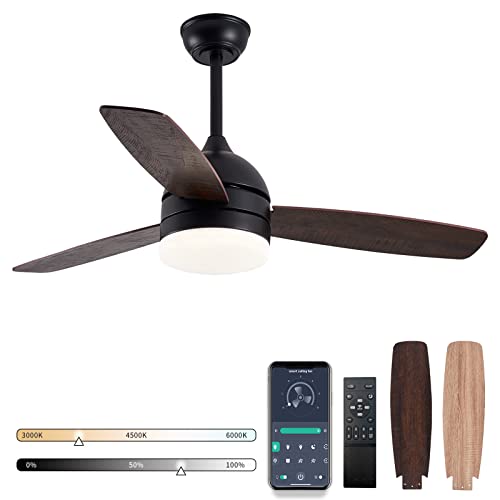
How to Set Up a Table Fan Without the Hassle

How to set up a table fan sounds simple at first glance, yet plenty of people end up dealing with weak airflow, rattling noise, tangled cords, or a fan that somehow blows air everywhere except where it’s needed. A poor setup can turn a perfectly decent fan into an annoying box of spinning plastic. Small placement mistakes often make rooms feel warmer instead of cooler, especially during sticky nights or long afternoons at a work desk. A few smart adjustments completely change that experience.
Position matters more than most folks expect. A table fan shoved into a random corner usually struggles to circulate air evenly, and that stale feeling lingers no matter how long the blades spin. Placing the fan near an open window can help pull cooler outdoor air inside during the evening, while angled positioning works better for pushing trapped heat out of smaller rooms. Airflow direction, desk height, and nearby furniture all affect how comfortable the space actually feels.
Noise becomes another headache when setup gets rushed. Loose fan guards, uneven surfaces, or dusty blades can create that irritating humming sound that slowly drives people up the wall. A stable tabletop with enough clearance around the fan helps reduce vibration and keeps airflow smooth instead of choppy. Also, cord placement shouldn’t be ignored because stretched cables or crowded outlets create unnecessary safety risks. Little fixes here save a ton of frustration later.
Different rooms need different approaches, too. Bedroom setups usually focus on quieter airflow and indirect cooling, while office desks benefit from targeted airflow that doesn’t blast papers across the room every five minutes. Kitchen spaces often need stronger circulation to handle trapped heat and lingering cooking smells. How to set up a table fan depends heavily on how the room feels during daily use rather than simply turning the fan on and hoping for the best.
Maintenance slips under the radar until performance suddenly drops. Dust buildup on the blades can weaken airflow and force the motor to work harder than necessary. Cleaning the grill regularly and checking blade balance keeps the fan running smoother over time. Separately, to improve cooling comfort in compact indoor spaces, explore proper air circulation setups that help reduce hot spots and stagnant air pockets. Smart placement often matters more than fan size alone.
Some fans include tilt adjustments, oscillation controls, or multiple speed settings, yet many people barely touch them after the first setup. That’s a missed opportunity. Tweaking those settings based on room layout or time of day creates a noticeably better cooling experience without increasing electricity use too much. A little experimenting goes a long way, and honestly, once the setup feels right, the room itself starts feeling far more comfortable.

- LFR Score9.2
LFR Score is a ranking system developed by lightfansreviews.com. LFR Score has no relationship or impact from any manufacturers or sales agent websites. Learn more
- BrandGaiatop
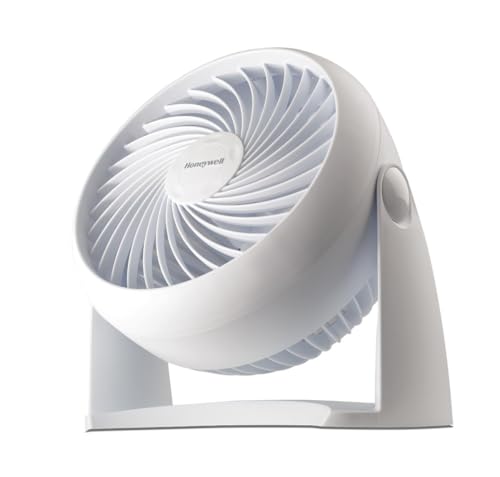
- LFR Score9.2
LFR Score is a ranking system developed by lightfansreviews.com. LFR Score has no relationship or impact from any manufacturers or sales agent websites. Learn more
- BrandHoneywell

- LFR Score9.2
LFR Score is a ranking system developed by lightfansreviews.com. LFR Score has no relationship or impact from any manufacturers or sales agent websites. Learn more
- BrandTriPole
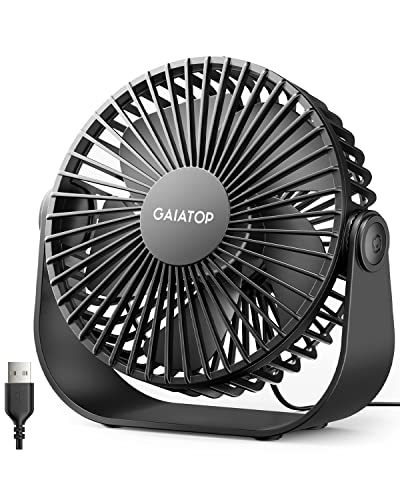
- LFR Score9.2
LFR Score is a ranking system developed by lightfansreviews.com. LFR Score has no relationship or impact from any manufacturers or sales agent websites. Learn more
- BrandGaiatop

- LFR Score8.8
LFR Score is a ranking system developed by lightfansreviews.com. LFR Score has no relationship or impact from any manufacturers or sales agent websites. Learn more
- BrandLasko

- LFR Score8.6
LFR Score is a ranking system developed by lightfansreviews.com. LFR Score has no relationship or impact from any manufacturers or sales agent websites. Learn more
- BrandHoneywell

- LFR Score8.6
LFR Score is a ranking system developed by lightfansreviews.com. LFR Score has no relationship or impact from any manufacturers or sales agent websites. Learn more
- BrandHOLMES

- LFR Score8.6
LFR Score is a ranking system developed by lightfansreviews.com. LFR Score has no relationship or impact from any manufacturers or sales agent websites. Learn more
- BrandAmazon Basics

- LFR Score8.6
LFR Score is a ranking system developed by lightfansreviews.com. LFR Score has no relationship or impact from any manufacturers or sales agent websites. Learn more
- BrandComfort Zone
Last update on 2026-06-01 / Affiliate links / Images, Product Titles, and Product Highlights from Amazon Product Advertising API
How To Set Up A Table Fan For Better Airflow
A room can feel stubbornly warm even with the blades spinning, and that’s usually where frustration starts. The fan isn’t always the problem. Poor placement, blocked airflow, dusty blades, and shaky surfaces can make how to set up a table fan feel more confusing than it should. A smarter setup helps create steadier cooling, less noise, and a room that feels easier to sit in, sleep in, or work in.
Table Fan Setup Basics
Table fan placement starts with the surface beneath it. A wobbly stool, crowded shelf, or soft fabric-covered table can make the fan vibrate, hum, or slowly creep out of position. Set it on a flat, sturdy surface where the base sits fully supported. That one move cuts down on rattling and helps the airflow stay pointed where it should.
Height matters more than people think. A fan sitting too low may push air into chair legs, bed frames, or storage boxes instead of across the room. A fan placed around chest height while sitting usually feels more comfortable for desk work, reading, or relaxing. Clear airflow beats raw speed almost every time.
Distance also changes the whole feel of the setup. Sitting right in front of the fan can feel nice for a few minutes, then dry out your eyes or make papers fly around like a tiny indoor storm. Moving the fan a few feet away gives the airflow more room to spread. That softer breeze often feels better for longer cooling comfort.
Keep the fan away from loose curtains, plastic bags, paper stacks, and dangling cords. Spinning blades pull nearby lightweight items toward the guard, and that’s a headache waiting to happen. A little open space around the fan improves safety and keeps the motor from fighting blocked air. Clean space, clean airflow, fewer annoying problems.
Pick The Right Spot First
The best spot usually sits between where heat gathers and where comfort is needed. A table fan near a doorway can help move stale air out of a small room. A fan near a window can pull in cooler air during evenings, especially after the outdoor temperature drops. Air direction matters because the fan moves existing air rather than chilling it like an air conditioner.
Rooms with poor airflow often have hidden dead zones. Corners behind beds, desks, and bookshelves trap warm air, then make the rest of the room feel stuffy. Aim the fan across the open part of the room instead of straight into a wall. That simple adjustment creates better circulation without needing a higher speed.
Bedroom setups need a gentler touch. A direct blast on the face can feel refreshing at first, then turn annoying once sleep kicks in. Pointing the fan slightly above or beside the bed helps the air move without feeling harsh. Indirect cooling often works better for overnight comfort.
Desk setups need control. A fan that blows straight at papers, laptop screens, or houseplants can become more irritating than helpful. Angle it toward your upper body or across the side of the desk instead. For separate workroom cooling, compare airflow choices with best ceiling fan home office before upgrading a space that needs wider air movement.
Angle The Fan Like You Mean It
Fan angle controls whether the breeze feels useful or random. Tilting the head slightly upward helps move air around the room instead of blasting one small spot. That’s especially helpful in rooms with low airflow and furniture blocking the lower half of the space. A higher angle can make a small fan feel more capable.
Direct airflow still has its place. During hot afternoons, pointing the fan toward your body can bring quick relief while you cook, work, or fold laundry. The trick is not leaving it locked in one harsh position all day. Shift the angle as the room warms, cools, or fills with people.
Oscillation helps, but it can waste airflow if the sweep is too wide. A fan rotating across empty walls, open closets, or unused corners is basically doing busywork. Narrow the swing if your fan allows it, or position the base so the sweep covers the main sitting area. Focused movement feels better than random motion.
Small rooms often need crossflow rather than direct wind. Place the fan so air travels from one side of the room toward the other, then let the breeze bounce gently off open space. This helps reduce hot pockets without making the room feel like a wind tunnel. Balanced airflow keeps comfort steady instead of jumpy.
Use Windows And Doors Wisely
Windows can turn a table fan from a simple breeze machine into a useful circulation tool. During cooler evenings, place the fan near an open window to pull fresh air inside. During hotter parts of the day, that same setup may pull in warm air and make the room feel worse. Timing makes a big difference.
A two-opening setup works even better. Open one window or door for incoming air, then use another opening as the exit path. The fan helps move air through the space instead of swirling the same stale air around. Cross ventilation can make a room feel fresher without cranking the fan to its highest setting.
Bathrooms, kitchens, and small apartments often hold heat longer than expected. Steam, cooking warmth, and closed doors can trap heavy air that refuses to move. A table fan pointed toward a doorway can push that heat out into a larger space where it disperses faster. It’s not fancy, but it works.
Outdoor heat changes the plan. A fan facing inward on a hot afternoon may bring in air that feels like it came from a parking lot. Flip the setup and aim the fan outward to help push hot indoor air away. For separate outdoor lighting projects near planted edges or hardscape zones, plan safer evening visibility with landscaping lights retaining wall while keeping fan cords indoors where they belong.
Control Noise Before It Bugs You
Fan noise usually comes from vibration, dust, loose guards, or an uneven surface. A table fan on a hollow desk can sound much louder than the same fan on a solid table. Place a firm, non-slip mat under the base if the surface amplifies buzzing. That small buffer can calm down annoying rattles.
Dusty blades don’t just look bad. They disturb airflow and can make the fan sound rougher than usual. Turn the fan off, unplug it, and clean the guard and blades regularly with a soft cloth. Clean blades move air more smoothly and help the motor work with less strain.
Speed settings also affect noise more than expected. High speed may feel powerful, but it can create choppy airflow and a louder hum in small rooms. Medium speed often gives enough movement without turning the fan into background static. Comfortable cooling should feel steady, not aggressive.
Loose parts deserve attention right away. A guard that isn’t clipped properly can rattle every time the fan oscillates. A base screw that has worked loose can make the fan shake at certain speeds. Tighten what’s meant to be tightened, and stop using the fan if the motor housing smells hot or sounds strained.
Set It Up Safely Around Daily Clutter
Electrical safety belongs in every table fan setup, even if the fan looks small and harmless. Keep cords away from walkways, chair wheels, pets, and wet floors. A stretched cord across a room is more than ugly clutter. It’s a trip hazard and a bad setup habit.
Outlet crowding causes problems fast. Plugging a fan into an overloaded power strip beside chargers, lamps, and other devices can create unnecessary risk. Use a properly rated outlet or power strip, and avoid stacking adapters. Safe power access keeps the setup practical instead of sketchy.
Water and table fans do not mix. Keep the fan away from sinks, humidifier mist, wet plant trays, and open drink cups. Even a small splash can create damage or danger. Place drinks on the opposite side of the table if the fan shares desk space.
Plant shelves need extra care, too. A strong fan pointed directly at houseplants can dry soil too quickly, bend delicate stems, or make leaves crisp around the edges. Gentle side airflow is usually better, especially for humidity-loving plants. For separate skin-care routines after dry indoor air, soothe rough-feeling skin with red light therapy lotion rather than turning a fan into a moisture problem.
Match Fan Speed To The Room
Fan speed should match the room size, heat level, and activity. A tiny bedroom doesn’t always need the highest setting, especially once air starts moving. Lower speeds can keep the breeze present without creating that restless, noisy feeling. Small adjustments often beat constant full blast.
Large rooms need strategic placement more than pure speed. A table fan pushed into one corner may barely reach the seating area, even on high. Move it closer to the main activity zone or aim it across the longest open path. Air path matters as much as blade power.
Work areas need a calmer setup. Strong airflow can dry eyes, cool coffee too quickly, or push lightweight notes across the desk. Medium or low speed aimed slightly away from the face usually feels better for long sessions. The goal is steady comfort, not a mini windstorm.
Hot kitchens need a different rhythm. A fan can help move warm air away after cooking, but it shouldn’t blow directly at a gas flame or scatter lightweight wrappers near burners. Aim it toward a doorway or open window after the heat source is off. Practical placement keeps airflow useful without making cooking messier.
Best Ways To Position A Table Fan At Home
Some rooms never seem to cool down evenly no matter how long the fan runs. One side feels chilly while the other still traps heat like a closed attic in July. That uneven comfort usually points back to fan positioning, blocked airflow, or poor circulation habits rather than fan power alone. A better setup helps how to set up a table fan feel simpler, quieter, and much more effective during everyday use.
Fix Weak Airflow In Small Rooms
Small room airflow can get messy fast once furniture starts blocking the breeze. Beds pushed against walls, packed storage bins, and oversized chairs often interrupt the air path without people realizing it. A table fan aimed directly into those obstacles loses momentum quickly. Open pathways help the air spread farther with less effort.
Fans placed too close to walls usually struggle to circulate properly. The airflow bounces backward instead of moving smoothly across the room, which creates that stale feeling people complain about late at night. Pull the fan several inches away from walls or corners whenever possible. Open circulation space matters more than many expect.
Warm air naturally rises, so a fan angled slightly upward can help move trapped heat away from the ceiling area. This setup often works well in bedrooms with poor ventilation or apartments with low airflow between rooms. Strong cooling doesn’t always require maximum speed. Smarter positioning usually beats louder settings.
Window airflow changes throughout the day too. Cooler evening air may help the room feel fresher, while afternoon heat can make indoor spaces worse if the fan pulls hot outdoor air inside. For larger patios or covered outdoor zones that need wider airflow coverage, compare cooling layouts with best 60 inch outdoor ceiling fan setups before relying on one small indoor fan alone.
Keep Bedrooms Comfortable Overnight
Nighttime fan setups need balance. A direct stream of air against the face may feel refreshing for twenty minutes, then suddenly become dry, irritating, or noisy at three in the morning. Positioning the fan slightly off-center creates softer airflow that still cools the room without feeling harsh. Sleep tends to feel steadier with indirect circulation.
Oscillation settings deserve more attention than they usually get. Some people leave the fan rotating across the entire room even though half the sweep hits empty space. Narrowing the range or adjusting the angle toward the bed helps focus airflow where it’s actually needed. Targeted cooling often feels calmer and quieter.
Sheets, curtains, and nearby blankets can accidentally block airflow too. Heavy fabrics absorb moving air surprisingly fast, especially in compact bedrooms. Keep lightweight obstructions away from the front grill whenever possible. A cleaner airflow path creates more stable comfort without increasing energy use.
Noise control matters even more at night. Loose fan guards and dusty blades can produce repetitive humming that slowly gets under the skin during quiet hours. Clean blades regularly and check for loose screws before bedtime. A fan should fade into the background instead of becoming the loudest thing in the room.
Reduce Heat Around Workspaces
Desk airflow becomes frustrating once papers start flying around or dry air hits the eyes nonstop. A fan blasting directly toward the face can create fatigue during long work sessions. Angling the fan toward the upper body or across the side of the desk usually feels more natural. Soft circulation often works better than constant direct wind.
Laptops and monitors also generate heat throughout the day. In small offices or bedrooms turned into workspaces, that warmth builds surprisingly fast. Positioning the fan near the edge of the desk can help move trapped warm air away before the room starts feeling stuffy. Steady airflow keeps the environment easier to focus in.
Cable clutter creates another hidden issue. Fan cords mixed with laptop chargers, phone cables, and extension cords quickly become messy and awkward. A cleaner setup improves both safety and airflow around the desk area. Small changes reduce stress during everyday routines.
Some fans include bright indicator lights or unusual control panels that feel distracting during late-night work. Covering harsh LEDs or lowering the speed can create a calmer atmosphere without shutting the fan off completely. Tiny comfort adjustments add up over time, especially during long hours indoors.
Clean The Fan Before Problems Build Up
Dust buildup changes fan performance more than many people realize. Dirty blades struggle to move air efficiently, and that extra strain can make the motor sound rougher over time. Regular cleaning keeps airflow smoother and helps reduce unnecessary noise. A cleaner fan also prevents dust from constantly circulating around the room.
Unplug the fan before taking anything apart. Wipe the blades gently with a damp cloth and clean the grill openings where dust usually collects first. Thick buildup near the center hub often gets ignored even though it affects balance and airflow. Balanced blades help the fan operate more steadily.
Some older fans develop shaking issues after months of neglected cleaning. Dust layers settle unevenly across the blades and create wobbling during higher speeds. Tightening loose screws while cleaning helps stabilize the structure at the same time. Little maintenance habits prevent bigger headaches later.
Fans near kitchens or humid rooms may collect greasy residue instead of dry dust. That sticky layer traps even more dirt and weakens airflow quickly. Warm water with mild soap usually works better than harsh cleaners for these situations. Gentle cleaning keeps plastic surfaces from becoming brittle or faded.
Avoid Common Setup Mistakes
Bad table fan setups often start with convenience instead of airflow logic. People place the fan wherever the cord reaches, then wonder why the room still feels uncomfortable. A fan hidden behind furniture or aimed into a crowded wall won’t circulate air effectively. Placement matters more than speed in many situations.
Pointing the fan directly toward electronics can create other issues. Constant airflow may pull dust deeper into keyboards, gaming consoles, or desktop vents over time. Shift the angle slightly so air moves around the workspace instead of straight through sensitive equipment. Balanced positioning helps both comfort and cleanliness.
Ignoring room humidity can also create discomfort. Strong airflow in already dry spaces may leave skin, eyes, or throat feeling irritated after several hours. Lower speeds and indirect airflow often feel more comfortable in air-conditioned rooms. Small adjustments prevent that overcooled, dry feeling.
Random warning lights or electrical smells should never be ignored around appliances. If a fan suddenly behaves oddly after a power issue, stop using it until everything looks normal again. Strange indicators around connected devices can point toward electrical trouble too. For related vehicle warning concerns, review triangle light on dashboard explanations to avoid overlooking signs that something needs attention.
Improve Air Circulation During Hot Weather
Summer heat changes how a table fan should operate throughout the day. Afternoon temperatures can trap warm air indoors, especially in apartments with limited ventilation. Positioning the fan to push hot air outward often works better than pulling more heat inside. A room starts feeling lighter once trapped warmth finally moves out.
Cross ventilation becomes especially useful during humid evenings. Opening windows on opposite sides of a room allows moving air to flow through naturally instead of circling in place. A table fan placed near one opening can help speed that process up without much extra noise. Air exchange creates fresher-feeling rooms.
Floor clutter quietly interferes with circulation too. Laundry baskets, storage bins, and oversized furniture interrupt low airflow paths across the room. Clearing even a little extra space can improve circulation more than turning the fan to maximum speed. Better airflow usually comes from layout fixes rather than brute force.
Heat from cooking, gaming systems, or crowded rooms can overwhelm weak airflow setups fast. Running the fan before the room becomes uncomfortable helps maintain steadier temperatures. Waiting until the space already feels unbearable usually means the fan has to work much harder. Preventive cooling tends to feel smoother and more manageable.
Make Daily Fan Use Feel Less Annoying
Daily comfort often depends on small setup habits people barely think about. Constantly repositioning the fan every few hours becomes tiring fast, especially in multipurpose rooms where people sleep, work, and relax in the same space. A well-placed setup should support normal routines without needing nonstop adjustments. Practical placement saves time and frustration.
Remote controls and timer settings can help reduce late-night interruptions. Some people wake up feeling too cold because the fan keeps blasting air at full speed for hours after the room cools down. Lower settings or timers create a more consistent environment overnight. Comfort should feel steady instead of extreme.
Portable fans often get moved from room to room during heat waves. Carrying them carefully matters because rough handling can loosen guards, damage blades, or strain oscillation mechanisms. A fan that suddenly starts clicking or wobbling usually needs inspection before continued use. Long-term reliability depends on simple care habits.
Even affordable fans can feel noticeably better once the setup actually matches the room layout, airflow path, and daily routine. Cleaner circulation, quieter operation, and fewer irritating hot spots change how the entire space feels. A thoughtful setup turns a basic appliance into something genuinely useful instead of just another noisy object sitting in the corner.


Best Small Flush Mount Ceiling Fans 2026 Ultimate Picks

Best Smart Ceiling Fan India 2026 For Effortless Comfort

Best Smart Ceiling Fans with Lights for 2026: Top Picks

Best Smart Home Non Ceiling Fans 2026 For Ultimate Comfort

Best Outdoor Misting Ceiling Fan 2026 For Ultimate Comfort

Best Outdoor Ceiling Fans For Porch 2026 With Style And Breeze

Best Smart Bulb For Ceiling Fan 2026 That Brightens Life
Best Smart Ceiling Fan Control 2026 For Effortless Comfort