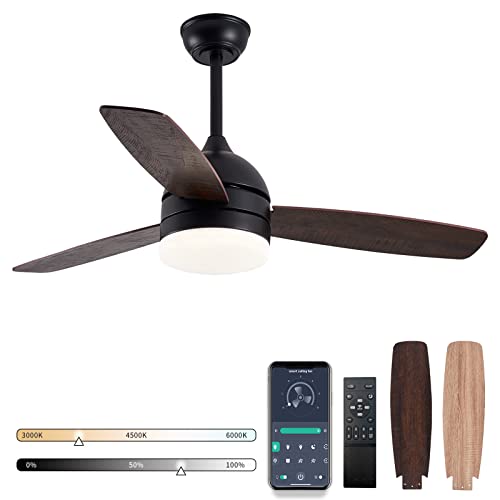
How to Stop Ceiling Fan From Making Humming Noise Fast

How to stop ceiling fan from making humming noise starts with understanding what’s actually causing that irritating sound in the first place. A low hum might seem harmless at first, but night after night, it can get under your skin like a dripping faucet. Loose screws, worn capacitor parts, blade imbalance, or even poor installation often sit quietly behind the problem. Plenty of people crank the speed higher hoping the sound fades out, yet that usually makes the vibration even worse.
Small mechanical issues tend to snowball over time. A fan mounted slightly off-center may create a steady vibration that travels through the ceiling box and into surrounding walls. Cheap dimmer switches also trigger electrical buzzing that sounds far louder in quiet bedrooms. Tightening hardware, balancing blades, and replacing incompatible controls can dramatically reduce the noise without replacing the entire fixture. Sometimes the fix is surprisingly simple, though getting to the root cause takes a little patience.
Ceiling fan humming noise also changes depending on speed settings and room conditions. Hot summer evenings often expose sounds that stay hidden during cooler months because the motor works harder for longer periods. Dust buildup creates extra drag on the blades, which throws off smooth rotation and increases strain on internal components. Oddly enough, even a slightly warped blade can create a repetitive hum that echoes through the room like background static.
Electrical components deserve attention too. Older capacitor units tend to produce faint buzzing sounds before they fail completely. Loose wire connections inside the canopy may create subtle vibrations that become more noticeable during low-speed operation. Turning off power before inspecting wiring is essential because nobody wants a quick repair turning into a dangerous situation. Careful troubleshooting usually narrows the issue faster than randomly replacing parts.
Comfort matters more than most people admit. Constant humming can interrupt sleep, break concentration, or make a peaceful room feel irritatingly restless. That’s why practical fixes such as rubber isolation pads, proper blade alignment, and secure mounting brackets make such a noticeable difference. Quiet ceiling fan performance often comes down to reducing vibration rather than replacing the entire fan.
Some fans simply age poorly, especially models with weaker motors or thinner blade materials. Bearings wear out, mounting systems loosen slightly, and motor housings begin vibrating after years of use. Still, many noisy fans can regain smooth operation with a few targeted adjustments instead of costly upgrades. A steady, quiet airflow feels far more relaxing than a fan that hums like an old refrigerator in the background.

- LFR Score10.0
LFR Score is a ranking system developed by lightfansreviews.com. LFR Score has no relationship or impact from any manufacturers or sales agent websites. Learn more
- BrandNextpal

- LFR Score9.2
LFR Score is a ranking system developed by lightfansreviews.com. LFR Score has no relationship or impact from any manufacturers or sales agent websites. Learn more
- BrandUniSport

- LFR Score9.0
LFR Score is a ranking system developed by lightfansreviews.com. LFR Score has no relationship or impact from any manufacturers or sales agent websites. Learn more
- BrandZNBSIXP

- LFR Score9.0
LFR Score is a ranking system developed by lightfansreviews.com. LFR Score has no relationship or impact from any manufacturers or sales agent websites. Learn more
- BrandLiquid Bearings
- LFR Score8.8
LFR Score is a ranking system developed by lightfansreviews.com. LFR Score has no relationship or impact from any manufacturers or sales agent websites. Learn more
- BrandHFYHWT

- LFR Score8.8
LFR Score is a ranking system developed by lightfansreviews.com. LFR Score has no relationship or impact from any manufacturers or sales agent websites. Learn more
- BrandWHMVPWT

- LFR Score8.6
LFR Score is a ranking system developed by lightfansreviews.com. LFR Score has no relationship or impact from any manufacturers or sales agent websites. Learn more
- BrandKALIONE

- LFR Score8.6
LFR Score is a ranking system developed by lightfansreviews.com. LFR Score has no relationship or impact from any manufacturers or sales agent websites. Learn more
- BrandFoyods

- LFR Score8.4
LFR Score is a ranking system developed by lightfansreviews.com. LFR Score has no relationship or impact from any manufacturers or sales agent websites. Learn more
- BrandFrienda

- LFR Score8.2
LFR Score is a ranking system developed by lightfansreviews.com. LFR Score has no relationship or impact from any manufacturers or sales agent websites. Learn more
- BrandAlpurple
Last update on 2026-08-05 / Affiliate links / Images, Product Titles, and Product Highlights from Amazon Product Advertising API
How To Stop Ceiling Fan From Making Humming Noise
A quiet room can turn annoying fast once a fan starts buzzing above your head. That low electrical hum may seem small during the day, but at night it can feel like it’s sitting right beside your ear. The good news is that how to stop ceiling fan from making humming noise usually starts with a few practical checks, not a full replacement. Most humming comes from loose parts, motor strain, bad wall controls, or vibration traveling through the ceiling.
Ceiling Fan Hum
Ceiling fan humming often starts quietly, then slowly becomes part of the room’s background noise. That’s exactly why many people ignore it until sleep, work, or a calm evening gets interrupted. A hum can come from the motor, the mounting bracket, the capacitor, or even a wall switch that doesn’t match the fan. The trick is to treat the sound like a clue, not just an annoyance.
Electrical buzzing usually has a sharper tone than mechanical vibration. A fan connected to an old dimmer switch may hum because many ceiling fan motors aren’t built to work with standard light dimmers. The motor receives uneven power, and that uneven flow can create a steady buzz. For a similar household issue, reduce lighting irritation too and review fix a flickering bathroom light before small electrical problems pile up.
Mechanical humming feels different because it often changes with fan speed. A low-speed hum may point toward a weak capacitor, while a louder sound on higher speeds may suggest loose hardware or poor blade balance. Sometimes the fan isn’t broken at all, but the ceiling box is amplifying every tiny vibration. Yep, the ceiling can act like a drum if the fan mount isn’t tight.
Safety matters before any inspection begins. Turn off power at the breaker before checking wires, canopy screws, or internal parts. A quick look with the power still on isn’t worth the risk. Quiet comfort is the goal, but safe troubleshooting has to come first every single time.
Loose Hardware And Vibration
Loose screws are one of the easiest causes to miss because the fan may still look normal from below. Blade brackets, canopy screws, downrod pins, and mounting bolts can loosen after months of spinning. Even a tiny gap can create vibration that turns into a low hum. Start with the visible hardware before assuming the motor is failing.
Blade brackets deserve close attention because they take constant movement. A single loose bracket can throw the whole fan slightly off balance. That imbalance may not look dramatic, but it can create a soft drone that becomes irritating in a quiet bedroom. Tighten each bracket evenly instead of cranking down one side too hard.
The ceiling box is another big deal. A fan should be mounted to a fan-rated electrical box, not a basic light fixture box. A weak box may let the fan vibrate against the ceiling framing, which makes the hum sound deeper and harder to locate. If the fan wobbles or the canopy shifts, the mount needs attention before anything else.
Rubber isolation pads can help reduce vibration transfer in some setups. They won’t fix a bad motor or unsafe mount, but they may soften the sound from minor vibration. Think of them as a supporting fix, not the whole answer. A tight bracket, balanced blades, and a secure box still do the heavy lifting.
Blade Balance And Airflow Drag
Unbalanced fan blades can create humming even without obvious wobbling. Dust buildup adds weight unevenly, especially on blade edges where grime collects over time. A fan may spin smoothly for years, then start humming after one sticky season of dust and humidity. Clean every blade first because it’s simple, cheap, and often surprisingly effective.
Blade alignment should also be checked from tip to ceiling. Each blade tip should sit at roughly the same height. A slightly bent bracket can make one blade cut through the air differently, causing drag and vibration. That small mismatch can turn into a steady hum that gets worse at certain speeds.
Balancing kits are useful when cleaning and tightening don’t solve the noise. These small clips and adhesive weights help correct uneven blade movement. Move slowly, test one blade at a time, and listen for changes instead of rushing through the process. The best result is usually a fan that fades into the background instead of announcing every rotation.
Airflow resistance can also make the motor work harder. Blades too close to the ceiling, warped blades, or heavy dust can reduce smooth movement. Bedrooms need calm airflow as much as quiet operation, and color can affect the room’s feel too, so upgrade the look with best color ceiling fan bedroom if the fixture already feels out of place. A quieter fan feels even better when it visually settles into the room.
Wall Switches And Motor Buzz
Incompatible wall controls cause more humming than many people expect. Standard dimmer switches are designed for lights, not fan motors. Feeding a fan motor through the wrong control can create electrical chatter inside the motor housing. That sound often becomes more noticeable at low speed.
Fan-rated speed controls are the safer match. These controls regulate motor speed in a way the fan can handle. A proper control may reduce buzzing, protect the motor, and make speed changes smoother. Avoid mixing random dimmers with ceiling fans just because the switch fits the wall plate.
Capacitor problems can also create a low hum. The capacitor helps control motor start and speed, and when it weakens, the fan may hum, run slowly, or struggle to change speeds. Replacing it can be affordable, but the rating must match the fan’s requirements. Guessing the wrong part can create more trouble than it solves.
Light kits can add their own buzz, especially with certain bulbs. Some LED bulbs hum when paired with dimmers or older fan light controls. To reduce eye strain and lighting discomfort, compare best light bulbs migraines before choosing bulbs for bedrooms, offices, or reading corners. A quiet fan paired with calmer lighting makes the whole room easier to live in.
Motor Wear And Realistic Fixes
Motor wear becomes more likely in older fans that have run for years. Bearings can dry out, internal parts can loosen, and the motor housing may start vibrating more than it used to. A soft hum doesn’t always mean the fan is dead, but a grinding sound or burning smell is a different story. Those signs call for turning the fan off right away.
Lubrication depends on the fan model. Some ceiling fans have sealed bearings and shouldn’t be oiled. Others may allow specific lubrication points listed in the manual. Randomly spraying oil into the housing can attract dust or damage components, so careful checking beats guesswork.
Age and build quality affect how much noise can realistically be fixed. Thin housings, lightweight brackets, and worn motors may never become silent. Still, tightening, cleaning, balancing, and correcting the switch setup can make a noticeable difference. The goal is steady quiet operation, not pretending an aging fan will behave like a brand-new unit forever.
Replacement makes sense when repair costs stack up or the fan keeps humming after every basic fix. A new fan with a better motor, solid mounting hardware, and compatible controls can reduce long-term frustration. But don’t jump there first. Many noisy fans calm down after the simple fixes, and that’s money kept in your pocket.
Fix Ceiling Fan Humming Noise Without Replacing It
Constant fan noise can wear people down faster than they expect. A ceiling fan should fade quietly into the background, not sound like a small engine hanging from the ceiling at two in the morning. Plenty of homeowners assume replacement is the only answer once the humming starts, but that usually isn’t true. Most of the time, how to stop ceiling fan from making humming noise comes down to correcting vibration, airflow strain, or electrical mismatch before the problem gets worse.
Room Conditions That Increase Noise
Humidity changes how a fan behaves more than many people realize. Moist air can slightly warp wooden blades over time, especially in older homes without steady climate control. Even a tiny shape difference affects blade balance and airflow. That imbalance often creates a soft humming sound that grows louder during long summer nights.
Temperature swings also put pressure on moving parts. Metal brackets expand and contract slightly as room conditions shift between hot afternoons and cooler evenings. A fan that sounded quiet during winter might suddenly buzz once warmer weather arrives. That change catches people off guard because the fan itself looks perfectly fine.
Dust buildup creates another layer of trouble. Dust collects unevenly across blade surfaces, especially near the outer edges where airflow is strongest. One blade may become slightly heavier than the others, causing subtle wobble and vibration. Regular cleaning helps maintain smoother airflow and reduces unnecessary motor strain.
Room acoustics matter too. Bedrooms with flat walls, hardwood floors, or low ceilings tend to amplify humming sounds. The noise may seem like it’s coming from the motor when the room itself is echoing vibration. Sometimes soft furnishings, rugs, or curtains noticeably reduce how aggressive the hum feels at night.
Low Speed Noise Problems
Low fan speeds expose electrical hums more clearly because airflow noise drops away. A fan may sound almost silent on high speed, then suddenly develop a steady buzz on low. That usually points toward the capacitor or wall control rather than the blades themselves. The quieter the room becomes, the more noticeable those electrical sounds feel.
Cheap speed controls commonly create this issue. Some older switches regulate speed unevenly, causing the motor to vibrate internally. Replacing the switch with a proper fan-rated controller often reduces the sound dramatically. It’s one of those fixes that feels oddly satisfying because the improvement happens almost instantly.
Motor resonance can also happen at one specific speed setting. The fan housing may vibrate at a frequency that matches the ceiling bracket or canopy. That’s why a fan sometimes hums badly at medium speed but sounds calmer above or below it. Tiny structural vibrations can create surprisingly loud noise once resonance kicks in.
Consistent airflow matters in sleeping areas, nurseries, and reading spaces where background noise becomes distracting. Parents especially tend to notice repetitive humming during nighttime routines. Air circulation still matters for comfort, though safety matters too, so review ceiling fans bad for babies before adjusting airflow around cribs or infant sleeping areas.
Blade Materials And Sound Differences
Blade material affects both airflow and noise character. Thin metal blades sometimes create sharper vibration sounds, while lightweight composite blades may produce softer but more constant humming. Wooden blades often feel quieter at first, though humidity can eventually affect balance. Each material has tradeoffs instead of one universal answer.
Heavy blades place extra load on the motor if the fan wasn’t designed for them. Some aftermarket blade replacements look attractive but strain smaller motors over time. That extra resistance can increase humming, especially during startup or speed changes. Matching blade weight to the motor design keeps operation smoother and more stable.
Blade pitch also influences sound levels. Steeper blade angles move more air, but they may increase resistance and motor effort. A fan pushing aggressive airflow in a small bedroom sometimes creates more vibration than comfort. Bigger airflow numbers don’t always mean a better everyday experience.
Balanced construction makes a major difference in premium fans. Better housings, steadier brackets, and stronger motors usually reduce long-term vibration issues. For quieter operation in larger bedrooms or living spaces, compare high end ceiling fans built with more stable hardware and smoother motor designs. The difference becomes obvious after years of steady use.
Simple Maintenance That Prevents Humming
Routine cleaning helps more than people expect. Dust buildup doesn’t just look messy because it changes blade balance and airflow resistance. Wiping blades every few weeks keeps rotation smoother and reduces strain on the motor. A microfiber cloth and mild cleaner usually handle the job without much effort.
Screw checks should happen every few months, especially in fans used daily. Blade brackets, canopy screws, and mounting hardware loosen gradually from constant motion. Waiting until the fan visibly wobbles usually means the vibration has already been growing for a while. Quick inspections prevent small issues from turning into persistent humming.
Light kit fittings deserve attention too. Loose glass shades and decorative trim pieces often rattle in ways that sound like motor noise. Many people replace perfectly good fans before realizing the buzzing came from a vibrating light cover. Tightening those pieces gently can eliminate noise almost immediately.
Seasonal inspections make ceiling fans last longer overall. Spring and summer usually put the heaviest demand on motors because fans run longer each day. Checking alignment, cleaning blades, and testing speed controls before peak heat arrives keeps the fan running more smoothly. A little maintenance now prevents a lot of irritation later.
Signs The Fan Needs Replacement
Persistent humming after balancing, tightening, and electrical fixes may signal deeper motor wear. Older motors sometimes develop internal vibration that can’t realistically be repaired without major work. If the housing feels unusually hot or the fan struggles to maintain speed, replacement becomes the safer route. Constant electrical buzzing should never be ignored.
Grinding sounds are different from ordinary humming. Grinding usually points toward worn bearings or internal contact between moving parts. That kind of noise tends to worsen quickly instead of staying steady. Continuing to run the fan can eventually damage the motor further.
Frequent wobbling despite repeated balancing attempts also suggests structural wear. Blade arms may bend slightly over time, or the mounting system may weaken after years of vibration. A fan that constantly shifts balance becomes frustrating because the humming keeps returning. Stable airflow should not require endless adjustments every few weeks.
Energy efficiency changes matter too. Older fans often run louder while moving less air than newer models with improved motor designs. Replacing an aging fan can reduce noise, improve airflow, and lower electrical strain all at once. Quiet operation feels far more relaxing once the constant humming finally disappears from the room.


Best Small Flush Mount Ceiling Fans 2026 Ultimate Picks

Best Smart Ceiling Fan India 2026 For Effortless Comfort

Best Smart Ceiling Fans with Lights for 2026: Top Picks

Best Smart Home Non Ceiling Fans 2026 For Ultimate Comfort

Best Outdoor Misting Ceiling Fan 2026 For Ultimate Comfort

Best Outdoor Ceiling Fans For Porch 2026 With Style And Breeze

Best Smart Bulb For Ceiling Fan 2026 That Brightens Life
Best Smart Ceiling Fan Control 2026 For Effortless Comfort