How to Safely Throw Away Fluorescent Light Bulbs

Never toss them in the trash. Fluorescent tubes and spiral bulbs contain mercury, a toxic metal vapor sealed inside the glass. When a garbage truck crushes your bags, that glass shatters and releases invisible poison into the air and soil. Instead, take intact bulbs to a free drop-off site like a local hardware retailer or your municipal collection center.
Your exact trip depends on the bulb's shape and current condition. Small spiral bulbs easily fit into retail drop boxes, but long shop tubes usually have to go straight to a city hazardous waste site. An already broken tube changes the rules entirely and requires an immediate room clear-out. Here is how to pack, travel with, or clean up every bulb safely.
Why Regular Trash Cans and Curbside Bins Are Off Limits
Tossing a burned-out fluorescent bulb into your kitchen trash can or blue curbside recycling bin creates serious safety and environmental hazards. Fluorescent bulbs, including compact spiral bulbs (CFLs) and long 4-foot shop tubes, rely on a small droplet of mercury sealed inside the glass tubing. Mercury is a toxic metal vapor at normal room temperatures. When an intact bulb sits in your fixture, the mercury stays safely trapped behind the glass and phosphor coating. The moment that glass cracks, toxic vapor escapes into the room.
If you put these bulbs into your household garbage, they go straight into a municipal collection truck. The hydraulic packer blade on the truck crushes bags together to save space, smashing the glass tube and bursting pressurized mercury vapor into the air. That cloud exposes sanitation workers standing nearby to toxic fumes. Broken glass also tears through trash bags, leaving sharp, contaminated shards that can cut workers during collection.
Curbside recycling bins are equally dangerous. Municipal recycling programs are built for clean cardboard, metal cans, and food jars, not hazardous waste. When fluorescent bulbs travel down high-speed sorting conveyor belts, spinning metal disks smash them instantly. This contaminates clean paper and plastic, turning recyclable materials into hazardous trash that must be hauled to a landfill.
Once buried in an ordinary landfill, crushed fluorescent glass allows mercury to leach into the ground and seep into regional groundwater supplies. Because of these severe risks, local municipal ordinances in most states prohibit throwing fluorescent bulbs into normal household waste. Confirming how long fluorescent bulbs last in real life use helps you plan ahead so you can store dead bulbs safely and make one organized trip to a drop-off site.
Where to Drop Off Old Fluorescent Bulbs for Free
You do not need to pay expensive disposal fees to get rid of spent bulbs. Most communities offer free drop-off options where trained staff collect and recycle fluorescent products safely.
Here are the most common drop-off locations to check in your area:
- Big-box home improvement stores: Retailers such as Home Depot and Lowe's maintain collection bins near customer service desks. Most locations accept compact spiral bulbs (CFLs) at no charge. Acceptance of long 4-foot or 8-foot linear tubes varies by store based on bin size, so call ahead before bringing long tubes.
- Local hardware stores: Independent neighborhood hardware stores, including many Ace Hardware and True Value locations, partner with local recycling programs to accept residential fluorescent bulbs.
- County household hazardous waste facilities: Your county solid waste district operates household hazardous waste drop-off sites. These facilities accept every type of fluorescent bulb, including long shop tubes, U-shaped tubes, and circular bulbs, without charging residential fees.
- Dedicated bulb and battery retailers: Stores such as Batteries Plus offer recycling drop-offs for light bulbs of all sizes. Small residential quantities of spiral bulbs are often free, though confirm if your local branch charges a small handling fee for oversized tubes.
- Mail-back recycling kits: If you live in a rural area far from municipal waste drop-offs, you can order a certified mail-back recycling kit online. You pack your spent tubes into the provided rigid shipping container, apply the prepaid postal label, and hand the box to your mail carrier.
Steps to Pack and Transport Fluorescent Tubes Safely
Long glass tubes are fragile and awkward to carry. A sudden bump or sliding box in your vehicle can crack the thin glass and release mercury vapor inside your car. Follow these simple steps to prepare, pack, and transport your spent bulbs without accidental breakage.
- Switch off the fixture and let the glass cool completely. A hot bulb is under thermal stress and shatters much more easily when handled. Waiting five minutes also protects your hands from burns and reduces the risk of dropping the bulb while working overhead.
- Twist and remove the bulb gently from the fixture sockets. For standard linear tubes, grip the tube with both hands near the ends and rotate it a quarter turn until the contact pins line up with the socket opening. Pulling or forcing a bulb before the pins align can snap the delicate glass ends.
- Cushion the glass with original packaging or newspaper. Slide the bulb into its original cardboard sleeve if you still have it. If not, wrap each tube loosely in two layers of old newspaper or bubble wrap so glass surfaces never click against each other.
- Pack the wrapped tubes inside a rigid cardboard box. Place your wrapped bulbs inside a long shipping box, a rigid mailing tube, or a cardboard carton taped together. The rigid outer box prevents long glass tubes from flexing, which is the main reason four-foot bulbs snap during transport.
- Secure the box flat on your car floor or trunk bed. Lay the container flat across the back seat floorboard or in your trunk, wedged against the seat back. Keeping the box flat prevents it from sliding, rolling, or tipping over during sudden stops or sharp turns.
- Hand the package directly to drop-off staff upon arrival. Carry the box directly into the store or collection depot and hand it to an attendant. Let trained personnel unpack the container so they can place the tubes straight into heavy-duty recycling drums.
What to Do Immediately If a Fluorescent Bulb Breaks Indoors
Accidents happen, and dropping a bulb onto a hard floor can feel alarming. While a broken fluorescent bulb releases mercury vapor, you can manage the situation safely if you act quickly and avoid a few common mistakes.
- Clear the room of people and pets immediately. Mercury vapor starts spreading through the air as soon as the outer glass breaks. Getting family members and pets out of the room prevents them from breathing vapors or stepping on sharp, coated shards.
- Shut off central heating and air conditioning, then open a window. Turn off your HVAC system at the thermostat so your furnace or central air fan does not circulate contaminated air into other rooms. Open an exterior window or door to allow fresh outdoor air to dilute and vent the invisible vapor.
- Leave the room alone for ten to fifteen minutes. Giving the space a brief airing-out period lets airborne vapor dissipate outside. It also gives fine airborne phosphor dust time to settle onto the floor so you do not inhale it while cleaning.
- Scoop up hard glass fragments with stiff paper or cardboard. Put on disposable gloves and use two pieces of stiff cardboard or heavy cardstock like small dustpans to gather glass pieces into a central pile. Never use a vacuum cleaner or broom on a broken fluorescent bulb, because vacuum suction vaporizes the mercury, blows it through the exhaust filter into your face, and permanently ruins the vacuum.
- Capture fine powder and tiny splinters using sticky tape. Press strips of duct tape or masking tape across the cleanup area to lift small glass splinters and white phosphor dust from hard surfaces or carpet fibers. Sticky tape collects fine chemical residue without stirring dust back up into the breathing zone.
- Wipe the area with a damp paper towel and seal everything into an airtight container. Wipe hard flooring with a moist disposable towel to remove leftover residue. Place all glass shards, tape strips, paper towels, and cardboard scoops into a glass canning jar with a metal lid, or double-bag everything inside heavy-duty zip-top plastic freezer bags. Label the sealed container as broken fluorescent glass and take it to your municipal household hazardous waste facility.
Choosing Mercury-Free LED Replacements for Your Fixtures
Once you finish cleaning up or dropping off your old fluorescent products, consider swapping your fixtures over to modern light-emitting diode (LED) bulbs. Switching away from fluorescent lighting removes mercury from your household entirely, which means you will never have to worry about toxic vapor or special hazardous waste trips when a bulb burns out in the future.
When replacing spiral fluorescent bulbs with standard medium screw base (E26) connections, look for standard household teardrop LED bulbs. Shop by lumens, which measures actual brightness, rather than electrical wattage. An 800-lumen LED bulb matches the output of a 60-watt equivalent spiral CFL while drawing a fraction of the electricity. If you want a soft, relaxing ambiance in living spaces, choose bulbs marked 2700K for soft warm white. For workspaces and utility rooms, look for 4000K for cool white or 5000K for daylight white.
Replacing four-foot linear shop tubes is just as straightforward. Modern LED tube replacements fit standard fluorescent fixtures but offer distinct wiring options:
- Plug-and-play tubes (Type A): These tubes slide directly into your existing shop fixture without any electrical rewiring. They draw power through your current fluorescent ballast.
- Ballast bypass tubes (Type B): These tubes require you to disconnect and bypass the old ballast inside the fixture housing, wiring line voltage straight to the socket ends. Removing an aging ballast eliminates a common point of electronic failure.
- Hybrid tubes (Type A+B): These versatile tubes can run plugged into an active ballast today, but they also allow you to rewire the fixture as a ballast bypass tube if the old ballast fails down the road.
If you are outfitting heavy-use workbenches or unheated garages, choosing a sturdy industrial light bulb or durable LED replacement tube gives you instant, flicker-free light without hazardous chemicals.
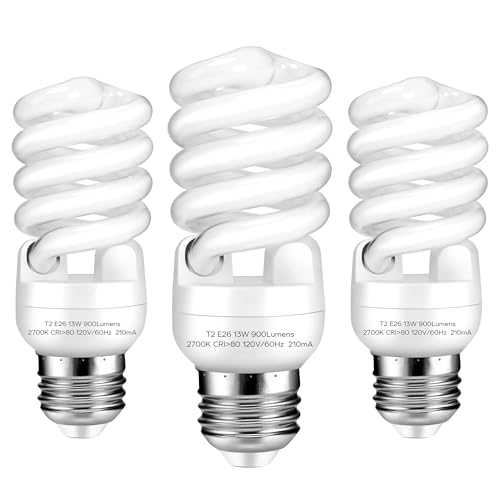
- LFR Score9.6
LFR Score is a ranking system developed by lightfansreviews.com. LFR Score has no relationship or impact from any manufacturers or sales agent websites. Learn more
- BrandArsmrau
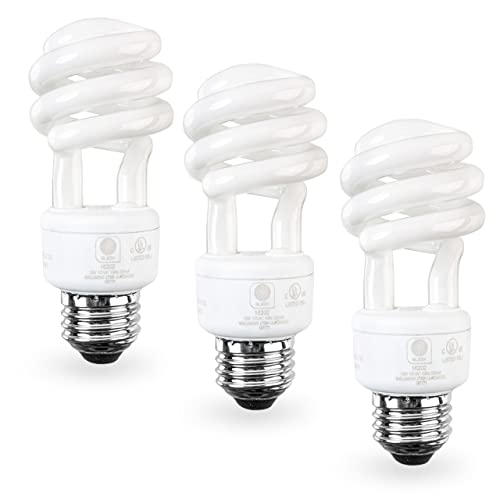
- LFR Score9.2
LFR Score is a ranking system developed by lightfansreviews.com. LFR Score has no relationship or impact from any manufacturers or sales agent websites. Learn more
- BrandSLEEKLIGHTING
- LFR Score9.2
LFR Score is a ranking system developed by lightfansreviews.com. LFR Score has no relationship or impact from any manufacturers or sales agent websites. Learn more
- BrandJESLED

- LFR Score9.0
LFR Score is a ranking system developed by lightfansreviews.com. LFR Score has no relationship or impact from any manufacturers or sales agent websites. Learn more
- BrandJESLED

- LFR Score9.0
LFR Score is a ranking system developed by lightfansreviews.com. LFR Score has no relationship or impact from any manufacturers or sales agent websites. Learn more
- BrandSLEEKLIGHTING

- LFR Score8.8
LFR Score is a ranking system developed by lightfansreviews.com. LFR Score has no relationship or impact from any manufacturers or sales agent websites. Learn more
- BrandBarfelty

- LFR Score8.8
LFR Score is a ranking system developed by lightfansreviews.com. LFR Score has no relationship or impact from any manufacturers or sales agent websites. Learn more
- BrandBarfelty

- LFR Score8.8
LFR Score is a ranking system developed by lightfansreviews.com. LFR Score has no relationship or impact from any manufacturers or sales agent websites. Learn more
- BrandFeit Electric

- LFR Score8.6
LFR Score is a ranking system developed by lightfansreviews.com. LFR Score has no relationship or impact from any manufacturers or sales agent websites. Learn more
- BrandFeit Electric

- LFR Score8.0
LFR Score is a ranking system developed by lightfansreviews.com. LFR Score has no relationship or impact from any manufacturers or sales agent websites. Learn more
- BrandDYSMIO
Last update on 2026-10-02 / Affiliate links / Images, Product Titles, and Product Highlights from Amazon Product Advertising API
FAQs
Can I put intact fluorescent bulbs in my blue curbside recycling bin?
No, you should never place fluorescent bulbs in curbside recycling bins. Curbside recycling facilities use mechanical sorting screens, heavy rollers, and conveyor drops that immediately crush glass containers. Crushing a fluorescent bulb inside a recycling facility exposes plant operators to toxic mercury vapor and ruins entire batches of recyclable paper and cardboard.
Do all home improvement stores accept four-foot fluorescent tubes?
Not every retail home improvement store accepts long four-foot linear tubes. While almost all major retail home centers provide free drop-off bins for small compact spiral bulbs (CFLs), collection bins are often too small to hold long tubes safely. Always call your local store ahead of time to verify if their customer service desk accepts long shop tubes or if you must visit a county hazardous waste site.
Why should I never use a vacuum cleaner to clean up a broken fluorescent bulb?
Using a vacuum cleaner is the most dangerous mistake you can make with a broken fluorescent bulb. The high-speed airflow and internal heat of a vacuum motor instantly vaporize the mercury droplet, blowing toxic metal vapor straight out through the vacuum exhaust into your room. Mercury residue also settles inside the vacuum hose, motor casing, and filters, permanently contaminating the appliance.
What should I do if my town does not have a local hazardous waste center?
If your community lacks a permanent household hazardous waste facility, check your county solid waste schedule for periodic mobile collection events. Many rural counties host quarterly drop-off days at community parks or public works yards. Alternatively, you can purchase an approved mail-back recycling box online, which includes a rigid shipping carton, vapor-barrier bag, and prepaid carrier postage to ship the bulbs to a licensed reclamation plant.

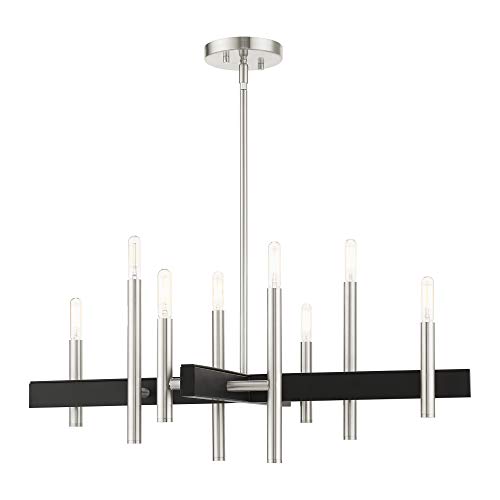
Best Bulb For Exposed Light 2026 That Shines Bright

Best Industrial Light Bulb Reviews: Top Picks for 2026
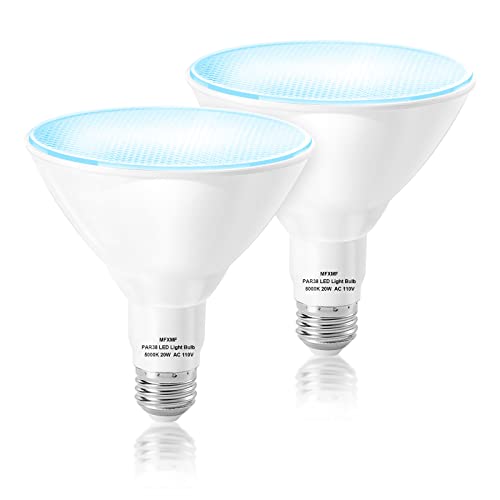
Best Outdoor Light Bulb Reviews: Top-Rated Picks for 2026
Best LED Reading Light Bulb Reviews - Top Picks for 2026

Best Vintage Light Bulb 2026 With Style And Glow
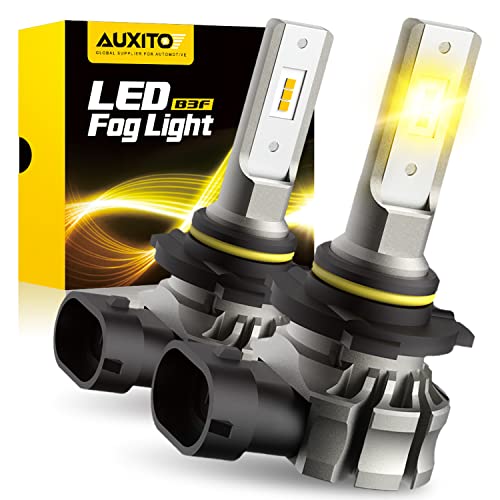
Best Yellow Fog Light Bulb 2026 For Clearer Night Drives

Best Z Wave Light Bulb 2026 Top Picks For Smart Control
Best Light Bulb For Vanity Mirror 2026 Brightness Boost