How to Use a Bulb Planter for Clean Garden Results

How to use a bulb planter is one of those gardening skills that looks simple on the surface, yet makes a world of difference once you try it. Instead of hacking away at the soil with a shovel, a bulb planter gives you neat, consistent holes that help bulbs grow evenly. Right out of the gate, it brings order to what’s often a chaotic planting session. And honestly, there’s something deeply satisfying about clean circles of soil popping out like cookies.
Before you even press the tool into the ground, soil conditions matter more than most people expect. A bulb planter works best when the soil is moist but not muddy, soft yet still structured. Dry, compacted ground can fight back and leave you frustrated, while overly wet soil collapses the hole. Getting this balance right is a quiet but powerful factor behind successful planting.
Positioning is where technique starts to shine when learning how to use a bulb planter. Place the planter straight down, apply steady pressure, and twist slightly to cut through roots and compact layers. That small twist isn’t just flair, it helps form a clean plug that lifts out smoothly. Rushing this step often leads to jagged holes that defeat the whole purpose of the tool.
Depth control is another underrated advantage of using a bulb planter properly. Many planters are designed to reach an ideal depth for common bulbs, which removes guesswork entirely. Consistent depth means consistent bloom timing, something that seasoned gardeners quietly rely on. It’s one of those invisible details that separates tidy gardens from uneven ones.
Once the soil plug is removed, placing the bulb correctly becomes almost effortless. The pointed end goes up, the root base settles down, and the hole cradles it perfectly. This alignment supports strong root development without forcing the bulb into position. Compared to hand-dug holes, the difference in stability is noticeable.
Refilling the hole is where many people overthink things, yet simplicity wins. Drop the soil plug back in, press gently, and avoid compacting it too tightly. Bulbs need contact with soil, not pressure that suffocates growth. A light pat seals the deal without stressing the plant.
Using a bulb planter also reduces strain on your body, which matters more than it sounds. Less bending, less digging, and fewer repeated motions protect your back and wrists. Over a long planting session, this comfort adds up quickly. Gardening should feel rewarding, not punishing.
Over time, mastering how to use a bulb planter builds confidence that spills into other garden tasks. You start spacing bulbs more evenly and visualizing bloom patterns ahead of time. That foresight transforms random planting into intentional design. Suddenly, your garden feels planned rather than improvised.
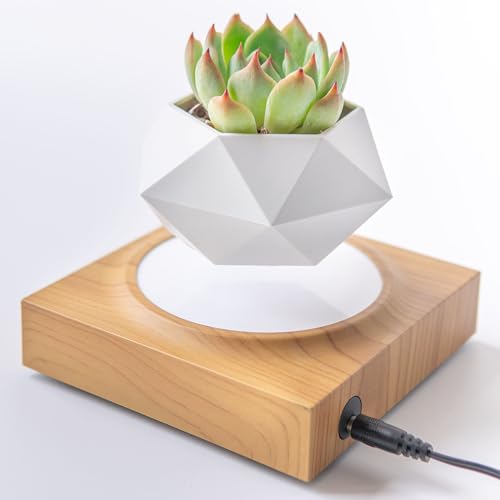
- LFR Score9.2
LFR Score is a ranking system developed by lightfansreviews.com. LFR Score has no relationship or impact from any manufacturers or sales agent websites. Learn more
- BrandMAGECMOON

- LFR Score8.8
LFR Score is a ranking system developed by lightfansreviews.com. LFR Score has no relationship or impact from any manufacturers or sales agent websites. Learn more
- BrandSouthside Plants

- LFR Score8.6
LFR Score is a ranking system developed by lightfansreviews.com. LFR Score has no relationship or impact from any manufacturers or sales agent websites. Learn more
- BrandHaliaeetus

- LFR Score8.6
LFR Score is a ranking system developed by lightfansreviews.com. LFR Score has no relationship or impact from any manufacturers or sales agent websites. Learn more
- BrandHaliaeetus

- LFR Score8.6
LFR Score is a ranking system developed by lightfansreviews.com. LFR Score has no relationship or impact from any manufacturers or sales agent websites. Learn more
- BrandHaliaeetus
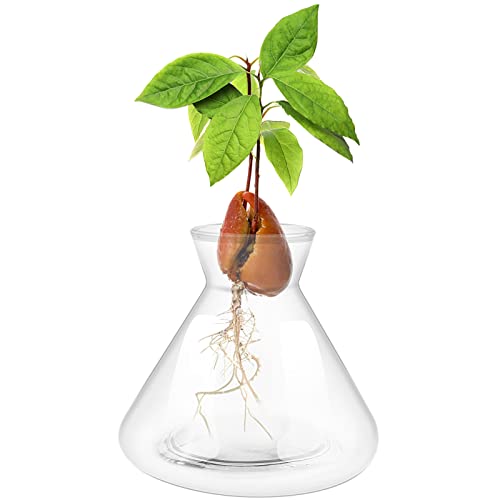
- LFR Score8.2
LFR Score is a ranking system developed by lightfansreviews.com. LFR Score has no relationship or impact from any manufacturers or sales agent websites. Learn more
- BrandEmsiok

- LFR Score7.2
LFR Score is a ranking system developed by lightfansreviews.com. LFR Score has no relationship or impact from any manufacturers or sales agent websites. Learn more
- BrandEmsiok
Last update on 2026-05-29 / Affiliate links / Images, Product Titles, and Product Highlights from Amazon Product Advertising API
Why a bulb planter changes the way you plant
For many gardeners, learning how to use a bulb planter feels like a small upgrade until they experience the difference firsthand. Digging holes by hand often leads to uneven depth, awkward spacing, and sore joints by the end of the day. A bulb planter removes much of that friction by creating clean, uniform holes every single time. That consistency supports healthier bulbs and a garden that looks intentional rather than improvised.
The biggest advantage lies in precision, something hand tools rarely deliver without extra effort. When bulbs sit at the same depth, they receive similar moisture, temperature, and soil pressure. This balance helps blooms emerge more evenly instead of in scattered waves. Over time, the garden feels calmer and more predictable, which matters when you’re planting dozens or even hundreds of bulbs.
There’s also a noticeable benefit to your body that often goes overlooked. Repeated bending, prying, and scooping strain your back and wrists far more than a simple press-and-lift motion. Using a bulb planter replaces brute force with leverage and rhythm. That reduction in strain keeps gardening enjoyable instead of exhausting.
Once gardeners see how much smoother planting becomes, the tool stops feeling optional. It becomes part of a reliable routine, much like choosing the right setup for any repetitive task. Just as lighting placement matters when setting up desk lamp solutions for focus, the right tool placement in gardening improves results without extra effort. The process becomes cleaner, faster, and far more satisfying.
Soil preparation that makes or breaks success
Before focusing on how to use a bulb planter, soil condition deserves serious attention. Even the best tool struggles in ground that’s rock-hard or waterlogged. Ideally, soil should feel slightly moist, loose enough to cut cleanly, yet firm enough to hold its shape. This balance allows the planter to extract a solid plug instead of crumbling mess.
Many gardeners skip this step and blame the tool when results disappoint. Dry soil resists cutting and forces extra pressure that can twist wrists or bend cheaper planters. Overly wet soil collapses inward, erasing the neat hole you just created. Taking time to water lightly a day before planting often solves both problems.
Removing surface debris also plays a quiet but important role. Thick mulch, stones, or dense roots interfere with clean cuts and throw off depth. Clearing a small planting zone keeps the planter aligned and stable. That stability leads directly to more consistent results.
Soil preparation mirrors planning in other areas of home projects. Just as a grower wouldn’t install grow tent lights without checking spacing and airflow, planting bulbs without soil prep invites uneven growth. The groundwork sets the tone for everything that follows. Skipping it often costs more time later.
Correct technique for clean and even holes
Proper technique is the heart of how to use a bulb planter, and it’s simpler than it looks. Place the planter straight down where the bulb will go, keeping your wrist aligned with your forearm. Apply steady downward pressure rather than sudden force. This approach helps the cutting edge glide through the soil.
A slight twisting motion makes a surprising difference. Rotating the planter as you press allows it to slice through compacted layers and small roots. That twist creates a clean soil plug instead of a jagged chunk. Clean plugs mean clean holes, and clean holes protect delicate bulb bases.
Once fully inserted, lift the planter straight up to extract the plug. Tilting or rocking it can widen the hole unevenly. Consistency here saves time later when spacing bulbs in rows or patterns. The goal is repeatable motion, not speed.
Gardeners who master this technique often notice planting becomes almost meditative. Each press, twist, and lift follows a rhythm that reduces mental fatigue. Over a long session, this rhythm matters more than raw strength. It’s efficiency without rushing.
Depth control and spacing for balanced growth
One reason gardeners commit to learning how to use a bulb planter is depth consistency. Many bulbs require planting at a depth roughly two to three times their height. A bulb planter naturally reaches that range without constant measuring. This built-in guide removes guesswork.
Even depth supports synchronized growth, which improves the overall look of flower beds. Bulbs planted too shallow risk frost damage or toppling stems. Those planted too deep may struggle to emerge at all. Uniform depth balances these risks.
Spacing works hand-in-hand with depth. Clean holes make it easier to visualize distance between bulbs before planting. This foresight prevents overcrowding that competes for nutrients and light. It also reduces the need for thinning later.
Think of spacing like layout planning in outdoor decor. Just as evenly spaced strands matter when choosing christmas lights for visual balance, evenly spaced bulbs create harmony once blooms appear. The result feels deliberate, not accidental. That visual payoff often becomes the biggest reward.
Placing bulbs the right way every time
Correct placement is a simple yet crucial part of how to use a bulb planter. Bulbs should sit with the pointed end facing upward and the root plate resting at the bottom. The clean hole created by the planter naturally guides this position. There’s no need to force or adjust repeatedly.
Misplaced bulbs often grow sideways or send up weak shoots. While many bulbs eventually correct themselves, that delay costs energy. Proper orientation allows roots to establish quickly and shoots to rise straight. The difference shows in sturdier stems.
The snug fit of a planter-made hole also stabilizes the bulb. It prevents shifting during watering or heavy rain. Stability supports early root development, which strengthens the plant long term. This hidden benefit often goes unnoticed until blooms appear fuller.
Once placed, the bulb should feel settled rather than loose. If it wobbles, the hole may be too wide or collapsed. Addressing this immediately prevents future problems. Small adjustments now save disappointment later.
Refilling holes without stressing the bulb
Refilling the hole completes the cycle of how to use a bulb planter, and restraint matters here. Drop the soil plug back in gently, aligning it with the hole. Press lightly to remove air pockets without compacting too tightly. Bulbs need contact, not compression.
Overpacking soil restricts root expansion and reduces oxygen flow. Loose but stable soil encourages roots to spread naturally. This balance supports healthy growth without suffocating the bulb. Many beginners press too hard out of habit.
Watering after planting helps soil settle naturally. A gentle soak pulls soil into small gaps without manual force. This method protects the bulb while improving contact with surrounding earth. It’s a quieter, more effective finish.
Gardeners who adopt this approach notice fewer failures during early growth. The bulb transitions smoothly from dormant to active. That smooth transition sets the stage for consistent blooming. It’s a small step with outsized impact.
Building confidence and speed with repetition
Repetition transforms how to use a bulb planter from a technique into second nature. Each planted bulb reinforces muscle memory and timing. Movements become smoother, and mistakes fade away. Confidence grows quietly with every successful hole.
Speed increases naturally without sacrificing accuracy. Instead of rushing, gardeners find a steady pace that feels sustainable. This balance prevents fatigue and keeps focus sharp. Long planting sessions feel shorter.
Confidence also encourages better planning. Gardeners begin visualizing patterns, bloom timing, and color flow before planting. That foresight improves results year after year. The garden evolves with intention.
Ultimately, the bulb planter becomes less about the tool itself and more about control. Control over depth, spacing, and effort changes the entire experience. Planting stops being a chore and starts feeling like craft. That shift keeps gardeners coming back season after season.
Avoiding common mistakes that waste time and energy
Even after learning how to use a bulb planter, small mistakes can quietly undermine results. One of the most common errors is forcing the tool into unsuitable soil, which leads to uneven holes and bent wrists. When gardeners rush this step, they often blame the planter instead of the conditions. Recognizing when to pause and prep saves frustration later.
Another frequent issue is inconsistent pressure during planting. Pressing too hard in one spot and too lightly in another creates depth variations that affect growth. Bulbs planted unevenly compete differently for warmth and moisture. Over a full bed, this inconsistency becomes obvious once blooms appear.
Skipping alignment is another hidden problem. A tilted planter widens holes on one side and compresses soil on the other. That imbalance destabilizes bulbs and encourages crooked growth. Keeping the tool vertical sounds simple, yet it requires conscious effort.
These small errors mirror setup mistakes in other projects. Just as improper alignment matters when installing flush mount ceiling light fixtures, planting tools demand attention to angle and balance. Precision early prevents correction later. That mindset reduces wasted effort across the board.
Choosing the right bulb planter for your garden style
Tool choice shapes the entire experience of how to use a bulb planter. Long-handled models reduce bending and suit larger planting areas. Handheld versions offer control for tight spaces and detailed layouts. Selecting the right style depends on garden size and physical comfort.
Material quality matters more than many expect. Stainless steel edges cut cleaner and resist dulling over time. Cheaper metals may bend or tear soil instead of slicing it. That difference shows up quickly during repeated use.
Some planters include depth markers or release mechanisms for soil plugs. These features speed up workflow and reduce repetitive motions. While not essential, they add convenience during large planting sessions. Convenience often translates into consistency.
Choosing wisely builds confidence from the start. A well-matched tool feels like an extension of your hand rather than an obstacle. That comfort encourages better technique and patience. Over time, the planter earns its place in your core toolkit.
Protecting your body during long planting sessions
Physical strain is one of the quiet reasons gardeners abandon projects halfway through. Mastering how to use a bulb planter includes protecting your body as much as your plants. Alternating hands, maintaining posture, and pacing breaks reduce fatigue. These habits keep energy steady across long sessions.
Long-handled planters significantly reduce back strain by minimizing bending. They allow gardeners to plant upright with controlled pressure. This posture matters most when working on large beds or uneven ground. Comfort supports endurance.
Stretching before and after planting helps prevent stiffness. Wrists, shoulders, and lower back absorb repetitive motion. Ignoring these areas invites soreness that lingers. Gentle movement keeps gardening enjoyable.
Just as proper lighting protects players from injury on a outdoor basketball court, proper ergonomics protect gardeners from strain. The environment shapes performance in subtle ways. Respecting the body sustains long-term enjoyment. Gardening becomes a pleasure instead of a burden.
Seasonal timing and soil awareness
Timing plays a critical role in how to use a bulb planter effectively. Planting too early exposes bulbs to excessive heat, while planting too late risks frozen ground. Understanding seasonal cues improves success without complex calendars. Soil temperature often matters more than dates.
Fall-planted bulbs benefit from cool soil that encourages root growth before dormancy. Spring bulbs prefer warming soil that supports quick emergence. A bulb planter helps maintain consistency across these seasonal shifts. Consistency reduces stress on the plant.
Moisture levels also change with seasons. Fall soil may need less watering, while spring soil dries faster. Adjusting technique based on these conditions prevents collapse or compaction. Awareness replaces guesswork.
Seasonal awareness builds confidence over time. Gardeners learn to read soil texture, temperature, and resistance instinctively. That intuition strengthens with each cycle. The planter becomes part of that seasonal rhythm.
Long-term benefits that show up year after year
The true payoff of learning how to use a bulb planter appears over multiple seasons. Consistent planting habits create healthier bulbs that multiply and strengthen underground. Over time, beds become fuller without additional effort. The garden evolves naturally.
Uniform depth and spacing reduce disease spread by improving airflow and drainage. Healthier bulbs resist rot and fungal issues more effectively. Prevention saves time compared to treatment. This benefit compounds annually.
Gardeners also gain confidence in planning complex layouts. Patterns feel easier to execute when tools deliver predictable results. Creativity expands without added stress. The garden reflects intention rather than improvisation.
Ultimately, the bulb planter supports sustainability in both effort and outcome. Less strain, fewer failures, and stronger blooms reinforce each other. The tool fades into the background as results take center stage. That quiet reliability defines long-term success.

Best Bulb For Exposed Light 2026 That Shines Bright

Best Industrial Light Bulb Reviews: Top Picks for 2026
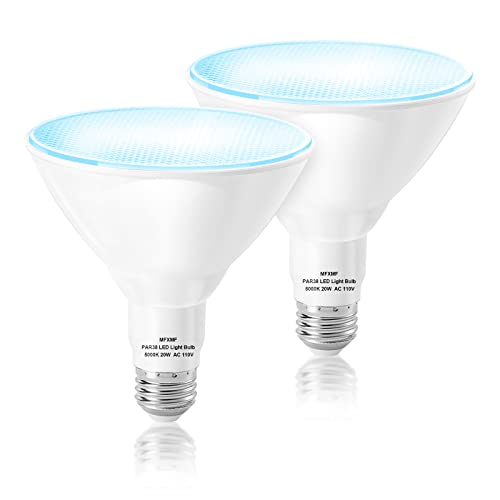
Best Outdoor Light Bulb Reviews: Top-Rated Picks for 2026
Best LED Reading Light Bulb Reviews - Top Picks for 2026

Best Vintage Light Bulb 2026 With Style And Glow
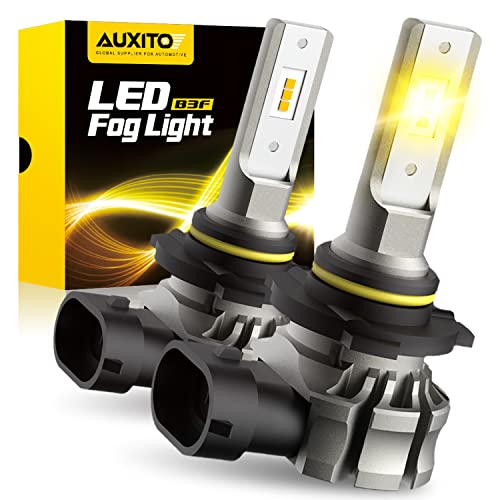
Best Yellow Fog Light Bulb 2026 For Clearer Night Drives

Best Z Wave Light Bulb 2026 Top Picks For Smart Control
Best Light Bulb For Vanity Mirror 2026 Brightness Boost