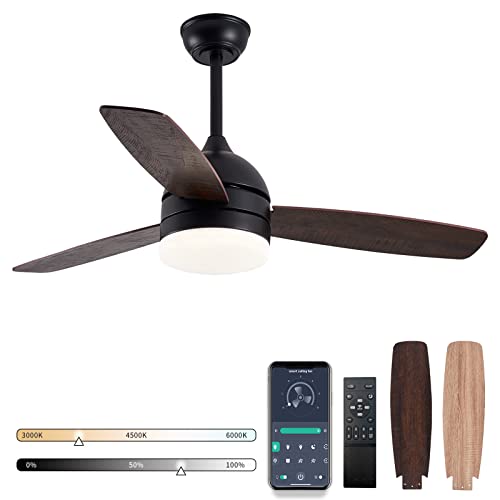
How to Use Table Fan as Exhaust Without the Hassle

How to Use Table Fan as Exhaust sounds simple at first glance, yet plenty of people end up frustrated after trying it the wrong way. Hot air keeps hanging around. Cooking smells refuse to leave. Humid corners start feeling sticky and uncomfortable. A regular fan spinning in the middle of the room won't magically solve those problems unless airflow moves in the right direction.
Small apartments, cramped bedrooms, kitchens without proper ventilation, and stuffy workspaces often trap warm air like a pressure cooker. That's where a properly positioned table fan changes the mood of the entire room. Instead of blowing air randomly, the fan pushes stale air outward while encouraging fresh air to flow back inside naturally. That tiny shift can make sleeping easier, reduce lingering odors, and help rooms feel less suffocating during humid days.
Placement matters more than people expect. A fan sitting too far from the window usually recirculates warm air instead of pulling it outside. On the flip side, placing the fan correctly near an exit point creates a surprisingly steady exhaust effect. Even better, combining one open window with another small opening across the room creates cross ventilation that feels far more comfortable than direct airflow blasting at your face all night.
Noise is another headache folks often overlook. Cheap high-speed settings may move air quickly, but they can also create rattling vibrations and annoying turbulence. A lower setting with strategic positioning usually works better for overnight use or quiet indoor spaces. Little adjustments, oddly enough, make a bigger difference than cranking the speed to maximum.
Air circulation also plays a huge role in reducing moisture buildup. Bathrooms without exhaust systems, laundry corners, and compact kitchens tend to collect damp air that sticks around for hours. A table fan aimed outward near a window can help pull moisture away before it settles onto walls or furniture. That means fewer musty smells and less discomfort after cooking or showering.
Summer heat can make indoor spaces feel unbearable, especially when warm air gets trapped near ceilings and corners. Using a table fan as exhaust helps remove that stagnant heat instead of simply blowing it around. Rooms often feel lighter and fresher because the airflow cycle keeps moving rather than circulating the same hot air repeatedly.
Some setups work beautifully during nighttime. Positioning the fan to push indoor heat outside while cooler evening air slips in through another opening creates a more balanced sleeping environment. Plenty of people wake up groggy after sleeping in stuffy rooms without realizing trapped heat and poor airflow played a role. A basic fan setup can quietly improve comfort without adding expensive cooling equipment.
Oddly enough, many people assume bigger fans always work better. That's not entirely true. Oversized fans in tiny spaces can create chaotic airflow that actually reduces efficiency. A moderate-sized fan placed correctly often performs better because the airflow stays controlled and directional. Smart positioning beats brute force almost every time.
How to Use Table Fan as Exhaust isn't just about airflow tricks. It's about making indoor spaces feel easier to breathe in, easier to relax in, and honestly, less irritating after long humid days. Small airflow changes can dramatically shift how a room feels without complicated installations or expensive ventilation systems.

- LFR Score9.2
LFR Score is a ranking system developed by lightfansreviews.com. LFR Score has no relationship or impact from any manufacturers or sales agent websites. Learn more
- BrandHoneywell
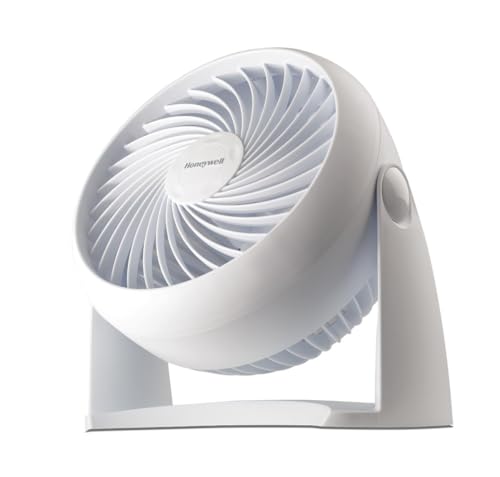
- LFR Score9.2
LFR Score is a ranking system developed by lightfansreviews.com. LFR Score has no relationship or impact from any manufacturers or sales agent websites. Learn more
- BrandHoneywell
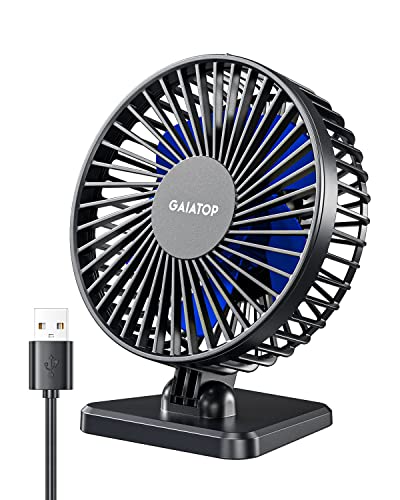
- LFR Score9.2
LFR Score is a ranking system developed by lightfansreviews.com. LFR Score has no relationship or impact from any manufacturers or sales agent websites. Learn more
- BrandGaiatop
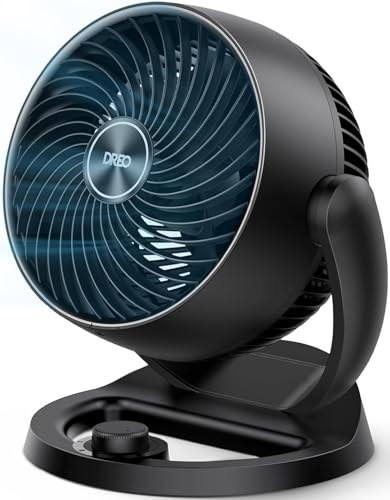
- LFR Score9.2
LFR Score is a ranking system developed by lightfansreviews.com. LFR Score has no relationship or impact from any manufacturers or sales agent websites. Learn more
- BrandDREO

- LFR Score9.2
LFR Score is a ranking system developed by lightfansreviews.com. LFR Score has no relationship or impact from any manufacturers or sales agent websites. Learn more
- BrandGaiatop
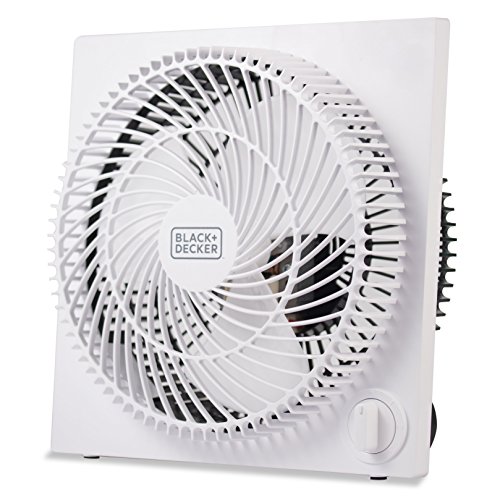
- LFR Score9.0
LFR Score is a ranking system developed by lightfansreviews.com. LFR Score has no relationship or impact from any manufacturers or sales agent websites. Learn more
- BrandBLACK+DECKER

- LFR Score8.8
LFR Score is a ranking system developed by lightfansreviews.com. LFR Score has no relationship or impact from any manufacturers or sales agent websites. Learn more
- BrandHOLMES

- LFR Score8.4
LFR Score is a ranking system developed by lightfansreviews.com. LFR Score has no relationship or impact from any manufacturers or sales agent websites. Learn more
- Brandshinic

- LFR Score8.4
LFR Score is a ranking system developed by lightfansreviews.com. LFR Score has no relationship or impact from any manufacturers or sales agent websites. Learn more
- BrandCOMFORT ZONE
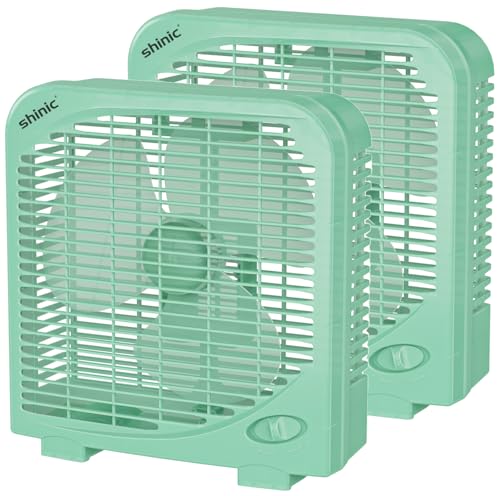
- LFR Score8.4
LFR Score is a ranking system developed by lightfansreviews.com. LFR Score has no relationship or impact from any manufacturers or sales agent websites. Learn more
- Brandshinic
Last update on 2026-06-01 / Affiliate links / Images, Product Titles, and Product Highlights from Amazon Product Advertising API
How To Use Table Fan As Exhaust
A stuffy room can make the whole day feel heavier than it should. Warm air hangs around, cooking smells cling to curtains, and humidity turns corners into sticky little trouble spots. That is where how to use table fan as exhaust becomes a practical fix instead of just another household trick. With the right placement, a basic fan can push stale air outside and help fresh air move through the room more naturally.
Table Fan Exhaust Basics
A table fan only works as an exhaust when it sends indoor air toward an exit point. That exit point is usually a window, balcony door, vent opening, or doorway leading outdoors. Pointing the fan at the middle of the room might feel breezy, but it often just moves the same warm air in circles. Aim matters more than speed, and that small detail saves a lot of frustration.
The simplest setup places the fan close to an open window with the airflow facing outward. This helps push hot air, smoke, steam, and odors away from the room instead of spreading them around. A gap around the fan is normal, though too much open space can weaken the exhaust effect. A towel, cardboard panel, or curtain edge can help block side gaps without making the setup complicated.
Fresh air needs a way back in, too. Open another window, door, or small vent across the room so air can flow through instead of fighting pressure. This creates cross ventilation, which usually feels better than one fan blasting air in a closed room. Without a fresh-air opening, the fan may sound busy while moving very little air.
Fan size also changes the result. A small desk fan may help with bathroom steam or light kitchen odors, while a stronger table fan can handle larger rooms better. Still, bigger is not always better if the room is tiny or the fan rattles at high speed. The best setup balances airflow direction, noise, and room size without turning the space into a wind tunnel.
Pick The Right Window Spot
A good exhaust setup starts with the window that lets air leave most easily. Choose a window close to the source of heat, odor, smoke, or humidity if possible. Kitchen smells clear faster when the fan sits near the cooking area rather than across the room. Bedroom heat often leaves better through a window near the warmest side of the space.
Place the fan on a stable surface so the back of the fan pulls room air and the front pushes it outside. Keep curtains, papers, and plastic bags away from the blades because airflow can tug loose items faster than expected. A shaky stool or narrow windowsill is asking for trouble. Safety beats convenience every single time.
Window height matters more than many people guess. Hot air rises, so a fan placed higher can remove warm trapped air more effectively in some rooms. A low table fan can still help, especially with odors or smoke, but raising it safely may improve results. A sturdy chair, shelf, or wide table can work as long as the fan stays level.
Weather changes the setup, too. A fan facing outward during light rain may pull damp air around the window frame if the opening is exposed. Strong wind can push back against the fan and reduce the exhaust effect. On windy days, angle the fan slightly or choose a calmer opening so air movement stays steady.
Set Airflow Direction Correctly
The front grill should face the window or outdoor opening. That sounds obvious, but plenty of people flip the fan inward and wonder why the room stays muggy. Exhaust means the fan pushes indoor air out, not pulls outdoor air in. The difference feels small at first, then the room starts clearing faster.
Use a tissue or lightweight paper strip to check airflow direction before settling the fan in place. Hold it near the back of the fan and watch whether air gets drawn in. Then hold it near the window side and confirm air pushes outward. This quick check keeps the setup honest and avoids guessing.
Fan speed should match the room problem. High speed can help after frying food, shower steam, or heavy odors, but it may also cause noise, vibration, and messy airflow. Medium speed often does the job with less drama. For overnight heat relief, low speed can keep air moving without turning sleep into a battle with buzzing.
A second opening makes the exhaust setup much stronger. Crack a door or window on the opposite side of the room so replacement air can enter smoothly. Without that opening, the fan may struggle because the room lacks a clean airflow path. Good ventilation needs both an exit and an entry point.
Clear Kitchen Smells And Steam
Cooking smells have a sneaky way of settling into fabric, cabinets, and corners. A table fan used as exhaust can help pull greasy air and steam outside before it spreads through the home. Place the fan near the window closest to the stove, but never close enough to heat, splatter, or open flame. That keeps the setup useful without creating a safety headache.
Steam from boiling water or frying food can raise indoor humidity quickly. Push that damp air outward while opening another door or window slightly for fresh intake. This helps reduce that heavy, sticky feeling after cooking. It also keeps condensation from building up on nearby surfaces as easily.
Odors clear better when the fan starts early. Turn it on before the smell gets out of hand, not after the whole room already smells like onions, oil, or fish. Early airflow gives smoke and steam a direct path outside. Waiting too long makes the fan work harder because the odor has already spread.
Kitchen air can also carry tiny particles from cooking, so ventilation should not be treated like a luxury. The U.S. Environmental Protection Agency notes that indoor pollutant levels can sometimes be higher than outdoor levels, especially without enough ventilation. That does not mean a table fan replaces a proper range hood, but smart airflow can still reduce everyday discomfort. For rooms that need broader overhead air movement, compare airflow ideas with best indoor ceiling fans before choosing a permanent setup.
Manage Bedroom Heat At Night
Bedrooms often trap heat after sunset, especially in apartments with sun-facing walls. A table fan facing outward can push the day’s stored warmth out through the window. Open another window or hallway door to let cooler air slide in gently. The room may start feeling calmer without cold air blowing straight at your face.
Noise control matters at night. A fan on high speed may clear heat faster, but rattling, humming, or vibrating can wreck sleep. Place the fan on a solid surface and keep it away from loose window frames. A folded towel under the fan base can reduce vibration without blocking airflow.
Direct airflow can dry eyes, irritate sinuses, or make light sleepers uncomfortable. Exhaust mode avoids some of that because the fan points away from the bed. The goal is to remove stale warm air, not blast your face until morning. That makes the room feel fresher while keeping the breeze less aggressive.
Timing helps, too. Run the exhaust setup for a while before sleeping, then lower the speed once the room feels less stuffy. In cooler evenings, the intake opening can bring in outdoor air while the fan sends warm indoor air out. This simple rhythm feels far less wasteful than running a fan randomly all night.
Reduce Bathroom Humidity Safely
Bathrooms without built-in exhaust fans can stay damp long after a shower. A table fan can help move humid air toward a window or doorway, but electricity and moisture need careful handling. Keep the fan far from sinks, tubs, wet floors, and splashing water. Dry hands before touching the plug or speed controls.
Place the fan outside the bathroom doorway if the room is too tight or damp. Aim it so air moves from the bathroom toward an open window nearby. This setup can still pull moisture out without putting the fan in a risky wet zone. Safety should guide every choice here.
Steam clears faster with a small intake gap. Leave the bathroom door partly open if privacy is not an issue, or crack another nearby window. The fan can then move air instead of fighting a sealed room. That steady movement helps reduce musty smells and damp corners.
Moisture problems do not disappear after one use. Run the fan for a short period after showers so damp air has time to leave. Watch for foggy mirrors, wet walls, or lingering smells as signs that airflow needs improvement. For separate hygiene routines involving light-based care, explore blue light for toenail fungus without mixing that topic into room ventilation.
Control Dust Smoke And Stale Air
Dusty rooms can feel stale even when they look clean. A table fan used as exhaust helps move suspended particles toward an open exit instead of keeping them swirling indoors. This is useful after sweeping, light sanding, or moving old boxes. Still, a fan is not a filter, so dust control also needs cleaning and source reduction.
Smoke needs extra caution. For cooking smoke, exhaust airflow can help clear the room faster. For fire, electrical smoke, or strong chemical fumes, leave the area and handle the source safely instead of relying on a fan. A table fan is a comfort tool, not emergency equipment.
Stale air usually comes from poor circulation, closed windows, damp fabrics, or heat trapped in corners. Pointing a fan outward gives that stale air a clear path to leave. Open storage areas, closet doors, or room doors briefly if they hold odors. The goal is steady air exchange, not a short burst of chaotic wind.
Some smells come from surfaces, not just the air. Carpets, trash bins, pet bedding, and damp towels can keep releasing odors after ventilation starts. Exhaust airflow helps, but cleaning the source matters just as much. To freshen small household items separately, consider uv light sanitizer boxes for enclosed sanitizing tasks that fit that product category.
Best Ways To Ventilate A Room With Table Fan
Rooms that trap heat all day tend to feel miserable long after the sun goes down. Air feels stale, walls stay warm, and even a strong fan blowing directly at the bed sometimes barely helps. That frustration pushes many people to rethink airflow completely, especially after learning how table fan exhaust setups can move unwanted heat out instead of endlessly recycling it. A few simple adjustments often change the entire mood of the room without expensive remodeling or permanent ventilation systems.
Fix Weak Airflow Problems
A table fan can fail as an exhaust system even while sounding powerful. Weak airflow usually comes from poor positioning, blocked openings, or lack of incoming air. If the room feels just as stuffy after twenty minutes, something is interrupting the airflow path. The fan needs enough space behind it to pull indoor air smoothly before pushing it outside.
One common mistake involves sealing the fan too tightly against the window. A tiny gap is fine, but crushing airflow around the sides can create resistance that reduces efficiency. Leave enough breathing room so the fan operates naturally while still directing most of the warm air outward. Small adjustments often improve airflow more than increasing fan speed.
Dirty fan blades also reduce performance more than people expect. Dust buildup changes airflow balance and can create extra noise or vibration. Wipe the blades carefully after unplugging the fan, especially during humid months when grime sticks faster. Cleaner blades usually restore smoother air circulation almost immediately.
Room clutter can quietly block ventilation, too. Tall furniture, stacked boxes, or heavy curtains may trap air before it reaches the exhaust setup. Rearranging even one obstacle can help air move more naturally across the room. For bathrooms needing longer automatic ventilation cycles, compare airflow control ideas through bathroom exhaust fan timer switch setups that focus on timed moisture removal.
Use Two Fans For Cross Ventilation
One fan can help a room breathe better, but two fans often create a much smoother airflow cycle. Position one fan facing outward near the hottest or most humid area. Then place another fan farther away facing inward to pull fresh air into the room. This creates a more controlled cross ventilation setup instead of random airflow bouncing around walls.
Distance matters with dual-fan setups. Fans placed too close together may fight each other and create turbulent airflow that feels messy and inconsistent. Give each fan enough separation so one pushes stale air out while the other gently guides cleaner air inward. The room usually starts feeling fresher faster with this balanced approach.
Window placement changes the result dramatically. Opposite-side windows work best because air travels through the room instead of circling in one area. Apartments with limited windows can still improve airflow by using hallways, balcony doors, or partially opened interior doors. Even small air pathways can reduce that trapped, heavy feeling.
Noise increases with multiple fans, so speed settings deserve attention. One fan on high and another on low often works better than blasting both at maximum power. That setup keeps air movement steady without making the room sound like a workshop. A balanced airflow pattern usually feels cooler and calmer at the same time.
Handle Humid Weather More Comfortably
Humid air feels sticky because moisture hangs around instead of escaping outdoors. A table fan used as exhaust helps move that damp air outside before it settles into bedding, walls, or upholstery. The room may still feel warm during humid weather, but removing excess moisture often makes the space feel easier to tolerate. Comfort changes noticeably once the air stops feeling heavy.
Morning and evening usually offer the best ventilation opportunities during humid seasons. Outdoor temperatures drop slightly, and airflow becomes easier to manage without pulling intense heat indoors. Running the exhaust setup during cooler periods helps flush out trapped humidity before it builds up again. Timing matters almost as much as fan placement.
Rainy days create a different challenge. Outdoor air may already feel saturated, so constantly pulling outside air inward can backfire. In that case, focus on removing indoor moisture after showers, cooking, or laundry rather than keeping windows wide open all day. Controlled airflow works better than aggressive ventilation during damp weather.
Ceiling airflow can help support table fan exhaust setups in larger spaces. Covered patios, semi-open rooms, and outdoor sitting areas often need broader circulation patterns during humid months. Compare airflow coverage ideas through ceiling fan for outdoor pavilion layouts if your space struggles with stagnant air near open walls or high ceilings.
Reduce Fan Noise And Vibrations
A noisy fan can become irritating fast, especially at night or during work hours. Rattling usually starts from loose surfaces, uneven floors, or worn fan parts rather than airflow alone. Place the fan on a solid flat surface before assuming the motor is failing. Stability often cuts vibration noise more effectively than lowering the speed.
Loose window panes can also amplify sound. The fan pushes moving air toward the glass, causing faint buzzing or shaking that gets worse at higher speeds. A folded cloth near the contact points may soften the vibration slightly without blocking airflow. Tiny fixes can dramatically improve comfort during long fan sessions.
Dust buildup inside the fan housing may create uneven spinning that sounds rough or unstable. Cleaning the blades and grill helps the fan move more smoothly while reducing unnecessary strain on the motor. Fans that sound rough even after cleaning may simply be aging out. Sometimes replacing a worn fan saves more frustration than endless adjustments.
High speed is not always the smartest option. Medium airflow with proper exhaust positioning usually feels more comfortable than aggressive airflow blasting through the room. Lower settings also reduce power usage and make conversation, sleep, or television much easier. Quiet airflow often feels more relaxing because the room stays breathable without constant mechanical noise.
Keep Small Apartments Feeling Fresher
Compact apartments trap heat quickly because air has fewer places to move naturally. Kitchens, sleeping areas, and living spaces often blend together, so odors and humidity spread fast. A table fan used as exhaust helps create separation between stale indoor air and incoming fresh air. That movement can make tiny spaces feel less boxed in.
Studio apartments benefit from focused airflow zones. Place the exhaust fan near the strongest odor or warmest corner instead of the center of the room. Cooking heat, pet smells, or laundry moisture clear faster when airflow targets the actual source. Directing air intentionally feels far more effective than simply running a fan somewhere random.
Furniture placement changes ventilation more than many renters realize. Large couches pushed tightly against windows or corners can block airflow and trap heat pockets. Leaving even a small gap behind furniture may improve circulation noticeably. Better air distribution often starts with room layout instead of stronger equipment.
Apartment living also means dealing with outdoor noise, dust, or pollution at times. Opening every window all day may not always feel practical. Short controlled ventilation sessions often work better than leaving windows open endlessly. A thirty-minute exhaust cycle can refresh the room without exposing the entire apartment to constant outdoor disturbances.
Avoid Common Exhaust Setup Mistakes
Many people place the fan too deep inside the room, hoping air somehow finds its way outside efficiently. That setup weakens the exhaust effect because air spreads before reaching the window. Keeping the fan closer to the opening creates a more direct airflow path. The room clears faster once the fan stops fighting unnecessary distance.
Another mistake involves sealing the room completely while running the exhaust setup. Air needs a replacement path, or the fan struggles against pressure buildup. Cracking a nearby door or opening another small window usually fixes the issue quickly. Balanced ventilation always needs incoming and outgoing airflow working together.
Pointing the fan upward too sharply can also reduce efficiency. Warm air rises naturally, but airflow still needs direction rather than random turbulence. Slight upward angles can help in tall rooms, though extreme tilting often scatters air unevenly. Controlled airflow beats chaotic airflow every time.
Some people expect instant cooling and give up too quickly. Exhaust ventilation works gradually by replacing stale indoor air instead of acting like an air conditioner. Rooms may not become icy cold, but they often feel noticeably lighter, less humid, and easier to relax in after steady airflow begins. Real comfort usually comes from better circulation, not extreme cold.


Best Small Flush Mount Ceiling Fans 2026 Ultimate Picks

Best Smart Ceiling Fan India 2026 For Effortless Comfort

Best Smart Ceiling Fans with Lights for 2026: Top Picks

Best Smart Home Non Ceiling Fans 2026 For Ultimate Comfort

Best Outdoor Misting Ceiling Fan 2026 For Ultimate Comfort

Best Outdoor Ceiling Fans For Porch 2026 With Style And Breeze

Best Smart Bulb For Ceiling Fan 2026 That Brightens Life
Best Smart Ceiling Fan Control 2026 For Effortless Comfort