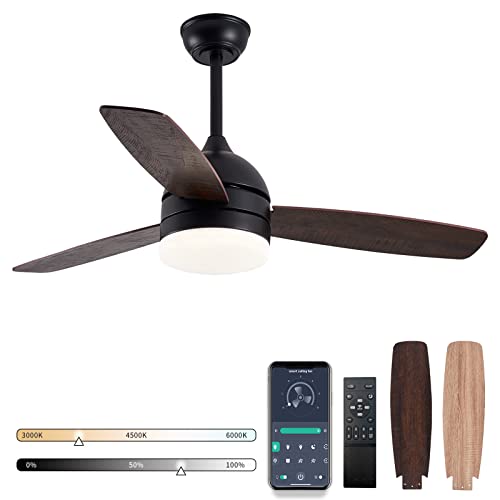
Is Table Fan Better Than Ceiling Fan for Daily Comfort?

Is table fan better than ceiling fan sounds like a simple question at first glance, yet the answer changes wildly depending on room size, airflow needs, noise tolerance, and even sleeping habits. Some people can’t stand direct airflow hitting their face all night, while others feel miserable without a focused cooling breeze right beside the bed. That’s where the debate gets interesting. A ceiling fan spreads air across the entire room, but a table fan delivers concentrated airflow exactly where it’s needed.
Small apartments, cramped workspaces, and humid bedrooms often create awkward cooling situations. A ceiling fan may circulate warm air without truly cooling anyone sitting in a corner. Meanwhile, a table fan can push air directly toward the body, helping sweat evaporate faster and making sticky evenings feel far more bearable. Still, table fans aren’t flawless. Constant airflow in one direction can dry out eyes or feel irritating after several hours, especially during sleep.
Electricity use also sneaks into the conversation more than people expect. Many households leave ceiling fans running for hours because they cool larger areas, even when only one person is in the room. A compact table fan usually consumes less energy and works better for spot cooling. That difference matters during hot seasons when power bills creep up month after month. Nobody enjoys opening an electric bill that feels like a punch in the gut.
Noise creates another dividing line. Some people love the soft hum of a table fan because it masks outside sounds and helps them relax. Others find the close-range noise annoying and prefer the quieter circulation from a ceiling fan mounted overhead. Room layout changes everything too. Low ceilings, bunk beds, rental restrictions, and older wiring can make ceiling fan installation difficult or downright impossible.
Air circulation, maintenance, and portability all influence the final choice. A table fan can move from the office to the kitchen in seconds, while a ceiling fan stays locked in one location permanently. Then again, ceiling fans free up desk and floor space, which matters in tight rooms already overflowing with furniture. Little tradeoffs pile up fast.
Comfort rarely follows a one-size-fits-all rule. Some homes benefit from combining both options for layered airflow and improved circulation during extreme heat. Others only need one dependable cooling source that fits daily routines without hassle. Is table fan better than ceiling fan depends less on hype and more on how people actually live, sleep, work, and handle changing temperatures throughout the year.

- LFR Score9.6
LFR Score is a ranking system developed by lightfansreviews.com. LFR Score has no relationship or impact from any manufacturers or sales agent websites. Learn more
- BrandDREO

- LFR Score9.2
LFR Score is a ranking system developed by lightfansreviews.com. LFR Score has no relationship or impact from any manufacturers or sales agent websites. Learn more
- BrandHoneywell
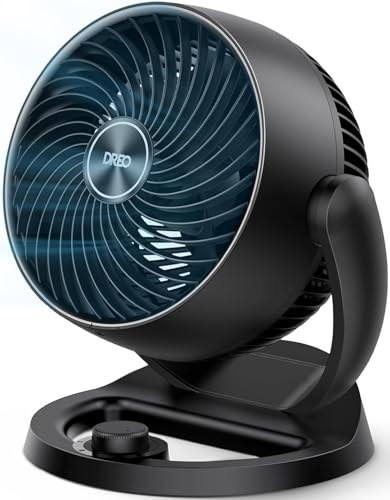
- LFR Score9.2
LFR Score is a ranking system developed by lightfansreviews.com. LFR Score has no relationship or impact from any manufacturers or sales agent websites. Learn more
- BrandDREO

- LFR Score9.2
LFR Score is a ranking system developed by lightfansreviews.com. LFR Score has no relationship or impact from any manufacturers or sales agent websites. Learn more
- BrandGaiatop
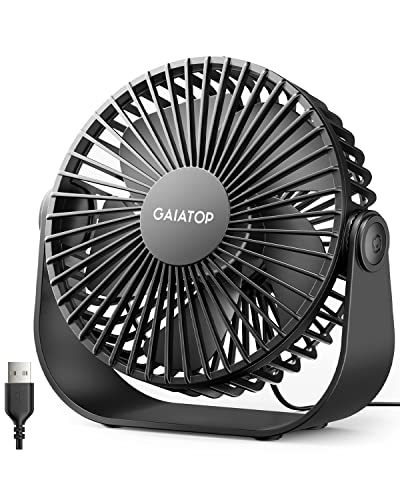
- LFR Score9.2
LFR Score is a ranking system developed by lightfansreviews.com. LFR Score has no relationship or impact from any manufacturers or sales agent websites. Learn more
- BrandGaiatop

- LFR Score9.0
LFR Score is a ranking system developed by lightfansreviews.com. LFR Score has no relationship or impact from any manufacturers or sales agent websites. Learn more
- BrandDREO

- LFR Score9.0
LFR Score is a ranking system developed by lightfansreviews.com. LFR Score has no relationship or impact from any manufacturers or sales agent websites. Learn more
- BrandKopBeau

- LFR Score8.8
LFR Score is a ranking system developed by lightfansreviews.com. LFR Score has no relationship or impact from any manufacturers or sales agent websites. Learn more
- BrandBell+Howell

- LFR Score8.8
LFR Score is a ranking system developed by lightfansreviews.com. LFR Score has no relationship or impact from any manufacturers or sales agent websites. Learn more
- BrandLevoit

- LFR Score8.6
LFR Score is a ranking system developed by lightfansreviews.com. LFR Score has no relationship or impact from any manufacturers or sales agent websites. Learn more
- BrandLIPETY
- LFR Score8.6
LFR Score is a ranking system developed by lightfansreviews.com. LFR Score has no relationship or impact from any manufacturers or sales agent websites. Learn more
- BrandASALL

- LFR Score8.2
LFR Score is a ranking system developed by lightfansreviews.com. LFR Score has no relationship or impact from any manufacturers or sales agent websites. Learn more
- BrandKONSIDEN
Last update on 2026-06-02 / Affiliate links / Images, Product Titles, and Product Highlights from Amazon Product Advertising API
Is Table Fan Better Than Ceiling Fan For Real Comfort
A sticky bedroom, a cramped desk corner, and a living room that never seems to cool evenly can make any fan feel like a serious decision. The question is table fan better than ceiling fan usually starts with one simple annoyance: the air is moving, yet comfort still feels off. A ceiling fan spreads air across the room, while a table fan gives direct airflow right where the body needs relief. That difference matters more than the price tag, especially in small spaces, rental homes, and rooms with awkward layouts.
Table Fan Vs Ceiling Fan
A table fan wins points for personal cooling because it pushes air toward one spot instead of spreading it everywhere. That works well beside a bed, on a study desk, or near a sofa where one person wants a stronger breeze. The downside is obvious: anyone outside that airflow path may barely feel it. So the real comparison starts with where comfort is needed, not just which fan looks stronger.
A ceiling fan handles whole-room circulation better because it moves air from above and keeps the room from feeling stale. That broader airflow helps in bedrooms, dining areas, and living rooms where several people sit in different places. Still, a ceiling fan doesn’t lower room temperature by itself. Energy guidance from the U.S. Department of Energy says a ceiling fan can let people raise the thermostat by about 4°F without reducing comfort, which shows the fan improves how the room feels rather than chilling the air directly.
A table fan often feels cooler faster because the breeze hits skin directly and helps sweat evaporate. That’s why someone sitting at a computer may prefer a small fan over an overhead unit that barely reaches the chair. But strong close-range airflow can become annoying, especially if it dries out eyes or blows papers around. The best choice depends on whether the room needs shared airflow or one focused comfort zone.
Installation also changes the story. A table fan plugs in, moves easily, and doesn’t ask for tools, wiring, or landlord approval. A ceiling fan needs mounting space, safe electrical work, and enough blade clearance to avoid feeling cramped. For anyone dealing with a rental apartment or low ceiling, table fan flexibility can be the reason it wins before airflow even enters the debate.
Room Size Changes The Answer
Small rooms usually make a table fan feel more practical because the airflow has less distance to travel. A bedroom, reading nook, or compact office can cool down noticeably around the person using it, even if the room temperature stays the same. The phrase is table fan better than ceiling fan starts leaning toward “yes” in these tight spaces. A focused breeze can solve the exact discomfort without moving air through the whole room.
Larger rooms tell a different story. A table fan may cool one chair while the far side of the room stays stuffy, which feels unfair if several people are sharing the space. A ceiling fan creates even circulation that reduces hot pockets and keeps air from sitting still near the ceiling. That’s why living rooms, dining rooms, and open-plan areas usually benefit more from an overhead fan.
Furniture placement can either help or hurt both options. A table fan blocked by a couch, cabinet, or tall plant loses much of its usefulness. A ceiling fan with blades too close to a beam, bunk bed, or sloped ceiling may create weak or uneven airflow. For rooms without overhead lighting, compare practical lighting setups with floor lamp for office no overhead light before adding another plug-in appliance near the desk.
Room height matters too. Low ceilings can make ceiling fans feel visually heavy and physically uncomfortable, especially in small bedrooms. High ceilings may require longer downrods or stronger motors, which adds cost and planning. A table fan avoids that hassle, but it trades clean overhead circulation for surface clutter and cord management.
Energy Use And Cooling Efficiency
Fans don’t cool rooms the way air conditioners do, and that little fact saves a lot of confusion. They cool people by moving air across skin, which creates a wind-chill effect. A ceiling fan is useful with air conditioning because it can help people feel comfortable at a slightly higher thermostat setting. That combination can reduce cooling pressure, especially during long hot afternoons.
Typical power use varies by model, speed, and motor type. Many standard table fans sit roughly around 30 to 70 watts, while common ceiling fans often fall around 50 to 75 watts, though efficient DC motor ceiling fans can go lower. Those numbers aren’t a universal rule, but they show why small fan choices can affect daily electricity habits. A fan running beside one person should not be treated the same as a fan cooling a full room.
A table fan can be more efficient when only one person needs relief. There’s no sense spinning a large overhead fan all evening if someone only needs airflow at a desk for a few hours. But a ceiling fan can make more sense for shared spaces because one unit covers more people at once. The energy-smart choice depends on occupancy, not just wattage printed on the label.
Bad habits waste energy with both fan types. Leaving a ceiling fan on in an empty room doesn’t help because no one is there to feel the breeze. Leaving a table fan blasting at full speed while pointed at a wall is just as pointless. The practical rule is simple: aim airflow at people, use the lowest comfortable speed, and turn fans off after leaving the room.
Comfort, Noise, And Daily Habits
Comfort gets personal fast. Some people love the soft hum of a table fan near the bed because it masks traffic, neighbors, or hallway noise. Others find close-range fan sound distracting, especially during phone calls or focused work. A ceiling fan usually feels quieter because the motor sits overhead and the airflow spreads more gently.
Direct airflow can be a blessing or a bother. A table fan cools fast, but it can also dry out eyes, irritate sinuses, or make one side of the body feel chilled while the rest stays warm. Oscillation helps, yet it can create that on-off breeze rhythm some people dislike. A ceiling fan gives steadier air movement, which often feels better for sleeping through the night.
Cleaning creates another real-world difference. Table fans collect dust on grills and blades, and cleaning them usually means removing covers or wiping tight spaces. Ceiling fans collect dust too, but the blades are easier to wipe if reachable. The catch is height: nobody enjoys dragging out a step stool just to clean dusty ceiling fan blades.
Daily routine often decides the winner. A table fan can move from the bedroom to the kitchen, then back to the desk without fuss. A ceiling fan stays in one place and quietly does its job for everyone in that room. For rooms that need both airflow and usable lighting, compare an overhead setup like ceiling fan with good lighting before choosing a separate fan and lamp combination.
Installation, Safety, And Maintenance
A table fan is easy to start using, but easy doesn’t always mean safer. Cords can cross walkways, kids can poke fingers near grills, and lightweight bases may tip if bumped. A heavier, stable base and a tight protective grill make a noticeable difference. Safe placement matters just as much as airflow strength.
A ceiling fan needs proper mounting because spinning blades create movement and vibration over time. Poor installation can cause wobbling, clicking, or worse, a loose fixture that should never have been ignored. Hiring a qualified installer costs more upfront, but it reduces risk in rooms used daily. That extra cost is part of the real comparison, not a footnote.
Maintenance needs are different, not necessarily harder or easier. Table fans may need frequent grill cleaning because dust sits directly in the airflow path. Ceiling fans may need blade balancing, screw checks, and occasional direction changes between seasons. A fan that stays clean and balanced gives better airflow with less noise.
Safety also includes how the fan fits the room. A ceiling fan should have enough clearance from the floor, walls, lights, and furniture. A table fan should sit on a flat surface where it won’t blow toward loose curtains or sit near water. For gear-heavy hobby corners or studio desks, compare remote-trigger setups like wireless remote control for nikon separately instead of crowding the same outlet strip with every device at once.
Best Use Cases For Each Fan
A table fan makes the most sense for spot cooling. Desks, bedsides, kitchen counters, dorm rooms, and small rental spaces all benefit from portable airflow. It also helps when one person runs hotter than everyone else in the room. Instead of turning the whole house colder, the fan solves a personal comfort problem quickly.
A ceiling fan fits shared rooms better. Family rooms, bedrooms with two sleepers, dining areas, and larger offices need broad circulation rather than one narrow breeze. The overhead position keeps surfaces clear and avoids cord clutter. That cleaner setup matters in rooms where space already feels tight.
A table fan may struggle in large rooms with high ceilings, open doors, or poor cross-ventilation. The breeze can feel strong up close but disappear a few feet away. A ceiling fan may struggle in rooms where people sit far from the center or where the fixture is mounted too high. Neither option is magic, and placement often matters more than fan type.
Pairing both fans can make sense during hot spells. A ceiling fan keeps air moving across the room, while a table fan targets a desk, bed, or workout corner. That setup works especially well when air conditioning stays at a higher temperature to save energy. The trick is avoiding overuse, because more fans won’t help much if the airflow isn’t aimed where people actually sit.
Is Table Fan Better Than Ceiling Fan In Hot Weather
Summer heat has a nasty habit of exposing every weak spot in a room. One corner feels humid, another barely gets airflow, and sleep turns into a sweaty cycle of flipping pillows and kicking blankets away. That’s where is table fan better than ceiling fan becomes more than a casual debate. The answer often depends on how heat builds up during daily life, especially in apartments, upstairs bedrooms, and rooms with poor ventilation.
Why Airflow Feels Different At Night
Nighttime discomfort usually has less to do with temperature alone and more to do with stale trapped air. A ceiling fan keeps the whole room circulating, which helps reduce that heavy, stuffy feeling hanging near the ceiling. But circulation isn’t always enough if the body still feels hot lying in bed. A table fan can target the exact sleeping position and create immediate relief across the face, neck, and chest.
Some people sleep better with constant airflow, while others wake up annoyed by dry eyes or a sore throat. That tradeoff shows up quickly with table fans placed too close to the bed. Oscillating modes help soften the airflow, though the changing breeze may bother light sleepers. Ceiling fans tend to create a smoother cooling pattern that feels less aggressive overnight.
Humidity changes everything too. Sticky air makes skin feel warmer because sweat evaporates slowly. A direct table fan can speed up evaporation and make humid rooms feel less miserable without lowering the thermostat. Outdoor setups deal with this issue constantly, especially on covered patios using outdoor ceiling fan for small space roof deck layouts where airflow needs to stay steady without overpowering the area.
Blanket habits matter more than people expect. Someone wrapped in thick bedding may barely notice a ceiling fan on low speed, while a nearby table fan punches through the trapped heat instantly. Then again, strong direct airflow can feel irritating after several hours. The right setup often depends on whether the room needs soft circulation or concentrated cooling pressure.
Desk Work And Daily Productivity
Long hours at a desk can make warm air feel unbearable fast. Computer monitors, gaming consoles, and charging devices quietly add heat to small rooms, especially in apartments with limited ventilation. A table fan usually handles this situation better because the airflow reaches the person directly instead of spinning across the ceiling. That focused breeze helps reduce sweaty palms, sticky chairs, and that drained feeling that creeps in during the afternoon.
Ceiling fans still help by moving heat away from the room overall. They reduce stagnant air and make indoor spaces feel fresher during long work sessions. But someone sitting directly under weak overhead circulation may still feel warm around the shoulders and face. That’s why many people end up using both types together for layered airflow.
Noise becomes a serious issue during remote calls or focused work. A cheap table fan can create rattling sounds or constant motor hum close to the microphone. Ceiling fans tend to stay quieter because the sound spreads farther away from the user. Still, poor installation or loose blades can create annoying clicking noises overhead.
Desk layout matters too. A crowded workspace filled with chargers, lamps, notebooks, and speakers can make a table fan feel intrusive. Smaller gadgets already fight for outlet space. Compact accessories like flashlight attachment ark setups often work best when cords stay organized instead of piling multiple bulky devices into one cramped corner.
Small Apartments Create Different Problems
Apartment living changes airflow challenges completely. Narrow rooms, thin walls, and older electrical systems can make cooling setups frustrating even before summer arrives. A table fan often feels easier because there’s no installation stress and no landlord approval hanging over the decision. Plug it in, move it around, and the airflow starts immediately.
Ceiling fans can still help small apartments, especially studio layouts where one room handles sleeping, working, and relaxing all at once. Broad circulation keeps the entire space from turning stale. But low ceilings can make overhead fans feel visually crowded or physically uncomfortable. Nobody wants blades spinning too close overhead while climbing onto a bunk bed or stretching near the ceiling.
Storage becomes another hidden issue. Table fans need shelf space, floor space, or desk space during use and during colder seasons when packed away. Ceiling fans avoid that clutter entirely because they stay mounted overhead year-round. Yet a permanently installed fan may not fit changing furniture layouts or future moves. Flexibility versus permanence becomes a bigger deal in smaller homes.
Heat buildup near windows also changes fan performance. Sunlight pouring through apartment windows can trap warmth against walls and furniture all afternoon. A table fan near the window may push cooler evening air inward more effectively than a ceiling fan alone. But overhead circulation still helps distribute that cooler air through the room once temperatures start dropping outside.
Maintenance Frustrations Nobody Talks About
Dust builds up faster than most people expect, especially in homes with pets, carpets, or open windows. Table fan grills trap fuzz, hair, and debris quickly because airflow pulls particles directly into the housing. Cleaning them can become annoying since many models need partial disassembly just to reach the blades. Neglecting that buildup weakens airflow efficiency over time.
Ceiling fans collect dust differently. The blades sit overhead gathering layers slowly until someone notices gray buildup hanging from the edges. Turning the fan on after weeks without cleaning can scatter dust across the room. That’s particularly frustrating in bedrooms where air quality already feels stale during humid weather.
Motor wear matters too. Cheap table fans sometimes develop wobbling bases, rattling cages, or inconsistent oscillation after heavy seasonal use. Ceiling fans usually last longer, but repair costs can climb if wiring, capacitors, or mounting hardware start failing. A stable fan with balanced airflow tends to create less long-term frustration than chasing the cheapest option available.
Cleaning routines should match real habits, not unrealistic expectations. Someone who already hates deep-cleaning appliances probably won’t enjoy removing tiny screws from a dusty table fan every few weeks. A ceiling fan may be easier to wipe quickly, though reaching it safely can become a hassle. Convenience often decides whether maintenance actually happens consistently.
Airflow Direction Makes A Bigger Difference Than Speed
People often assume stronger airflow automatically means better cooling, but airflow direction changes comfort more than raw power. A table fan blasting directly into one side of the body can feel refreshing at first and irritating later. Constant direct airflow may cool exposed skin while leaving the rest of the room warm and heavy. That uneven feeling explains why some people stop using table fans overnight despite the stronger breeze.
Ceiling fans spread airflow wider, which creates more balanced circulation throughout the room. Warm air trapped near the ceiling moves downward and mixes more evenly with cooler air below. That circulation helps reduce hot zones without creating the sharp, focused blast typical of close-range table fans. The result often feels more natural during long periods indoors.
Fan direction settings matter during seasonal changes too. Many ceiling fans include reverse rotation modes that help push warm air downward during colder months. That feature improves indoor comfort without relying entirely on heating systems. Table fans don’t offer the same room-wide circulation trick, though they still help move air near windows or heaters effectively.
Placement mistakes ruin performance for both fan types. A table fan pointed at a wall wastes airflow entirely, while a ceiling fan mounted too high may barely affect the occupied space below. Smart placement usually beats buying a larger fan with higher advertised speed numbers. Air movement strategy matters far more than marketing claims.
Why Some Homes Benefit From Both
Some cooling problems don’t have a one-fan solution. Bedrooms with poor ventilation, upstairs apartments, and humid offices often benefit from combining ceiling circulation with targeted airflow from a smaller fan nearby. The ceiling fan keeps the room from turning stale while the table fan cools the exact area where someone sits or sleeps. That layered approach feels more comfortable without forcing the air conditioner to run nonstop.
Energy use can stay reasonable with the right setup. Running a table fan on low speed beside the bed while the ceiling fan circulates overhead often feels cooler than blasting either fan at maximum power alone. Balanced airflow creates better comfort distribution instead of one harsh stream of air. That subtle difference matters during long summer nights.
Some homes simply don’t circulate air evenly because of hallways, blocked vents, or awkward layouts. A table fan can redirect airflow into dead zones where the ceiling fan barely reaches. Ceiling fans handle overall circulation, while portable fans solve localized comfort issues. Together they cover multiple airflow problems more effectively than relying on one style alone.
Real comfort usually comes from matching airflow to daily habits instead of chasing whichever fan claims bigger power numbers. A quiet bedroom may benefit from smooth overhead circulation. A cramped desk setup may need focused airflow right near the keyboard. The answer to is table fan better than ceiling fan shifts from room to room because people use spaces differently throughout the day.


Best Small Flush Mount Ceiling Fans 2026 Ultimate Picks

Best Smart Ceiling Fan India 2026 For Effortless Comfort

Best Smart Ceiling Fans with Lights for 2026: Top Picks

Best Smart Home Non Ceiling Fans 2026 For Ultimate Comfort

Best Outdoor Misting Ceiling Fan 2026 For Ultimate Comfort

Best Outdoor Ceiling Fans For Porch 2026 With Style And Breeze

Best Smart Bulb For Ceiling Fan 2026 That Brightens Life
Best Smart Ceiling Fan Control 2026 For Effortless Comfort