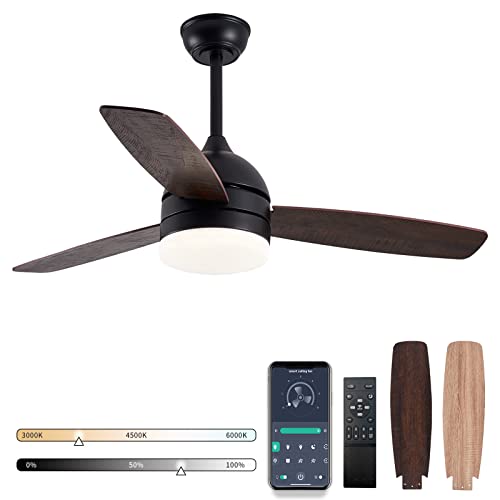
Is Table Fan Good for Health or Just Hype?

Is table fan good for health? Plenty of people ask that question after waking up with dry eyes, a stiff neck, or a scratchy throat from running a fan all night. Still, shutting the fan off completely can make a room feel stuffy and uncomfortable in a heartbeat. That push and pull explains why table fans stay part of daily life in bedrooms, home offices, kitchens, and tiny apartments where airflow often feels trapped. Used the right way, a table fan can help create a cooler and fresher indoor environment without making the room feel like a wind tunnel.
Air circulation plays a bigger role in comfort than many realize. A properly positioned fan helps reduce lingering heat, cooking smells, and that heavy feeling stale air leaves behind after hours indoors. During humid nights, steady airflow can make sleep feel less restless because sweat evaporates faster from the skin. That small shift often means fewer midnight wakeups and less tossing around trying to find the “cool side” of the pillow.
Still, there’s a catch. Constant direct airflow aimed at the face or neck for hours can leave skin dry and muscles tense the next morning. Some people also notice sinus irritation if dust builds up on the fan blades and keeps circulating through the room. That’s why maintenance matters more than folks expect. Cleaning the grill and blades regularly keeps indoor air quality from turning into a dusty mess that quietly irritates allergies over time.
Noise level also changes the experience quite a bit. A soft, steady fan hum can help drown out traffic noise, barking dogs, or noisy neighbors late at night. On the flip side, rattling motors and shaky fan stands can become downright irritating after a while. Choosing a fan with stable airflow instead of overpowering speed settings usually creates a more relaxing atmosphere without the discomfort that comes from excessive airflow.
Room size matters too, and honestly, that part gets overlooked all the time. A tiny table fan shoved into a large room won’t move enough air to make a noticeable difference, while an oversized fan in a cramped bedroom may feel harsh and drying. Balanced airflow tends to work better than blasting cold air nonstop. Pairing a table fan with cracked windows or light ventilation often creates a fresher environment that feels easier to breathe in during warm weather.
Fan placement changes everything. Angling the fan slightly upward or toward a wall can circulate air gently instead of pushing strong air directly at the body for hours. That simple adjustment helps reduce dryness while still cooling the room effectively. Little tweaks like that often separate a comfortable night’s sleep from waking up feeling rough around the edges.

- LFR Score9.2
LFR Score is a ranking system developed by lightfansreviews.com. LFR Score has no relationship or impact from any manufacturers or sales agent websites. Learn more
- BrandHoneywell
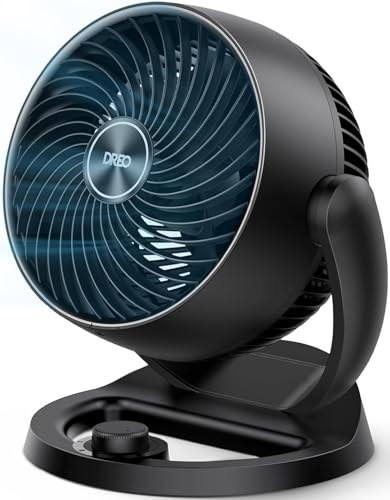
- LFR Score9.2
LFR Score is a ranking system developed by lightfansreviews.com. LFR Score has no relationship or impact from any manufacturers or sales agent websites. Learn more
- BrandDREO
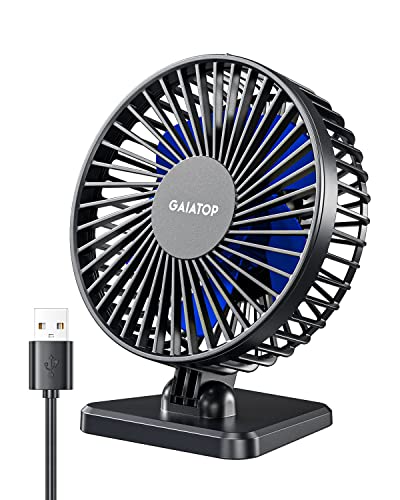
- LFR Score9.2
LFR Score is a ranking system developed by lightfansreviews.com. LFR Score has no relationship or impact from any manufacturers or sales agent websites. Learn more
- BrandGaiatop
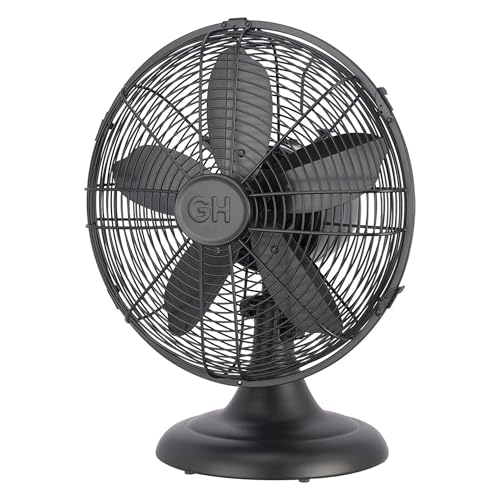
- LFR Score9.2
LFR Score is a ranking system developed by lightfansreviews.com. LFR Score has no relationship or impact from any manufacturers or sales agent websites. Learn more
- BrandGood Housekeeping

- LFR Score9.0
LFR Score is a ranking system developed by lightfansreviews.com. LFR Score has no relationship or impact from any manufacturers or sales agent websites. Learn more
- BrandDREO
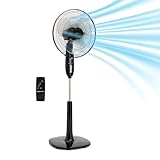
Amazon Basics 16-inch Pedestal Floor Fan Oscillating Remote, 3-Speed, Energy-Efficient,
View on Amazon- LFR Score8.8
LFR Score is a ranking system developed by lightfansreviews.com. LFR Score has no relationship or impact from any manufacturers or sales agent websites. Learn more
- BrandAmazon Basics

- LFR Score8.8
LFR Score is a ranking system developed by lightfansreviews.com. LFR Score has no relationship or impact from any manufacturers or sales agent websites. Learn more
- BrandLevoit

- LFR Score8.8
LFR Score is a ranking system developed by lightfansreviews.com. LFR Score has no relationship or impact from any manufacturers or sales agent websites. Learn more
- BrandLasko

- LFR Score8.8
LFR Score is a ranking system developed by lightfansreviews.com. LFR Score has no relationship or impact from any manufacturers or sales agent websites. Learn more
- BrandLasko

- LFR Score8.6
LFR Score is a ranking system developed by lightfansreviews.com. LFR Score has no relationship or impact from any manufacturers or sales agent websites. Learn more
- BrandHoneywell

- LFR Score8.2
LFR Score is a ranking system developed by lightfansreviews.com. LFR Score has no relationship or impact from any manufacturers or sales agent websites. Learn more
- BrandJISULIFE
Last update on 2026-06-02 / Affiliate links / Images, Product Titles, and Product Highlights from Amazon Product Advertising API
Is Table Fan Good For Health In Daily Home Use
A hot bedroom, a stuffy desk corner, and a sticky kitchen can make the whole day feel heavier than it should. Air that just sits there feels stale fast, especially in small rooms where windows stay closed and humidity hangs around like an unwanted guest. That is where is table fan good for health becomes a practical question, not just a casual worry. The real answer depends on airflow direction, fan cleanliness, and how long the breeze hits your body.
Health Comfort Basics
Table fans can support comfort because moving air helps sweat evaporate from the skin. That cooling effect can make a room feel easier to sit in, even if the actual temperature barely changes. For anyone working at a desk, cooking in a warm kitchen, or trying to sleep in a humid bedroom, that small relief matters. Still, comfort is not the same as automatic health benefit, so the setup needs a little common sense.
A fan does not clean the air by itself. It moves what is already in the room, including dust, pet hair, pollen, or cooking particles. That is why a dirty fan can turn from helpful to annoying pretty quickly. The grill and blades may look harmless, but once they collect fuzz, they can blow irritants around like confetti at the worst possible time.
The old line “the dose makes the poison” fits fan use surprisingly well. A soft breeze across the room can feel refreshing, while strong airflow blasting your face all night can dry out your eyes, throat, and skin. Moderation does the heavy lifting here. A table fan works best when it supports the room, not when it turns your bed or chair into a wind tunnel.
Public health agencies often point out that people spend a large share of their lives indoors, so indoor comfort and air movement are not tiny details. A stuffy room can make heat feel more draining, especially during warm seasons. A fan helps reduce that trapped-air feeling, but it should work alongside basic ventilation. Cracking a window, opening a door, or pairing the fan with an exhaust fan can make the airflow feel fresher instead of recycled.
Airflow And Body Comfort
Air movement affects the body fast. Sweat evaporates more easily when air passes over the skin, and that can reduce the sticky feeling that makes warm rooms so uncomfortable. During hot nights, a gentle fan can make sleep feel less restless because the body is not fighting trapped heat as hard. Still, direct airflow aimed at one body area for hours may leave muscles feeling tight by morning.
The neck and shoulders seem to complain first. A fan pointed straight at the upper body can cool sweaty skin too aggressively, especially after a shower or workout. That sudden chill may not “cause” illness in a simple way, but it can make muscle stiffness and morning discomfort more likely. Angling the fan toward a wall or slightly upward usually feels kinder.
Bedroom setups need extra care because sleep lasts for hours. A low or medium setting often beats the highest speed, especially for people who wake up with dry lips or irritated eyes. Gentle circulation keeps the room from feeling swampy without hammering the face all night. Try placing the fan beside the bed instead of directly in front of it, because that small shift changes the whole experience.
Home office use has its own quirks. A fan near paperwork, screens, or microphones can become distracting if the airflow is too strong or noisy. To keep focus steady, compare the room layout with other air-moving setups, and explore how a ceiling fan works for broader circulation ideas before relying only on a close-range table fan. Wider airflow often feels calmer than a narrow stream pointed at your chest.
Heat discomfort can sneak up during simple routines. Cooking, ironing, exercising indoors, or sitting near a sunny window can make the body feel drained long before the room seems extreme. A table fan can reduce that heat load a bit, but it will not replace hydration or real cooling during severe heat. Water intake, shade, and balanced airflow still matter.
Dry Throat And Sinus Irritation
Dryness is the complaint people mention most after sleeping with a table fan. The moving air can speed up moisture loss from the nose, mouth, eyes, and skin. That does not mean fans are “bad,” but it does mean constant airflow needs boundaries. A lower speed, better angle, and clean room can cut down a lot of that scratchy morning feeling.
Mouth sleepers often notice the issue more. If the fan pushes air across the face all night, the throat may feel rough by sunrise. Nasal dryness can also make breathing feel less comfortable, especially in already dry rooms or during allergy season. A small bowl of water near the room will not magically fix dry air, but a real humidifier or better airflow angle can help in dry climates.
Dust makes the problem worse. A table fan sitting near the floor, a window, or a dusty shelf can pick up particles and push them around repeatedly. Clean the blades, grill, and stand on a regular schedule, because fan hygiene directly affects comfort. A dusty fan in a bedroom is like shaking out an old rug next to your pillow.
People often blame the breeze when the real culprit is the room. Old bedding, carpet dust, pet dander, and poor ventilation can all irritate sinuses before the fan even starts spinning. The fan simply moves those irritants faster. Cleaner surfaces, washed bedding, and a fan pointed away from the face usually make the setup feel healthier.
Light and airflow sometimes overlap in odd ways, especially in plant rooms, studios, or desks near windows. To keep room comfort balanced while managing brightness, compare your airflow habits with lighting control tools like how to use sekonic light meter if glare and heat from lamps affect the same corner. Heat from lighting can make a fan feel necessary, but reducing that heat source may solve the deeper problem.
Sleep Quality And Fan Noise
Fan noise can help or hurt sleep, depending on the sound. A steady hum may mask traffic, hallway noise, or barking dogs, which can make a bedroom feel calmer. A rattling grill, uneven motor, or clicking oscillation does the opposite. Sleep likes rhythm, and consistent sound usually feels easier on the brain than random mechanical chatter.
Some people rely on fan sound as white noise. That is not strange at all. A predictable background sound can make sudden noises feel less sharp, especially in apartments or shared homes. Still, the fan should not be so loud that it forces raised voices or makes the room feel busy.
Placement affects noise as much as airflow. A fan sitting on a hollow nightstand may vibrate through the furniture, while the same fan on a solid surface sounds quieter. Tighten loose screws, clean the grill, and check whether the base wobbles. Stable placement makes the fan safer and less annoying.
Sleep comfort also depends on temperature swings. Strong airflow can feel nice at bedtime but too cold at 3 a.m., especially if the weather cools overnight. A timer helps avoid that problem by limiting exposure after the room has cooled down. Timed fan use is a smart middle ground for anyone who likes airflow but hates waking up chilled.
A table fan may not suit every bedroom design. Large rooms, high ceilings, or open layouts may need broader circulation to prevent hot pockets. For a more design-friendly airflow setup in shared spaces, compare room needs with best looking ceiling fans before forcing a small fan to handle everything. Room size and air distribution matter more than raw fan speed.
Safe Placement And Daily Habits
Safe fan use starts with placement. Keep the fan on a flat, stable surface where it will not tip over during oscillation. Cords should stay out of walking paths, because a tripped cord can pull the whole fan down fast. Small habits like this sound boring, but they prevent the kind of household mishaps nobody wants.
Distance matters too. A fan placed too close can dry the skin and eyes, while a fan placed too far away may barely help. The sweet spot usually sits across the room or off to the side, where air moves gently through the space. Indirect airflow feels better for long use than a narrow blast aimed straight at the body.
Cleaning should not be a once-a-year chore. Dust builds up quietly on blades, grills, and rear vents, especially in bedrooms with fabric, pets, or open windows. Wipe the fan down every couple of weeks during heavy use, and unplug it before cleaning. Regular maintenance protects both airflow quality and motor performance.
Speed settings deserve more respect than they get. High speed can help for a short burst after cooking or exercise, but medium or low speed usually feels better for long sitting and sleeping. A slower setting also reduces noise and dryness. Lower airflow often creates better comfort because it stays in the background instead of taking over the room.
Shared spaces need a little courtesy. One person may love a strong breeze, while another may feel cold, dry, or irritated after a few minutes. Oscillation can help spread air more evenly instead of targeting one chair or bed spot. Balanced circulation keeps the room comfortable without turning fan use into a household debate.
Is Sleeping With A Table Fan Bad For Your Health
Warm nights can turn even a comfortable bedroom into a restless mess. Sheets feel sticky, the pillow traps heat, and suddenly the idea of sleeping without airflow sounds impossible. That tension explains why people keep asking whether is sleeping with a table fan bad for your health or if the comfort outweighs the downsides. Most of the time, the answer depends less on the fan itself and more on how the airflow interacts with your body, your room, and your habits.
Nighttime Airflow Habits
Sleeping with a fan feels comforting because moving air helps the body cool down naturally. Heat leaves the skin more easily when air circulates around the room, which can make falling asleep feel quicker and less frustrating. That relief matters during humid nights when the bedroom feels heavy even with the lights off. A table fan can create a calmer sleep setup without forcing the air conditioner to run nonstop.
Still, sleeping directly in front of a fan all night can become irritating after a few hours. Some people wake up with dry eyes, tight shoulders, or a scratchy throat because the airflow never stopped hitting the same area. The body likes consistency, but it also likes balance. Pointing the fan slightly away from the bed often keeps the room cool without creating that stiff, dried-out feeling in the morning.
Oscillating fans usually feel gentler than stationary fans because the airflow shifts around the room instead of hammering one spot continuously. That movement spreads cool air more evenly and prevents one side of the body from getting chilled while the rest of the room stays warm. Balanced circulation matters more than raw fan speed. Running the highest setting all night rarely improves sleep quality.
Lighting also affects bedroom heat more than people expect. Strong desk lamps, exposed bulbs, and poor room layout can trap warmth near the bed. For smaller reading spaces or study corners, improve nighttime comfort with best table lamp for library table setups that reduce unnecessary heat buildup around sleeping areas. Cooler lighting conditions often reduce the need for aggressive fan use late at night.
Allergies And Dust Problems
Dust buildup changes how healthy a fan feels in daily use. A fan pulls air across the blades and pushes it around the room repeatedly, so any dirt sitting on the grill or motor housing eventually ends up back in the air. That may not bother everyone, but allergy-prone sleepers usually notice it fast. Sneezing, watery eyes, or sinus pressure can creep in after weeks of ignoring fan cleaning.
Bedrooms collect more fabric dust than most people realize. Blankets, curtains, rugs, and clothing fibers slowly settle around the room every day. A table fan near the floor or next to the bed can stir those particles into the air over and over again. Regular cleaning matters because the fan becomes part of the room’s breathing cycle.
Pet owners run into this issue constantly. Fur drifts into corners, under beds, and around fan bases before anyone notices. Once the fan starts running, that fur circulates through the room instead of staying settled on the floor. Vacuuming more often and wiping fan blades weekly usually improves the situation far more than lowering the fan speed.
Open windows create another tradeoff. Fresh air feels nice, but pollen and outdoor dust can enter the room quickly during certain seasons. A table fan near the window may spread those allergens deeper into the bedroom. Seasonal airflow adjustments help keep the room comfortable without making allergies feel worse overnight.
Outdoor airflow setups face similar issues with moisture and debris. Before moving fans into patios or semi-open spaces, review best outdoor ceiling fan installation ideas to see how safer placement and weather-resistant airflow systems handle dust and humidity more effectively. Outdoor air circulation needs stronger protection against moisture buildup than indoor fan use.
Humidity And Skin Dryness
Humidity levels completely change how a table fan feels on the body. In humid weather, airflow helps sweat evaporate faster, making the room feel cooler without lowering the actual temperature much. During dry weather, though, constant airflow can pull moisture from the skin and throat surprisingly fast. That explains why the same fan feels refreshing one month and irritating the next.
Skin tends to react first. Lips dry out overnight, hands feel rougher, and the area around the eyes may feel tight after hours of direct airflow. That does not mean fans are unhealthy by default. The issue usually comes from excessive exposure, especially when the fan points directly at the face while sleeping.
Hydration helps more than people think. Drinking enough water during hot weather supports the body’s natural cooling process, which reduces the urge to blast high fan speeds all night. Pairing moderate airflow with hydration often feels better than relying on extreme airflow alone. Body comfort works best when multiple small habits support each other.
Humidity control matters in bathrooms and laundry areas too. Damp air trapped indoors can create that sticky, heavy feeling that makes sleep uncomfortable later in the evening. Running a table fan near an open doorway after showers or laundry helps move moisture away before it settles into fabrics and walls. Air circulation keeps rooms feeling lighter and less stuffy over time.
Children And Older Adults
Children and older adults often react differently to room airflow because their temperature regulation can feel more sensitive. A fan that feels perfectly comfortable to one person may feel too cold or drying to someone else in the same room. That difference matters at night, especially during long sleeping hours. Gentle airflow usually works better than aggressive cooling.
Small children may kick blankets off during sleep while the fan continues blowing across exposed skin. That can leave them waking up cold even though the room itself is not chilly. Lower settings and indirect airflow often create a softer environment without overheating the room. Positioning the fan carefully matters more than blasting strong air across the bed.
Older adults sometimes notice dry sinuses or muscle stiffness after prolonged airflow. Aging skin and airways may lose moisture more easily, which makes direct fan exposure feel harsher over time. Keeping airflow indirect and maintaining room humidity can reduce that discomfort. A simple timer can also help prevent overexposure during cooler overnight hours.
Noise sensitivity may increase with age too. A fan with rattling blades or unstable oscillation can become distracting during light sleep cycles. Stable construction and quieter operation often improve rest more than maximum airflow speed. Quiet comfort usually creates better long-term sleep habits than raw cooling power.
Family rooms sometimes create airflow conflicts because different people prefer different temperatures. One person wants strong cooling while another reaches for an extra blanket after ten minutes. Oscillation helps spread air more evenly so the room feels cooler without focusing airflow on one specific person. Shared comfort often depends on moderation.
Energy Use And Everyday Practicality
Table fans use less electricity than air conditioners in most homes, which explains why people rely on them heavily during warmer seasons. Running a fan costs less than cooling an entire house, especially in apartments or small bedrooms. That makes fans useful for daily comfort, but lower energy use does not automatically mean better comfort if airflow is poorly placed.
Combining a table fan with natural ventilation usually works better than sealing the room completely. Open windows during cooler evening hours can help stale air escape while the fan keeps fresh air moving through the space. That setup often feels more comfortable than recirculating the same warm air all night. Fresh airflow changes the mood of a room surprisingly fast.
Fan size matters more than many people expect. Tiny fans may struggle in large bedrooms, while oversized models can create harsh airflow in compact spaces. Matching the fan to the room helps avoid dryness and unnecessary noise. Right-sized airflow tends to feel calmer and more natural indoors.
Motor quality affects long-term comfort too. Cheap fans often develop wobbling, clicking sounds, or uneven oscillation after months of heavy use. That constant noise becomes more irritating over time, especially during sleep. Cleaning the motor housing and checking loose screws can extend fan life and reduce those annoying nighttime sounds.
Heatwaves create situations where fans help but still have limits. During extreme temperatures, airflow alone may not cool the body enough if the room itself stays dangerously hot. Fans support comfort best when paired with hydration, ventilation, shade, and sensible cooling habits. Safe heat management depends on multiple small choices working together instead of relying entirely on one appliance.


Best Small Flush Mount Ceiling Fans 2026 Ultimate Picks

Best Smart Ceiling Fan India 2026 For Effortless Comfort

Best Smart Ceiling Fans with Lights for 2026: Top Picks

Best Smart Home Non Ceiling Fans 2026 For Ultimate Comfort

Best Outdoor Misting Ceiling Fan 2026 For Ultimate Comfort

Best Outdoor Ceiling Fans For Porch 2026 With Style And Breeze

Best Smart Bulb For Ceiling Fan 2026 That Brightens Life
Best Smart Ceiling Fan Control 2026 For Effortless Comfort