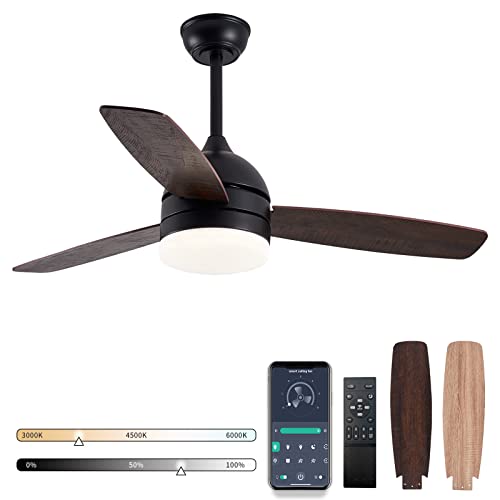
Table Fan Is Running But No Air? Fix It Fast

Table fan is running but no air can turn a normal afternoon into a sweaty, frustrating mess. The blades spin, the motor hums, yet the room still feels stuffy. That strange disconnect usually points to airflow restrictions, worn internal parts, loose blades, or dust buildup hiding where most people never bother to check. A fan that sounds alive but barely pushes air often gives subtle warning signs long before it completely stops working.
Dust tends to be the sneaky culprit. Thick grime on the blades or rear grill can choke airflow little by little until the fan feels weak even at maximum speed. Then there’s the blade angle issue. Slightly warped or loose blades may rotate normally while failing to move enough air forward. Oddly enough, many people assume the motor is dead right away, even though the actual fix could be much simpler and far cheaper.
Weak airflow also shows up when internal motor bearings start wearing down. The fan still runs, but the spinning power loses strength under load. You might notice slower startup, faint rattling, or a buzzing sound that wasn’t there before. Sometimes the fan works fine for ten minutes and suddenly struggles after heating up. That pattern usually hints at motor stress or capacitor trouble quietly building behind the scenes.
Placement matters more than people think, too. Pushing a table fan into tight corners, against curtains, or near dusty windows can block circulation and trap hot air around the motor housing. Airflow needs room to travel. Even a decent fan will feel disappointing if the surrounding space prevents proper movement. Small adjustments in angle and distance from walls can noticeably improve cooling performance.
Blade imbalance creates another headache. A slightly cracked blade or bent frame throws off airflow consistency, causing vibration while reducing air pressure. Fans with plastic blades often develop this problem after accidental drops or rough storage during colder months. The fan may look perfectly fine at first glance, but airflow tells a different story once it starts running.
Electrical components deserve attention as well. A failing capacitor can keep the motor alive while reducing torque, making the blades spin slower than intended. That sluggish rotation weakens airflow even though the fan still appears operational. Older table fans especially tend to suffer from this issue after years of regular summer use.
Table fan is running but no air situations rarely happen without clues. Strange smells, overheating, weak oscillation, or inconsistent speed settings usually appear beforehand. Paying attention to those little changes can prevent a complete breakdown later. A few careful inspections, regular cleaning habits, and realistic expectations about aging components often bring tired fans back to life without replacing the whole unit.

- LFR Score9.2
LFR Score is a ranking system developed by lightfansreviews.com. LFR Score has no relationship or impact from any manufacturers or sales agent websites. Learn more
- BrandHoneywell
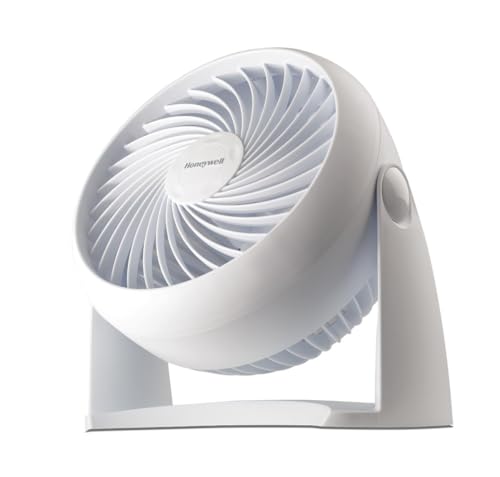
- LFR Score9.2
LFR Score is a ranking system developed by lightfansreviews.com. LFR Score has no relationship or impact from any manufacturers or sales agent websites. Learn more
- BrandHoneywell
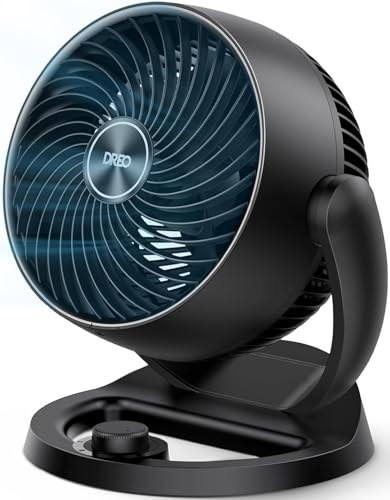
- LFR Score9.2
LFR Score is a ranking system developed by lightfansreviews.com. LFR Score has no relationship or impact from any manufacturers or sales agent websites. Learn more
- BrandDREO

- LFR Score9.0
LFR Score is a ranking system developed by lightfansreviews.com. LFR Score has no relationship or impact from any manufacturers or sales agent websites. Learn more
- BrandDREO

- LFR Score9.0
LFR Score is a ranking system developed by lightfansreviews.com. LFR Score has no relationship or impact from any manufacturers or sales agent websites. Learn more
- BrandKopBeau

- LFR Score8.8
LFR Score is a ranking system developed by lightfansreviews.com. LFR Score has no relationship or impact from any manufacturers or sales agent websites. Learn more
- BrandBEYOND BREEZE

- LFR Score8.8
LFR Score is a ranking system developed by lightfansreviews.com. LFR Score has no relationship or impact from any manufacturers or sales agent websites. Learn more
- BrandLasko

- LFR Score8.6
LFR Score is a ranking system developed by lightfansreviews.com. LFR Score has no relationship or impact from any manufacturers or sales agent websites. Learn more
- BrandAmazon Basics

- LFR Score8.6
LFR Score is a ranking system developed by lightfansreviews.com. LFR Score has no relationship or impact from any manufacturers or sales agent websites. Learn more
- BrandHOLMES

- LFR Score8.2
LFR Score is a ranking system developed by lightfansreviews.com. LFR Score has no relationship or impact from any manufacturers or sales agent websites. Learn more
- BrandBEYOND BREEZE
Last update on 2026-06-02 / Affiliate links / Images, Product Titles, and Product Highlights from Amazon Product Advertising API
Table Fan Is Running But No Air
A hot room feels even more annoying when the blades are spinning and the breeze still feels missing. That gap between motion and cooling is exactly why table fan is running but no air becomes such a head-scratcher. The fan looks alive, the motor hums, and yet the air barely moves past the grill. Usually, the problem sits in a mix of blocked airflow, weak blade force, dust buildup, poor placement, or a tired motor that can spin but can’t push air with enough strength.
Why The Fan Spins But Feels Weak
A fan can rotate without producing a useful breeze because spinning and moving air aren’t the same thing. The blades need the right angle, speed, surface condition, and open airflow path to push air forward. If one part slips out of shape, the fan may look normal while acting like it’s just stirring the air in place. That’s why this issue often feels weird at first, almost like the fan is pretending to work.
Dust-coated blades are one of the most common reasons airflow drops. A thin gray layer might seem harmless, but it changes the blade surface and reduces the clean cutting motion that helps move air. Greasy dust from kitchens or humid rooms makes the problem worse because it clings harder and builds unevenly. Clean blades usually push air better because they regain their smoother edge and proper balance.
The rear grill matters too, and it gets ignored all the time. A table fan pulls air from behind before pushing it forward, so a clogged back grill chokes the whole process. Even if the front looks clean, the fan can struggle if the rear intake is blocked by lint, pet hair, curtains, or a wall sitting too close behind it. Good airflow needs clear intake and clear output, not just fast-looking blades.
Blade speed can also fool the eye. A fan may appear to run quickly, but a weak motor or failing capacitor can lower torque enough to reduce air pressure. That means the blade spins without the punch needed to create a steady breeze. If the fan starts slowly, buzzes, or loses strength after warming up, motor strain may be part of the story.
Dust And Blocked Airflow
Dust buildup rarely ruins airflow in one dramatic moment. It sneaks in over weeks, then suddenly the fan feels useless on a sticky afternoon. The blades collect grime along the leading edge, the grill traps lint, and the motor housing may pull in fine debris. Bit by bit, airflow gets weaker while the noise stays familiar.
A practical cleaning routine starts with unplugging the fan and removing the front grill if the model allows it. Wipe each blade from base to tip so the dust doesn’t smear into sticky streaks. A soft brush works well for the grill slots, especially around the rear intake where airflow begins. Keep water away from motor vents, switches, and wiring because moisture can create bigger problems than weak airflow.
Placement can undo a clean fan fast. A table fan pushed against a wall or tucked beside furniture may recycle warm air instead of moving fresh air across the room. Leave space behind the fan so it can pull air freely, then angle it toward the area that actually needs cooling. To improve comfort in rooms where airflow control matters across different devices, compare setup ideas with best remote control tablet for easier adjustments around the house.
Humidity makes dust heavier and more stubborn. In damp rooms, lint can stick to grills and blades like a thin blanket, especially if windows stay open often. That sticky layer can make a fan sound louder because the blades no longer move evenly. A monthly wipe-down helps maintain steady airflow and keeps the motor from working harder than it should.
Blade Problems That Kill Breeze
Blade condition has a bigger effect on airflow than most people expect. A blade can look fine from across the room but still be slightly warped, loose, cracked, or mounted backward after cleaning. Even small changes in blade angle reduce how much air gets pushed forward. That’s why a fan may spin smoothly and still feel weak from two feet away.
Loose blade caps are sneaky. If the center cap or blade hub isn’t tight, the motor shaft may spin while the blade slips just enough to waste power. That creates motion without proper air pressure. A quick check around the blade mount can reveal wobbling, uneven rotation, or a faint clicking sound that points to a loose connection.
Blade direction matters on certain fan designs. Some blades have a curved face that must sit the right way to scoop and push air forward. After cleaning or repair, a blade installed incorrectly can still rotate but move much less air. The fix may be as simple as reseating the blade and making sure the curved surface faces the intended direction.
Cracks and bent edges deserve attention because they affect both airflow and safety. A damaged blade may create vibration, uneven air movement, and extra stress on the motor bearings. If the fan shakes at higher speed, don’t ignore it just because air still comes out a little. Vibration usually means the blade balance has changed, and that can shorten the fan’s life.
Motor Weakness And Capacitor Trouble
A motor can still run while losing the strength needed to push air properly. That’s the frustrating part. The fan hums, the blade spins, and the room still feels flat because the motor lacks torque. Older table fans often show this through slow startup, weak high-speed mode, or a tired buzzing sound.
The capacitor often plays a quiet but important role in helping the motor start and maintain proper speed. If it weakens, the blade may rotate slower or struggle under normal load. A failing capacitor doesn’t always stop the fan completely, so the problem can look confusing. The fan runs, but the breeze feels thin, uneven, or delayed.
Heat is another clue. A motor that gets unusually hot after a short run may be fighting friction inside the bearings or windings. Warm is normal, but too hot to touch is a warning sign. Turn the fan off and let it cool before checking for stiff rotation, odd smells, or grinding sounds around the motor housing.
Lighting and room setup can make weak airflow feel worse, especially near dressing areas where heat from bulbs and poor circulation stack together. Reduce that trapped warmth with smarter fixture choices, and upgrade the room feel through best lighting dressing table if the fan sits near a vanity or makeup corner. Better light placement won’t fix a bad motor, but it can reduce extra heat around tight spaces.
Room Setup Can Block Cooling
Air direction matters just as much as fan strength. A table fan pointed at a cluttered shelf, curtain, or bed frame may lose its breeze before it reaches the body. Air needs a clean path, not a maze. Moving the fan a few inches can sometimes feel like a bigger repair than opening the whole unit.
Height changes the cooling effect too. A fan sitting too low may push air into table legs or storage boxes instead of across the room. Raise it to chest level while seated, or angle the head slightly upward if the room feels stagnant. That simple shift helps create better circulation instead of blasting air into dead space.
Small rooms can trap hot air quickly, especially with closed doors and electronics running. In that setup, a table fan may only move warm air around unless there’s a fresh air source nearby. Place it near a doorway or window during cooler parts of the day to help exchange air. For rooms where ceiling airflow makes more sense than tabletop circulation, compare options through best small ceiling fan before forcing a table fan to do all the work.
Oscillation can also reduce the breeze you feel if the fan sweeps too widely across the room. A narrow, fixed angle often works better when one spot needs direct cooling. Wide swing mode helps general circulation, but it won’t feel strong if the fan spends most of its time pointing somewhere else. Match the setting to the room, not just the speed dial.
Quick Checks Before Taking It Apart
Start with the easy stuff before blaming the motor. Check the speed knob, plug fit, grill blockage, blade tightness, and rear airflow space. These simple checks solve many weak breeze complaints without tools. A fan that runs but barely blows often needs cleaning or repositioning before deeper repair.
Listen closely while it runs. A smooth hum usually points toward airflow restriction or blade issues, while buzzing, grinding, or speed drops suggest mechanical strain. Smell matters too. A burnt odor means the fan should be turned off right away because electrical stress may be present.
Spin the blade by hand while the fan is unplugged. It should move freely and coast for a moment without scraping or stopping abruptly. A stiff blade can mean dry bearings, dust around the shaft, or internal wear. That resistance forces the motor to work harder and can make airflow feel weak even at the highest setting.
Check the grill alignment after cleaning or accidental bumps. A bent grill can sit too close to the blade and restrict movement or cause light rubbing. That small contact slows the blade and may create a faint ticking sound. Fixing the spacing can restore smoother rotation and better air output without replacing parts.
Table Fan Running With Weak Airflow Issues
Some fans keep spinning day after day while the actual cooling slowly fades away. That frustrating drop in performance usually creeps in quietly until one warm night suddenly feels unbearable. A weak breeze can make sleep rough, turn workspaces stuffy, and leave rooms feeling oddly humid even with the fan blasting at full speed. Table fan running with weak airflow issues often points toward hidden strain inside the fan rather than a completely broken unit.
Dry Bearings Can Slow The Entire Fan
Motor bearings take a beating after long periods of daily use, especially during hot seasons when fans barely get a break. Dust, heat, and friction slowly dry out the lubricant that helps the shaft rotate smoothly. Once that happens, the motor starts fighting resistance every second it runs. The blades may still turn, but the airflow weakens because the fan loses rotational efficiency.
A dry bearing usually creates subtle symptoms first. The fan may sound rough during startup, produce faint grinding noises, or slow down after running for twenty minutes. Some units even smell slightly hot because the motor works harder against the friction. Ignoring those signs often leads to overheating and eventually complete motor failure.
Lubrication helps in many older fans, though not every modern model is designed for easy servicing. A lightweight machine oil placed carefully around accessible shaft points can improve rotation noticeably. Thick grease usually causes more trouble because it traps dust and slows movement. Less is better than overdoing it.
Fans stored in garages or humid closets tend to develop bearing problems faster. Moisture creates tiny corrosion spots around moving parts, which increases resistance once the fan starts spinning again. A quick seasonal inspection before heavy summer use can help maintain smoother airflow and reduce long-term wear.
Capacitor Failure Often Mimics Airflow Problems
A failing capacitor confuses a lot of people because the fan still appears functional. The blades rotate, the switch works, and the motor hums normally at first. Yet the actual breeze feels weak and inconsistent. That happens because the capacitor helps deliver the extra push needed for proper motor speed and torque.
Weak capacitor performance usually shows up through sluggish startup. The blades may need a manual push to begin spinning, or they might rotate slowly for several seconds before speeding up. Some fans never regain full strength at all. They run, but the airflow feels dull and lifeless.
Heat speeds up capacitor wear dramatically. Fans placed near sunny windows, cooking areas, or cramped corners often face higher internal temperatures. That added heat shortens electrical component life over time. Poor ventilation around the motor housing makes the issue worse because trapped heat keeps building inside the fan.
Replacing a capacitor isn’t always expensive, but matching the correct rating matters. Using the wrong component can create unstable speed control or extra stress on the motor. If airflow drops while the fan still spins steadily, checking the capacitor becomes one of the smarter troubleshooting steps before replacing the entire fan.
Oscillation Problems Reduce Air Coverage
Oscillation mechanisms help distribute airflow across a room, but they can also create strange cooling gaps when parts begin wearing down. A fan that swings too slowly or sticks at certain angles may leave half the room feeling hot. People often blame weak airflow even though the real issue sits in uneven air distribution.
Plastic gears inside oscillation systems wear gradually. Dust buildup and dry grease increase resistance until movement becomes jerky or incomplete. Some fans click repeatedly while trying to rotate because the internal gear teeth no longer mesh smoothly. That constant hesitation interrupts consistent cooling.
Wide oscillation angles sometimes make airflow feel weaker than it actually is. The fan spends less time pointing toward one area, so the breeze feels inconsistent even at higher speeds. Narrowing the swing range or locking the fan into a fixed direction often improves comfort instantly. Focused airflow usually feels stronger than scattered circulation.
Lighting placement around workspaces and entertainment corners can affect comfort too. Warm bulbs raise surrounding temperatures and make weak airflow feel worse than it already is. Reducing unnecessary heat sources near the fan helps the room cool more evenly. For compact setups that combine airflow and outdoor comfort planning, compare layout ideas with best outdoor ceiling fan specification for broader circulation inspiration.
Fan Blade Material Changes Performance
Blade material plays a surprisingly big role in airflow consistency. Lightweight plastic blades may flex slightly at higher speeds, especially in older fans exposed to heat for years. That subtle bending reduces the blade’s ability to push air efficiently. Metal blades usually hold their shape better but can become noisy if balance shifts.
Thin plastic blades also crack more easily during storage or cleaning. Even a tiny fracture near the center hub can create wobbling that weakens airflow. The fan might still spin quickly, but the unstable blade movement disrupts the smooth pressure needed for strong circulation. Vibration becomes part of the problem too.
Heavy blades create a different tradeoff. They push more air in some cases, but they place extra stress on small motors. Older table fans sometimes struggle to maintain speed if replacement blades are heavier than the originals. That added strain reduces motor efficiency and can increase heat buildup inside the housing.
Cleaning methods matter here as well. Harsh chemicals may weaken older plastic over time, making blades brittle and easier to warp. A soft cloth with mild soap usually keeps surfaces clean without damaging the material. Consistent care helps preserve steady airflow performance instead of creating new mechanical issues.
Power Supply Problems Can Limit Airflow
Not every airflow problem starts inside the fan itself. Weak electrical supply can reduce motor performance even when the fan technically still works. Extension cords, overloaded power strips, or unstable outlets sometimes lower the voltage enough to affect blade speed. The fan runs, but it never reaches its intended airflow strength.
Loose plugs create another annoying issue. Small interruptions in power flow may cause speed fluctuations that are easy to miss at first. The fan sounds normal one moment, then slightly weaker the next. Over time, that unstable power can stress internal components and shorten motor lifespan.
Rooms packed with electronics often deal with heat and power strain together. Gaming systems, televisions, chargers, and lighting setups raise temperatures while sharing the same outlet area. Fans placed in those environments may struggle harder just to maintain comfort. Reducing outlet congestion can help stabilize performance.
Portable lighting and emergency gear sometimes create similar clutter around bedside or workspace fans. Organizing those areas more efficiently improves airflow paths and reduces cable tangles around vents. For compact utility setups that mix lighting and electronics in smaller spaces, browse ideas through turn on flashlight fallout 4 to simplify room arrangement and visibility habits.
Cheap Fan Design Limits Air Pressure
Budget table fans often rely on small motors and shallow blade designs that struggle to move air across larger rooms. The fan may look powerful because the blades spin fast, but speed alone doesn’t guarantee strong airflow. Blade pitch, motor torque, and grill design all influence how effectively air gets pushed forward.
Dense front grills create another hidden limitation. Some manufacturers prioritize safety spacing or compact styling while unintentionally restricting airflow output. Air pressure drops as the fan struggles to force air through narrow openings. That’s why certain fans feel weak despite sounding loud.
Lightweight housings can also vibrate more during operation. Vibration wastes energy that could otherwise support smoother blade movement and stronger circulation. Fans with unstable bases often shift slightly during high-speed operation, especially on uneven desks or hard flooring. A stable surface helps preserve consistent airflow.
Small fan heads create obvious tradeoffs in bigger rooms. They work fine for close-range cooling but struggle to circulate air beyond a limited distance. Pushing a compact table fan into a large open room usually leads to disappointment, even if the motor itself works properly. Matching fan size to room layout matters more than many expect.
Maintenance Habits That Keep Airflow Strong
Regular cleaning prevents many airflow issues before they become frustrating enough to notice. Dust buildup around blades, grills, and motor vents slowly reduces efficiency while increasing heat inside the unit. A quick wipe every few weeks usually keeps airflow steadier than waiting until the fan looks visibly dirty.
Storage habits matter during colder seasons too. Fans shoved into damp closets or dusty garages often develop stiff bearings, warped blades, or corrosion around electrical parts. Covering the fan loosely with fabric or storing it in a dry cabinet helps protect moving components from unnecessary wear.
Checking screws and blade tightness once in a while can stop vibration problems early. Loose hardware changes airflow consistency and creates extra motor strain over time. Small rattles rarely fix themselves. Tightening parts before they worsen keeps the fan quieter and more stable.
Older fans sometimes need realistic expectations. A unit that has survived years of heavy summer use may never regain the same airflow it once produced. Still, proper care, careful cleaning, and attention to motor health can stretch its usefulness much longer than neglect ever will.


Best Small Flush Mount Ceiling Fans 2026 Ultimate Picks

Best Smart Ceiling Fan India 2026 For Effortless Comfort

Best Smart Ceiling Fans with Lights for 2026: Top Picks

Best Smart Home Non Ceiling Fans 2026 For Ultimate Comfort

Best Outdoor Misting Ceiling Fan 2026 For Ultimate Comfort

Best Outdoor Ceiling Fans For Porch 2026 With Style And Breeze

Best Smart Bulb For Ceiling Fan 2026 That Brightens Life
Best Smart Ceiling Fan Control 2026 For Effortless Comfort