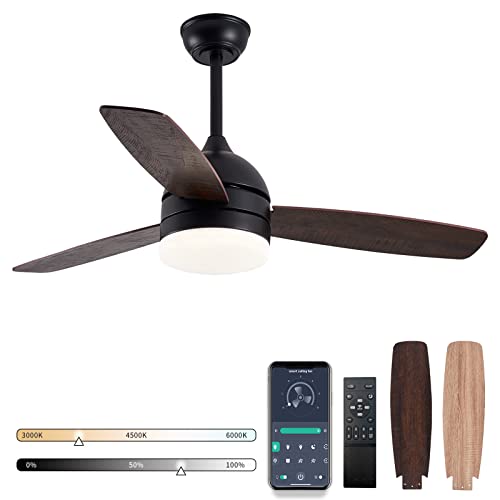
What Is a 52 Inch Ceiling Fan and Why It Fits

What Is a 52 Inch Ceiling Fan often becomes the big question right after a room starts feeling stuffy, uneven, or just plain uncomfortable. Plenty of people grab the first ceiling fan they see, then end up annoyed by weak airflow, oversized blades, or noisy operation that turns movie night into a distraction fest. A 52 inch model usually lands right in that sweet spot where airflow feels strong without overwhelming the room visually. That balance matters more than most people expect.
Living rooms, medium-sized bedrooms, open dining spaces, and even covered patios tend to work nicely with a 52 inch ceiling fan. The blade span creates broad airflow coverage without making the ceiling feel crowded or heavy. Smaller fans sometimes leave warm corners untouched, while oversized options can dominate the space and look awkward. Nobody wants a fan that feels like a helicopter hanging overhead, right?
Air circulation changes everything indoors. Sticky summer evenings feel less irritating, and heating systems work more efficiently during colder months when warm air gets pushed back downward. That’s one reason homeowners keep circling back to the 52 inch ceiling fan size. It handles airflow in a practical way without demanding constant adjustments or high-speed settings all day long.
Looks also play a huge role. Some rooms lean modern with matte black finishes and sleek blades, while others need warm wood tones that soften the overall vibe. A 52 inch ceiling fan gives enough visual presence to complete a room without stealing attention from furniture, lighting, or décor. Little design details matter because people notice ceiling fixtures more than they realize.
Noise becomes another make-or-break factor. Cheap or poorly sized fans can wobble, hum, or rattle after a few months, and wow, that gets old fast. Properly sized fans tend to run smoother because the motor doesn’t have to overwork itself to circulate air effectively. That quieter performance makes bedrooms and relaxation spaces feel more comfortable overall.
Ceiling height also changes the experience. Rooms with standard eight-foot ceilings often pair well with flush mount or low-profile versions, while vaulted ceilings may need longer downrods for balanced airflow. A correctly installed 52 inch ceiling fan helps maintain consistent comfort instead of blasting air directly onto one spot. Small setup choices can seriously affect how the room feels day after day.
Energy use sneaks into the conversation too. Running a fan alongside an air conditioner often helps reduce thermostat dependency, which can lower cooling costs over time. That doesn’t mean miracles happen overnight, but steady airflow absolutely helps rooms feel cooler without cranking the AC nonstop. Comfort and efficiency tend to work together better than people assume.

- LFR Score9.8
LFR Score is a ranking system developed by lightfansreviews.com. LFR Score has no relationship or impact from any manufacturers or sales agent websites. Learn more
- BrandGlowivia

- LFR Score9.4
LFR Score is a ranking system developed by lightfansreviews.com. LFR Score has no relationship or impact from any manufacturers or sales agent websites. Learn more
- BrandFanbulous

- LFR Score9.2
LFR Score is a ranking system developed by lightfansreviews.com. LFR Score has no relationship or impact from any manufacturers or sales agent websites. Learn more
- BrandDolavast

- LFR Score9.2
LFR Score is a ranking system developed by lightfansreviews.com. LFR Score has no relationship or impact from any manufacturers or sales agent websites. Learn more
- BrandOhniyou
- LFR Score9.0
LFR Score is a ranking system developed by lightfansreviews.com. LFR Score has no relationship or impact from any manufacturers or sales agent websites. Learn more
- BrandFanbulous

- LFR Score9.0
LFR Score is a ranking system developed by lightfansreviews.com. LFR Score has no relationship or impact from any manufacturers or sales agent websites. Learn more
- BrandPassky

- LFR Score9.0
LFR Score is a ranking system developed by lightfansreviews.com. LFR Score has no relationship or impact from any manufacturers or sales agent websites. Learn more
- BrandZMISHIBO
- LFR Score9.0
LFR Score is a ranking system developed by lightfansreviews.com. LFR Score has no relationship or impact from any manufacturers or sales agent websites. Learn more
- BrandPassky
- LFR Score9.0
LFR Score is a ranking system developed by lightfansreviews.com. LFR Score has no relationship or impact from any manufacturers or sales agent websites. Learn more
- BrandFanbulous

- LFR Score8.8
LFR Score is a ranking system developed by lightfansreviews.com. LFR Score has no relationship or impact from any manufacturers or sales agent websites. Learn more
- BrandZMISHIBO

- LFR Score8.6
LFR Score is a ranking system developed by lightfansreviews.com. LFR Score has no relationship or impact from any manufacturers or sales agent websites. Learn more
- BrandOhniyou

- LFR Score8.4
LFR Score is a ranking system developed by lightfansreviews.com. LFR Score has no relationship or impact from any manufacturers or sales agent websites. Learn more
- BrandFanbulous
Last update on 2026-05-19 / Affiliate links / Images, Product Titles, and Product Highlights from Amazon Product Advertising API
What Is A 52 Inch Ceiling Fan
A room can look finished and still feel off if the air just sits there. Warm corners, sticky evenings, and a ceiling fixture that looks too small can make the whole setup feel half-baked. That is where what is a 52 inch ceiling fan becomes a practical sizing question, not just a product label. The 52 inch measurement describes the full blade span, and that size usually fits spaces that need steady airflow without a bulky, overbearing look.
52 Inch Fan Basics
A 52 inch ceiling fan measures 52 inches across the full blade sweep, usually from the tip of one blade to the tip directly across from it. That size often feels right in living rooms, primary bedrooms, dining rooms, and medium open spaces where a smaller fan might barely move the air. It is not tiny, but it is not massive either. That middle-ground size is why many homeowners treat it as a safe everyday fan size.
The real value sits in the balance between air movement, visual scale, and comfort. A fan that is too small can spin like crazy and still leave the far side of the room feeling stale. A fan that is too large may push too much air or make the ceiling look crowded. A 52 inch fan usually gives enough reach without making the room feel like it belongs in a showroom instead of a home.
Ceiling fan sizing also affects how often people use the fan. A poorly matched fan gets ignored because it feels weak, loud, or awkward. A properly sized 52 inch ceiling fan becomes part of the daily routine, especially during warm afternoons or stuffy nights. That quiet usefulness matters more than flashy features that barely get touched.
Most rooms need airflow that feels even rather than aggressive. A 52 inch blade span helps spread air across a wider area, so the fan does not have to run at full speed all the time. That can reduce noise, cut down on motor strain, and make the room feel calmer. For many homes, this size hits the sweet spot between comfort and common sense.
Room Size And Fan Fit
A 52 inch ceiling fan usually works best in rooms that are neither cramped nor oversized. Think medium bedrooms, casual living rooms, home offices, and dining areas where airflow needs to reach more than one chair or corner. In a tiny room, this fan may feel visually heavy. In a very large great room, one fan might not be enough unless the layout is narrow or the ceiling height helps airflow travel.
Room shape matters just as much as square footage. A long rectangular room may need two smaller fans instead of one 52 inch fan trying to do all the work from the center. A square room, though, often works better with one well-placed fan because the airflow spreads more evenly. That is why fan placement can make or break the result.
Furniture layout also changes the experience. A fan centered over a seating area can make evenings feel cooler without blasting air across the whole room. A fan placed too close to a wall or tall cabinet may create uneven movement and weird dead spots. The best setup lets the 52 inch ceiling fan circulate air freely without fighting the room’s layout.
Lighting fixtures add another layer. Some people replace an old central light with a fan and expect the room to feel instantly better, but ceiling style, light output, and blade clearance all matter. For other ceiling-light decisions, compare fixture options before mixing styles, especially if the room still uses older lighting like kitchen flourescent light fixtures ceiling. Keeping the ceiling layout visually consistent helps the fan size feel intentional instead of thrown together.
Airflow Without The Guesswork
The main reason people choose a 52 inch ceiling fan is simple: they want better airflow without turning the room into a wind tunnel. Strong air movement can make a warm room feel more comfortable even when the thermostat stays the same. That does not mean the fan actually cools the air. It helps sweat evaporate faster and makes the space feel cooler on skin, which is why air circulation feels so noticeable.
Blade pitch, motor strength, and speed settings all affect how the fan performs. A 52 inch fan with a weak motor may disappoint, while a well-built model can move air smoothly at lower speeds. That lower-speed comfort is a big deal in bedrooms and living rooms. Nobody wants wobble, buzzing, or a breeze that feels like a leaf blower during dinner.
CFM, or cubic feet per minute, measures how much air a fan can move. Higher CFM can help in larger or warmer spaces, but more is not always better indoors. Too much airflow in a small room can feel annoying, especially near desks, beds, or reading chairs. The smartest move is matching CFM performance with room size, ceiling height, and how the space is actually used.
Covered patios and outdoor rooms create a different challenge. Heat, humidity, and open sides can weaken the effect of a low-powered fan fast. For breezy outdoor comfort, compare models built for stronger air output through outdoor ceiling fan with highest cfm before assuming an indoor-style fan will keep up. Outdoor airflow needs weather-ready construction and enough force to handle open air.
Ceiling Height And Clearance
A 52 inch ceiling fan needs enough clearance to feel safe and useful. Standard rooms often use low-profile or flush mount styles, especially with eight-foot ceilings. Taller ceilings usually need a downrod so the blades sit at a better height for airflow. If the fan hugs a tall ceiling too closely, air movement may weaken before it reaches the people below.
Blade clearance should never feel like an afterthought. Furniture, bunk beds, tall shelves, and sloped ceilings can all create awkward spacing. A fan may technically fit, yet still feel uncomfortable if the blades sit too close to the living area. Good clearance supports safety, comfort, and a cleaner visual line.
Low ceilings need extra care because visual weight becomes more obvious. A bulky 52 inch model with thick blades and a large light kit can make a room feel shorter. A slim housing, clean blade profile, and compact light design can help the same fan size feel much lighter. Small design choices do a lot of heavy lifting here.
Downrod length also affects how evenly the fan performs. Too short, and the fan may not circulate air well. Too long, and the fan may hang awkwardly or interfere with sightlines. The right drop keeps the 52 inch ceiling fan in the airflow zone without making the ceiling look busy.
Style Choices That Matter
A 52 inch ceiling fan is large enough to influence the room’s style, even if it is not the main focal point. Blade color, motor finish, and light shape can either blend nicely or stick out like a sore thumb. Matte black often looks sharp in modern rooms, while wood tones can soften farmhouse, coastal, or transitional spaces. The best-looking fan usually supports the room instead of shouting over it.
Light kits deserve careful thought. Some fan lights feel too dim for a main room, while others create harsh glare that makes the space feel cold. Dimmable lighting adds flexibility because a living room rarely needs the same brightness all day. A good ceiling fan light should support the mood, not fight it.
Blade count is mostly about appearance, though it can affect noise and airflow depending on the motor and blade design. Three-blade fans often look sleek and modern. Five-blade fans tend to feel more traditional and familiar. The real priority is balanced blade design, not chasing a certain number because it sounds better.
Color matching does not mean everything has to be identical. A fan can contrast with the ceiling or coordinate with cabinet pulls, door hardware, or furniture legs. That little bit of connection helps the 52 inch fan feel planned. A random finish, on the other hand, can make even a good fan look out of place.
Noise, Wobble, And Daily Comfort
Noise is where a 52 inch ceiling fan can either earn trust or become a daily irritation. A faint hum may not matter in a busy kitchen, but it can drive someone nuts in a bedroom at midnight. Motor quality, blade balance, and installation all shape how quiet the fan feels. A quiet fan makes daily comfort easier because it fades into the background.
Wobble usually points to uneven blade weight, loose mounting, or poor installation. It is not just annoying to watch. It can also create clicking sounds, reduce performance, and make people question whether the fan is secure. A properly mounted 52 inch fan should spin smoothly without looking nervous overhead.
Speed control changes how useful the fan feels across seasons. Low speed works well for gentle bedroom airflow, medium speed suits everyday living areas, and high speed helps during hot afternoons. Reverse mode can help move warm air downward during cooler months. Those small controls turn a basic fixture into a year-round comfort tool.
Separately, some internal product guides may sit far outside ceiling fan planning, and that is fine as long as the link stays in its own lane. For a privacy-focused category that does not connect to airflow or room design, place how to use flesh light only in content where that topic actually belongs. Mixing unrelated product advice into home-comfort decisions would confuse readers and weaken contextual trust.
Best Room Setup For A 52 Inch Ceiling Fan
Some rooms never seem to feel balanced no matter how expensive the furniture looks or how fresh the paint feels. Air sits still in one corner, the couch area feels warm, and sleeping comfortably turns into a nightly battle with blankets getting kicked off at 2 a.m. A properly placed 52 inch ceiling fan helps smooth out those everyday annoyances without forcing dramatic remodeling decisions. Small airflow improvements often change how the entire room feels hour after hour.
Smart Placement Changes Everything
A 52 inch ceiling fan performs best when it has room to breathe. Placing the fan too close to a wall can interrupt airflow patterns and create weak circulation on one side of the room. Center placement usually delivers the most balanced results, especially in living rooms or bedrooms with symmetrical layouts. That simple adjustment can make the space feel noticeably more comfortable without touching the thermostat.
Furniture arrangement affects airflow more than people expect. Large cabinets, tall bookshelves, and oversized entertainment centers can interrupt circulation paths and create stuffy areas nearby. A fan should support the room rather than fight against obstacles. Keeping open space beneath the blade span allows air to move naturally across seating and sleeping areas.
Bedrooms need a softer airflow approach compared to kitchens or family rooms. Constant direct airflow can dry out eyes or make lighter sleepers uncomfortable halfway through the night. Lower fan speeds paired with balanced placement usually create the best overnight comfort. That softer circulation helps the room feel fresh without producing a constant draft from the 52 inch fan blades.
Mobile homes often create tighter installation challenges because ceiling height and room proportions differ from standard houses. Blade clearance and mounting support matter a lot in those situations. For compact layouts and lower ceilings, compare practical sizing ideas through ceiling fans for mobile homes before grabbing oversized models that may overpower the space. A balanced setup creates better airflow efficiency and keeps the room visually comfortable.
Why Motor Quality Matters
The motor quietly controls almost everything people notice about a 52 inch ceiling fan. Weak motors struggle to maintain smooth airflow, especially at lower speeds where comfort should feel subtle and steady. Stronger motors usually operate more evenly and avoid the irritating pulsing effect some cheaper fans produce. That smoother performance often leads to a quieter room overall.
Noise problems rarely start with the blades alone. Loose mounting hardware, unbalanced motors, and cheap internal parts can create humming or clicking that slowly gets worse over time. A fan used daily needs reliable internal construction because constant use exposes weak components pretty quickly. Nobody wants a relaxing evening interrupted by a repetitive ceiling rattle.
DC motors have become more common because they use less electricity and often operate more quietly than older AC designs. They also tend to offer more speed settings, which helps fine-tune comfort levels throughout the day. Still, they may cost more upfront. That tradeoff matters for homeowners balancing energy savings against installation budgets.
Repair access deserves attention too. Some fans look beautiful until one small issue appears and replacement parts become impossible to find. A fan with accessible controls, standard mounting systems, and reliable manufacturer support usually creates fewer headaches long term. Practical ownership matters just as much as the initial appearance of a 52 inch ceiling fan.
Seasonal Comfort Throughout The Year
Summer usually gets all the attention, yet a 52 inch ceiling fan can help during colder months too. Warm air naturally rises and collects near the ceiling while the lower half of the room stays cooler. Reverse fan settings gently push that trapped warmth back downward without creating harsh airflow. That subtle circulation can make heated rooms feel more balanced.
Humidity changes how airflow feels inside a home. Sticky summer air tends to feel heavier even if the actual temperature stays moderate. A fan creates movement that helps moisture evaporate from skin faster, making the room feel cooler without lowering the thermostat several degrees. That improvement feels especially noticeable during muggy evenings when indoor air feels stagnant.
Winter airflow should feel gentle rather than breezy. High speeds during cold months can make rooms uncomfortable fast, especially near couches or beds. Lower reverse settings usually work best because they circulate heat quietly without creating cold drafts. Good seasonal use keeps the fan motor active year-round instead of sitting unused for half the year.
Outdoor decorating seasons can also affect how covered patios and porches feel. Cooler evenings mixed with decorative lighting often turn outdoor areas into gathering spaces. To improve visual impact around patios and rooflines, explore permanent outdoor christmas lights that blend naturally with outdoor ceiling fan setups. Coordinated lighting and airflow can make a space feel more inviting without cluttering the exterior.
Cleaning And Maintenance Habits
Dust buildup changes fan performance more than people realize. Dirty blades can throw off balance slightly and create wobble that grows worse over time. Thick dust layers also get pushed back into the air whenever the fan spins at higher speeds. Regular cleaning helps maintain smoother airflow and keeps the room feeling cleaner overall.
Blade shape affects how noticeable dust becomes. Dark blades often reveal buildup faster, while lighter finishes may hide dust longer but still collect the same amount. Fans installed near kitchens tend to gather greasy residue more quickly because cooking oils cling to surfaces over time. That sticky buildup can become frustrating if maintenance gets ignored for months.
Glass light covers need attention too. Dim or cloudy lighting sometimes comes down to dusty covers rather than weak bulbs. A quick wipe can improve brightness immediately without replacing anything. Small maintenance habits help a 52 inch ceiling fan continue looking intentional instead of neglected.
Loose screws deserve routine checks because vibration slowly affects mounting points and blade brackets. Minor looseness can become major wobble if ignored long enough. Spending five minutes checking hardware every few months helps prevent annoying movement and unwanted noise. Consistent upkeep protects both comfort and long-term durability.
Common Mistakes That Hurt Airflow
One of the biggest mistakes involves buying based only on appearance. A fan may look stylish online but perform poorly in the actual room where airflow matters most. Thin decorative blades paired with weak motors sometimes create more visual impact than useful circulation. Good design should support real comfort, not just photographs.
Incorrect mounting height also causes trouble. Fans installed too high often fail to circulate air effectively where people actually sit or sleep. Fans installed too low may feel overpowering and awkward inside smaller rooms. The right height helps the 52 inch ceiling fan distribute airflow naturally without dominating the room physically.
Ignoring room shape creates another common frustration. Open-concept spaces may need multiple airflow points rather than relying on a single central fan. Long narrow rooms can develop warm dead zones even with strong airflow near the center. Matching fan placement to real-world room usage creates better comfort than blindly following general sizing charts.
Speed settings matter too. Some people leave fans running at maximum speed constantly, which often creates noise fatigue and unnecessary energy use. Lower consistent airflow usually feels better indoors than aggressive nonstop circulation. Balanced settings help maintain steady comfort without overwhelming the room.
How A 52 Inch Fan Changes Daily Living
Comfort shifts quietly once a properly sized 52 inch ceiling fan starts doing its job. Rooms feel less stale after cooking, movie nights become more relaxing, and sleeping areas stop feeling trapped under heavy warm air. Those small improvements build over time because the room simply feels easier to spend time in. Good airflow rarely gets noticed until it disappears.
Families often notice airflow differences during gatherings first. Warm crowded rooms usually become uncomfortable fast without enough circulation moving across the space. A fan that quietly supports airflow keeps conversations more comfortable and reduces the heavy indoor feeling that builds during busy evenings. That kind of background comfort matters.
Lighting, temperature, and airflow all shape how inviting a room feels. A properly scaled fan supports that balance instead of interrupting it visually or physically. Rooms feel calmer when airflow stays even instead of constantly shifting between hot and cold spots. That consistency becomes one of the strongest benefits of a well-placed 52 inch ceiling fan.
Long-term comfort often comes down to practical decisions instead of flashy upgrades. Reliable airflow, manageable noise levels, and a fan size that suits the room naturally create a better experience day after day. A thoughtfully selected ceiling fan setup supports the way people actually live inside the space instead of forcing them to adapt around poor airflow.


Best Small Flush Mount Ceiling Fans 2026 Ultimate Picks

Best Smart Ceiling Fan India 2026 For Effortless Comfort

Best Smart Ceiling Fans with Lights for 2026: Top Picks

Best Smart Home Non Ceiling Fans 2026 For Ultimate Comfort

Best Outdoor Misting Ceiling Fan 2026 For Ultimate Comfort

Best Outdoor Ceiling Fans For Porch 2026 With Style And Breeze

Best Smart Bulb For Ceiling Fan 2026 That Brightens Life
Best Smart Ceiling Fan Control 2026 For Effortless Comfort