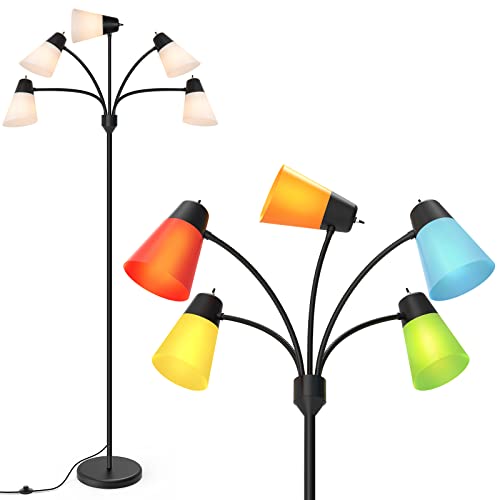
What Is a Candelabra Bulb and Where It Fits Best

What is a candelabra bulb is a question that usually pops up the moment someone tries to replace a slim decorative light and realizes a standard bulb just will not fit. This bulb type is defined by its smaller screw base, often called an E12 base, which is noticeably narrower than common household bulbs. Because of that compact design, it slips neatly into fixtures where elegance matters more than brute brightness. Chandeliers, wall sconces, night lights, and decorative lamps rely on this bulb to keep proportions visually balanced.
At first glance, a candelabra bulb looks almost delicate, and that is part of its charm. It was inspired by the shape of candle flames, which explains why it is so common in traditional chandeliers and classic décor. Still, modern versions have come a long way, offering LED options that last longer and sip energy rather than guzzle it. This means the bulb no longer plays a purely decorative role, but also supports efficiency and longevity in everyday lighting.
Understanding what is a candelabra bulb also helps avoid frustrating buying mistakes. Many fixtures are designed exclusively for this base size, so forcing a larger bulb is not just impossible, it can damage the socket. The wattage is usually lower than standard bulbs, but that does not mean the light is weak. Thanks to modern LED technology, even a small bulb can deliver clear, comfortable illumination without overheating.
Another reason this bulb matters is versatility. It works beautifully in both vintage-inspired spaces and sleek modern interiors. Whether you are lighting a dining room chandelier or adding a soft glow to a hallway sconce, the candelabra bulb blends form and function without stealing the spotlight. It quietly does its job, supporting the fixture rather than overpowering it.
For anyone refreshing home lighting, knowing what is a candelabra bulb brings confidence. It turns guesswork into smart choices and helps match the right bulb to the right fixture the first time. Instead of standing in the aisle scratching your head, you know exactly what to reach for, and that alone feels like a small win.

- LFR Score9.4
LFR Score is a ranking system developed by lightfansreviews.com. LFR Score has no relationship or impact from any manufacturers or sales agent websites. Learn more
- BrandYochoice

- LFR Score9.2
LFR Score is a ranking system developed by lightfansreviews.com. LFR Score has no relationship or impact from any manufacturers or sales agent websites. Learn more
- BrandSailstar

- LFR Score9.2
LFR Score is a ranking system developed by lightfansreviews.com. LFR Score has no relationship or impact from any manufacturers or sales agent websites. Learn more
- BrandFLSNT

- LFR Score9.2
LFR Score is a ranking system developed by lightfansreviews.com. LFR Score has no relationship or impact from any manufacturers or sales agent websites. Learn more
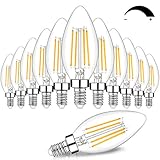
- BrandBrightever
- LFR Score9.2
LFR Score is a ranking system developed by lightfansreviews.com. LFR Score has no relationship or impact from any manufacturers or sales agent websites. Learn more
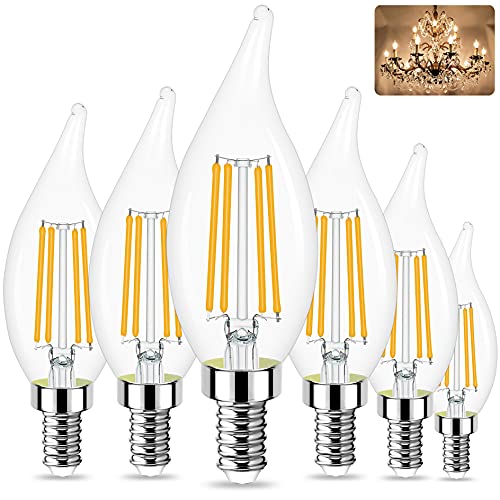
- BrandBesLowe
- LFR Score9.2
LFR Score is a ranking system developed by lightfansreviews.com. LFR Score has no relationship or impact from any manufacturers or sales agent websites. Learn more
- BrandSailstar
- LFR Score9.0
LFR Score is a ranking system developed by lightfansreviews.com. LFR Score has no relationship or impact from any manufacturers or sales agent websites. Learn more
- BrandMAXvolador

- LFR Score8.8
LFR Score is a ranking system developed by lightfansreviews.com. LFR Score has no relationship or impact from any manufacturers or sales agent websites. Learn more
- BrandALIDE
Last update on 2026-05-19 / Affiliate links / Images, Product Titles, and Product Highlights from Amazon Product Advertising API
What Makes a Candelabra Bulb Different From Standard Bulbs
What is a candelabra bulb often becomes a real concern the moment a standard bulb refuses to fit into a decorative fixture. The defining difference lies in the base size, commonly known as the E12 base, which is slimmer than the typical E26 household bulb. This smaller base allows fixtures to maintain graceful proportions instead of looking bulky or awkward. For many homes, that subtle difference changes the entire visual balance of a room.
Beyond size, what is a candelabra bulb also speaks to purpose. These bulbs were designed for fixtures where appearance matters just as much as illumination. Chandeliers, accent lamps, and wall sconces rely on these bulbs to preserve elegance while still providing usable light. Ignoring this distinction often leads to mismatched lighting that feels off even if the brightness seems acceptable.
Another key factor is wattage and heat output. Traditional candelabra bulbs ran at lower wattages, which protected delicate fixtures from overheating. Today’s LED versions push that advantage further by offering lower energy use and cooler operation without sacrificing clarity. This shift has made them practical for daily use, not just decorative roles.
For anyone replacing bulbs regularly, knowing what is a candelabra bulb reduces wasted time and money. It prevents buying bulbs that look right on the shelf but fail at home. That small bit of knowledge turns an annoying chore into a straightforward decision, and that relief alone makes it worth learning.
Why Fixture Compatibility Creates So Much Confusion
One of the most common frustrations tied to what is a candelabra bulb comes from fixture compatibility. Many fixtures are designed exclusively for E12 bases, yet packaging and store displays often blur that detail. Shoppers see a familiar bulb shape and assume it will work anywhere, only to discover otherwise at installation time. That mismatch can feel like a needless headache.
Decorative fixtures amplify this issue because they prioritize style over standardization. Chandeliers, in particular, are engineered around slender bulb bases to maintain visual harmony. Using the wrong bulb can damage sockets or simply refuse to thread properly. This is where understanding base size compatibility becomes more than a technical detail.
The confusion also spills into specialty lighting. Outdoor lanterns, vanity lights, and accent displays may all require candelabra bulbs depending on design. When paired with weather rated fixtures, choosing the correct bulb ensures safety and longevity, especially when browsing guides like outdoor bulbs that highlight compatibility concerns.
Recognizing these compatibility limits makes lighting decisions calmer and more intentional. Instead of guessing, you approach replacements with clarity. That sense of control addresses a common pain point many homeowners quietly share but rarely articulate.
Design, Style, and the Visual Role of Candelabra Bulbs
The design appeal tied to what is a candelabra bulb goes far beyond its size. These bulbs were inspired by candle flames, which is why their silhouettes often feel elegant and timeless. In classic interiors, they reinforce symmetry and softness rather than harsh brightness. This visual restraint keeps fixtures from overpowering the room.
Modern spaces benefit just as much from that restraint. Minimalist designs use candelabra bulbs to add warmth without visual clutter. Clear or frosted finishes can shift the mood from crisp to cozy with a simple swap. That adaptability makes them a favorite in mixed style homes.
Color temperature also plays a role in visual comfort. Warm white tones enhance traditional spaces, while neutral whites suit contemporary layouts. LED versions now offer consistent color output, eliminating the uneven glow older bulbs sometimes produced. This improvement reinforces visual consistency across multi bulb fixtures.
For decorative seasonal lighting, candelabra bulbs appear frequently as well. They are commonly used in festive displays and accent setups, working seamlessly alongside ideas found in holiday lighting guides. That crossover between décor and function explains their lasting popularity.
Brightness, Efficiency, and Modern Performance Expectations
Another layer to what is a candelabra bulb involves performance expectations. Many assume smaller bulbs equal dim lighting, but that is no longer true. LED candelabra bulbs can produce light equivalent to traditional 40 or even 60 watt incandescent bulbs. This shift reshapes how people think about small format lighting.
Efficiency stands out as a major benefit. LEDs consume significantly less energy, often using under 6 watts while delivering strong illumination. Over time, that efficiency translates into noticeable savings, especially in fixtures with multiple bulbs. Reduced heat output also protects delicate materials and wiring.
Lifespan adds another advantage. Modern candelabra LEDs frequently last 15,000 to 25,000 hours under normal use. That longevity reduces maintenance frustration, particularly in hard to reach fixtures like high chandeliers. The combination of energy savings and long life addresses two of the most common homeowner complaints.
This performance reliability builds trust. Once people experience fewer replacements and steadier light, they rarely return to older bulb types. That quiet reliability reinforces the practical value behind what might seem like a purely decorative choice.
Common Buying Mistakes and How to Avoid Them
Missteps around what is a candelabra bulb often happen at the store shelf. Shoppers focus on bulb shape while overlooking base size, leading to incompatible purchases. Packaging can be misleading when multiple base types share similar silhouettes. That oversight fuels unnecessary returns and frustration.
Another mistake involves ignoring fixture limits. Decorative fixtures often specify maximum wattage or bulb type for safety reasons. Exceeding those limits risks overheating or damage. Checking those details before buying protects both the fixture and the home.
Style mismatches also cause regret. Clear bulbs in a fixture designed for diffused light can create glare, while frosted bulbs may dull decorative sparkle. Matching bulb finish to fixture intent ensures the lighting feels intentional rather than accidental. This awareness aligns form with function.
For specialty installations like accent or display lighting, guidance matters even more. Jewelry displays, for example, rely on precise lighting choices discussed in track lighting resources, where bulb selection affects presentation quality. Avoiding these common mistakes turns lighting from a hassle into a satisfying upgrade.
Where Candelabra Bulbs Work Best Inside the Home
What is a candelabra bulb becomes especially clear once you see where it performs best indoors. Chandeliers are the most obvious example, where slim bases keep arms looking refined instead of bulky. Using larger bulbs would visually overpower the fixture and disrupt the room’s balance. This is why designers consistently rely on candelabra bulbs for multi-arm lighting.
Wall sconces are another common spot where these bulbs shine, quite literally. Narrow housings often leave no room for standard bases, making the candelabra format essential. The softer glow produced by many models also helps avoid harsh shadows in hallways and bedrooms. That balance between function and comfort solves a frequent lighting complaint.
Accent and decorative lamps benefit as well. Small table lamps, window lights, and specialty fixtures often call for candelabra bulbs to maintain proportion. When paired with energy-efficient LEDs, these lamps deliver ambiance without wasting power. The result is subtle illumination that feels intentional rather than accidental.
Even plant and décor lighting occasionally overlaps with this bulb type. Certain decorative floor lamps and accent setups use smaller sockets similar in scale, as seen in ideas discussed around led plant lamp solutions. This crossover reinforces how versatile the candelabra format has become in modern interiors.
Outdoor and Specialty Uses That Surprise Many Buyers
Many people do not realize what is a candelabra bulb also matters outdoors. Decorative lanterns, porch lights, and patio fixtures often rely on E12 bases to keep designs elegant. Weather-rated candelabra bulbs now handle moisture and temperature changes far better than older versions. This makes them a practical outdoor choice, not just a stylistic one.
Safety plays a major role in outdoor installations. Using the wrong bulb type can lead to poor sealing, moisture intrusion, or overheating. Matching the correct base and bulb rating protects both the fixture and the electrical system. This attention to detail reduces long-term maintenance issues.
Specialty fixtures like holiday lanterns and seasonal displays also favor candelabra bulbs. Their candle-like glow suits festive aesthetics while modern LEDs ensure durability. This combination solves the old problem of frequent bulb failures during seasonal use. Reliability becomes just as important as appearance.
For anyone troubleshooting lighting issues outside, clarity matters. Knowing the correct bulb type can even simplify diagnostics tied to fixture behavior, similar to how guides like slip indicator troubleshooting emphasize understanding the source before fixing the symptom.
Choosing the Right Candelabra Bulb Without Guesswork
Selecting the right option starts with revisiting what is a candelabra bulb at its core. The E12 base is non-negotiable, but brightness, color temperature, and finish remain flexible. Checking lumens instead of watts provides a clearer sense of output. This shift helps buyers avoid bulbs that look right but feel wrong once installed.
Color temperature deserves careful attention. Warm white bulbs enhance traditional and cozy spaces, while neutral whites suit modern interiors. Mixing temperatures within the same fixture often leads to visual inconsistency. Sticking to one tone preserves harmony across the room.
Finish choices influence glare and mood. Clear bulbs highlight decorative filaments, while frosted options diffuse light more evenly. Choosing the wrong finish can create discomfort, especially in eye-level fixtures. Aligning finish with fixture purpose solves this issue elegantly.
Efficiency rounds out the decision. LED candelabra bulbs reduce energy use and replacement frequency, making them the practical default. That blend of efficiency, comfort, and design fit removes much of the stress from buying decisions.
Long Term Value and Why Small Details Matter
Revisiting what is a candelabra bulb from a long-term perspective reveals its quiet value. Fixtures designed for these bulbs often last decades, and the right bulb choice protects that investment. Fewer replacements mean less wear on sockets and wiring. Over time, that adds up to reliability.
Energy savings accumulate as well. Multi-bulb fixtures amplify the impact of efficient choices. Switching an entire chandelier to LED candelabra bulbs can noticeably reduce electricity use. That benefit continues month after month without additional effort.
Consistency is another overlooked advantage. Using the same bulb type across similar fixtures maintains uniform lighting throughout the home. This cohesion supports both comfort and aesthetics. It also simplifies future replacements.
Ultimately, small decisions shape daily experience. Choosing the correct bulb transforms lighting from a recurring annoyance into a solved problem. That quiet satisfaction is the lasting payoff of knowing what is a candelabra bulb and using it well.

Best Bulb For Exposed Light 2026 That Shines Bright

Best Industrial Light Bulb Reviews: Top Picks for 2026
Best Outdoor Light Bulb Reviews: Top-Rated Picks for 2026
Best LED Reading Light Bulb Reviews - Top Picks for 2026

Best Vintage Light Bulb 2026 With Style And Glow
Best Yellow Fog Light Bulb 2026 For Clearer Night Drives

Best Z Wave Light Bulb 2026 Top Picks For Smart Control
Best Light Bulb For Vanity Mirror 2026 Brightness Boost