Understanding Ceiling Fan Downrods

A ceiling fan downrod is an often overlooked but important component that connects the fan assembly to the ceiling mount. The downrod length determines how far down the fan hangs from the ceiling. Standard sizes range from 3 inches to 18 inches, in 3 inch increments. The right downrod length depends on your ceiling height and desired airflow. Longer downrods position fans lower to maximize air circulation. Shorter rods allow low ceilings. Downrods contain electrical wiring to power ceiling fans. High quality downrods have a sturdy steel construction and feature decorative finishes to complement fan style.
Ceiling fans provide great airflow and style to rooms, but they wouldn't hang properly without the unsung hero - the downrod. This seemingly simple pole actually plays a key role in optimizing fan placement and performance. When installing a ceiling fan or choosing a downrod length, understanding the nuances of downrods is important. With a little know-how, you'll be able to select and adjust downrods for ideal ceiling fan positioning in any room.

- LFR Score10.0
LFR Score is a ranking system developed by lightfansreviews.com. LFR Score has no relationship or impact from any manufacturers or sales agent websites. Learn more
- BrandCasablanca
- LFR Score9.4
LFR Score is a ranking system developed by lightfansreviews.com. LFR Score has no relationship or impact from any manufacturers or sales agent websites. Learn more
- BrandHunter Fan Company
- LFR Score9.4
LFR Score is a ranking system developed by lightfansreviews.com. LFR Score has no relationship or impact from any manufacturers or sales agent websites. Learn more
- BrandHunter
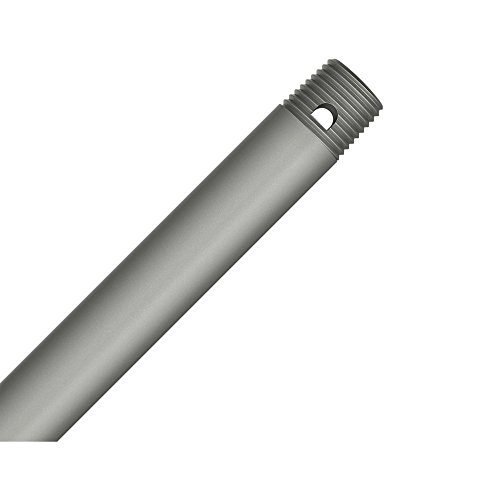
- LFR Score9.4
LFR Score is a ranking system developed by lightfansreviews.com. LFR Score has no relationship or impact from any manufacturers or sales agent websites. Learn more
- BrandHunter Fan Company
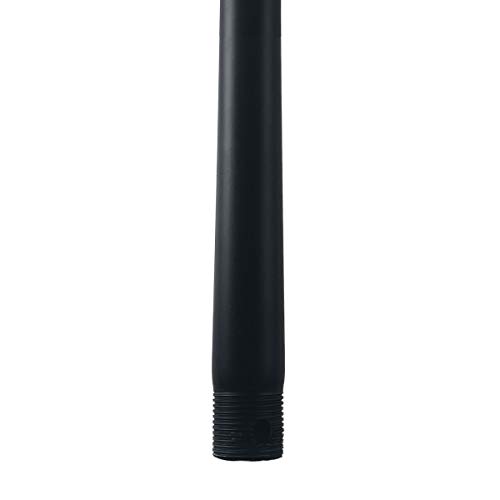
- LFR Score9.2
LFR Score is a ranking system developed by lightfansreviews.com. LFR Score has no relationship or impact from any manufacturers or sales agent websites. Learn more
- BrandModern Forms
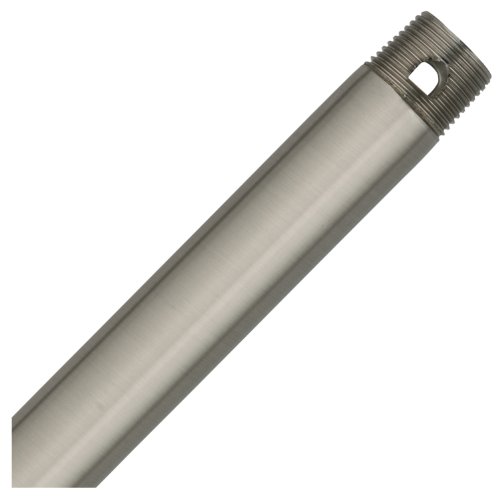
- LFR Score9.2
LFR Score is a ranking system developed by lightfansreviews.com. LFR Score has no relationship or impact from any manufacturers or sales agent websites. Learn more
- BrandHunter Fan Company

- LFR Score9.0
LFR Score is a ranking system developed by lightfansreviews.com. LFR Score has no relationship or impact from any manufacturers or sales agent websites. Learn more
- BrandHARBOR BREEZE

- LFR Score8.4
LFR Score is a ranking system developed by lightfansreviews.com. LFR Score has no relationship or impact from any manufacturers or sales agent websites. Learn more
- BrandXCWIIE
- LFR Score8.2
LFR Score is a ranking system developed by lightfansreviews.com. LFR Score has no relationship or impact from any manufacturers or sales agent websites. Learn more
- BrandHunter Fan Company
Last update on 2023-10-13 / Affiliate links / Images, Product Titles, and Product Highlights from Amazon Product Advertising API
The Essential Role of the Ceiling Fan Downrod
Ceiling fans are a popular choice for cooling and circulating air in homes and offices. But what allows these fixtures to hang down and do their job properly? Enter the unassuming downrod—that pole connecting the fan to the ceiling. While easy to overlook, the downrod plays an integral role in optimizing ceiling fan placement and performance.
With just a basic understanding of what downrods do and how to choose the right size, you can ensure your ceiling fan is positioned for peak functionality. Whether you're picking out a downrod for a new fan or adjusting an existing fixture, getting the length right makes all the difference.
More Than Meets the Eye
At first glance, a downrod may seem like an insignificant part. It's simply a hollow metal pipe that comes with the ceiling fan. But this component has a big impact on how low the fan hangs from the ceiling and how effectively it moves air. The downrod contains the wiring that powers the fan. It also allows you to adjust the drop distance based on your room and preferences.
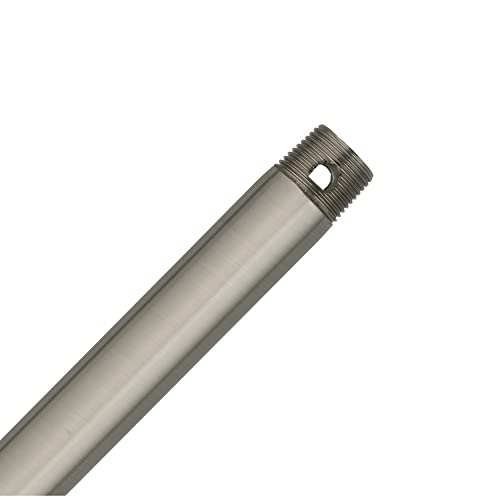
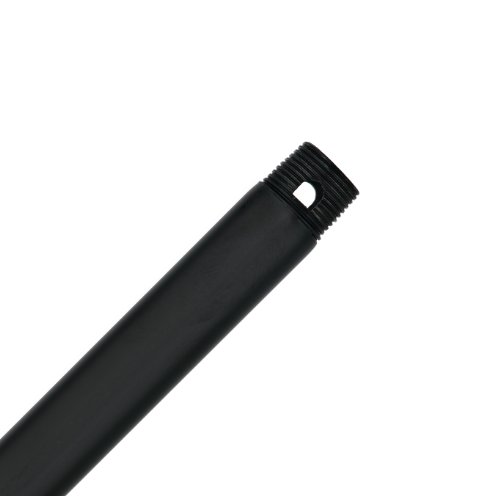
Downrods come in set sizes, usually ranging from 3 inches to 18 inches long. Extensions can provide even more length if needed. The standard diameter is 1/2 inch, designed to fit most ceiling fans' motor assemblies. The most common finishes are brushed nickel, oil rubbed bronze and chrome to match the fan's housing.
By changing the downrod length, you control the placement of the fan blades in relation to the ceiling and floor. This directly impacts the airflow. Aerodynamically, longer downrods allow for better performance. The extra space between the blades and ceiling reduces airflow resistance. More blade clearance from the floor helps circulation reach walls and windows rather than being obstructed by furnishings or people.
In rooms with taller ceilings, an extended downrod prevents a fan from looking oddly spindly or cluttered up against the ceiling. Visually, you want some separation between the fan assembly and ceiling. Overall, the versatile downrod helps optimize both the form and function of ceiling fans. Once you know how to work with them, you can adjust any fan's pole to keep things running smoothly.
Sizing Up Your Options
When selecting a downrod, you’ll notice they come in set length increments. The most common sizes range from 3 inches all the way up to 18 inches, increasing in 3 inch intervals. Having this range of ready-made downrod sizes on hand makes it easy to adjust your ceiling fan's height as needed.
But how do you determine the optimal downrod length for your particular space and fan model? There are a few key factors to take into account:
Doing the Math
First, consider the height of your ceiling. The general rule of thumb is to allow 7-9 feet of clearance between the floor and bottom of the fan blades. This leaves enough space to walk comfortably underneath without ducking or feeling a draft directly on your head. For standard 8 foot ceilings, a 12 inch downrod lets you position the blades safely about 7 feet from the floor. With higher 9 or 10 foot ceilings, you may prefer extending the fan further with a longer 15-18 inch downrod.
Next, factor in the size of the fan itself. Larger blade spans require more downrod length to achieve the recommended blade height and clearance. A 42-inch wide fan needs more drop distance than a smaller 36-inch model.
Finally, assess the proportions of the room. Fans centered in open concept living areas with high ceilings often look best with long downrods. But for smaller spaces like bedrooms, a shorter rod keeps the fan closer to the ceiling and walls, preventing it from feeling oversized.
Doing some quick measuring with a tape measure and calculating the desired blade-to-floor distance will point you toward the best downrod length for each particular fan and room. Test fitting the fan assembly with different sizes is also useful. Let the room itself and intended fan usage guide you. Once installed, the downrod can be swapped out later if you want to reposition the fan higher or lower.
Optimizing Airflow
When it comes to ceiling fan downrods, longer often equals better performance. Extended downrods allow you to position the blades farther from the ceiling, which maximizes airflow efficiency. The extra space gives the blades room to spin and circulate air without obstruction. Studies show fans mounted 18 feet above the floor move up to 20% more air than those installed just 8 feet high.
Why does a long downrod enhance airflow? Physics is at play. Air moves faster farther from surfaces like walls and ceilings. Installing a fan closer to the ceiling increases air resistance and turbulence. The blades end up working harder against these forces rather than smoothly slicing through unimpeded air.
With a longer downrod, the fan blades operate in a sweet spot of open area. Unencumbered by close boundaries, they can build momentum to create a strong yet gentle column of airflow. The breeze flows down to circulate through the whole room without feeling overly blustery right underneath the fan.
The Right Balance
Of course, extremely long downrods also have diminishing returns. There's no need to position fancy ceiling fans dangling precariously close to the floor. The goal is finding the right proportional drop that makes the fan feel comfortably overhead yet still reaches you with a pleasant breeze.
In smaller rooms, a shorter downrod prevents the fan from feeling overly large and dominant. A petite space can even tolerate the fan installed flush to the ceiling with no downrod. Lofty ceilings call for long rods that allow the fan to make a design statement rather than getting lost overhead.
Consider all the factors unique to your room when selecting a downrod. Prioritize flow and function, but don't neglect form. With a range of sizes to choose from, you can easily fine tune a downrod to keep your ceiling fan in the optimal comfort zone.
Safety First
Installing a ceiling fan with a downrod takes a bit of effort, but it's a project an average DIYer can tackle. The process involves basic wiring and mounting work overhead. Taking sensible safety precautions makes the job smooth and hazard-free.
The most important rule is to cut power at the circuit breaker before wiring the fan. Working with live electrical lines can result in nasty shocks or injury. Once the electricity is off, use a sturdy stepladder to access the ceiling junction box. Have a helper stabilze the ladder so you can focus on the fan.
Step-by-Step Installation
Follow these tips for safe, successful downrod fan installation:
- Turn off circuit breaker to fan junction box
- Remove existing light fixture if replacing fan
- Feed wires from ceiling through downrod
- Secure downrod to fan motor housing with set screws
- Lift fan assembly onto ceiling mounting bracket
- Connect wires matching colors - white to white, black to black, ground to ground
- Tuck connected wires into wiring compartment
- Attach fan blades and light kit per instructions
- Restore power and test fan direction. Reverse switch if needed.
- Check all connections are secure and enjoy the breeze!
Taking it slow and easy is the key. Rushing leads to botched wiring and frustration. If the wiring has you spooked, hire an electrician to handle this critical step. They can ensure all connections are handled expertly.
The right downrod takes your ceiling fan from blah to breezy by optimizing the position and performance. With a bit of electrical care, you'll have your fan spinning in the perfect spot in no time. Soon you'll be enjoying the full cooling effects of your well-hung ceiling fan!
Downrod Design Options
Ceiling fan downrods come in a variety of styles to complement different décor and fan models. The most common are hollow steel and solid steel. Hollow rods are lightweight and budget-friendly, but more prone to wobbling. Solid steel downrods have a heavier feel that creates more stability.
Other downrod materials like aluminum and acrylic add visual interest. Aluminum rods are rust-resistant, making them ideal for damp climates and outdoor ceiling fans. Acrylic downrods lend a sleek, modern vibe. Wood downrods work with fans that have vintage or lodge-inspired design elements.
Finish Finesse
Beyond the construction, downrod finishes tie the component to the rest of the fan's look. Most manufacturers offer finishes like brushed nickel, chrome, matte black, and bronze that coordinate with the fan housing and blades. Opting for an oil-rubbed bronze downrod on your antique bronze fan pulls the whole aesthetic together nicely.
Or go for an unexpected pop of color contrast. A glossy white downrod on a black fan adds crispness. A wooden rod with an espresso fan warms up the look. Don't be afraid to use the downrod as an opportunity to customize your fan's style even more.
When ordering a downrod, double check it works with your specific fan's wiring and canopy. The diameter and compatibility varies amongst brands. Most companies sell coordinating downrods to match their fans that take the guesswork out of getting the right fit.
With all the available options, you can easily find a downrod that melds function, proportions, and style for a winning ceiling fan look. Don't forget this essential piece when designing your dream overhead cooling setup.
Shopping for the Perfect Downrod
Finding the right downrod for your ceiling fan is pretty straightforward these days. Home improvement stores like Lowe's and Home Depot have selections of basic downrod sizes and finishes. Amazon and specialty websites like Hansen Wholesale offer the largest variety of lengths, colors, and styles.
Of course, purchasing directly from ceiling fan manufacturers provides the best assurance of compatibility. Brands like Hunter, Westinghouse, and Harbor Breeze sell downrods tailored for their fans' wiring and canopy connections. Minka Aire even offers downrods with decorative details matching their signature fan designs.
While shopping, consider getting an extra downrod or two in varying lengths. Having options allows you to tweak the fan's positioning as needed over time. Extra downrods can also be handy if you move and want to take the fan to a new home with different ceiling heights.
Standard downrods range from $10 on the low end for simple steel rods to $50 for more decorative or weather-resistant versions. Specialty extra-long downrods and extensions cost more. But rest assured the small investment pays off in optimized airflow and placement of your new ceiling fan.
Wrapping Up
Who knew such a basic metal pipe could have such an impact? Don't underestimate the importance of picking the right downrod for hanging your ceiling fan. With a little guidance on available sizes and installation, you can leverage downrods to maximize both the form and function of your ceiling fan.
The next time you're installing a new fan or just want to adjust an existing one, take a fresh look at downrod options. Notice how the length, finish, and style influence the fan's proportions and performance. Experiment with different drops until you find the sweet spot that lets your fan shine.
With the right downrod in place, you can bask in the subtle design statement and cooling breeze from overhead.
Explore further:


Best Small Flush Mount Ceiling Fans 2026 Ultimate Picks

Best Smart Ceiling Fan India 2026 For Effortless Comfort

Best Smart Ceiling Fans with Lights for 2026: Top Picks

Best Smart Home Non Ceiling Fans 2026 For Ultimate Comfort

Best Outdoor Misting Ceiling Fan 2026 For Ultimate Comfort

Best Outdoor Ceiling Fans For Porch 2026 With Style And Breeze

Best Smart Bulb For Ceiling Fan 2026 That Brightens Life
Best Smart Ceiling Fan Control 2026 For Effortless Comfort