What Is a Close Mount Ceiling Fan? Smart Home Fit

What Is a Close Mount Ceiling Fan often pops up right after someone bumps their head on a hanging fan or realizes a room feels cramped no matter how nicely it’s decorated. Tight ceiling clearance changes everything. A bulky downrod fan can make a smaller bedroom, apartment, hallway, or basement feel boxed in fast. That’s where a close mount setup starts making a whole lot more sense.
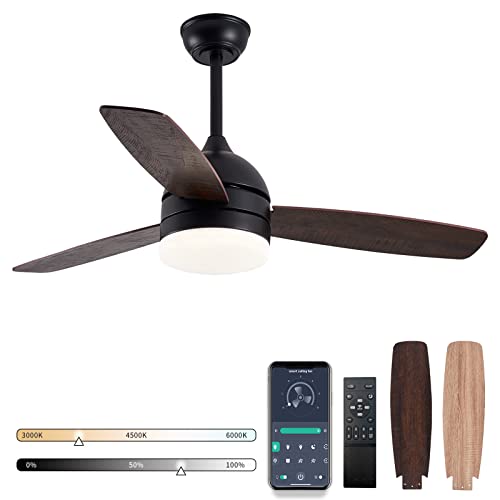
Close mount ceiling fans, sometimes called flush mount or hugger fans, sit directly against the ceiling instead of hanging lower with a downrod. That tighter installation creates extra breathing room without sacrificing steady airflow. Rooms with ceilings around eight feet usually benefit the most because every inch matters. Nobody wants a fan hanging awkwardly low over the bed, couch, or dining table.
Looks matter too, honestly. A dangling fixture can throw off the balance of a room, especially in compact spaces with modern furniture or clean ceiling lines. A low-profile ceiling fan keeps the ceiling visually open while still helping air circulate during sticky summer nights or stuffy afternoons. That subtle difference can make a room feel calmer and less cluttered.
Noise and wobbling frustrations also creep into the conversation more often than people expect. Older hanging fans sometimes shake slightly over time, especially in rooms with constant use. A close mount design usually feels more stable because it’s secured directly to the ceiling bracket. That tighter fit helps reduce movement and creates a cleaner overall appearance.
Airflow concerns? Sure, they come up all the time. Some people assume a fan mounted closer to the ceiling won’t move enough air. But modern flush mount ceiling fans are designed with blade pitch, motor strength, and room size in mind. In smaller or average-sized rooms, they often perform surprisingly well without dominating the space visually.
Style options have come a long way too. Gone are the days of clunky white fans with dull lighting kits. Current designs lean sleek, warm, and practical. Matte black finishes, wood-tone blades, integrated LED lighting, and remote controls now blend easily into modern homes without feeling overly flashy.
Maintenance tends to feel less annoying as well. Dusting a fan that hugs the ceiling can still be a chore, no doubt about it, but many newer models use simplified blade shapes that are easier to wipe clean. Some homeowners also appreciate that close mount fans generally fit better in guest rooms, kids’ rooms, and smaller home offices where space feels tight already.
Separately, if overhead clearance still feels limited after installing a fan, exploring compact ceiling lighting layouts can help balance the room visually without crowding the ceiling further. Small adjustments sometimes change the entire feel of a space.

- LFR Score9.2
LFR Score is a ranking system developed by lightfansreviews.com. LFR Score has no relationship or impact from any manufacturers or sales agent websites. Learn more
- BrandDepuley

- LFR Score9.0
LFR Score is a ranking system developed by lightfansreviews.com. LFR Score has no relationship or impact from any manufacturers or sales agent websites. Learn more
- BrandDINGLILIGHTING

- LFR Score9.0
LFR Score is a ranking system developed by lightfansreviews.com. LFR Score has no relationship or impact from any manufacturers or sales agent websites. Learn more
- BrandFszdorj

- LFR Score9.0
LFR Score is a ranking system developed by lightfansreviews.com. LFR Score has no relationship or impact from any manufacturers or sales agent websites. Learn more
- BrandLEDIARY

- LFR Score8.8
LFR Score is a ranking system developed by lightfansreviews.com. LFR Score has no relationship or impact from any manufacturers or sales agent websites. Learn more
- BrandLEDIARY

- LFR Score8.8
LFR Score is a ranking system developed by lightfansreviews.com. LFR Score has no relationship or impact from any manufacturers or sales agent websites. Learn more
- BrandCurve Curio

- LFR Score8.6
LFR Score is a ranking system developed by lightfansreviews.com. LFR Score has no relationship or impact from any manufacturers or sales agent websites. Learn more
- BrandAmico

- LFR Score8.6
LFR Score is a ranking system developed by lightfansreviews.com. LFR Score has no relationship or impact from any manufacturers or sales agent websites. Learn more
- BrandPassky
Last update on 2026-05-19 / Affiliate links / Images, Product Titles, and Product Highlights from Amazon Product Advertising API
What Is A Close Mount Ceiling Fan
Low ceilings can make a room feel squeezed before the furniture even shows up. A bulky fan hanging too far down only adds to that boxed-in feeling, especially in bedrooms, condos, basements, and older homes with modest ceiling height. That’s why what is a close mount ceiling fan matters more than it sounds at first glance. It’s a ceiling fan designed to sit tight against the ceiling, giving the room better overhead clearance while still moving air where people actually feel it.
Close Mount Fan Basics
A close mount ceiling fan is often called a flush mount fan or hugger fan because the motor housing sits close to the ceiling instead of dropping down on a long rod. That design helps protect precious vertical space in rooms where every inch counts. The fan still uses blades, a motor, and sometimes a light kit, but the overall profile feels cleaner and less intrusive. For a room that already feels low, that smaller drop can make the space feel less crowded.
The biggest reason people choose this style is ceiling clearance. A common safety benchmark keeps fan blades roughly 7 feet above the floor, so a standard downrod fan can feel awkward in an 8-foot room. Close mount designs help keep the blades higher, which reduces the chance of uncomfortable head clearance or visual clutter. Nobody wants to feel like they’re ducking under a ceiling fixture in their own bedroom.
This fan style isn’t just about safety, though. A well-sized low-profile ceiling fan can make a room look more finished because it doesn’t fight the ceiling line. In smaller rooms, tall furniture, raised beds, bunk beds, or low beams can already crowd the view. A close mount fan keeps the ceiling calmer and lets the room breathe a little.
The tradeoff is worth knowing before buying. Because the blades sit closer to the ceiling, some models may move air differently than downrod fans in taller rooms. That doesn’t make them weak, but it does mean room size, blade pitch, and motor strength matter. Picking a random fan just because it looks slim can lead to disappointing airflow.
Why Low Rooms Feel Tricky
Small rooms don’t always need more decor. They often need fewer things hanging in the way. A standard fan with a downrod can visually chop the room in half, especially over a bed, sofa, or dining table. A close mount fan keeps the ceiling plane cleaner, which helps the whole space feel less busy.
Older homes create their own headaches. Many have ceilings around 8 feet, uneven plaster, compact bedrooms, or awkward electrical boxes placed right where a bulky fan would look clumsy. A close mount design helps solve that without forcing a full ceiling remodel. The benefit feels practical right away because airflow improves without adding a dangling fixture.
Basements and converted rooms are another common pain point. Ductwork, beams, and shorter ceiling height can turn a normal fan into a bad fit fast. A flush mount ceiling fan can slide into those spaces with less visual weight and fewer clearance worries. Still, the electrical box must be fan-rated, because a fan creates motion and load that a regular light fixture box may not handle safely.
Lighting can complicate the decision too. Some close mount fans include integrated LED lights, while others skip lighting to stay slimmer. A fan with a deep light bowl may hang lower than expected, so the listed height from ceiling to blade or ceiling to bottom of light matters. To avoid a different pull-chain headache later, fix small control issues early with practical repair guidance like fix ceiling fan light chain before blaming the whole fan setup.
Airflow Without The Head Bump
Air movement depends on more than blade length. A close mount ceiling fan needs the right mix of blade angle, motor power, and room match to feel useful. In a compact bedroom, a 44-inch or 52-inch fan may be enough depending on layout and ceiling height. Bigger isn’t always better, especially if the blades sit too close to walls or furniture.
People often worry that a hugger fan won’t move enough air because it sits near the ceiling. Fair concern. Some cheap low-profile fans do feel underwhelming, especially in warm rooms with poor insulation. Better models use more efficient motors and blade shapes that help create steady circulation instead of a weak breeze that disappears two feet below the blades.
Placement changes the experience. A fan centered in the room usually spreads air more evenly, but rooms with off-center beds, desks, or seating may feel different. A close mount fan over the wrong spot can leave corners stale while blasting one area too hard. That’s why layout deserves attention before choosing a size or blade count.
Outdoor-style thinking helps indoors too. Air needs somewhere to go, not just spin around. Open doors, return vents, window placement, and ceiling shape can affect how the breeze feels. Separately, odd lighting color can make a room feel uncomfortable even if the airflow is fine, so it helps to recognize issues like stale green light when judging the whole room’s comfort.
Close Mount Versus Standard Fans
A standard ceiling fan usually hangs from a downrod, which places the blades lower in the room. That setup works beautifully for tall ceilings because it brings airflow closer to people. A close mount ceiling fan skips that drop and stays near the ceiling, making it better for spaces with limited height. The difference sounds small, but it changes both safety and room feel.
Downrod fans often have stronger airflow in high-ceiling spaces because the blades sit at a more effective height. Close mount fans work best where a downrod would create clearance problems. This is the key difference: standard fans serve height, while close mount fans protect space. Using the wrong style can make a room feel either stuffy or crowded.
Cathedral ceilings tell a different story. A close mount fan usually isn’t the right match for steep or vaulted ceilings because the blades need proper distance and angle to move air evenly. Those rooms often need a downrod, angled mount, or larger fan body. For sloped rooms, compare layouts through ceiling fans for cathedral ceilings so the fan fits the ceiling instead of fighting it.
Style also plays a role. A standard fan can look dramatic in a tall living room, while a close mount fan looks cleaner in a compact bedroom or home office. Neither one wins everywhere. The smarter choice depends on ceiling height, room scale, blade clearance, and how much visual weight the ceiling can handle.
Where Close Mount Fans Make Sense
Bedrooms are one of the easiest places to appreciate a low-profile ceiling fan. Beds already lift people closer to the ceiling, so a hanging fan can feel too present above the mattress. A close mount model keeps the blades higher and helps the room feel more settled. Late at night, that quiet airflow can matter more than a flashy design.
Small apartments benefit for similar reasons. Compact living rooms often combine lounging, dining, working, and storage in one space. A bulky downrod fan can make that ceiling feel crowded fast. A flush mount fan gives air circulation without making the room look like it lost another foot of height.
Kids’ rooms deserve extra care. Bunk beds, loft beds, jumping, toys, and unpredictable movement make clearance a bigger deal. A close mount fan can reduce some risk by keeping the blades higher, but placement still matters. The fan should never sit too close to raised beds or anything a child can climb.
Home offices also make a strong case. A fan that hangs too low can distract during video calls or create flickering shadows across a desk. A close mount design keeps the ceiling clean while helping with air circulation during long work sessions. The best setup feels quiet, stable, and boring in the nicest possible way.
Best Close Mount Ceiling Fan Ideas For Low Ceilings
Rooms with lower ceilings usually expose every bad fixture decision almost immediately. A fan that hangs too low can make a bedroom feel cramped, throw awkward shadows across the walls, or create that annoying sensation that something’s hovering over your head all day. That’s where close mount ceiling fan designs start pulling their weight. They help preserve visual space, improve airflow, and keep smaller rooms from feeling overcrowded.
Blade Size Changes Everything
A fan can look beautiful online and still feel completely wrong once installed. Blade size plays a huge role in how comfortable the airflow feels and how balanced the room looks afterward. A compact guest room may only need a 44-inch fan, while a wider living room might feel stale with anything smaller than 52 inches. Picking a fan strictly based on appearance usually backfires.
Large blades in a tight room can overwhelm the ceiling visually. The fan starts looking bulky even if it technically fits. Smaller blades, though, can struggle to move enough air if the room traps heat during summer afternoons. That’s why room proportions matter just as much as motor specs.
Ceiling shape also changes airflow behavior more than most people expect. Flat ceilings distribute air differently than sloped or tray ceilings. Fans mounted too close to crown molding or beams may lose circulation efficiency because the blades can’t pull air evenly. A little spacing around the blades helps maintain steady airflow instead of uneven pockets of warm air.
Noise becomes easier to notice in low-ceiling rooms too. A weak motor straining against oversized blades may create humming, clicking, or vibration over time. Better close mount fans balance blade pitch, motor torque, and ceiling clearance together instead of relying on oversized blades alone.
Lighting Choices Matter More Than Expected
A close mount fan often doubles as the main light source in bedrooms, offices, and smaller apartments. That creates another balancing act because bulky light kits can ruin the slim profile people wanted in the first place. Integrated LED panels usually keep the fan looking cleaner while spreading light more evenly across the room. Some older bowl-style lights hang surprisingly low once installed.
Color temperature changes the mood fast. Bright daylight LEDs can make a compact room feel cold or harsh at night, especially against white ceilings. Warm white lighting often feels softer and more comfortable in bedrooms or reading areas. That tiny detail changes how the entire ceiling feels once the fan turns on.
Dimmers and remote controls help low-profile fans feel less intrusive too. Nobody enjoys climbing onto furniture to pull chains every evening. Remote systems simplify airflow and lighting adjustments without cluttering the room visually. A minimal ceiling setup tends to feel calmer in smaller spaces.
Some flush mount fans sacrifice lighting strength to maintain a slimmer body. That tradeoff catches people off guard occasionally. Supplemental wall lamps or recessed lighting may still be necessary in darker rooms with limited natural light. The fan should support the room’s comfort instead of carrying every lighting responsibility alone.
Motor Quality And Daily Comfort
A close mount fan gets noticed fast if the motor performs poorly. Weak motors tend to wobble more, create inconsistent airflow, or produce annoying background noise late at night. In smaller rooms, even mild rattling feels amplified because the ceiling sits closer overhead. That’s why motor stability matters just as much as style.
DC motors have become more common in modern low-profile fans because they run quieter and use less electricity. They also tend to offer smoother speed adjustments compared to older AC motors. The difference feels subtle during the day but obvious at night when everything else in the room is quiet. A calmer fan changes sleep quality more than people expect.
Speed control flexibility matters too. Some fans blast air aggressively at lower settings, while others barely move air until the highest speed kicks in. Better close mount fans spread airflow more evenly across multiple settings. That gives the room more usable comfort throughout changing weather.
Motor housing design affects maintenance over time. Dust buildup around vents or poor internal cooling can shorten motor life, especially in humid rooms or apartments with weak ventilation. Fans installed near kitchens may collect grease particles faster than expected, making periodic cleaning more important than most homeowners realize.
Small Bedrooms Need Different Fan Priorities
Bedrooms usually expose bad airflow first. Stuffy air, uneven cooling, and trapped humidity become impossible to ignore during warm nights. A flush mount ceiling fan helps circulate air without hanging awkwardly low above the bed. That extra overhead clearance creates a calmer atmosphere almost instantly.
Visual balance matters in bedrooms too. Large decorative fans with oversized housings can dominate compact spaces and make the ceiling feel heavier. Simpler blade designs often work better because they blend into the room instead of fighting for attention. A cleaner ceiling line helps smaller bedrooms feel more open.
Noise tolerance changes dramatically at bedtime. Tiny clicking sounds that seem harmless during the afternoon suddenly feel irritating at 2 a.m. Fans with balanced blades, stable mounting brackets, and quieter motors tend to feel more relaxing over long-term use. Sleep comfort often depends on those small details.
People comparing fan styles often notice overlap between hugger fans and flush mount models. The wording varies between brands, but the basic concept stays similar. For extra clarity about terminology and ceiling fit, explore hugger style ceiling fan setups that explain how low-profile mounting works across different room types.
Airflow Problems In Workout Spaces
Exercise rooms create a completely different airflow challenge. Body heat rises quickly during workouts, especially in garages, spare rooms, or basement gyms with limited ventilation. A close mount fan helps move stagnant air without lowering the ceiling height even further. Nobody wants weights, resistance bands, or raised arms dangerously close to spinning blades.
Moisture buildup matters more than aesthetics in workout areas. Sweat, humidity, and trapped heat can leave the room feeling heavy fast. Fans with stronger circulation settings and durable blade materials tend to hold up better over time. Cheap particleboard blades sometimes warp in humid spaces, especially near garage doors or poorly insulated walls.
Noise tolerance shifts again in fitness rooms. A slight hum may not matter during cardio sessions, but rattling or vibration during yoga, stretching, or recovery workouts can become distracting quickly. Stable mounting hardware and balanced blades reduce that mechanical distraction. The room feels more comfortable overall when airflow stays smooth and consistent.
Separately, stronger circulation setups can make larger exercise spaces feel less stagnant during intense sessions. Rooms with treadmills, bikes, or weight benches often benefit from layouts built specifically for airflow performance, so comparing ceiling fan for home gym ideas can help narrow down better options for heat-heavy spaces.
Cleaning And Maintenance Stay Overlooked
Dust collects faster than most people realize, especially on fan blades close to the ceiling. Low-profile fans often hide dust buildup better than hanging fans, which sounds nice until the blades start spreading particles around the room. Bedrooms, pet areas, and apartments near busy roads usually need more regular cleaning. A thin gray layer across the blades can affect both appearance and airflow.
Microfiber dusters help, but greasy buildup needs more attention. Kitchens and open-concept apartments expose fans to cooking residue that sticks stubbornly to blades over time. Mild soap and a damp cloth usually work better than harsh cleaners. Aggressive chemicals can damage blade finishes or leave streaks on integrated light covers.
Loose screws should never get ignored. Even a slight wobble can place extra strain on the mounting bracket and motor assembly. Tightening blade screws and checking mounting stability once or twice a year helps prevent bigger problems later. Small maintenance habits protect motor longevity and improve overall comfort.
Remote batteries, pull chains, and light modules deserve occasional attention too. A fan may seem broken when the real problem is simply weak batteries or a disconnected receiver. Troubleshooting the simple stuff first saves money and avoids unnecessary replacement frustration.
Style Trends That Actually Age Well
Some ceiling fans look trendy for six months and outdated right after. Close mount fans with simple finishes usually age better because they blend naturally into changing room styles. Matte black, brushed nickel, soft white, and natural wood tones tend to stay flexible even as furniture changes around them. Loud decorative patterns can lock the room into a specific look fast.
Blade shape changes the personality of the fan more than people expect. Curved blades often feel more modern, while straight wooden blades lean warmer and softer. Compact rooms usually benefit from cleaner lines because the ceiling already feels visually close. Busy fan designs can overwhelm smaller spaces without adding much practical value.
Integrated lighting also affects style longevity. Large frosted domes sometimes feel dated over time, while flatter LED panels keep the fan profile cleaner. Slimmer fixtures also help maintain that important open ceiling feel low-profile rooms need. A ceiling should feel supportive, not crowded.
Color coordination matters quietly in the background too. Matching blade tones with flooring, trim, or furniture helps the fan feel intentional instead of randomly installed. The goal isn’t perfection. The room just feels calmer when the ceiling fixture belongs naturally within the space instead of pulling attention upward constantly.


Best Small Flush Mount Ceiling Fans 2026 Ultimate Picks

Best Smart Ceiling Fan India 2026 For Effortless Comfort

Best Smart Ceiling Fans with Lights for 2026: Top Picks

Best Smart Home Non Ceiling Fans 2026 For Ultimate Comfort

Best Outdoor Misting Ceiling Fan 2026 For Ultimate Comfort

Best Outdoor Ceiling Fans For Porch 2026 With Style And Breeze

Best Smart Bulb For Ceiling Fan 2026 That Brightens Life
Best Smart Ceiling Fan Control 2026 For Effortless Comfort