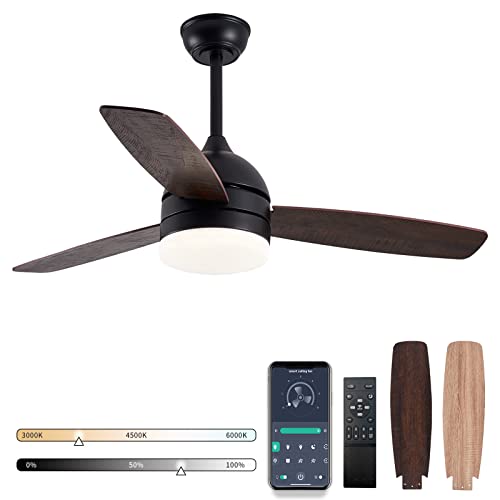
What Is a Flush Mount Ceiling Fan and Why It Fits

What Is a Flush Mount Ceiling Fan often pops up right after someone bumps into a hanging fan blade or realizes their ceiling feels way too close for a standard fixture. Tight overhead space changes everything. A bulky fan can make a room feel cramped fast, especially in apartments, basements, guest rooms, or older homes with lower ceiling heights. Flush mount models sit snug against the ceiling, helping the room feel more open while still keeping air moving comfortably.
Low ceilings create a frustrating balancing act. Nobody wants a room that feels stuffy, yet oversized hanging fixtures can look awkward or even become a safety concern. That’s where flush mount ceiling fans step in quietly and do their job without demanding attention. Their compact profile blends naturally into bedrooms, small living rooms, home offices, and narrow spaces where every inch overhead matters. The cleaner look also works nicely with minimalist interiors or modern renovations that avoid visual clutter.
Air circulation matters more than many people expect. Rooms with stagnant airflow tend to trap heat, humidity, and odors, making the space feel uncomfortable even when the temperature setting looks fine. A flush mount ceiling fan helps circulate air evenly without dominating the room visually. Some designs even include integrated lighting, which cuts down on the need for separate ceiling fixtures and keeps everything streamlined. That small design shift can make compact rooms feel surprisingly balanced.
Style plays a bigger role than people admit. Hanging fans sometimes overpower a room, especially in spaces with shorter walls or compact furniture layouts. Flush mount options usually carry a more subtle appearance, so they don’t steal attention from decor, shelving, or architectural details. Matte black finishes, wood-tone blades, and soft integrated lighting give these fans a polished look without trying too hard. Honestly, they fit into spaces the way a well-tailored jacket fits a wardrobe. Quietly useful, easy to live with, and rarely out of place.
Maintenance frustrations also push many homeowners toward flush mount ceiling fans. Longer downrods collect dust quickly and often wobble over time if installation isn’t perfectly balanced. Flush mount models reduce that issue by sitting closer to the ceiling with a tighter connection point. Cleaning becomes simpler too, especially in smaller rooms where ladders barely fit comfortably. Nobody enjoys dragging out tools every few months just to tighten a noisy fan.
Energy efficiency slips into the conversation sooner or later. Running air conditioning nonstop gets expensive, particularly during warmer months when airflow becomes essential. A well-sized flush mount ceiling fan helps rooms feel cooler by circulating air consistently, allowing thermostat settings to stay slightly higher without sacrificing comfort. That little adjustment can ease energy usage over time without making the room feel stale or overheated. Small upgrades sometimes pull more weight than flashy remodels.

- LFR Score9.2
LFR Score is a ranking system developed by lightfansreviews.com. LFR Score has no relationship or impact from any manufacturers or sales agent websites. Learn more
- BrandPhylluz

- LFR Score9.2
LFR Score is a ranking system developed by lightfansreviews.com. LFR Score has no relationship or impact from any manufacturers or sales agent websites. Learn more
- BrandDepuley

- LFR Score9.0
LFR Score is a ranking system developed by lightfansreviews.com. LFR Score has no relationship or impact from any manufacturers or sales agent websites. Learn more
- BrandDINGLILIGHTING
- LFR Score9.0
LFR Score is a ranking system developed by lightfansreviews.com. LFR Score has no relationship or impact from any manufacturers or sales agent websites. Learn more
- BrandAsyko

- LFR Score9.0
LFR Score is a ranking system developed by lightfansreviews.com. LFR Score has no relationship or impact from any manufacturers or sales agent websites. Learn more
- BrandZMISHIBO

- LFR Score9.0
LFR Score is a ranking system developed by lightfansreviews.com. LFR Score has no relationship or impact from any manufacturers or sales agent websites. Learn more
- BrandLEDIARY
- LFR Score8.8
LFR Score is a ranking system developed by lightfansreviews.com. LFR Score has no relationship or impact from any manufacturers or sales agent websites. Learn more
- Brandaddlon

- LFR Score8.8
LFR Score is a ranking system developed by lightfansreviews.com. LFR Score has no relationship or impact from any manufacturers or sales agent websites. Learn more
- BrandDalouguan

- LFR Score8.8
LFR Score is a ranking system developed by lightfansreviews.com. LFR Score has no relationship or impact from any manufacturers or sales agent websites. Learn more
- BrandCurve Curio

- LFR Score8.6
LFR Score is a ranking system developed by lightfansreviews.com. LFR Score has no relationship or impact from any manufacturers or sales agent websites. Learn more
- BrandPassky

- LFR Score8.6
LFR Score is a ranking system developed by lightfansreviews.com. LFR Score has no relationship or impact from any manufacturers or sales agent websites. Learn more
- BrandAmico
Last update on 2026-05-19 / Affiliate links / Images, Product Titles, and Product Highlights from Amazon Product Advertising API
What Is A Flush Mount Ceiling Fan
A low ceiling can make a room feel tight before the furniture even arrives. Add a hanging fan with a long downrod, and suddenly the space feels awkward, crowded, and a little unsafe. That’s why what is a flush mount ceiling fan matters for rooms where headroom, airflow, and clean design all have to work together. This fan style mounts close to the ceiling, keeping the blades higher while still moving air through bedrooms, small living rooms, offices, kitchens, and finished basements.
Flush Mount Fan Basics
A flush mount ceiling fan is a ceiling fan designed to sit directly against the ceiling without a long downrod. The motor housing stays close to the surface, so the fan takes up less vertical space than a standard hanging model. That tighter fit helps preserve overhead clearance, which can make a room feel less cramped. It’s a practical choice, not a fancy trick.
The design is often called a low profile ceiling fan or a hugger fan. Those names point to the same basic idea: the fan “hugs” the ceiling instead of dropping far into the room. This matters in spaces where a few extra inches can change how comfortable the room feels. A fan that hangs too low can make people duck without even thinking about it.
Standard ceiling fans usually need more vertical room because the downrod helps position the blades lower for airflow. Flush mount models trade some of that drop for a more compact profile. That tradeoff is worth it in rooms with lower ceiling height, especially where comfort and safety matter as much as air movement. The goal is simple: keep air circulating without making the ceiling feel like it’s closing in.
Many flush mount fans include lights, remote controls, reversible motors, or damp-rated builds for covered outdoor areas. Still, the main feature is the close-to-ceiling installation. A built-in light can help simplify a room that already has too many fixtures competing for attention. For a kitchen setup, compare airflow and lighting needs with best light bulbs kitchen ceiling fan so the fan doesn’t solve one problem while creating another.
Why Low Ceilings Need A Different Fan
Ceiling height sets the rules before style even enters the room. A fan with too much drop can feel distracting, even if it looks nice online. The bigger concern is safe blade clearance, especially in rooms where people walk directly under the fan. Nobody wants to think about fan blades while stretching, changing clothes, or carrying a laundry basket.
A flush mount fan helps keep the blades closer to the ceiling, which leaves more open space below. That makes the room feel calmer and easier to move through. The benefit is especially noticeable in older homes, apartments, and finished basements where ceilings often sit lower than expected. A standard fan may technically fit, but fitting and feeling right aren’t the same thing.
Airflow still matters, of course. A room with poor circulation can feel sticky, stale, or unevenly warm. The trick is choosing a properly sized flush mount fan instead of grabbing the smallest one and hoping for the best. Blade span, motor strength, room size, and ceiling height all work together, and ignoring one of them can lead to weak performance.
Low ceilings also make visual clutter more obvious. A long downrod, bulky light kit, and oversized blades can crowd the room fast. Flush mount designs help keep the ceiling line cleaner, which works well with compact furniture layouts and smaller windows. The result feels more intentional, even if the real reason was simply avoiding a fan that hangs too low.
Airflow Tradeoffs To Know
A flush mount ceiling fan can move air well, but it doesn’t always perform exactly like a fan with a downrod. Standard fans often get better air movement because the blades sit lower and have more open space around them. Flush mount models sit closer to the ceiling, so airflow can feel slightly more contained. That doesn’t make them bad; it just means selection matters.
Blade pitch plays a major role in how much air the fan can push. A flatter blade may spin without moving much air, which leads to that annoying “fan is on, but nothing feels different” problem. A stronger motor and thoughtful blade angle can help offset the close ceiling position. Look for balanced airflow rather than judging the fan only by appearance.
Room size can’t be ignored either. A tiny fan in a medium room may look neat but leave corners feeling warm. A fan that’s too large can dominate the ceiling and create uncomfortable airflow in a small bedroom. The sweet spot depends on blade span, motor design, and room layout, not just the fan’s label.
Noise deserves attention too. Low-profile fans sit close to the ceiling, and poor installation can make vibration easier to notice. A secure mounting bracket, balanced blades, and a stable ceiling box all help reduce wobble. For nearby lighting repairs that also affect ceiling comfort, use what light bulb filaments are made of to make smarter choices around heat, brightness, and bulb behavior.
Best Rooms For Flush Mount Fans
Bedrooms are one of the strongest fits for flush mount ceiling fans. Lower ceilings, quiet comfort, and nighttime airflow all matter in a sleeping space. A bulky hanging fan can feel too close while lying in bed, especially in smaller rooms. A low-profile fan keeps the air moving without making the ceiling feel heavy.
Home offices also benefit from this style. Stuffy air can make a workday feel longer than it needs to be, but a loud or oversized fan becomes distracting fast. A compact fan with a quiet motor can keep the room comfortable during long calls or focused tasks. The best setup feels almost invisible because comfort improves without stealing attention.
Finished basements can be tricky because ceiling height often drops around beams, ducts, or recessed lighting. A flush mount fan gives those rooms better circulation without creating a headroom problem. Dampness and trapped air can make basement spaces feel stale, so steady air movement helps. Still, a fan won’t fix moisture issues by itself, and that’s a real limitation worth noting.
Kitchens and breakfast nooks can work too, but placement needs care. A fan near cooking steam, grease, or low cabinets may need more cleaning than one in a bedroom. Smaller kitchens can benefit from airflow, yet the fan should not interfere with lighting or cabinet doors. For other home light replacements that demand careful access, use how to replace fog light as a practical reminder that tight spaces often need the right method, not brute force.
Style And Lighting Choices
A flush mount ceiling fan doesn’t have to look plain. Many newer designs use slimmer housings, clean blade shapes, and finishes that blend into modern rooms. Matte black, brushed nickel, white, and natural wood tones all create different moods. The right finish can make the fan feel like part of the room instead of an afterthought.
Lighting changes the whole personality of the fan. Integrated LED lights keep the profile clean, while bulb-based light kits may offer easier replacement later. The tradeoff is simple: integrated lights often look sleeker, but repairs can be more annoying if the light module fails. A fan with soft, practical lighting usually works better than one that blasts the room with harsh brightness.
Blade color matters more than people expect. Dark blades can add contrast, but they may feel heavy in a tiny room with low ceilings. White blades often disappear visually, which helps the ceiling feel taller. Wood-tone blades bring warmth, especially in rooms with simple furniture and neutral walls.
Remote controls and wall controls add convenience, but they should match the room’s routine. A remote is handy in bedrooms, while a wall control may make more sense in kitchens or shared spaces. Pull chains can work, though they sometimes look dated and may hang lower than desired. Small details like that can affect both daily comfort and the overall feel of the room.
Installation Details That Matter
A flush mount fan needs a ceiling box rated for fan support. A regular light fixture box may not safely hold the weight and motion of a spinning fan. That’s not a corner worth cutting. Secure mounting protects the fan, the ceiling, and everyone walking beneath it.
The ceiling surface should also be checked before installation. Uneven drywall, old plaster, or a weak mounting point can cause vibration. Even a good fan can wobble if the base isn’t stable. A careful install gives the motor and blades a better chance to run quietly.
Wiring needs attention, especially with fans that include lights, remotes, or smart controls. Some rooms have separate wall switches for fan and light control, while others only have one switch. That difference affects how the fan operates every day. A neat-looking fan can become frustrating fast if the controls don’t match how the room is used.
Blade clearance from walls and furniture matters too. A flush mount fan saves vertical space, but it still needs enough horizontal room to move air safely. Crowding the blades near tall cabinets, bunk beds, or shelving can reduce comfort and create awkward airflow. Good placement makes low-profile design feel effortless instead of compromised.
Best Flush Mount Ceiling Fan Features For Small Rooms
Some rooms feel warm no matter how many windows stay open. Air gets trapped near the ceiling, corners stay stuffy, and bulky fixtures only make the space feel tighter. That’s where flush mount ceiling fan features start making a real difference instead of just filling ceiling space. A low-profile setup can improve comfort, airflow, and visual balance without turning the room into a maze of hanging hardware.
Motor Quality Changes Everything
The motor decides whether the fan becomes a quiet everyday helper or a noisy headache. Weak motors often create humming sounds, uneven spinning, or annoying vibration after a few months. A stronger motor keeps the blades moving steadily while reducing unnecessary noise. That matters a lot in bedrooms, offices, and reading corners where quiet airflow feels far more relaxing.
DC motors have become more common in newer flush mount fans because they use less energy and usually operate more quietly. They also allow smoother speed control, which helps avoid that sudden “too fast or too slow” frustration. AC motors still appear in plenty of models, though, and many hold up well over time if properly installed. The better choice often depends on budget and room usage instead of marketing buzzwords.
Heat buildup can shorten a fan’s lifespan, especially in rooms with poor ventilation. A poorly ventilated ceiling area may trap warmth around the motor housing, which can affect performance over time. Fans with well-vented motor casings tend to handle longer daily use more comfortably. That detail rarely appears in flashy ads, yet it matters in rooms where the fan runs for hours every day.
Smaller spaces sometimes benefit from secondary airflow tools too. A desktop setup near a workspace or gaming area may still need focused circulation beyond the ceiling fan itself. For compact cooling options that fit tighter setups, explore best small fan desk ideas that pair nicely with low-profile ceiling airflow.
Blade Design Affects Daily Comfort
Blade shape changes airflow more than most people realize. Thin decorative blades may look sleek, yet some barely push enough air to matter in warmer weather. A slightly steeper blade pitch usually improves circulation because it grabs more air during rotation. That balance between air movement and motor strain plays a huge role in long-term comfort.
Blade length also matters in smaller rooms. Oversized blades can overpower compact spaces and create airflow that feels harsh instead of comfortable. Tiny blades may leave warm spots around the edges of the room, especially near closets or windows. The best flush mount fans balance room dimensions without forcing the fan to dominate the ceiling visually.
Material choices bring tradeoffs too. Solid wood blades often look warm and natural, but humidity may affect them over time in damp spaces. ABS plastic blades resist moisture better and usually require less maintenance. Metal blades can move strong airflow, though they sometimes create more noticeable sound in quiet rooms.
Cleaning shouldn’t become a weekly annoyance either. Blades with deep grooves or heavily textured finishes tend to collect dust faster. Flush mount fans already sit closer to the ceiling, so reaching awkward blade surfaces becomes even more frustrating. Smooth finishes and slightly curved edges help reduce visible buildup while keeping maintenance simpler.
Lighting Can Help Or Hurt The Room
Lighting changes the personality of a room almost instantly. A flush mount fan with harsh lighting can make a bedroom feel sterile or make a small office feel overly bright late at night. Softer lighting usually creates a calmer atmosphere, especially in rooms where relaxation matters. A balanced setup should improve both visibility and comfort without overwhelming the space.
Integrated LED lights often keep the fan looking cleaner because they avoid bulky glass shades. They also tend to use less electricity while producing less heat than older bulb systems. The downside appears later if the LED module fails and replacement parts become harder to locate. Replaceable bulbs offer easier long-term maintenance, though the fixture may appear slightly bulkier.
Color temperature deserves more attention than people expect. Cool white lighting can feel too sharp in bedrooms or living spaces, while warmer tones usually feel more inviting. Kitchens and task-heavy areas may benefit from brighter white lighting for visibility. The trick is matching the fan’s lighting style to how the room actually gets used day after day.
Ceiling height affects lighting spread too. A flush mount fan sits close to the ceiling, so poorly designed light kits may create awkward shadows around the room. Wider diffusers and balanced light distribution usually feel more natural. Small design differences like that often separate a fan that feels pleasant from one that becomes quietly irritating over time.
Remote Controls And Smart Features
Getting out of bed just to change fan speed gets old fast. Remote controls solve that problem, especially in bedrooms where comfort changes through the night. A simple remote with clear buttons often feels better than overloaded systems packed with features nobody touches. Practical convenience matters more than gimmicks.
Smart controls can help in homes already using voice assistants or automation systems. Being able to adjust fan speed through an app sounds small until the room starts heating up during the afternoon. Scheduled settings also help reduce wasted energy by shutting the fan off automatically. Still, not every smart fan feels intuitive, and some apps become frustrating quickly.
Wall controls remain one of the most reliable setups for shared spaces. They’re easy for guests to understand and don’t disappear into couch cushions. Some flush mount fans include both wall controls and remotes, which adds flexibility without complicating daily use. That combination usually works well in family rooms or multi-purpose spaces.
Signal reliability matters more than fancy branding. Weak remotes or laggy apps can turn a simple comfort upgrade into a daily irritation. Fans with responsive controls tend to feel smoother and easier to live with over time. A good fan disappears into the routine while quietly supporting consistent comfort.
Garage Gyms And Tougher Spaces
Garage gyms create a completely different airflow challenge. Heat builds fast, especially with rubber flooring, closed doors, and limited insulation. A standard indoor fan may struggle in that environment because the room traps warmth and moisture differently than a bedroom or office. A stronger flush mount fan can help improve air circulation during workouts without hanging too low overhead.
Ceiling height becomes especially important in workout spaces. Jump ropes, stretching, overhead presses, and pull-up bars all compete for vertical room. A flush mount design helps reduce the chance of interference while keeping airflow moving across the workout area. That extra overhead clearance matters more than people expect once movement starts getting intense.
Dust and humidity also become bigger concerns in garages. Fans built with sealed motors or damp-rated components tend to hold up better over time in rougher conditions. Open garages may expose the fan to seasonal moisture swings, pollen, or temperature extremes. Durable finishes and stable blade materials help maintain consistent performance despite those conditions.
Workout spaces sometimes need more aggressive airflow than a standard bedroom setup. Larger blade spans and stronger motors can help move air more effectively across mats, benches, and cardio equipment. For setups focused heavily on exercise comfort, compare airflow layouts with best ceiling fan garage gym ideas that fit active spaces more naturally.
Mistakes That Cause Regret Later
Buying the wrong size fan creates problems almost immediately. A fan that’s too small struggles to move air evenly, while oversized blades can overwhelm compact rooms visually and physically. Many people focus only on style and ignore blade span or room measurements. That shortcut often leads to disappointment once the fan starts running daily.
Ignoring ceiling height recommendations can also create safety issues. Flush mount fans help with lower ceilings, but they still need enough blade clearance from the floor. Crowding a fan too close to bunk beds, loft spaces, or tall furniture can create awkward airflow and reduce comfort. Safe placement matters just as much as fan quality.
Cheap mounting hardware becomes another common problem. Loose brackets, weak ceiling boxes, or rushed installation can cause wobbling and noise even with decent fans. A fan spinning overhead shouldn’t feel unstable or shaky. Secure installation protects both the fixture and the room itself.
Looks alone don’t guarantee satisfaction. Some fans photograph beautifully online yet struggle with airflow, noisy motors, or difficult controls. A better approach balances performance, room size, maintenance needs, and ceiling clearance instead of chasing trends. Practical comfort lasts longer than a flashy finish that stops feeling exciting after two weeks.


Best Small Flush Mount Ceiling Fans 2026 Ultimate Picks

Best Smart Ceiling Fan India 2026 For Effortless Comfort

Best Smart Ceiling Fans with Lights for 2026: Top Picks

Best Smart Home Non Ceiling Fans 2026 For Ultimate Comfort

Best Outdoor Misting Ceiling Fan 2026 For Ultimate Comfort

Best Outdoor Ceiling Fans For Porch 2026 With Style And Breeze

Best Smart Bulb For Ceiling Fan 2026 That Brightens Life
Best Smart Ceiling Fan Control 2026 For Effortless Comfort