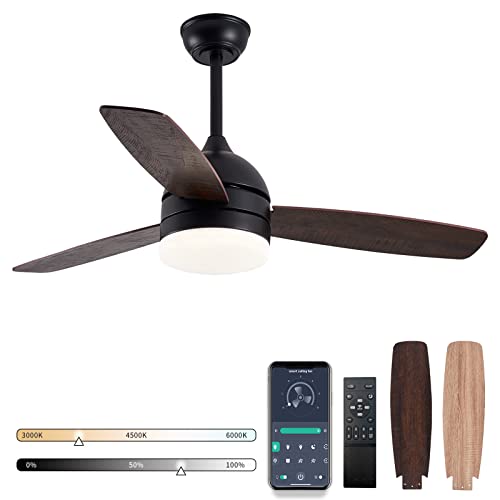
What Is a Good Airflow for a Ceiling Fan?

What Is a Good Airflow for a Ceiling Fan sounds simple at first, yet plenty of people end up scratching their heads after buying a fan that barely stirs the air. A sleek design and fancy remote won’t mean much if the room still feels stuffy halfway through the afternoon. Airflow, usually measured in CFM, changes everything from comfort levels to how often the AC kicks on. A weak fan can leave hot spots around the room, while an overly aggressive one may create annoying drafts and constant noise.
Ceiling fan airflow isn’t only about raw power. Room size, ceiling height, blade pitch, motor quality, and even furniture placement all play a role. A compact bedroom often feels comfortable with moderate airflow, while larger living rooms usually need stronger circulation to avoid dead air pockets. Oddly enough, some oversized fans still perform poorly because their blade design focuses more on appearance than actual movement of air. That’s where people often get tripped up.
Good airflow usually lands in the sweet spot where the room feels cooler without sounding like a helicopter hovering overhead. Fans in the 4,000 to 6,000 CFM range tend to work well for everyday residential spaces, though bigger rooms may benefit from higher output. Smaller rooms can feel uncomfortable with excessive airflow, especially during cooler months. So yeah, bigger numbers don’t automatically equal better comfort.
Noise becomes another sticking point people don’t think about until after installation. Some fans push impressive airflow numbers but create humming, wobbling, or blade clicking that gets old real fast. A balanced fan with efficient blade spacing often feels far more pleasant than one that simply brute-forces air movement. Smooth airflow matters more than aggressive airflow in spaces where people relax, sleep, or watch TV.
Energy costs sneak into the conversation too. Efficient ceiling fans help reduce reliance on air conditioning by improving circulation and helping rooms feel cooler at higher thermostat settings. A well-designed fan with solid airflow can trim down cooling costs without turning the home into a wind tunnel. Also, modern DC motor fans tend to deliver stronger airflow while using less electricity compared to older AC motor models.
Seasonal comfort changes the equation as well. During summer, stronger downward airflow creates the wind-chill effect people actually notice on their skin. Winter flips things around by using lower-speed reverse settings to help redistribute trapped warm air near the ceiling. A ceiling fan with flexible airflow control becomes far more useful year-round instead of serving one purpose for only a few months.
Style still matters, sure, but practical airflow performance carries more weight once daily use kicks in. Nobody wants a beautiful fan hanging overhead that barely moves air during humid evenings. What Is a Good Airflow for a Ceiling Fan ultimately comes down to balancing comfort, efficiency, room size, and realistic expectations. The right airflow should feel natural, steady, and comfortable instead of overpowering or barely noticeable.

- LFR Score9.4
LFR Score is a ranking system developed by lightfansreviews.com. LFR Score has no relationship or impact from any manufacturers or sales agent websites. Learn more
- BrandZMISHIBO

- LFR Score9.2
LFR Score is a ranking system developed by lightfansreviews.com. LFR Score has no relationship or impact from any manufacturers or sales agent websites. Learn more
- BrandFancyMay

- LFR Score9.0
LFR Score is a ranking system developed by lightfansreviews.com. LFR Score has no relationship or impact from any manufacturers or sales agent websites. Learn more
- BrandFszdorj

- LFR Score9.0
LFR Score is a ranking system developed by lightfansreviews.com. LFR Score has no relationship or impact from any manufacturers or sales agent websites. Learn more
- BrandFanliving

- LFR Score8.8
LFR Score is a ranking system developed by lightfansreviews.com. LFR Score has no relationship or impact from any manufacturers or sales agent websites. Learn more
- BrandRoomratv

- LFR Score8.8
LFR Score is a ranking system developed by lightfansreviews.com. LFR Score has no relationship or impact from any manufacturers or sales agent websites. Learn more
- BrandBell+Howell

- LFR Score8.8
LFR Score is a ranking system developed by lightfansreviews.com. LFR Score has no relationship or impact from any manufacturers or sales agent websites. Learn more
- BrandSPEVCH

- LFR Score8.6
LFR Score is a ranking system developed by lightfansreviews.com. LFR Score has no relationship or impact from any manufacturers or sales agent websites. Learn more
- BrandAmico
- LFR Score7.2
LFR Score is a ranking system developed by lightfansreviews.com. LFR Score has no relationship or impact from any manufacturers or sales agent websites. Learn more
- BrandLTNIASL
Last update on 2026-05-19 / Affiliate links / Images, Product Titles, and Product Highlights from Amazon Product Advertising API
What Is A Good Airflow For A Ceiling Fan
A room can look finished, clean, and nicely styled, yet still feel sticky if the air just sits there. That awkward gap between a spinning fan and a comfortable room is exactly why what is a good airflow for a ceiling fan matters more than blade color, remote buttons, or fancy trim. Airflow decides whether the fan creates a steady breeze, a weak flutter, or an annoying blast that makes papers fly off the coffee table.
Airflow Numbers That Feel Right
Good ceiling fan airflow is usually measured in CFM, which means cubic feet per minute. That number tells you how much air the fan moves, not how stylish it looks or how big the motor housing appears. A small bedroom may feel fine with moderate airflow, while a large living room needs more movement to keep warm pockets from hanging around. The sweet spot depends on room size, ceiling height, and how the space is used every day.
For many average rooms, airflow around 4,000 to 6,000 CFM feels comfortable without getting too aggressive. Smaller rooms can feel drafty if the fan pushes too much air, especially over a bed or desk. Larger rooms may need higher CFM because the breeze has to travel farther before anyone feels it. So, bigger isn’t always better, but too little airflow becomes a headache fast.
Blade span plays a big role, but it doesn’t tell the whole story. A 52-inch fan with poor blade pitch can move less air than a smaller fan with a stronger motor and smarter blade shape. That’s why checking the CFM rating saves you from buying a fan that looks bold but feels lazy. A reliable fan should create steady circulation, not just spin for show.
Noise also changes how good airflow feels. A fan that moves plenty of air but hums all night can drive people up the wall. Quiet airflow matters in bedrooms, offices, nurseries, and living rooms where comfort needs to stay in the background. The best setup gives you a noticeable breeze without making the fan the loudest thing in the room.
Room Size Changes The Answer
Room size is the first practical filter for judging airflow. A compact bedroom doesn’t need the same push as an open living area with vaulted ceilings. Too much airflow in a tight space can feel sharp and chilly instead of refreshing. Too little airflow in a wide room leaves corners stale, especially during humid afternoons.
A bedroom around 100 to 150 square feet often feels balanced with a fan that provides moderate CFM and several speed settings. The goal is comfort while sleeping, not a strong wind tunnel over the mattress. A living room or family room usually benefits from stronger airflow because people sit in different spots. Even air movement keeps the whole room from feeling split into cool and warm zones.
Open-concept spaces need extra thought because air doesn’t stay neatly inside one square box. Kitchens, dining areas, and sitting spaces can share airflow, but furniture and walls still interrupt movement. A single fan may not cover every corner if the layout stretches too far. In that case, fan placement matters just as much as the CFM rating.
Ceiling height changes the feel too. Standard eight-foot ceilings usually bring airflow close enough to the body quickly. Higher ceilings need stronger output or the right downrod length so the fan isn’t just stirring air far above everyone’s head. For safer cleanup around dusty blades before measuring or adjusting placement, reduce hassle with a vacuum cleaner for ceiling fans so airflow doesn’t carry dust across the room afterward.
CFM Is Useful But Not Everything
CFM gives you a helpful starting point, but it’s not the whole comfort story. Two fans can list similar airflow numbers yet feel completely different in real use. Blade pitch, motor design, speed control, and installation height all affect how air reaches the people below. A good fan turns rated airflow into smooth, usable comfort.
Blade pitch deserves more attention than it gets. Flatter blades may spin quickly but move less air, which feels disappointing after installation. Steeper blades can grab more air, though they need a motor strong enough to handle the drag. The best balance creates controlled airflow instead of noisy spinning with weak results.
Motor quality matters because airflow drops when the motor struggles. Older or cheaply built fans may wobble, buzz, or lose speed over time. A solid motor helps the fan maintain consistent circulation across low, medium, and high settings. That consistency becomes obvious during long summer days when the fan runs for hours.
Speed range can make or break daily comfort. A fan with only one useful speed forces you to choose between barely moving air and feeling blasted. Multiple speeds let you fine-tune air movement for sleep, work, cleaning, or entertaining. That flexibility keeps the fan useful beyond the hottest part of the year.
Comfort Depends On Where The Breeze Lands
Good airflow should reach the areas where people actually sit, sleep, cook, or move around. A fan centered in the room may look symmetrical, but furniture layout can make that placement less effective. If the sofa sits far from the fan’s airflow path, the room may still feel warm. Practical comfort beats perfect symmetry every time.
Bedrooms need a softer touch because airflow hits the body for several hours straight. A strong breeze across the face or shoulders can feel nice for a few minutes, then become irritating overnight. Low-speed circulation keeps air fresh without creating a chilly draft. That’s especially useful in rooms where the bed sits directly below the fan.
Living rooms need broader coverage because people rarely sit in one tight cluster. Stronger airflow helps keep the space from feeling heavy during movie nights, family gatherings, or lazy weekend afternoons. Still, the breeze should feel spread out rather than concentrated in one harsh stream. Balanced fan placement helps the room feel naturally cooler.
Workspaces need careful airflow too. Papers, lightweight curtains, and desk lamps can turn a strong fan into a nuisance. A good fan in an office should provide gentle movement that reduces stuffiness without distracting anyone. For better task visibility while checking wiring, brackets, or dusty corners, brighten the setup with a led rechargeable work light before making small ceiling adjustments.
Airflow And Energy Savings Work Together
Ceiling fan airflow doesn’t lower the room’s actual temperature by itself. It helps people feel cooler because moving air speeds up evaporation from the skin. That wind-chill effect lets many homes feel comfortable with the thermostat set a bit higher. The real benefit comes from pairing air circulation with smarter air conditioning use.
The U.S. Department of Energy has long noted that ceiling fans can support comfort while allowing higher thermostat settings during cooling season. That doesn’t mean running fans in empty rooms saves money, though. Fans cool people, not furniture, so leaving them on with nobody around wastes electricity. Smart usage matters just as much as good airflow.
Efficient airflow also reduces hot spots that make people lower the thermostat too quickly. A room with stale corners often feels warmer than the thermostat reading suggests. Better circulation spreads conditioned air more evenly, which helps the room feel calmer and less muggy. Even cooling can make daily comfort feel less fussy.
DC motor fans often use less electricity than traditional AC motor fans while offering smoother speed control. That can be helpful in bedrooms and offices where small speed changes matter. The tradeoff is usually a higher upfront cost, so the value depends on how often the fan runs. Energy efficiency pays off best in spaces used daily.
Installation Details Can Make Or Break Airflow
Installation height has a direct impact on how airflow feels. A fan mounted too close to a high ceiling may circulate air above the living zone instead of where people need it. A fan mounted too low can feel intrusive and may create safety concerns. The right height gives air room to move while keeping the breeze useful.
Downrods help position the fan correctly in rooms with taller ceilings. Without the right drop, even a strong fan can feel weaker than expected. The blades need enough clearance above and below to pull and push air properly. Proper spacing keeps the fan from fighting the ceiling or wasting airflow overhead.
Flush-mount fans suit low ceilings, but they often move less air than downrod-mounted models. That doesn’t make them bad, just more limited in certain rooms. A low-profile fan can still work well in bedrooms or small offices if the CFM rating matches the space. Ceiling clearance sets the boundaries for what kind of airflow is realistic.
Wiring and controls also affect the experience. Dimmer-style wall controls not designed for fans can cause humming or motor issues. Clean electrical work helps the fan run quietly and respond properly across speed settings. For lighting-related ceiling projects, prevent flicker headaches by reviewing how to handle a resistor for led lights before mixing fan controls and LED fixtures.
Noise, Wobble, And Drafts Tell The Truth
Noise is often the first sign that airflow comfort isn’t as good as the numbers suggest. A fan can have a strong CFM rating and still feel annoying if it hums, clicks, or rattles. Bedrooms and home offices expose those flaws quickly because the room stays quiet enough to notice every little sound. Good airflow should feel present, not distracting.
Wobble usually points to balance issues, loose hardware, or uneven blade weight. A slight wobble may not seem like a big deal at first, but it can get worse over time. It also makes airflow feel uneven because the blades aren’t moving through the air smoothly. Stable rotation keeps the breeze consistent and helps protect the fan’s parts.
Drafts create a different problem. Strong airflow aimed straight down may feel refreshing in July but irritating during dinner or sleep. That’s where adjustable speeds become more useful than raw power alone. Comfort control lets the same fan work for hot afternoons, mild evenings, and quiet nights.
A good test is simple: sit in the spots where the room is actually used. The breeze should feel steady across the skin without making you squint, shiver, or raise your voice. If only one seat feels comfortable while the rest of the room feels stale, airflow distribution needs work. Real-world comfort beats showroom numbers every time.
Best Ceiling Fan Airflow For Large And Small Rooms
Some rooms never seem comfortable no matter how long the fan runs. One corner feels cool while another still feels stuffy and heavy. That uneven feeling usually points back to airflow balance, not simply fan speed. A better setup starts with matching the fan’s airflow to the actual shape and daily use of the room.
Small Rooms Need Controlled Air Movement
Compact bedrooms, home offices, and guest rooms can feel uncomfortable fast if airflow is too aggressive. Strong airflow in a tight room sometimes creates cold spots instead of steady comfort. A fan with moderate CFM and flexible speed control usually feels much better than a massive high-output model. Soft, even circulation helps the room stay breathable without turning every paper on the desk into a flying mess.
Blade size matters more in small rooms than many people expect. Oversized blades can overwhelm the space and make the ceiling feel visually crowded too. A balanced setup often uses smaller blade spans paired with efficient motor performance instead of brute-force airflow. That approach keeps the breeze comfortable throughout the day and night.
Bedrooms especially benefit from airflow that stays steady without blasting directly downward. Sleeping under harsh airflow can dry out the skin, irritate allergies, or leave the room feeling oddly cold by morning. Fans with quieter motors and smoother speed transitions create a more relaxing atmosphere. Explore better nighttime comfort with quiet indoor ceiling fans that focus on softer airflow and reduced motor noise.
Furniture placement changes airflow patterns too. Tall bookshelves, curtains, and large wardrobes can interrupt circulation in ways people rarely notice at first. A fan that seems weak may simply be fighting obstacles around the room. Open airflow paths usually improve comfort without needing a stronger fan.
Large Rooms Expose Weak Airflow Quickly
Bigger spaces reveal airflow problems almost immediately. A fan that feels fine in a small bedroom may barely move air across a wide living room or open-concept layout. The farther air needs to travel, the more important higher CFM becomes. Weak airflow leaves certain seating areas warm and stagnant even while the fan spins overhead.
Open spaces with kitchens, dining areas, and family rooms connected together often need broader airflow coverage. One fan may not always handle the entire area effectively. Sometimes two medium-output fans provide better comfort than one oversized fan spinning at maximum speed. Air distribution matters more than raw airflow numbers alone.
Vaulted ceilings can create another headache. Warm air rises and stays trapped near the top while the occupied area below still feels stuffy. Longer downrods help position the blades where airflow can actually reach people instead of circulating uselessly near the ceiling. That adjustment often improves cooling comfort more than replacing the fan entirely.
Large rooms also expose motor weaknesses over time. Cheap motors tend to struggle after long daily use, especially during hot months when the fan runs constantly. Consistent airflow depends heavily on stable motor performance across all speed settings. Compare stronger circulation options through best airflow ceiling fans built for larger living spaces and broader coverage.
Humidity Changes How Airflow Feels
Sticky indoor air changes comfort levels even when the thermostat says the room should feel fine. Humidity slows evaporation from the skin, making the body feel warmer and heavier. That’s where good airflow becomes especially valuable because moving air helps sweat evaporate faster. The room may technically stay the same temperature, but it feels noticeably more comfortable.
Coastal climates and humid summer regions often need stronger circulation than dry climates. Moist air tends to linger around furniture, walls, and fabrics, creating that stale indoor feeling people hate. Ceiling fans help keep air moving so rooms feel fresher instead of damp and sluggish. Consistent airflow can reduce that muggy sensation without dropping the thermostat excessively.
Bathrooms and kitchens create temporary humidity spikes that affect nearby rooms too. Steam from showers or cooking can spread through the house and make airflow feel weaker than it actually is. Running ceiling fans alongside exhaust ventilation improves circulation and prevents moisture from hanging around too long. Air exchange helps rooms recover faster after humid activities.
Seasonal weather shifts change airflow needs throughout the year. Summer usually calls for stronger downward airflow, while mild spring evenings may only need gentle circulation. Fans with several usable speed settings adapt more easily to changing humidity and temperature conditions. That flexibility keeps the room comfortable without constant thermostat adjustments.
Blade Design Impacts Real Comfort
People often focus on blade count without realizing blade shape matters more. Five blades don’t automatically move more air than three blades. Blade pitch, width, and curve affect how efficiently the fan grabs and pushes air downward. Well-designed blades create smoother circulation with less strain on the motor.
Flatter blades may spin fast but move surprisingly little air. Steeper blade angles usually increase airflow, though they also demand more from the motor. Weak motors paired with aggressive blade pitch can create humming, wobbling, or reduced long-term performance. Balanced engineering makes the airflow feel steady rather than rough.
Lightweight blades reduce motor stress but sometimes sacrifice stability. Heavier blades may feel more solid, though they require stronger support and better balancing during installation. That tradeoff becomes noticeable in rooms where the fan runs every day for long periods. Stable rotation keeps airflow smooth and prevents annoying vibration.
Blade finish affects maintenance more than airflow, yet it still influences comfort over time. Dust buildup reduces airflow efficiency and spreads particles through the room whenever the fan runs. Regular cleaning keeps the fan moving air properly and helps indoor air feel fresher. Even a strong fan loses effectiveness once grime coats the blades.
Winter Airflow Still Matters
Many people forget ceiling fans remain useful after summer ends. Warm air naturally rises and collects near the ceiling during colder months. Running the fan in reverse at a low speed helps push that trapped warmth back down into the room. Winter airflow improves comfort without creating a cold draft.
Reverse airflow should stay gentle. High reverse speeds can create uncomfortable air movement that defeats the purpose during colder weather. Low-speed circulation redistributes warmth quietly and evenly across the room. That subtle shift often makes heated spaces feel less uneven.
Rooms with high ceilings benefit especially from reverse airflow. Heated air tends to stay stranded overhead unless something helps move it downward again. Ceiling fans reduce those temperature layers and make the heating system work less aggressively. Balanced temperature circulation helps rooms feel more comfortable from floor to ceiling.
Some older fans don’t reverse smoothly or may produce more noise during winter operation. Newer motors usually handle directional changes more quietly and efficiently. A fan that performs well year-round delivers more long-term value than one used only during heat waves. Multi-season airflow makes the room feel usable and consistent through changing weather.
Airflow Problems People Often Ignore
A surprising number of airflow complaints trace back to installation mistakes instead of weak fans. Loose mounting brackets, incorrect blade spacing, or poor ceiling placement can reduce airflow dramatically. People often replace perfectly decent fans before checking these smaller details first. Installation accuracy changes airflow more than many realize.
Dirty blades also create airflow issues that build gradually over time. Dust changes blade balance and reduces how efficiently air moves across the room. The fan may seem weaker even though the motor still works fine. Routine cleaning helps preserve consistent circulation and quieter performance.
Room clutter affects airflow too. Tall cabinets, packed shelving, oversized curtains, and decorative dividers interrupt how air spreads through the space. A stronger fan won’t always solve the problem if airflow keeps hitting obstacles. Sometimes rearranging furniture improves comfort more effectively than increasing fan speed.
Control settings create confusion as well. Many people leave fans on one speed year-round even though airflow needs shift with weather, room occupancy, and humidity levels. Lower speeds often feel better during cooler evenings while higher speeds help during humid afternoons. Flexible airflow control keeps the room comfortable without overdoing it.
Comfort Feels Better Than Raw Numbers
Big airflow numbers attract attention, but daily comfort tells the real story. A fan should make the room feel calmer, cooler, and fresher without dominating the space with noise or overpowering wind. Strong airflow means little if people avoid sitting under the fan because the breeze feels harsh. Balanced comfort matters more than bragging rights.
Good airflow should feel natural enough that people stop noticing the fan entirely after a while. The room simply feels lighter and easier to relax in. Weak airflow leaves stagnant air behind, while excessive airflow becomes distracting. The best setup lands somewhere in the middle where circulation quietly supports comfort.
Seasonal adjustments help maintain that balance throughout the year. Summer heat, rainy humidity, crowded gatherings, and quiet winter nights all change what “comfortable airflow” feels like. A flexible fan adapts to those situations without needing constant tweaking. Reliable airflow performance keeps the room usable through changing conditions.
Ceiling fans aren’t just decorative pieces hanging overhead. Their real job is improving how the room feels hour after hour, day after day. The right airflow creates steady comfort, smoother circulation, and a more pleasant indoor atmosphere without forcing the air into every corner like a windstorm. Comfort-focused airflow always outperforms flashy specs that don’t translate well into real living spaces.


Best Small Flush Mount Ceiling Fans 2026 Ultimate Picks

Best Smart Ceiling Fan India 2026 For Effortless Comfort

Best Smart Ceiling Fans with Lights for 2026: Top Picks

Best Smart Home Non Ceiling Fans 2026 For Ultimate Comfort

Best Outdoor Misting Ceiling Fan 2026 For Ultimate Comfort

Best Outdoor Ceiling Fans For Porch 2026 With Style And Breeze

Best Smart Bulb For Ceiling Fan 2026 That Brightens Life
Best Smart Ceiling Fan Control 2026 For Effortless Comfort