What Is a Heat Bulb and How Does It Work?

A heat bulb is a specialized bulb engineered to produce radiant warmth rather than normal room lighting. How that warmth delivers depends on whether the task needs bright illumination, a dim red glow for resting animals, or invisible heat without any light at all. Instead of merely warming the surrounding air, it sends heat directly into physical surfaces and bodies nearby, much like standing in a patch of sunshine.
The right model depends on the exact space and the fixture you plan to use. Chilly bathrooms, brooder boxes for young chicks, and reptile terrariums all require different temperatures and light levels. Because these units generate intense heat, they also need heat-proof porcelain sockets instead of ordinary plastic lamps to prevent fire hazards. Here is a clear look at how heat bulbs work, which style fits your project, and how to run one safely.
Heat bulbs warm objects directly using invisible radiant heat
A heat bulb is a specialized screw-in heating unit built to project concentrated warmth onto a specific target area. Standard household light bulbs exist to brighten up a dark room while keeping heat to an absolute minimum. A heat bulb works in reverse. It uses an electrical current to create high levels of thermal energy and pushes that warmth outward in a focused beam.
The primary way a heat bulb warms you is through radiant heat. Radiant heat is direct warmth you feel on your skin, like standing in the sun on a crisp autumn morning. When you step into a patch of sunlight, your face feels instantly warm even if the surrounding air stays chilly. Heat bulbs replicate that exact natural process indoors.
The secret behind this direct warmth is infrared energy. Infrared refers to invisible heat rays that warm solid objects directly rather than warming the air between them. When an infrared heat wave travels from the bulb through the room, it passes right through the air without losing its strength. The moment that wave strikes a solid object, such as your skin, a pet, or the bathroom floor, the surface absorbs the energy and immediately heats up.
This radiant transfer makes heat bulbs remarkably effective in open, drafty, or tall spaces. If you use a basic space heater in a cold garage or a breezy chicken coop, the warm air quickly rises to the roof or blows away through ventilation cracks. A heat bulb ignores the moving air and keeps heating the physical bodies resting directly underneath it.
Heat bulbs create thermal energy instead of visible light
Traditional lighting and heating bulbs sit at opposite ends of the electrical design spectrum. Everyday household bulbs, especially modern LEDs, are built to maximize lumens (actual brightness) while drawing the lowest possible wattage (electrical power used). An LED might turn 85 percent of its electrical power into usable room light, leaving only a tiny fraction behind as mild warmth. A standard 60-watt equivalent LED draws only 9 or 10 watts of power and stays cool enough to touch during normal operation.
A heat bulb flips those numbers around entirely. It deliberately channels up to 90 percent of its electrical wattage into raw thermal energy, leaving only a small amount of energy for visible light. Some models produce no light at all. Instead of delicate thin filaments engineered for soft room illumination, incandescent heat lamps use heavy-gauge filaments that glow at intense thermal levels without burning out quickly.
Power consumption is another major difference between the two styles. While standard living room bulbs draw between 5 and 15 watts, heat bulbs typically operate at 50, 75, 100, 150, or even 250 watts. That intense power draw generates temperatures that can quickly scorch materials placed too close to the glass.
The shape of the bulb also plays a direct role in how the warmth travels. Many heat lamps share the wide, reflective bowl shape seen on indoor spotlight bulbs. Glass heat bulbs often come in directional PAR38 or wide R40 reflector shapes with silvered inner walls. This mirrored backing acts like a satellite dish, gathering scattered heat rays and aiming them downward into a wide, powerful cone of warmth.
Different heat bulb types suit light and dark needs
Choosing the correct heat bulb comes down to balancing how much heat you need against how much visible light you can tolerate. Heat bulbs fall into three main categories: clear glass, red-tinted glass, and solid ceramic emitters.
Clear glass heat lamps deliver bright warmth for people
Clear heat bulbs look very similar to standard floodlights, but they pack a heavy 250-watt thermal punch. They feature transparent glass that lets through both intense infrared warmth and bright, golden-white visible light. As soon as you flip the power switch, you get instant visibility combined with immediate direct heat.
Because they shine so brightly, clear bulbs work best in spaces where people are awake, moving, and in need of task lighting. You will commonly spot them in ceiling fixtures directly above residential bathtubs, inside restaurant food-warming stations, or over shop workbenches. But that bright glare makes clear bulbs a poor choice for animal habitats at night, because continuous harsh light disrupts sleep cycles and stresses pets.
Red tinted bulbs provide heat without disrupting sleep patterns
Red heat bulbs use thick ruby glass or a baked-on red coating to block most visible white light while letting infrared heat pass through unimpeded. The resulting beam casts a deep, soft red glow that provides plenty of thermal comfort without filling the room with blinding glare.
This gentle red tint is ideal for agricultural and pet applications. Chickens, reptiles, and small livestock do not react to soft red light the way they do to bright white light. The subdued glow helps animals relax, rest, and sleep normally during the night. In poultry brooders, red light also helps prevent baby chicks from pecking at one another, reducing stress and injury during their vulnerable early weeks.
Ceramic heat emitters generate constant heat without any light
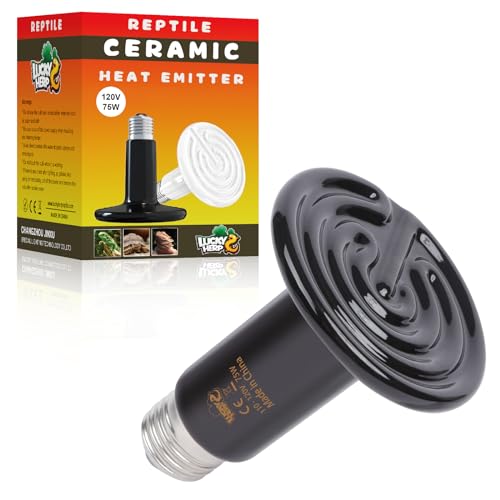
A ceramic heat emitter is a screw-in heating element that makes heat without any light. Rather than using a glass envelope with a glowing filament, these units are cast from solid, dense ceramic material. Inside the ceramic body sits a high-resistance heating coil made from durable metal alloys. When electricity flows through the coil, the ceramic body absorbs the energy and radiates pure, dark infrared warmth.
Because ceramic emitters emit zero visible lumens, they are the gold standard for overnight terrarium heating. Nocturnal reptiles, bearded dragons, turtles, and snakes can bask in warmth all night long without having their natural day-and-night light cycles thrown off. Solid ceramic construction also makes these units very durable. Without a fragile glass bulb or thin filament to snap, a quality ceramic emitter can last up to 10,000 hours of continuous use.
Common household uses range from bathrooms to animal brooders
Because heat bulbs deliver targeted radiant warmth without needing complex ductwork, they solve heating challenges across many different settings around the house, garage, and yard.
In residential bathrooms, heat lamps solve the shock of stepping out of a hot shower into a freezing room. Central heating systems warm the entire house slowly through forced air, but an overhead 250-watt clear heat bulb mounted in a ceiling fixture warms wet skin within seconds. The radiant beam keeps you comfortable while you dry off, allowing you to keep the main house thermostat lower during chilly winter mornings.
On small farms and in suburban backyards, heat lamps are essential tools for raising poultry. Newly hatched baby chicks cannot regulate their own internal body temperature for the first month of life. Keepers suspend a 250-watt red infrared lamp over a brooder box to create a warm microclimate. Chicks move closer to the center circle when they feel cold and step out toward the cooler edges when they get warm, naturally finding their ideal comfort level.
Reptile and amphibian terrariums depend heavily on heat bulbs to keep cold-blooded pets alive. Lizards, snakes, and turtles absorb environmental heat to digest food, fight infections, and maintain healthy activity levels. Terrarium owners use daytime basking spotlights to create hot basking rocks alongside cool hiding zones, then switch to a 50-watt, 75-watt, or 100-watt ceramic heat emitter at night to prevent enclosure temperatures from plunging.
Homeowners also use heat bulbs to protect dog kennels, livestock pens, and whelping boxes for newborn puppies during cold snaps. Hanging a radiant heat lamp above a sleeping bed keeps young or elderly animals warm without blowing dry, dusty air around the room.
Safe operation requires ceramic sockets and plenty of clearance
The intense thermal output that makes a heat bulb useful also introduces real hazards if the equipment is installed incorrectly. Sockets can melt, nearby materials can catch fire, and glass bulbs can crack if handled improperly. Following basic safety rules keeps your setup completely secure.
- Always use a porcelain socket: A porcelain socket is a heat-proof ceramic fixture base that will not melt under intense temperatures. Standard household lamps, clip lights, and hanging fixtures usually have plastic sockets rated for 60 watts maximum. Screwing a 150-watt or 250-watt heat bulb into a plastic base will melt the plastic, cause short circuits, and spark an electrical fire. Check the socket label to confirm it is porcelain and rated for your bulb wattage.
- Maintain strict clearance distances: High-wattage heat lamps can ignite dry straw, wood shavings, paper, and plastic within minutes if placed too close. Keep the face of the bulb at least 18 to 24 inches away from any bedding, cage walls, or animal resting surfaces. Always verify clearance recommendations on the bulb packaging.
- Secure fixtures with chains instead of spring clamps: Many heat lamp fires occur when simple spring-loaded clamp lights slip off a wooden beam and fall directly into dry bedding. Never trust a clamp alone. Always secure the fixture with a solid metal wire or safety chain looped around a secure overhead anchor.
- Shield bulbs from water droplets: When cold water droplets splash against hot glass, the rapid temperature change creates thermal shock that can shatter the bulb instantly. If you use a heat bulb in a bathroom ceiling or near a reptile misting system, make sure the fixture has an appropriate damp location rating and protective wire guards.
- Let the unit cool before touching: Heat bulbs stay hot enough to cause severe skin burns long after you turn them off. Always switch off power at the wall switch or circuit breaker and wait at least 20 minutes for the glass or ceramic body to cool down. Reviewing best practices for safely changing hot bulbs helps protect your hands from burns.
If you notice burning plastic smells, flickering connections, or scorch marks on your lamp housing, turn the unit off at the wall switch immediately. Replace damaged fixtures right away, and contact a licensed electrician if you are unsure whether your home wiring can support high-wattage ceiling heaters.
Choose the right bulb shape and wattage for safety
When selecting a heat bulb for your home, farm, or pet enclosure, start by checking the mechanical and electrical limits of your fixture. Most heat bulbs feature a standard medium screw base, labeled as an E26 base on retail boxes. While an E26 base fits into everyday lamps, you must verify that the fixture socket is solid porcelain and officially rated to handle the exact wattage of your chosen bulb.
Next, match the bulb wattage to the size of the space you want to heat. Small glass terrariums usually require modest 50-watt to 100-watt ceramic emitters to avoid dangerously overheating small animals. Larger brooder pens, drafty basements, and open outdoor enclosures require 150-watt to 250-watt units to push radiant warmth all the way down to the floor.
Finally, decide whether visible light helps or hurts your daily routine. If you need warmth for a bathroom ceiling where bright light is welcome, a clear glass flood bulb fits the bill. If you need continuous round-the-clock heating for sleeping chicks or resting reptiles, choose a red-tinted lamp or a no-light ceramic emitter so your animals stay warm without losing sleep.
- LFR Score9.2
LFR Score is a ranking system developed by lightfansreviews.com. LFR Score has no relationship or impact from any manufacturers or sales agent websites. Learn more
- BrandLUCKY HERP

- LFR Score9.2
LFR Score is a ranking system developed by lightfansreviews.com. LFR Score has no relationship or impact from any manufacturers or sales agent websites. Learn more
- BrandBriignite

- LFR Score9.2
LFR Score is a ranking system developed by lightfansreviews.com. LFR Score has no relationship or impact from any manufacturers or sales agent websites. Learn more
- BrandLUCKY HERP

- LFR Score9.2
LFR Score is a ranking system developed by lightfansreviews.com. LFR Score has no relationship or impact from any manufacturers or sales agent websites. Learn more
- BrandNovique
- LFR Score9.0
LFR Score is a ranking system developed by lightfansreviews.com. LFR Score has no relationship or impact from any manufacturers or sales agent websites. Learn more
- BrandLUCKY HERP

- LFR Score9.0
LFR Score is a ranking system developed by lightfansreviews.com. LFR Score has no relationship or impact from any manufacturers or sales agent websites. Learn more
- BrandVIHOSE

- LFR Score8.8
LFR Score is a ranking system developed by lightfansreviews.com. LFR Score has no relationship or impact from any manufacturers or sales agent websites. Learn more
- BrandDOMICA

- LFR Score8.8
LFR Score is a ranking system developed by lightfansreviews.com. LFR Score has no relationship or impact from any manufacturers or sales agent websites. Learn more
- BrandREPTI HOME

- LFR Score8.8
LFR Score is a ranking system developed by lightfansreviews.com. LFR Score has no relationship or impact from any manufacturers or sales agent websites. Learn more
- BrandBULBMASTER
Last update on 2026-10-01 / Affiliate links / Images, Product Titles, and Product Highlights from Amazon Product Advertising API

Best Bulb For Exposed Light 2026 That Shines Bright

Best Industrial Light Bulb Reviews: Top Picks for 2026
Best Outdoor Light Bulb Reviews: Top-Rated Picks for 2026
Best LED Reading Light Bulb Reviews - Top Picks for 2026

Best Vintage Light Bulb 2026 With Style And Glow
Best Yellow Fog Light Bulb 2026 For Clearer Night Drives

Best Z Wave Light Bulb 2026 Top Picks For Smart Control
Best Light Bulb For Vanity Mirror 2026 Brightness Boost