What Is a Mogul Base Light Bulb and How Big Is It?

A mogul base light bulb has an extra-wide screw base measuring about 1.5 inches across, built larger than a normal household bulb to handle higher electrical wattage safely. The exact replacement you need changes depending on whether that oversized socket sits in an antique floor lamp or a commercial workspace fixture. Regular light bulbs simply drop into these fixtures and wobble because standard household bases measure only one inch across.
Choosing what to screw into that socket depends on three simple details: the physical width of the metal threads, the fixture itself, and your electrical setup. Classic floor lamps run straight off household current and often pair with three-way switches for different brightness levels. By contrast, industrial and outdoor fixtures sometimes use a ballast (a hidden transformer box controlling electric current) that alters how power reaches the socket. Checking these details first ensures your lamp lights up safely without any guesswork.
A Mogul Base Is an Extra Large Light Bulb Screw
You bring home a vintage floor lamp from an estate sale, reach into your pantry for a standard light bulb, and try to screw it in. Instead of catching threads, the bulb slips right into the socket and wobbles freely. The opening is far too wide. That oversized socket is what the lighting industry calls a mogul base.
On retail packaging, you will see a mogul base labeled as E39. The letter E stands for Edison screw, which is the standard threaded screw design invented by Thomas Edison. The number 39 gives the outer diameter of the metal screw base in millimeters. In everyday American measurements, an E39 mogul base measures about 1.5 inches across.
By comparison, everyday light bulbs for table lamps, ceiling fixtures, and bathroom vanities use an E26 base, commonly called a standard medium screw base. An E26 base measures roughly 1 inch across (26 millimeters). When you place the two side by side, the difference is obvious. A standard 1-inch bulb drops into a 1.5-inch mogul socket like a golf ball into a coffee mug.
You might also see references to E40 bases in European lighting guides. While an E40 base is standard overseas, North American residential and commercial fixtures use the E39 mogul size. The threading is nearly identical, but sticking with an E39 bulb ensures complete compatibility with American lamps and electrical fittings.
Mogul sockets were created over a century ago to solve a serious safety problem: extreme heat. Early incandescent lighting required heavy electrical power to brighten large rooms. Bulbs drawing 300 to 500 watts generated fierce heat and pulled heavy electrical current. If you ran that much electricity through a standard 1-inch household socket, the metal could scorch, the wire insulation could melt, and the fixture could catch fire.
The wider mogul base solved that danger. Its heavy metal threads and thick ceramic body spread out the heat, carried heavy electrical currents safely, and supported the physical weight of large glass bulbs without bending or snapping.
Antique Floor Lamps and High Workbenches Usually Have Mogul Sockets
While modern residential fixtures rely almost entirely on standard medium screw sockets, mogul bases remain common in two specific settings: vintage home lighting and heavy-duty workspaces.
At home, you will most often encounter a mogul socket inside an antique torchiere or bridge floor lamp built between the 1920s and the 1950s. These heavy iron or brass fixtures were the centerpiece of mid-century living rooms. They feature a large glass shade shaped like an open bowl sitting high at the top, housing a wide white porcelain socket deep inside.
These vintage lamps bounced powerful light off high plaster ceilings to illuminate an entire parlor from a single corner. Many of these lamps also had two or three smaller candle arms branching off the main stem. Those outer sockets used standard 1-inch bases or smaller candelabra bases for soft accent lighting, while the center mogul socket provided the main room-filling brightness.
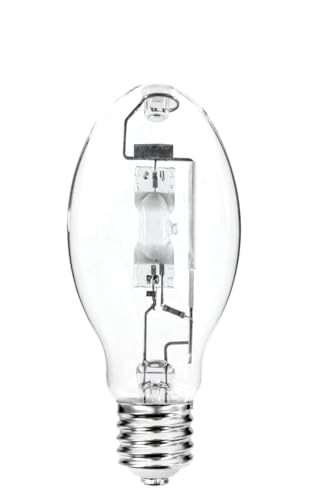
You will also find mogul sockets in older commercial buildings, auto repair garages, barns, and industrial workshops. Before modern ceiling fixtures existed, commercial high-bay spaces relied on massive metal-halide bulbs screwed into heavy mogul sockets hung from the rafters. If you are updating an older shop or barn, identifying the best industrial light bulb for your space starts with verifying whether your high ceiling fixtures still run these oversized sockets.
Finally, cities and commercial facilities used mogul bases for streetlights, parking lot light poles, and outdoor security fixtures. The large 1.5-inch base provided the mechanical strength needed to hold heavy glass bulbs securely through winter freezes and high winds.
A Quick Coin Check Confirms Your Socket Size Instantly
You do not need specialized measuring tools to tell whether a lamp has a mogul socket. You can confirm the size in a few seconds using simple pocket change or a standard household ruler.
Always put personal safety first before inspecting any lighting hardware. Unplug the floor lamp from the wall outlet completely. If you are checking an overhead garage fixture or hardwired shop light, switch off the wall control and flip the circuit breaker at your electrical panel. Never put fingers, metal tools, or coins into a socket connected to live household power.
Once the fixture is completely unplugged, unpowered, and cool to the touch, use these simple steps to check your socket:
- Try the standard quarter check: A US quarter coin measures roughly 0.95 inches wide, which is just under 1 inch. Place the quarter flat across the top rim of the socket opening. On a standard medium socket, the quarter rests on the metal rim and covers the opening completely. In a mogul socket, the quarter easily drops right through the opening and falls straight to the bottom.
- Measure across the opening with a ruler: Hold a small ruler directly across the top opening of the socket. Measure the distance from the inside edge of one threaded wall straight across to the opposite inside edge. A standard household socket measures 1 inch across. A mogul socket measures 1.5 inches across (about 39 millimeters).
- Look at the socket material: Standard household sockets typically use a thin metal shell, sometimes lined with thin cardboard insulation. Mogul sockets are almost always molded from thick, heavy white ceramic or porcelain because they were engineered to handle extreme operating heat.
- Inspect the bottom contacts: Look straight down into the center bottom of the empty socket. A standard single-brightness socket has one small brass tab in the center. Antique mogul sockets usually have a center brass contact tab surrounded by a separate brass ring. That double-contact design indicates your socket was built to operate a 3-way bulb.
While the lamp is unplugged, shine a flashlight down into the empty socket. Decades of dust, pet hair, or old corrosion can gather on the brass contact points. Wiping the threads with a clean, dry cloth helps ensure a tight electrical connection when you screw in your new bulb.
Modern LED Bulbs and Adapters Both Fix the Size Problem
Discovering that you have an oversized mogul socket does not mean you have to rewire your favorite vintage lamp or throw it away. You have two straightforward ways to bring the fixture back to life: installing a modern mogul LED bulb or using a screw-in socket adapter.
Option 1: Screw in a dedicated mogul LED bulb
Lighting manufacturers make modern energy-saving LED bulbs built with the exact E39 mogul screw base required for vintage floor lamps. These bulbs provide the correct physical fit without the extreme heat or massive power draw of old incandescent bulbs.
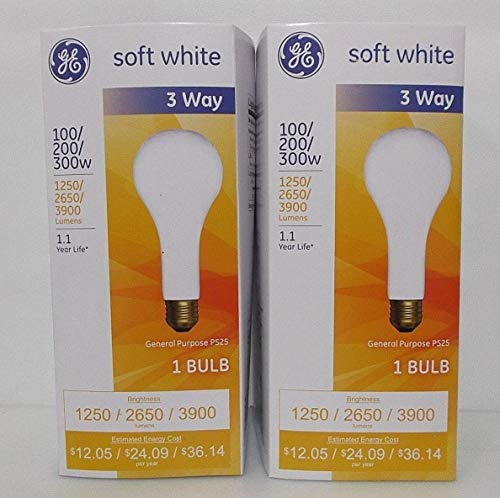
Original incandescent mogul bulbs used 100, 200, or 300 watts of electrical power. Modern LED equivalents draw only 10, 20, or 30 watts while producing the exact same brightness of 1,300, 2,600, or 3,900 lumens. Lumens measure actual brightness, while wattage only measures electrical power used. Choosing an LED replacement cuts power consumption significantly and keeps your antique glass shade cool enough to touch safely.
You can also select the right color temperature for your room ambiance. Color temperature is measured in Kelvin. A 2700K rating provides soft warm white light, giving you the cozy, amber tint of a traditional incandescent filament. A 3000K warm white rating provides slightly crisper, balanced lighting for general living areas. If you use your lamp for needlework, reading, or workshop tasks, a 5000K daylight white bulb offers sharp, shadow-reducing visibility.
Option 2: Install an E39-to-E26 socket adapter
A socket adapter (sometimes called a socket reducer) is a small threaded insert made of porcelain and steel. The outer threads measure 1.5 inches to screw directly into your mogul socket. The inner opening has standard 1-inch threads.
Using an adapter lets you screw in standard medium bulbs that you can buy at any local grocery store. This setup works well if you want a distinct style, such as pairing the adapter with the best bulb for exposed light fixtures to display a decorative filament inside an open antique glass bowl.
Keep two trade-offs in mind when choosing an adapter. First, an adapter adds roughly an inch of height to the socket, which raises your light bulb higher and might cause it to stick up over the rim of your shade. Second, basic socket adapters do not support 3-way switching. If you install an adapter, your lamp will only operate on a single on-and-off light level.
Check Switches and Wiring Before Turning on the Light
Before you screw in a new bulb and turn on an antique lamp or workshop fixture, taking a minute to inspect the electrical controls ensures everything runs safely and reliably.
Confirm your switch settings: Many antique torchiere lamps feature a turn knob or rotary key that clicks through multiple settings. If your switch clicks three times before clicking off, you have a multi-level fixture. Learning what is a three way light bulb and how it works makes it clear why matching the bulb to the switch matters. A 3-way socket sends electricity through separate contact points at each click. If you put a regular single-brightness bulb into that socket, the light will only turn on during certain clicks, leaving the other positions dark. For smooth operation, look for a mogul bulb clearly labeled for 3-way use.
Watch out for industrial ballast boxes: This check is critical if your mogul socket is mounted in an old garage, workshop, or barn. Commercial high-intensity discharge fixtures, such as 400-watt metal-halide lamps, run through a ballast (an internal transformer box controlling electric current). Modern household LED mogul bulbs are direct-wire lamps made for standard 120-volt current. If you screw a direct-wire LED bulb into a socket powered by an active ballast, the ballast will feed improper voltage into the bulb, ruining the LED electronics or creating an electrical hazard. If your overhead fixture has a heavy metal ballast box attached, the ballast must be safely bypassed or disconnected before you install a direct-wire LED. When dealing with commercial wiring or transformer boxes, stop and consult a licensed electrician.
Inspect antique lamp cords: Heirloom lamps from the 1930s or 1940s often still have their original electrical cords. Over time, the rubber and cloth wrapping dries out, becomes stiff, and cracks open. Examine the cord from the lamp base all the way to the wall plug. If the insulation is brittle, crumbling, or exposing bare copper wires, do not plug the lamp in. Replacing an old cord with a modern polarized plug is an inexpensive repair that any local lighting repair shop or qualified electrician can complete quickly.
Check the height of the center contact tab inside the socket as well. After decades of heavy bulbs pressing down on it, that little brass spring tab at the bottom can get flattened against the porcelain floor. If the tab sits completely flat, your new bulb might not make electrical contact. With the lamp completely unplugged, gently lift the edge of the tab a millimeter or two using a wooden toothpick or pencil eraser so it presses firmly against the base of your new bulb.
Choosing the Right Bulb or Adapter for Your Fixture
Finding the right solution for an oversized mogul socket comes down to how your fixture is built and how you want the room to feel.
Decide whether you prefer an all-in-one bulb or a screw-in adapter sleeve. If your antique floor lamp has a working 3-way switch and you want to click between soft relaxation light and bright room illumination, choose a dedicated E39 3-way LED bulb. If you want the convenience of using standard household bulbs from your pantry and do not mind single-level on-and-off lighting, an adapter is an easy, budget-friendly fix.
Check your lamp shade clearances carefully before you shop. Mogul LED bulbs are naturally larger and taller than standard teardrop household bulbs. Measure the depth and width of your glass shade or shade harp to make sure a bulb measuring five to seven inches tall will fit comfortably inside without touching the glass or extending past the upper rim.
Match the brightness and color tone to the room where the lamp lives. Look for bulbs providing flexible light output, ranging from 1,300 lumens for quiet evenings up to 3,900 lumens for brightening a large space. Pick a warm 2700K or 3000K glow for cozy living rooms, or choose 4000K to 5000K daylight white if your lamp sits near a reading chair, drafting table, or hobby bench.
Finally, confirm that your replacement bulb is designed for standard 120-volt household current and matches your socket type. By checking your base width, switch type, and clearance dimensions beforehand, you can bring your favorite fixture back into daily use with complete peace of mind.

- LFR Score9.2
LFR Score is a ranking system developed by lightfansreviews.com. LFR Score has no relationship or impact from any manufacturers or sales agent websites. Learn more
- BrandTriangle Bulbs

- LFR Score8.6
LFR Score is a ranking system developed by lightfansreviews.com. LFR Score has no relationship or impact from any manufacturers or sales agent websites. Learn more
- BrandGEPLAD

- LFR Score8.6
LFR Score is a ranking system developed by lightfansreviews.com. LFR Score has no relationship or impact from any manufacturers or sales agent websites. Learn more
- BrandSETEN
- LFR Score8.6
LFR Score is a ranking system developed by lightfansreviews.com. LFR Score has no relationship or impact from any manufacturers or sales agent websites. Learn more
- BrandGEPLAD
- LFR Score8.6
LFR Score is a ranking system developed by lightfansreviews.com. LFR Score has no relationship or impact from any manufacturers or sales agent websites. Learn more
- BrandSunlite

- LFR Score8.6
LFR Score is a ranking system developed by lightfansreviews.com. LFR Score has no relationship or impact from any manufacturers or sales agent websites. Learn more
- BrandFanNicoo
- LFR Score8.6
LFR Score is a ranking system developed by lightfansreviews.com. LFR Score has no relationship or impact from any manufacturers or sales agent websites. Learn more
- BrandGEPLAD

- LFR Score8.4
LFR Score is a ranking system developed by lightfansreviews.com. LFR Score has no relationship or impact from any manufacturers or sales agent websites. Learn more
- BrandGE
- LFR Score8.0
LFR Score is a ranking system developed by lightfansreviews.com. LFR Score has no relationship or impact from any manufacturers or sales agent websites. Learn more
- BrandGE
Last update on 2026-09-30 / Affiliate links / Images, Product Titles, and Product Highlights from Amazon Product Advertising API

Best Bulb For Exposed Light 2026 That Shines Bright

Best Industrial Light Bulb Reviews: Top Picks for 2026
Best Outdoor Light Bulb Reviews: Top-Rated Picks for 2026
Best LED Reading Light Bulb Reviews - Top Picks for 2026

Best Vintage Light Bulb 2026 With Style And Glow
Best Yellow Fog Light Bulb 2026 For Clearer Night Drives

Best Z Wave Light Bulb 2026 Top Picks For Smart Control
Best Light Bulb For Vanity Mirror 2026 Brightness Boost