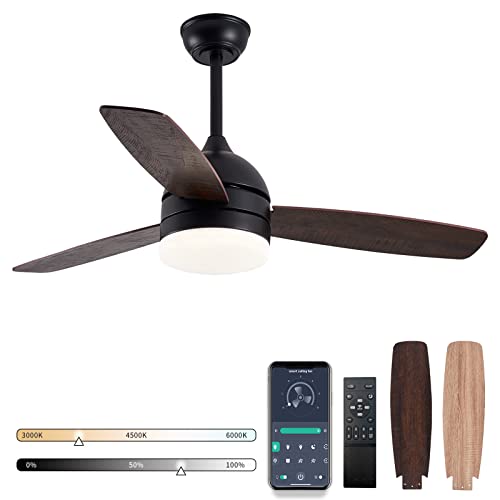
What Is a Reversible Motor on a Ceiling Fan?

What Is a Reversible Motor on a Ceiling Fan often pops up right after someone notices a tiny switch on the fan housing and wonders what on earth it actually does. That little feature isn’t just decorative fluff. It changes the blade direction, which completely shifts how air moves through a room. One setting pushes cool air downward for hot afternoons, while the other helps circulate warm air that usually gets trapped near the ceiling during colder months.
Ceiling fans without this feature can feel oddly limiting after a while. Rooms may stay stuffy even with the thermostat running nonstop, and energy bills can creep up without much payoff. A reversible motor helps reduce that problem by redistributing air more evenly instead of letting temperature layers sit untouched. That smoother circulation often makes a room feel balanced instead of patchy and uncomfortable.
Summer airflow usually gets all the attention, yet winter performance is where many people suddenly realize the value of a fan reversal switch. Warm air naturally rises, so heated rooms can still leave chilly feet and cold corners. Running the fan clockwise at a low speed gently pulls cooler air upward and nudges warm air back down along the walls. That subtle airflow trick can make heating systems work less aggressively.
Noise also becomes part of the conversation sooner or later. Nobody wants a ceiling fan that rattles like loose cookware every night. Fans with a well-designed reversible motor tend to operate more smoothly because the motor is engineered for directional flexibility and steady airflow control. Quiet operation matters more than people expect, especially in bedrooms, nurseries, or home offices where constant humming gets irritating fast.
Energy efficiency isn't just marketing chatter either. Air conditioning systems often run longer than necessary because stagnant indoor air feels warmer than it actually is. Reversing the fan direction can improve perceived comfort without constantly lowering the thermostat. That small adjustment may help trim cooling or heating strain over time, especially in rooms with high ceilings or uneven airflow.
Blade pitch and room size also influence how effective a fan feels. A reversible fan in a cramped room with oversized blades can feel overpowering, while a weak motor in a large living room barely moves air at all. Balance matters. Pairing the right fan size with a dependable ceiling fan motor creates airflow that feels natural instead of harsh or underwhelming.
Maintenance frustrations sneak in too. Dust buildup, wobbling blades, and inconsistent speeds can make a fan feel more annoying than useful. Reversible motors themselves usually don’t require much direct maintenance, but keeping blades clean and balanced helps preserve airflow performance in both directions. A neglected fan often loses efficiency quietly, little by little, until the room simply never feels comfortable anymore.
Style surprisingly plays a role as well. Modern ceiling fans now blend airflow performance with cleaner finishes, slimmer profiles, and quieter operation. Many homeowners want a fan that works hard without looking bulky or outdated. A fan equipped with a reversible motor often checks both boxes by combining practical airflow control with year-round usability.

- LFR Score10.0
LFR Score is a ranking system developed by lightfansreviews.com. LFR Score has no relationship or impact from any manufacturers or sales agent websites. Learn more
- BrandSQXBK

- LFR Score9.6
LFR Score is a ranking system developed by lightfansreviews.com. LFR Score has no relationship or impact from any manufacturers or sales agent websites. Learn more
- BrandSwitchPrince
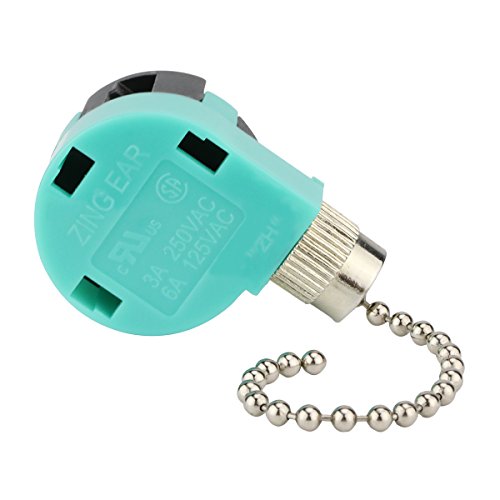
- LFR Score9.2
LFR Score is a ranking system developed by lightfansreviews.com. LFR Score has no relationship or impact from any manufacturers or sales agent websites. Learn more
- BrandDAYONE

- LFR Score9.0
LFR Score is a ranking system developed by lightfansreviews.com. LFR Score has no relationship or impact from any manufacturers or sales agent websites. Learn more
- BrandHQRP

- LFR Score9.0
LFR Score is a ranking system developed by lightfansreviews.com. LFR Score has no relationship or impact from any manufacturers or sales agent websites. Learn more
- BrandReluen
- LFR Score8.8
LFR Score is a ranking system developed by lightfansreviews.com. LFR Score has no relationship or impact from any manufacturers or sales agent websites. Learn more
- BrandLPHUMEX

- LFR Score8.6
LFR Score is a ranking system developed by lightfansreviews.com. LFR Score has no relationship or impact from any manufacturers or sales agent websites. Learn more
- BrandCrazypai

- LFR Score8.4
LFR Score is a ranking system developed by lightfansreviews.com. LFR Score has no relationship or impact from any manufacturers or sales agent websites. Learn more
- BrandKimmol

- LFR Score7.2
LFR Score is a ranking system developed by lightfansreviews.com. LFR Score has no relationship or impact from any manufacturers or sales agent websites. Learn more
- Branduaelua

- LFR Score7.2
LFR Score is a ranking system developed by lightfansreviews.com. LFR Score has no relationship or impact from any manufacturers or sales agent websites. Learn more
- BrandYahada
Last update on 2026-08-07 / Affiliate links / Images, Product Titles, and Product Highlights from Amazon Product Advertising API
What Is A Reversible Motor On A Ceiling Fan
A room can feel strangely wrong even when the thermostat says everything should be fine. Warm air hangs near the ceiling, cool air sits low, and the fan keeps spinning like it’s helping, but the comfort never quite lands. That’s where what is a reversible motor on a ceiling fan becomes more than a random wiring question. A reversible motor lets the fan blades spin in either direction, so the same fan can create a cooling downdraft in summer and gentle warm-air circulation in colder weather.
Reversible Motor Basics
A reversible motor changes the direction of the fan’s rotation without replacing parts or rewiring the whole fixture. Most ceiling fans use a small switch on the motor housing, a wall control, or a remote button to make that change. The motor still powers the same blades, but the airflow pattern shifts because the blades cut through the air from the opposite direction. That simple change explains why one fan can feel useful in both July heat and January chill.
Counterclockwise rotation usually pushes air downward, creating the breeze people expect from a ceiling fan. That breeze doesn’t actually lower the room temperature, but it helps skin feel cooler by moving air across the body. In practical terms, summer mode can make a room feel more comfortable without forcing the air conditioner to do all the heavy lifting. Nice little trick, right?
Clockwise rotation usually pulls air upward and moves warm air away from the ceiling. Heated air naturally rises, which can leave a room feeling uneven, especially with tall ceilings or open layouts. A slow clockwise spin helps move that trapped warmth down along the walls instead of blasting people with a cold-feeling draft. The result feels softer, calmer, and less like the fan is fighting the heater.
The key difference is not raw power. It’s direction control. A fan with only one spin direction can still move air, but it can’t adapt as well to seasonal comfort problems. A ceiling fan reversible motor gives the fan a second job, and that second job can matter a lot in rooms where temperature layers become annoying fast.
Why Direction Changes Comfort
Air behaves in layers more often than people notice. Heat collects high, cooler air settles low, and furniture, walls, curtains, and ceiling height all mess with movement. A reversible ceiling fan motor helps break up that stale layering without needing a stronger HVAC setting every time the room feels off. That’s a practical comfort fix, not fancy tech jargon.
Summer comfort depends on a clear downward breeze. The fan should move enough air to feel refreshing without making papers fly across the room or drying out eyes during movie night. Counterclockwise airflow gives that direct cooling feel because it pushes air toward the floor. Paired with sensible thermostat settings, it can make a space feel less sticky during long afternoons.
Winter comfort needs a lighter touch. Fast fan speed in cold weather can feel like someone opened a window, even if the fan is technically helping circulation. The sweet spot is usually clockwise rotation at low speed, because it nudges warm air back into the occupied space without creating a noticeable chill. Quiet, slow movement wins here.
Rooms with high ceilings show the biggest difference. Warm air can sit uselessly above head level while the couch area still feels cool. A reversible fan helps recycle that warmth into the room where it actually helps. For a separate lighting upgrade in rooms where ceiling access is already being handled, Improve overhead brightness with install flush mount led ceiling light guidance before choosing a fixture style that fits the space.
Common Switch And Remote Controls
Older fans often hide the reverse switch on the motor housing. That tiny slider can be easy to miss, especially if the fan is mounted high or the light kit blocks the view. The reverse switch usually needs the fan turned off before changing direction, because flipping it while the blades are spinning can strain the motor. A few seconds of patience can save a lot of unnecessary wear.
Newer fans may handle direction changes through a remote or wall control. That setup feels cleaner because nobody has to drag out a step stool just to change from summer mode to winter mode. Still, the remote needs to match the fan’s control system, and some models bury the setting behind a button sequence. Keep the manual handy, because guessing with remotes can get old fast.
Some DC motor ceiling fans offer smoother speed control and quieter operation than many traditional AC models. That doesn’t automatically mean every DC fan is better for every room, though. DC reversible motors can cost more upfront, and replacement parts may be more model-specific. The tradeoff is usually better speed range, lower operating noise, and easier remote-based direction control.
Wall switches can create confusion if they only control power and not direction. A fan might turn on from the wall but still need a pull chain, remote, or motor switch for speed and reverse settings. That setup isn’t broken, just split across controls. The important habit is checking the fan direction setting at the start of each season instead of assuming last year’s setting still makes sense.
Summer Mode And Cooling Feel
Hot rooms get uncomfortable for more reasons than temperature alone. Humidity, stagnant corners, weak vent placement, and sun-facing windows can make a room feel heavier than the thermostat suggests. A reversible motor on a ceiling fan helps by letting the blades run counterclockwise for a stronger downward breeze. That airflow makes the room feel livelier without pretending the fan is an air conditioner.
The cooling effect works best when people are actually in the room. A ceiling fan cools people, not empty furniture. Leaving it on all day in an empty bedroom won’t chill the mattress or lower the air temperature in a meaningful way. Turning it off after leaving the room protects energy savings from slipping through the cracks.
Blade speed also matters. High speed can feel great in a stuffy living room, but it may be too much for a small bedroom or dining area. Medium speed often gives a better balance between airflow, noise, and comfort. If the fan wobbles or rattles at higher speeds, the problem may be blade balance, loose screws, or poor installation rather than the reversible motor itself.
Light kits can affect comfort too, especially with older bulbs that throw extra heat into the room. Ceiling fan lights should feel useful without making the space warmer or harsher. For better brightness control around fan fixtures, Upgrade evening comfort with dimmable led bulbs ceiling fan lights that suit rooms where glare and heat buildup become annoying.
Winter Mode And Warm Air Circulation
Cold-weather fan use sounds odd at first. Nobody wants a breeze in the middle of a chilly night. The trick is low-speed clockwise rotation, which avoids the sharp cooling effect while helping warm air move back down from the ceiling. Done right, the fan should feel almost invisible.
This matters most in rooms where heat collects overhead. Vaulted ceilings, stairwells, loft spaces, and large living rooms often waste warmth above the area where people sit. A reversible fan can gently push that warmth back into circulation. The comfort gain feels subtle at first, then obvious once the room stops having cold pockets.
Heating systems also benefit from steadier air movement. A furnace or heat pump may cycle less aggressively when warm air spreads more evenly through the room. That doesn’t guarantee dramatic savings, and it shouldn’t be treated like a magic bill-cutter. Still, better air mixing can reduce the urge to keep bumping the thermostat higher.
Outdoor-adjacent areas can need separate lighting help, especially around porches, posts, and walkways where ceiling fans aren’t part of the setup. Add softer nighttime visibility with solar post cap lights for exterior spots that need guidance without running new wiring. That keeps the fan conversation indoors while still solving a nearby home comfort problem.
How Reversible Ceiling Fan Motors Improve Airflow
Some rooms never seem to settle into a comfortable temperature no matter how long the HVAC system runs. One corner feels chilly, another feels stuffy, and the upstairs area turns into a heat trap by late afternoon. That frustration usually points back to poor air circulation rather than raw heating or cooling power. A reversible ceiling fan motor helps smooth out those uneven temperature pockets by keeping air moving in a more controlled and useful way.
Signs Your Fan Direction Is Wrong
A ceiling fan can spin perfectly and still make a room feel uncomfortable. That’s the annoying part. The issue often comes from the blade direction rather than the motor itself. A fan spinning the wrong way during summer can leave the room feeling stale even while the blades move nonstop.
Warm-weather airflow should create a gentle breeze pointing downward. Stand directly under the fan for a moment. If the air feels weak or oddly pulled upward, the direction likely needs adjustment. Counterclockwise rotation usually delivers the cooling effect people expect during hotter months.
Winter settings create confusion because the airflow should feel subtle instead of obvious. A properly reversed fan won’t blast cold air downward during cold weather. Instead, clockwise rotation slowly redistributes trapped heat from the ceiling area back through the room. That softer circulation helps reduce cold spots without creating a drafty feeling.
Noise changes can also signal an issue. Some fans become louder or wobblier after reversing direction if loose screws, warped blades, or dust buildup already exist. A quick inspection often solves the problem before the fan starts sounding like it’s rattling itself apart. Little maintenance habits make a surprisingly big difference with ceiling fan performance.
Ceiling Height Changes Everything
Low ceilings and tall ceilings create completely different airflow behavior. A small bedroom with an eight-foot ceiling needs much less air movement than a vaulted family room with open upper space. Fans that feel overpowering in compact rooms may barely circulate air in larger spaces. That’s why fan size and blade span matter just as much as motor direction.
Large open rooms often trap warmth overhead because rising heat has nowhere useful to go. A reversible motor helps recycle that heat instead of letting it hover uselessly above everyday living space. Rooms with exposed beams or loft layouts especially benefit from slow winter circulation. The difference feels gradual at first, then obvious once temperatures stop fluctuating from one side of the room to the other.
Ceiling height also affects installation details. Fans mounted too close to the ceiling may struggle to move air efficiently because the blades don’t have enough clearance. Rooms with high ceilings may require longer downrods to bring the fan closer to the occupied space. For safer electrical planning before mounting a larger fixture, Review what size wire ceiling fan setups that match fan power requirements and ceiling configurations.
Oversized fans aren’t always better either. A massive fan in a narrow room can create uneven airflow and unnecessary noise. The sweet spot depends on room dimensions, ceiling height, and how the space actually gets used day to day. Real comfort usually comes from balance rather than brute airflow strength.
Energy Savings And Realistic Expectations
Ceiling fans don’t magically lower room temperature the way air conditioners do. That misconception sticks around because moving air changes how the body feels. A reversible motor ceiling fan improves comfort by circulating air more effectively, which can reduce the urge to constantly adjust the thermostat. The savings come from smarter airflow support, not from the fan acting like an independent cooling system.
Summer savings usually happen because people tolerate slightly warmer thermostat settings while still feeling comfortable. Even a small airflow breeze can make indoor heat feel less suffocating. Winter savings work differently. Low-speed clockwise circulation helps distribute existing heat more evenly instead of letting it collect near the ceiling where nobody benefits from it.
Fan speed settings matter here too. Running the fan at maximum speed all year long often wastes electricity and increases wear on the motor. Medium or low settings frequently provide more comfortable circulation while reducing noise and unnecessary strain. Balanced airflow tends to feel better than aggressive airflow anyway.
Older homes with poor insulation may still struggle with major temperature swings even with excellent fan circulation. A reversible fan helps, but it can’t fully compensate for drafty windows or weak attic insulation. That tradeoff matters because airflow improvements work best alongside realistic expectations about the room itself.
DC Motors Versus Traditional AC Motors
Modern ceiling fans increasingly use DC motors instead of traditional AC designs. Both types can include reversible functionality, but the experience often feels different. DC ceiling fan motors usually run quieter and offer more speed settings, which makes airflow adjustments feel smoother and more precise. That softer operation becomes noticeable in bedrooms or quiet workspaces.
AC motors still remain common because they’re dependable and generally less expensive upfront. Many older homes already use wiring setups compatible with standard AC fans, which keeps installation simpler. The tradeoff often comes down to control flexibility, operating noise, and energy use rather than outright airflow strength.
Remote controls tend to pair especially well with DC fans. Speed changes feel more gradual, and reversing direction can happen without climbing onto a ladder. That convenience matters more than people expect once seasonal changes roll around. Nobody enjoys dragging furniture around just to reach a tiny switch near the ceiling.
Replacement parts can become trickier with certain DC models, though. Some manufacturers rely on proprietary remotes or receiver units that aren’t easy to replace years later. Practical buyers usually weigh long-term maintenance alongside features before committing to a more advanced fan system.
Maintenance Habits That Keep Fans Efficient
Dust buildup changes fan performance faster than most people realize. Thick dust layers along the blades disrupt airflow balance and can create wobbling over time. A reversible fan spinning in both directions all year long collects debris differently depending on room conditions and airflow patterns. Regular cleaning keeps the motor from working harder than necessary.
Blade screws loosen gradually from constant vibration. Small clicking noises or subtle wobbling often trace back to loose hardware instead of serious motor damage. Tightening screws every few months helps preserve smoother operation and reduces stress on the mounting bracket. That simple habit can extend the life of the entire fixture.
Light kits deserve attention too. Loose glass covers and overheated bulbs can add unnecessary annoyance to a fan that otherwise runs well. Rooms using older incandescent bulbs may feel warmer simply because the bulbs themselves throw extra heat downward. For oversized rooms where airflow consistency matters more than raw fan speed alone, Compare ceiling fan large high ceiling rooms designs built for taller open spaces and broader circulation coverage.
Seasonal direction checks should become routine. Plenty of people forget the reverse switch entirely after moving into a home or replacing a fan. A quick reminder at the start of summer and winter keeps the fan working with the season instead of against it. Small adjustments often solve comfort problems that people mistakenly blame on the thermostat.
Rooms That Benefit Most From Reversible Fans
Bedrooms benefit from quieter airflow and gentler overnight circulation. Nobody wants a strong draft blowing directly onto the bed during winter, but stale air feels uncomfortable too. A reversible ceiling fan motor helps maintain softer movement that keeps the room from feeling stuffy without becoming distracting.
Living rooms with tall ceilings often gain the biggest improvement. Heat rises naturally, and large open gathering spaces tend to trap warmth overhead during colder months. Reversing the fan direction helps redistribute that warmth more evenly through the occupied area. The room starts feeling balanced instead of oddly layered.
Kitchens create another airflow challenge because cooking heat and humidity build quickly in busy spaces. Ceiling fans can help circulate air, but overly aggressive airflow may interfere with lightweight steam or dining comfort. Lower fan speeds paired with correct directional settings usually create the best compromise between ventilation and comfort.
Covered patios and enclosed porches can also benefit from reversible airflow depending on climate conditions. Humid summer air often feels heavier outdoors, while chilly evenings may trap cooler air near seating areas. A fan capable of seasonal airflow adjustment adapts more naturally to those changing conditions without needing completely different equipment for each season.


Best Small Flush Mount Ceiling Fans 2026 Ultimate Picks

Best Smart Ceiling Fan India 2026 For Effortless Comfort

Best Smart Ceiling Fans with Lights for 2026: Top Picks

Best Smart Home Non Ceiling Fans 2026 For Ultimate Comfort

Best Outdoor Misting Ceiling Fan 2026 For Ultimate Comfort

Best Outdoor Ceiling Fans For Porch 2026 With Style And Breeze

Best Smart Bulb For Ceiling Fan 2026 That Brightens Life
Best Smart Ceiling Fan Control 2026 For Effortless Comfort