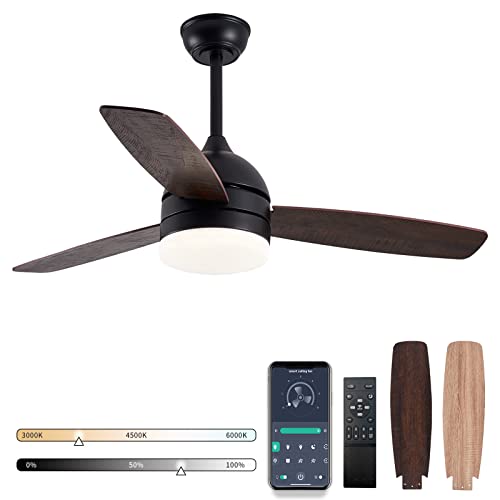
What Is a Standard Size Ceiling Fan for Your Space?

What Is a Standard Size Ceiling Fan sounds like a simple question at first glance, yet plenty of homeowners end up scratching their heads once they start measuring the room. A fan that’s too small barely moves the air, while an oversized one can make the ceiling feel crowded and awkward. That sweet spot usually depends on room dimensions, ceiling height, furniture layout, and how the space actually gets used day after day. Tiny breakfast nooks, cozy bedrooms, open living rooms, and long covered patios all need different blade spans to feel comfortable instead of stuffy.
Most people don’t realize how much airflow changes the mood of a room until the wrong fan gets installed. A cramped bedroom with a giant fan can feel visually overwhelming, while a wide living room with a tiny model leaves dead air hanging in the corners. That’s where understanding standard ceiling fan sizes becomes useful instead of frustrating. Blade span, mounting style, and ceiling clearance all work together, and skipping one detail can throw off the entire setup.
Ceiling height also changes the equation more than expected. Low ceilings usually pair better with flush mount designs that keep enough headroom without sacrificing circulation. Taller ceilings often need longer downrods so the airflow reaches people instead of hovering uselessly overhead. Little details like this tend to get overlooked during quick online shopping sessions, especially after staring at dozens of nearly identical fan photos for hours. Honestly, that’s where sizing charts and practical room comparisons help cut through the noise.
Standard ceiling fan measurements generally range from compact 29-inch models for small rooms to large 72-inch options for expansive spaces. Mid-sized fans around 48 to 52 inches remain common because they fit comfortably in many bedrooms, dining rooms, and family spaces without dominating the ceiling. Still, dimensions alone don’t guarantee comfort. Blade pitch, motor strength, and furniture placement affect how the air actually feels once the fan starts spinning.
Style matters too, and yeah, people notice it more than they admit. Farmhouse interiors often lean toward wider blade designs with warm finishes, while modern spaces usually favor sleek profiles and minimal hardware. A bulky traditional fan inside a streamlined contemporary room can stick out like a sore thumb. Matching the fan size with the room’s visual balance creates a cleaner, more intentional look instead of making the fixture feel randomly chosen.
Noise becomes another sticking point after installation. Smaller fans running at high speed sometimes create more noticeable sound than larger fans operating at lower settings. That tradeoff surprises many homeowners who assume compact automatically means quieter. Balanced sizing often helps maintain smoother airflow without forcing the motor to work overtime. A properly sized fan simply feels easier to live with, especially in bedrooms or workspaces where constant humming gets irritating fast.
What Is a Standard Size Ceiling Fan ultimately comes down to creating practical comfort without overcomplicating the process. The right size supports airflow, complements the room visually, and avoids the annoying trial-and-error cycle that wastes both time and money. Instead of guessing based on appearance alone, understanding room proportions and airflow needs makes the final choice feel far more natural. That’s the difference between a ceiling fan that quietly improves everyday comfort and one that becomes an ongoing headache.

- LFR Score9.6
LFR Score is a ranking system developed by lightfansreviews.com. LFR Score has no relationship or impact from any manufacturers or sales agent websites. Learn more
- BrandFanbulous

- LFR Score9.2
LFR Score is a ranking system developed by lightfansreviews.com. LFR Score has no relationship or impact from any manufacturers or sales agent websites. Learn more
- BrandPhylluz
- LFR Score9.0
LFR Score is a ranking system developed by lightfansreviews.com. LFR Score has no relationship or impact from any manufacturers or sales agent websites. Learn more
- BrandPassky

- LFR Score9.0
LFR Score is a ranking system developed by lightfansreviews.com. LFR Score has no relationship or impact from any manufacturers or sales agent websites. Learn more
- BrandHoneywell Ceiling Fans

- LFR Score9.0
LFR Score is a ranking system developed by lightfansreviews.com. LFR Score has no relationship or impact from any manufacturers or sales agent websites. Learn more
- BrandDepuley

- LFR Score8.8
LFR Score is a ranking system developed by lightfansreviews.com. LFR Score has no relationship or impact from any manufacturers or sales agent websites. Learn more
- BrandOPONL

- LFR Score8.8
LFR Score is a ranking system developed by lightfansreviews.com. LFR Score has no relationship or impact from any manufacturers or sales agent websites. Learn more
- BrandZMISHIBO

- LFR Score8.8
LFR Score is a ranking system developed by lightfansreviews.com. LFR Score has no relationship or impact from any manufacturers or sales agent websites. Learn more
- Brandaddlon

- LFR Score8.6
LFR Score is a ranking system developed by lightfansreviews.com. LFR Score has no relationship or impact from any manufacturers or sales agent websites. Learn more
- BrandAmico

- LFR Score8.6
LFR Score is a ranking system developed by lightfansreviews.com. LFR Score has no relationship or impact from any manufacturers or sales agent websites. Learn more
- BrandCrazypai
Last update on 2026-05-19 / Affiliate links / Images, Product Titles, and Product Highlights from Amazon Product Advertising API
What Is A Standard Size Ceiling Fan For Real Rooms
Hot corners, weak airflow, and a fan that looks oddly tiny can make a room feel off before anyone says a word. A ceiling fan should move air where people actually sit, not just spin politely above the furniture. That’s why what is a standard size ceiling fan matters more than a pretty finish or a tempting sale price. The right blade span helps create steady comfort, cleaner proportions, and fewer regrets after installation.
Standard Ceiling Fan Size Basics
A standard size ceiling fan is usually measured by blade span, not by the motor housing or the overall fixture width. Blade span means the full diameter created by the fan blades as they rotate. For many average bedrooms and living rooms, a 48-inch to 52-inch ceiling fan often lands in the practical middle. It gives enough reach for daily comfort without making the ceiling feel crowded.
Small rooms usually need a tighter fan size because too much blade width can overwhelm the space. A bathroom, laundry room, office nook, or compact bedroom may work better with a 29-inch to 44-inch fan. Larger rooms often need a wider fan, sometimes 56 inches or more, especially if the seating area spreads across the room. Size is less about bragging rights and more about matching airflow coverage to real square footage.
Room shape can change the decision fast. A square room often accepts one centered fan more easily, while a long rectangular room may feel uneven with a single small model. Wide open areas can leave dead zones near corners, even with a decent motor. That’s where a larger blade span or multiple fans can feel more practical than forcing one fan to do all the work.
Ceiling height also has a say. A standard 8-foot ceiling usually pairs best with a flush mount or low-profile fan so people don’t feel like they’re walking under spinning blades. Higher ceilings often need a downrod to bring the fan closer to the living zone. Without the right drop, air movement may stay too high and barely reach the people below.
Room Size Drives The Fan Choice
A ceiling fan should feel like it belongs in the room, not like it was borrowed from another house. For spaces up to roughly 75 square feet, smaller fans around 29 to 36 inches can keep airflow controlled without looking bulky. Medium rooms from about 100 to 225 square feet often work well with 44 to 52 inches. Larger rooms usually need a bigger span because air has farther to travel.
Furniture layout makes the size choice more personal. A bed, sectional sofa, dining table, or plant shelf can shift where airflow needs to land. A fan centered only by ceiling measurements might miss the main seating zone if the furniture sits off-center. That’s why usable space matters just as much as total room size.
Noise can become a hidden problem in smaller rooms. A compact fan running at high speed may hum, wobble, or feel too aggressive if it’s trying to compensate for weak coverage. A slightly larger fan running on a lower speed can sometimes feel calmer. The tradeoff is visual weight, so the best pick balances quiet operation with a clean ceiling line.
Outdoor covered spaces add another wrinkle. Patios, porches, and sunrooms deal with heat, humidity, and shifting air from outside. A fan that feels fine indoors may not push enough air across an open seating area. Damp-rated or wet-rated construction matters here, but the blade span still has to match the space instead of relying on specs alone.
To keep blades from collecting sticky dust that slows airflow and makes the fan look tired, maintain the fixture with the right cleaning tool and routine, such as a ceiling fan blade cleaner for safer reach and less mess.
Blade Span Is Not The Whole Story
Blade span gets most of the attention, but motor strength and blade pitch can make or break the result. A 52-inch fan with weak airflow may feel less useful than a smaller fan with a better motor and smarter blade angle. Blade pitch affects how much air the fan pushes with each rotation. Flat blades may look sleek, yet they can struggle to move air with authority.
Airflow is commonly discussed in CFM, which stands for cubic feet per minute. A higher CFM rating usually means stronger air movement, but it should still make sense for the room. A small bedroom doesn’t need a wind tunnel above the bed. A large family room, though, needs enough air circulation to reach sofas, chairs, and corners without forcing the highest speed all day.
Fan speed settings help fine-tune comfort. Three-speed fans can work fine in simple rooms, but more speed options give better control during changing seasons. Low speed can keep air gently moving while people sleep, while higher speeds help during humid afternoons. That flexibility matters because comfort isn’t the same every hour of the day.
Blade count can also mislead shoppers. More blades don’t automatically mean better cooling. Some five-blade fans look balanced and traditional, while three-blade designs can move air efficiently with the right motor. The real focus should stay on blade design, motor quality, and room fit rather than counting blades like a scorecard.
Ceiling Height Changes Everything
A ceiling fan needs safe clearance before it can do its job well. Most rooms feel more comfortable when the blades sit around 7 to 9 feet above the floor. Too low, and the fan feels intrusive. Too high, and the airflow may stay above the living area instead of reaching skin level where it actually helps.
Flush mount fans solve a common low-ceiling problem. They sit closer to the ceiling and preserve headroom in bedrooms, hallways, and compact living spaces. The weakness is that some low-profile fans move less air because the blades sit close to the ceiling. That doesn’t make them bad, but it does mean motor performance and blade shape deserve extra attention.
Downrods help taller rooms feel more balanced. Vaulted ceilings, high foyers, and open living areas often need the fan lowered into a better airflow zone. Without a downrod, even a large fan can feel oddly weak from below. A properly chosen downrod supports better circulation and a more natural visual proportion.
Sloped ceilings need special care. Some fans require angled mounting kits, while others have limits on how steep the ceiling can be. Skipping that detail can lead to wobble, awkward installation, or blades sitting too close to the ceiling. Practical planning keeps the fan safe, stable, and easier to live with.
Style Should Not Fight The Room
A standard size ceiling fan should match the room visually as well as physically. A bulky fan in a small bedroom can make the ceiling feel lower than it is. A tiny fan in a large living room can look like an afterthought. Proportion gives the fixture a quieter, more polished presence.
Finish and blade color affect how large the fan feels. Dark blades can look bold and grounded, but they may feel heavy in a small white room. Light wood or matte white blades can blend into the ceiling and soften the overall look. That visual trick helps when the room needs airflow but not a loud design statement.
Lighting changes the decision too. A fan with a large light kit may add extra bulk, especially in rooms with lower ceilings. Slim integrated lights look cleaner, though replacement parts may be more specific to the model. The best choice depends on whether the room needs general lighting, accent lighting, or no light kit at all.
Some shoppers focus only on style and later discover the fan barely moves air. Others chase airflow numbers and end up with a fixture that clashes with everything below it. The better path sits in the middle. A fan should feel visually calm while still delivering practical airflow where the room needs it most.
Separate from ceiling comfort, wellness gear has its own sizing and fit concerns, so compare a red light therapy helmet only for head-focused routines rather than trying to connect it to room airflow.
Common Sizing Mistakes That Cause Regret
The most common mistake is buying by looks alone. A fan can photograph beautifully online and still be the wrong fit for the room. Blade span, ceiling height, and airflow rating need to agree before the finish or blade color gets the final vote. Pretty hardware can’t fix poor air movement.
Another mistake is assuming bigger always feels better. Oversized fans can create uncomfortable drafts in small rooms, especially over beds or desks. They can also dominate the ceiling and make the room feel visually crowded. Bigger only helps when the room has enough square footage and ceiling height to support it.
People also forget about clearance near walls, cabinets, bunk beds, and tall shelving. Fan blades need breathing room so air can move freely and safely. Crowded placement reduces performance and can make the fan feel awkward in daily use. A few inches of planning can prevent a lot of installation frustration.
Skipping maintenance is a quieter mistake. Dusty blades don’t just look bad, they can add weight imbalance and reduce clean airflow. Wobble, noise, and uneven movement often show up after months of neglect. Regular cleaning protects fan balance and keeps the room feeling fresher without extra effort.
For a completely different comfort routine, sinus-focused products need their own research path, so explore red light therapy for sinuses separately instead of mixing those benefits with ceiling fan performance.
Best Ceiling Fan Size For Bedrooms And Living Rooms
Some rooms feel stuffy no matter how long the fan runs, while others turn chilly after ten minutes on medium speed. That mismatch usually starts with sizing problems people didn’t notice during installation. A ceiling fan should support the room quietly instead of dominating it or struggling to keep up. That’s why the best ceiling fan size for bedrooms and living rooms depends on airflow coverage, ceiling height, furniture placement, and how the room actually gets used every day.
Bedrooms Need Balanced Airflow
Bedrooms usually feel best with airflow that stays steady instead of harsh. A fan that’s too powerful can blast air directly onto the bed and leave people waking up dry-eyed or cold halfway through the night. Smaller bedrooms often work better with 44-inch to 48-inch ceiling fans, while larger primary bedrooms may need a 52-inch model for better circulation. Comfort matters more than raw fan speed.
Noise becomes a bigger deal in sleeping spaces than many people expect. A slight clicking sound or blade wobble may seem harmless during the day, but it can become irritating once the room quiets down at night. Fans with balanced blades and smooth motor operation tend to feel calmer over time. Consistent air movement without extra noise usually creates a more relaxing environment.
Lighting choices also affect bedroom comfort. Oversized light kits can throw harsh brightness across the room, especially in smaller spaces with lower ceilings. Softer integrated lighting often feels easier on the eyes during late evenings or early mornings. A cleaner fixture profile can also help the room feel more open instead of visually crowded.
Dust buildup sneaks up faster in bedrooms because fans often run for long hours overnight. Dirty blades can reduce airflow and make the fan wobble over time. Regular maintenance helps preserve quiet operation and cleaner circulation. A neglected fan may still spin, but the room won’t feel nearly as comfortable.
Living Rooms Usually Need Wider Coverage
Living rooms tend to demand more airflow because the seating spreads across a larger area. One small fan over the coffee table may leave side chairs and corners feeling warm and stagnant. That’s why many medium and large living spaces lean toward 52-inch to 60-inch ceiling fans. The wider blade span helps distribute air more evenly across the room.
Open-concept layouts complicate things quickly. A fan that feels strong over one seating area may barely touch the dining space a few feet away. Some homeowners try to fix this by cranking the speed higher, but that can create uncomfortable drafts near the center of the room. Better sizing usually solves the problem more naturally.
Ceiling height changes airflow behavior too. Taller ceilings can absorb airflow before it reaches people sitting below. Downrods help position the fan lower where the circulation actually matters. That small adjustment often improves comfort consistency more than upgrading to a slightly stronger motor.
Visual balance matters in living rooms because the ceiling fan becomes part of the room’s design. A fixture that feels too small can disappear awkwardly against a large ceiling. A bulky oversized fan can dominate the entire room visually. For cleaner proportions and more refined style ideas, explore best looking indoor ceiling fan layouts that balance airflow with modern room aesthetics.
Open Spaces Often Need Larger Fans
Big rooms create airflow problems that smaller spaces rarely face. Air can settle unevenly across long seating areas, kitchen extensions, or vaulted ceilings. A standard fan may spin constantly while certain corners still feel warm and stale. That’s where larger blade spans begin making practical sense instead of simply looking dramatic.
Large fans usually move more air at lower speeds, which helps the room feel calmer and less windy. People often assume a stronger breeze equals better comfort, but steady circulation tends to feel more natural indoors. Lower operating speeds can also reduce motor strain and noise over time. The room feels cooler without turning into a wind tunnel.
Industrial-inspired fans have become more common in oversized family rooms and converted lofts. Their longer blades help cover broader areas without relying on extremely high RPMs. Still, not every oversized fan fits residential spaces visually. The motor housing, blade color, and mounting style all influence whether the fixture feels intentional or oversized.
Large rooms with high ceilings often benefit from airflow solutions designed for wider coverage and longer operating cycles. For bigger gathering spaces or expansive layouts, compare airflow styles through large industrial ceiling fans that focus on broad circulation instead of concentrated direct airflow.
Seasonal Changes Affect Fan Performance
Summer airflow gets most of the attention, yet winter performance matters too. Ceiling fans can help redistribute warm air trapped near the ceiling during colder months. Reversing the blade direction at lower speeds gently pushes warmth downward without creating an uncomfortable draft. That simple adjustment can improve temperature balance across the room.
Humidity changes how airflow feels indoors. A fan that feels perfect during dry weather may feel weaker during sticky summer afternoons. Larger rooms often need slightly stronger circulation once humidity rises because stagnant air starts feeling heavier. That’s one reason fan size should reflect realistic seasonal conditions instead of showroom impressions.
Patios and sunrooms face even tougher seasonal swings. Outdoor humidity, pollen, and temperature shifts can wear down weaker motors and finishes. Damp-rated or wet-rated construction helps protect moving parts over time. Stronger durability supports more reliable long-term airflow in changing weather conditions.
Dust and seasonal debris also affect performance more than people realize. Thick dust buildup on blades can slightly alter balance and reduce clean circulation. Even small airflow losses become noticeable in rooms already struggling with uneven cooling. Consistent cleaning keeps the fan operating more smoothly throughout the year.
Airflow Placement Matters More Than Many Expect
Ceiling fan placement can improve or ruin airflow even if the fan size seems correct on paper. A fan centered only by ceiling dimensions may miss the actual seating zone entirely. Sofas pushed against walls, oversized sectionals, or offset dining tables can shift where airflow needs to land. Placement should support how the room functions instead of following measurements blindly.
Kitchen and dining combinations often reveal this issue quickly. One centered fan may cool the dining table nicely while leaving the kitchen area warm during cooking. Some layouts work better with two smaller fans instead of one oversized fixture. Balanced circulation tends to feel more comfortable than concentrated airflow in a single spot.
Blade clearance around walls and cabinets matters too. Tight spaces can interrupt airflow and create uneven circulation patterns. Fans need room for air to move freely without obstruction. Better spacing usually improves overall airflow efficiency without forcing higher speeds.
Ceiling beams, hanging lights, and tall shelving can also interrupt circulation unexpectedly. A beautiful fixture may still perform poorly if obstacles block the airflow path. Looking at the room from multiple angles before installation helps prevent frustrating airflow gaps later on.
Style Trends Should Not Override Comfort
Minimalist fan designs have become popular because they blend neatly into modern interiors. Slim blades and compact motor housings can look elegant, especially in smaller spaces. Still, some ultra-slim designs sacrifice blade pitch and airflow strength for appearance. The room may look cleaner while feeling noticeably warmer.
Farmhouse styles usually lean toward wider blades and visible hardware. Those details can add warmth and character, though oversized rustic fans may feel heavy in compact rooms. Visual texture should support the room rather than overwhelm it. Good airflow and balanced scale still matter more than trend-driven styling.
Black ceiling fans continue gaining popularity because they create contrast against white ceilings. They can look sharp in larger living rooms with matching accents nearby. In smaller bedrooms, though, dark blades sometimes pull too much attention upward. Softer finishes often help preserve a lighter visual feel.
Technology adds another layer of tradeoffs. Smart controls, remote systems, and app integration can improve convenience, especially in high-ceiling rooms. Yet extra features don’t compensate for poor sizing or weak airflow. Reliable daily comfort still starts with the right blade span and thoughtful placement.
Small Details Shape Long-Term Comfort
Many homeowners focus heavily on installation day and forget how the fan will feel six months later. Daily comfort depends on more than the first impression. Noise levels, blade balance, cleaning access, and airflow consistency become more noticeable over time. The right size usually feels effortless once it settles into the room.
Maintenance access matters more in homes with pets, cooking residue, or frequent dust buildup. High ceilings and bulky fixtures can turn cleaning into an annoying chore. Smaller details like removable glass shades or accessible blade shapes can make upkeep far less frustrating. Practical design supports long-term usability.
Motor efficiency also affects how often people actually use the fan. A fan that rattles or vibrates at medium speed usually gets avoided after a while. Smooth operation encourages more regular use during warm afternoons and humid evenings. That consistency helps the room maintain steadier comfort across changing conditions.
Strong airflow should feel natural rather than aggressive. The best ceiling fan sizes quietly support everyday routines without pulling attention toward themselves. Bedrooms feel calmer, living rooms stay more inviting, and larger spaces avoid that stale heavy-air feeling that tends to linger long after the weather heats up.


Best Small Flush Mount Ceiling Fans 2026 Ultimate Picks

Best Smart Ceiling Fan India 2026 For Effortless Comfort

Best Smart Ceiling Fans with Lights for 2026: Top Picks

Best Smart Home Non Ceiling Fans 2026 For Ultimate Comfort

Best Outdoor Misting Ceiling Fan 2026 For Ultimate Comfort

Best Outdoor Ceiling Fans For Porch 2026 With Style And Breeze

Best Smart Bulb For Ceiling Fan 2026 That Brightens Life
Best Smart Ceiling Fan Control 2026 For Effortless Comfort