
What Is a T8 Light Bulb and How to Choose a Replacement?

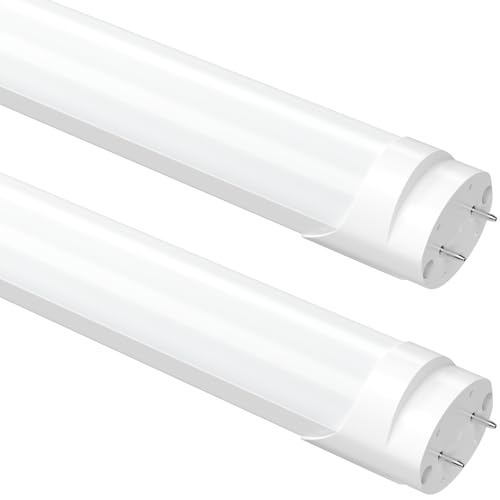
Check the stamped code near the metal pins at the end of the tube before buying a replacement. That marking confirms whether you have a T8 light bulb, which is simply a straight tube measuring one inch in diameter. The letter T stands for tubular, and the number eight means eight-eighths of an inch thick. Most of these bulbs stretch four feet long with two small metal prongs on each end.
Choosing the right swap depends on how your fixture provides power. Traditional T8 tubes are fluorescent glass lights that run on a ballast, which is the internal power box regulating the electric current. Modern replacements use LEDs, but some plug straight into that old power box while others need the box disconnected. Length also matters, from two-foot utility lights to standard four-foot workshop fixtures. The details below break down each option so you can get the exact match on the first trip.
Understanding the T8 Label: Tube Size and Pin Types Explained
When you look up at a long tube light in your garage, kitchen, or basement, the code printed on the glass can look like a secret formula. The letter and number combination is actually a simple measuring system used by lighting makers for decades. The letter T stands for tubular, which identifies the tube shape of the glass. The number 8 tells you the thickness of the tube measured in eighths of an inch. Because eight eighths of an inch equals one full inch, every standard T8 bulb is exactly one inch thick across its center.
You can picture the thickness by thinking of a standard one-inch wooden dowel or a quarter standing on its edge. This one-inch diameter makes the tube noticeably sleeker than older, thicker utility tubes. Most T8 bulbs installed in residential overhead fixtures are 48 inches long, which is the standard four-foot size found in ceiling troffers and shop fixtures. However, manufacturers also produce smaller versions, such as 18-inch linear tubes for under-cabinet lighting and small appliance tubes designed for microwaves or range hoods.
At each end of a standard linear tube, you will see the base connection. A standard T8 tube uses a G13 bi-pin base, which means it has two small metal prongs spaced about half an inch apart on each end. These prongs slide into the plastic sockets, often called tombstones, mounted inside your ceiling fixture. When you insert the tube and rotate it, those metal prongs lock into place and carry electric current from the fixture into the lamp.
When reading the markings on your old glass tube, you will usually see a code like F32T8. The F stands for fluorescent, the 32 indicates 32 watts of power consumption, and the T8 confirms the one-inch diameter. If you are shopping for a modern replacement, remember to separate electrical power from light output. Wattage only measures how much electricity the bulb draws from your home, while lumens measure the actual brightness delivered to your room. Traditional 32-watt fluorescent tubes deliver roughly 2,600 to 2,800 lumens when new, but their light fades as the internal gases wear down over time. If you want to know what to expect from an older tube before it goes dark, learning how long fluorescent bulbs last in real life helps you plan your maintenance before you end up working in the dark.
T8 Versus T12 and T5: Which Tubes Can You Swap?
Homeowners often get confused when standing in a hardware store aisle surrounded by T8, T12, and T5 tubes. While all three share a long glass cylinder design, their physical dimensions and electrical demands are quite different. Knowing how they differ prevents you from buying a bulb that hums, flickers, or refuses to fit into your ceiling bracket.
The older T12 bulb measures twelve-eighths of an inch thick, which equals an inch and a half across. These thick, heavy tubes dominated workshops, schools, and basements for decades. The newer T5 bulb measures five-eighths of an inch thick, making it significantly thinner than both T8 and T12 models. Because T5 bulbs are so slender, they use a much smaller miniature bi-pin base with pins set close together. A T5 bulb will never fit into a standard T8 fixture socket without special mechanical adapters.
The bigger confusion happens between T8 and T12 tubes because both share the exact same G13 bi-pin base with pins spaced half an inch apart. You can pick up a one-inch T8 tube, walk over to an old fixture built for a thick T12 tube, and slide the pins right into the sockets without any physical resistance. But fitting into the plastic socket does not mean the bulb will work safely or properly. The critical factor hidden inside the fixture is the ballast, which is the metal power box inside the fixture that controls electric current.
Older T12 fixtures rely on heavy magnetic ballasts designed specifically to drive high-wattage 40-watt tubes. If you snap a standard fluorescent T8 tube into an old magnetic T12 fixture, the mismatched electrical flow causes problems. The T8 bulb will often flicker constantly, emit a loud buzzing sound, run excessively hot, or burn out within a few months. In some cases, the improper electrical load can cause the old metal ballast to overheat and leak a sticky, tar-like compound. So, unless your fixture has an electronic ballast rated for both tube types or you are using a universal LED replacement, you should never put a standard fluorescent T8 into an old T12 setup.
Upgrading to LED: Plug-and-Play Versus Ballast Bypass
If your old fluorescent tubes have burned out, replacing them with modern LED tubes is the most sensible move. LEDs turn on instantly with zero warm-up delay, generate very little heat, do not hum, and cut your energy use roughly in half. When shopping for a T8 LED replacement, you will encounter two main engineering designs: Type A and Type B.
Type A bulbs are known as plug-and-play replacements. A Type A bulb is a plug-and-play bulb that uses the existing fixture power box. This is the simplest option for anyone who wants an immediate fix without touching any wiring. You turn off the light switch, take out the dead fluorescent tube, snap the Type A LED tube into the existing sockets, and turn the light back on. The LED tube runs directly on the electrical current managed by your existing ballast. The downside to Type A is that you remain dependent on that old power box. When the ballast eventually wears out and dies, your light fixture stops working, even if your new LED tube is in perfect shape.
Type B bulbs are known as direct-wire or ballast bypass tubes. A Type B bulb is a direct-wire bulb that bypasses the old fixture power box entirely. To install a Type B tube, you open the fixture housing, disconnect and remove the old ballast, and connect the incoming building wires directly to the socket holders. This setup eliminates the ballast as a potential point of failure forever, ensuring silent operation and maximum energy savings. Type B tubes come in double-ended configurations, where live and neutral wires attach to opposite ends of the fixture, or single-ended configurations, where both power wires feed into one socket end. For high-ceiling workspaces or garages that run lights for long hours, pairing direct-wire setups with heavy-duty industrial light bulbs creates a dependable, maintenance-free setup for 2026.
You can also find hybrid tubes, often labeled as Type A+B or universal tubes. These flexible lamps let you plug them directly into an existing ballast today for an effortless installation. Later on, if the ballast hums, smokes, or fails, you can simply open the fixture, cut the ballast out of the circuit, rewire the sockets directly to line voltage, and put the very same tube back into service.
When selecting your new LED tube, consider the light color, which is measured in Kelvin. Choose the shade that matches how you use the room:
- 2700K (soft warm white): Gives off a cozy, amber-tinted glow that feels relaxing in bedrooms or residential living spaces.
- 3000K (warm white): Delivers a crisp, welcoming light that flatters skin tones in bathrooms, laundry rooms, and vanity areas.
- 4000K (natural or cool white): Provides a clean, neutral white balance with no yellow or blue tint, making it ideal for kitchens and craft areas.
- 5000K (daylight white): Projects a bright, energizing light with a slight blue tint, perfect for garage workbenches, utility closets, and detailed task work.
How to Check Your Fixture and Safely Replace the Tube
Before you spend money on replacement tubes, spend two minutes checking the hardware already installed on your ceiling. Taking a clear look at your old bulb and fixture components will keep you from making return trips to the store.
Use this quick checklist to confirm what you have before you buy:
- Inspect the stamped text: Look near one end of the old tube glass for an etched label confirming the code, such as F32T8 or F40T12.
- Measure the physical length: Measure the tube from the outer tip of the metal pins on one end to the pins on the opposite end to verify whether you need a 24-inch, 36-inch, or standard 48-inch tube.
- Check the ballast label: Remove the metal cover between the tubes to read the label on the metal power box, checking whether it lists T8 lamps and whether it is electronic or magnetic.
- Examine the socket tombstones: Inspect the white plastic end brackets for yellowing, heat cracking, or loose pin slots that might prevent solid electrical contact.
Once you have the correct replacement bulb in hand, follow these steps to swap the tube safely:
- Cut the power: Flip the wall switch to the off position. For absolute safety, especially if you plan to rewire sockets or work near exposed ballast wiring, switch off the corresponding circuit breaker in your electrical panel.
- Let the old tube cool down: Traditional fluorescent tubes can become quite warm near the ends during operation. Give the glass a few minutes to cool so you can hold it comfortably.
- Rotate the tube out of the fixture: Reach up with both hands, placing one hand near each end of the tube. Firmly but gently rotate the tube one quarter turn (90 degrees) toward you until the metal prongs line up with the vertical exit slot in the plastic sockets.
- Lower the tube: Slide the tube straight down through the open slot and carefully set it aside on a flat, safe surface. Much like handling delicate glass bulbs safely, avoid gripping the center of long fluorescent tubes with excessive squeezing pressure, as thin glass can fracture under uneven strain.
- Slide the new tube in: Align the two metal prongs on each end of your new T8 bulb vertically with the entry slots on the socket tombstones. Push the tube gently upward until the pins seat fully into the center track.
- Lock it into position: Rotate the tube 90 degrees until you feel a gentle click or firm resistance. The printed label on the tube should face outward or upward depending on the fixture design, and the tube should feel secure when lightly pulled downward.
- Restore power: Flip the breaker and wall switch back on to confirm that the bulb lights cleanly without flickering or humming.
Always know when to stop and call a licensed electrician. If you notice charred plastic on the tombstones, brittle scorched wires inside the channel, or a ballast that emits a strong chemical burning smell, shut off the breaker immediately. Rewiring high-voltage line current inside an overhead metal housing requires basic comfort with wire stripping and wire nuts. If that process feels uncertain or intimidating, hiring a professional ensures your lighting upgrade stays safe and code-compliant.
What to Look For When Choosing Your Replacement Bulb
Choosing the best replacement bulb comes down to matching your existing fixture style with your comfort level regarding wiring. If you want the fastest fix possible and know your fixture ballast is in good health, a Type A plug-and-play LED tube will get your room bright again in seconds. It requires zero electrical adjustments and simply drops into the sockets just like the old tube did.
If you prefer a permanent solution that eliminates buzzing ballasts forever, look for a Type B direct-wire LED tube. While it requires disconnecting the old metal power box, it frees you from ever buying or troubleshooting a ballast again. For maximum peace of mind, hybrid universal tubes give you the freedom to plug in right now and bypass the ballast years down the road if the power box ever wears out.
Always check that your replacement bulb matches the exact pin spacing of your tombstones and the physical length of your light housing. Double-check your room goals so you pick the right brightness in lumens rather than focusing on old fluorescent wattages. Finally, select the color temperature that fits the space, leaning toward warm tones for relaxing residential rooms and crisp daylight shades for workbenches and garages where clear visibility matters most.

- LFR Score10.0
LFR Score is a ranking system developed by lightfansreviews.com. LFR Score has no relationship or impact from any manufacturers or sales agent websites. Learn more
- BrandOHLECTRIC
- LFR Score9.2
LFR Score is a ranking system developed by lightfansreviews.com. LFR Score has no relationship or impact from any manufacturers or sales agent websites. Learn more
- BrandSUSLUM

- LFR Score9.0
LFR Score is a ranking system developed by lightfansreviews.com. LFR Score has no relationship or impact from any manufacturers or sales agent websites. Learn more
- BrandNOVELUX

- LFR Score8.8
LFR Score is a ranking system developed by lightfansreviews.com. LFR Score has no relationship or impact from any manufacturers or sales agent websites. Learn more
- BrandBarrina

- LFR Score8.8
LFR Score is a ranking system developed by lightfansreviews.com. LFR Score has no relationship or impact from any manufacturers or sales agent websites. Learn more
- BrandKosunRefill

- LFR Score8.6
LFR Score is a ranking system developed by lightfansreviews.com. LFR Score has no relationship or impact from any manufacturers or sales agent websites. Learn more
- BrandFeit Electric

- LFR Score8.4
LFR Score is a ranking system developed by lightfansreviews.com. LFR Score has no relationship or impact from any manufacturers or sales agent websites. Learn more
- BrandCircle
- LFR Score8.4
LFR Score is a ranking system developed by lightfansreviews.com. LFR Score has no relationship or impact from any manufacturers or sales agent websites. Learn more
- Branddephen
Last update on 2026-10-01 / Affiliate links / Images, Product Titles, and Product Highlights from Amazon Product Advertising API
FAQs
Can I replace just one dead fluorescent tube in a two-tube fixture?
You can replace a single tube, but it is usually best to replace both at the same time. Many fluorescent ballasts run pairs of lamps in series, meaning a worn-out companion bulb can cause the new tube to flicker or fail prematurely. Replacing both tubes together also ensures identical brightness and color balance across your entire fixture.
Why does my new T8 LED tube buzz or flicker right after installation?
A buzzing or flickering T8 LED tube almost always points to an incompatible or failing fixture ballast. If you installed a plug-and-play Type A LED tube, the old metal power box inside the fixture may not produce the smooth electrical frequency the LED driver requires. Switching to a direct-wire Type B tube that bypasses the ballast will permanently silence the buzz and stop the flickering.
Do I need to change the plastic sockets when switching to a T8 LED tube?
You do not need to change the sockets if you are installing a plug-and-play Type A tube or a double-ended Type B tube, provided the existing plastic is uncracked and holds the pins firmly. However, if you install a single-ended Type B direct-wire tube, you must ensure your fixture has non-shunted sockets where the two pin holes are electrically separated. If your fixture has shunted sockets where the pins are internally connected, double-ended Type B tubes are the safer, easier choice.

Best Bulb For Exposed Light 2026 That Shines Bright

Best Industrial Light Bulb Reviews: Top Picks for 2026
Best Outdoor Light Bulb Reviews: Top-Rated Picks for 2026
Best LED Reading Light Bulb Reviews - Top Picks for 2026

Best Vintage Light Bulb 2026 With Style And Glow
Best Yellow Fog Light Bulb 2026 For Clearer Night Drives

Best Z Wave Light Bulb 2026 Top Picks For Smart Control
Best Light Bulb For Vanity Mirror 2026 Brightness Boost






