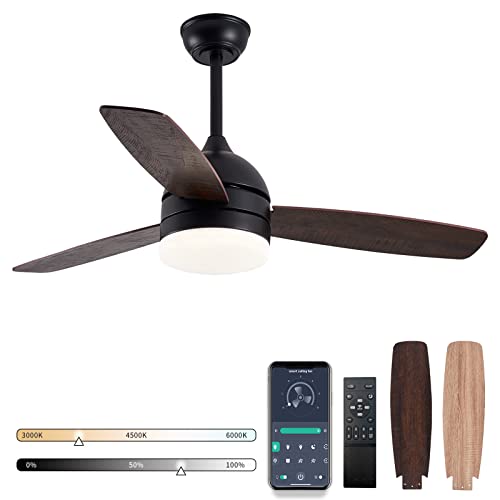
What Is a Transitional Ceiling Fan Really About?

What Is a Transitional Ceiling Fan often pops up right after someone realizes their room feels visually “off.” Maybe the furniture leans modern, but the lighting feels rustic. Maybe sleek décor clashes with overly decorative fixtures. That awkward middle ground frustrates people more than they expect, and honestly, a ceiling fan can either smooth everything out or make the whole room feel disconnected.
A transitional ceiling fan blends traditional warmth with cleaner modern lines. It avoids heavy ornamentation but still carries enough texture and personality to keep a room from feeling cold or sterile. That balance matters a lot in open-concept homes, renovated living spaces, and bedrooms where comfort should feel effortless instead of staged. Soft finishes, neutral blades, and subtle curves usually define the look.
Rooms change over time. Furniture gets swapped. Wall colors evolve. Flooring trends fade faster than most people would like to admit. A fan locked into one strict design style can suddenly feel outdated, which is why versatile ceiling fan designs continue gaining attention. Transitional styles tend to age more gracefully because they sit comfortably between classic and contemporary aesthetics.
Comfort matters just as much as appearance, though. Nobody wants a beautiful fan that hums loudly during the night or throws uneven airflow across the room. Transitional fans usually focus on quiet operation, balanced blade construction, and softer airflow movement that feels natural instead of aggressive. That detail becomes especially noticeable in bedrooms, reading corners, and family spaces where background noise quickly becomes irritating.
Size and proportion also play a huge role. Oversized industrial fans can overpower smaller rooms, while tiny decorative models often disappear visually in larger spaces. A thoughtfully designed transitional ceiling fan usually lands right in that sweet spot. It complements the room without screaming for attention, which, frankly, is harder to pull off than flashy design.
Finishes tell another part of the story. Matte black, brushed nickel, weathered wood, soft white, and muted bronze continue showing up because they adapt easily to changing décor. That flexibility helps homeowners avoid replacing fixtures every few years just because design trends shift. Neutral finishes quietly carry the room rather than dominating it.
Lighting integration has evolved too. Many people no longer want bulky glass bowls hanging from the center of the fan. Transitional models often feature cleaner integrated LED lighting with softer diffusion and slimmer profiles. The result feels calmer, lighter, and less cluttered overhead. Small detail, sure, but it changes the entire atmosphere of a room.
Energy efficiency quietly shapes buying decisions as well. People notice utility bills. They notice airflow quality. They definitely notice when certain rooms stay stuffy no matter how long the AC runs. A well-designed transitional ceiling fan helps circulate air more evenly while supporting a comfortable indoor environment without forcing the system to work overtime.

- LFR Score9.2
LFR Score is a ranking system developed by lightfansreviews.com. LFR Score has no relationship or impact from any manufacturers or sales agent websites. Learn more
- BrandDepuley
- LFR Score9.2
LFR Score is a ranking system developed by lightfansreviews.com. LFR Score has no relationship or impact from any manufacturers or sales agent websites. Learn more
- BrandSTERREN

- LFR Score9.0
LFR Score is a ranking system developed by lightfansreviews.com. LFR Score has no relationship or impact from any manufacturers or sales agent websites. Learn more
- BrandDINGLILIGHTING

- LFR Score8.8
LFR Score is a ranking system developed by lightfansreviews.com. LFR Score has no relationship or impact from any manufacturers or sales agent websites. Learn more
- BrandCHAREADA

- LFR Score8.8
LFR Score is a ranking system developed by lightfansreviews.com. LFR Score has no relationship or impact from any manufacturers or sales agent websites. Learn more
- BrandLEDIARY
- LFR Score8.8
LFR Score is a ranking system developed by lightfansreviews.com. LFR Score has no relationship or impact from any manufacturers or sales agent websites. Learn more
- Brandaddlon

- LFR Score8.8
LFR Score is a ranking system developed by lightfansreviews.com. LFR Score has no relationship or impact from any manufacturers or sales agent websites. Learn more
- BrandCurve Curio

- LFR Score8.8
LFR Score is a ranking system developed by lightfansreviews.com. LFR Score has no relationship or impact from any manufacturers or sales agent websites. Learn more
- Brandaddlon
Last update on 2026-06-08 / Affiliate links / Images, Product Titles, and Product Highlights from Amazon Product Advertising API
What Is A Transitional Ceiling Fan For Real Homes
Rooms can feel oddly unfinished even after the furniture, paint, rugs, and lighting seem “done.” The ceiling fan often gives away the problem because it sits right in the sightline, quietly pulling the room toward farmhouse, modern, traditional, or something messier than planned. A what is a transitional ceiling fan answer starts with balance: it blends classic comfort, cleaner lines, and easygoing finishes without making the space feel stiff or overly decorated.
Transitional Fan Meaning
A transitional ceiling fan mixes traditional warmth with modern restraint. It usually avoids heavy scrollwork, glossy drama, and overly sharp industrial styling. Instead, it leans into soft curves, simple blade shapes, and finishes that don’t boss the room around. That makes it easier to pair with wood floors, neutral sofas, painted cabinets, metal accents, and mixed furniture collected over time.
The style works because most homes aren’t locked into one pure design lane. A room might have a classic fireplace, a mid-century coffee table, a linen sofa, and matte black hardware. A fan that goes too rustic or too futuristic can make those details clash. A transitional fan sits between those styles and helps the room feel more pulled together.
Designers often use the phrase “quiet confidence” for pieces that support a space without stealing the whole show. That fits this fan category pretty well. The goal isn’t loud decoration. The real win is visual balance, comfortable airflow, and a fixture that still looks right after the room gets rearranged next year.
A transitional model also feels practical for people who don’t want to replace fixtures every time trends shift. Matte black, brushed nickel, aged bronze, soft white, and natural wood tones age better than flashy finishes. The fan still adds character, but it doesn’t trap the room in one trend cycle. That’s a big deal for long-term home updates that need to look current without feeling disposable.
Why This Style Solves Mixed Decor Problems
Mixed décor can get tricky fast. One corner feels warm and lived-in, while another looks crisp and modern. A transitional ceiling fan helps bridge that gap because it borrows enough from each side without overcommitting. The result feels intentional instead of accidental.
Picture a bedroom with paneled walls, simple bedding, black curtain rods, and a wood nightstand. A heavily ornate fan might make the room feel dated, while a super sleek fan could feel too cold. A balanced fan design gives that room a smoother middle ground. It adds function without creating a design argument overhead.
Open spaces make this choice even more useful. Living rooms, kitchens, and dining areas often share sightlines, so the fan has to cooperate with several finishes at once. A transitional style can echo cabinet hardware, wood flooring, or neutral lighting without copying every detail. That subtle connection keeps the room from looking patched together.
People also underestimate how much ceiling fixtures affect mood. A bulky fan can make a room feel lower, heavier, and more crowded. A cleaner transitional fan helps the ceiling feel calmer and less busy. That’s especially helpful in average-height rooms where every overhead detail needs to earn its place.
Blade Shape And Finish Matter
The blades tell you a lot about whether a fan is truly transitional. Traditional fans often have carved edges or decorative brackets, while modern fans lean flat, thin, and minimal. A transitional ceiling fan blade usually lands between those extremes with a simple profile, gentle taper, or wood-look surface. That shape gives the fan enough personality without turning it into ceiling furniture.
Finish matters just as much as shape. Warm wood blades soften white walls and gray furniture, while matte black adds definition without looking too flashy. Brushed nickel can feel calm in bathrooms, bedrooms, and kitchens with stainless appliances. The strongest choice usually supports existing metal tones, wood colors, and lighting finishes.
Blade count changes the look too. Three blades often feel modern and airy, while five blades can feel more traditional and familiar. Four blades sit in a nice middle lane, especially with softer edges and neutral finishes. For a cleaner visual line, explore best 2 blade ceiling fans if the room leans more minimal but still needs strong airflow.
There’s a tradeoff, of course. Very thin blades may look sleek but can feel out of place in cozy rooms with heavier textures. Dark blades can ground a space beautifully, but they may feel too bold against a low white ceiling. A good transitional fan should feel like it belongs from the doorway, not only in a close-up product photo.
Airflow Comfort Without Visual Clutter
A fan shouldn’t just look balanced. It has to move air in a way that feels comfortable during real daily routines. A transitional ceiling fan usually works best when it delivers steady airflow without harsh gusts, wobbling, or distracting motor noise. That matters in bedrooms, family rooms, and home offices where comfort gets noticed quickly.
Ceiling fan airflow is often measured in CFM, but bigger numbers aren’t always the whole story. A small bedroom doesn’t need the same push as a vaulted living room. The better question is whether the fan size, blade pitch, and motor match the space. A balanced setup helps prevent that annoying problem where one chair feels breezy and another corner stays stuffy.
Federal energy guidance has often pointed out that ceiling fans can help people feel cooler while using less air conditioning. The practical lesson is simple: air movement changes comfort even when room temperature stays the same. That doesn’t mean the fan cools the air itself. It helps skin feel cooler by moving air across the body.
Noise deserves its own attention. A fan with a pretty finish loses its charm fast if it clicks at night or hums during a movie. Quiet motors, secure mounting, and well-balanced blades matter more than dramatic styling. A quiet transitional fan feels calm because both the look and the operation stay out of the way.
Lighting Choices That Keep The Room Calm
Lighting can make or break a ceiling fan. Old-school bowl lights often feel bulky, especially in rooms that already have lamps, recessed lights, or pendants. Many transitional ceiling fans use slimmer integrated lighting to keep the ceiling line cleaner. The best versions feel soft and useful instead of glaring or decorative for the sake of it.
Warm light usually suits bedrooms and living rooms better than harsh cool light. A fan with dimmable lighting gives more control for reading, relaxing, or casual evenings. That flexibility helps the fixture support different moods without needing extra lamps everywhere. Soft lighting and quiet airflow make the room feel easier to live in.
Some lighting issues come from compatibility rather than style. Flickering LEDs, odd dimmer behavior, or resistor-related problems can turn a simple update into a headache. For a separate electrical fix, use this practical guide on how to install resistor for led lights before guessing your way through LED behavior. Electrical work should stay safe, neat, and matched to the fixture’s requirements.
Decorative bulbs and specialty lighting can still belong nearby, but they shouldn’t fight the fan. A glass display cabinet, accent shelf, or vintage collection may need a different kind of glow. For display lighting outside the fan itself, compare best uv light for uranium glass if the goal is to highlight collectible glass without forcing that job onto the ceiling fixture. Keeping each light source in its lane makes the whole room feel cleaner.
Room Size And Ceiling Height Decide More Than Style
Style gets the attention, but size quietly decides whether the fan feels right. A transitional ceiling fan that’s too large can make a bedroom feel crowded from above. A fan that’s too small may look timid and fail to move air across the full room. Proportion matters because the fan is both a fixture and a working appliance.
Low ceilings usually need flush-mount or low-profile designs. Those models keep the fan closer to the ceiling and reduce the chance of the fixture feeling intrusive. Rooms with taller ceilings often need a downrod so the blades sit at a better operating height. The right mounting style protects both airflow quality and visual comfort.
Blade span should match the room’s square footage, but furniture layout matters too. A fan centered in the room might not feel centered over the living area if the seating floats to one side. In that case, placement affects comfort as much as size. A well-placed fan supports the actual living zone, not just the floor plan on paper.
Outdoor or damp spaces add another layer. Covered patios, sunrooms, and humid laundry areas need fans rated for those conditions. A transitional look can still work there, but the materials and motor housing need to handle moisture properly. Pretty finishes won’t help much if the fan warps, rusts, or struggles after one sticky season.
Best Transitional Ceiling Fan Style For Modern Spaces
Some rooms look polished during the daytime but strangely disconnected at night. The couch fits. The flooring works. The lighting feels close, yet something overhead keeps pulling attention in the wrong direction. A transitional ceiling fan often fixes that tension because it blends soft design details, comfortable airflow, and timeless finishes without making the room feel staged.
Why Transitional Fans Age Better
Design trends move fast, honestly faster than most people want to spend money updating their homes. One year everything leans farmhouse, then suddenly clean modern interiors take over social feeds and renovation shows. A transitional ceiling fan survives those swings more comfortably because it avoids extreme styling. The fan feels current without screaming for attention.
That flexibility matters in real houses where furniture changes slowly over time. A dining table may stay traditional while new lighting fixtures lean modern. A neutral fan with balanced finishes and simple blade lines adapts more naturally than heavily themed fixtures. Rooms feel calmer because the fan supports the space instead of competing with every update.
People also get tired of replacing ceiling fixtures purely for aesthetic reasons. Electrical work costs money, mounting hardware gets annoying, and patching ceilings becomes a whole afternoon project nobody planned for. A versatile ceiling fan cuts down on those headaches because it keeps working visually through different décor phases. That practical value matters more than trendy styling after a few years.
Texture plays a role too. Soft wood tones, matte surfaces, and subtle metal finishes tend to blend with evolving interiors better than glossy chrome or distressed overload. A room with layered textures almost always benefits from quiet visual balance rather than dramatic contrast hanging overhead.
How Motor Quality Changes Daily Comfort
A fan might look beautiful online but become irritating after a week if the motor rattles or hums constantly. That frustration usually shows up late at night when everything else in the house gets quiet. A good transitional ceiling fan should feel stable, smooth, and almost forgettable during operation. Quiet performance becomes part of the room’s comfort instead of another distraction.
DC motors have become more common because they often run quieter while using less electricity than older AC designs. They also tend to offer more speed settings and smoother transitions between airflow levels. Still, some DC fans cost more upfront, so the tradeoff depends on how often the fan actually runs. Bedrooms and living spaces usually benefit the most from that upgrade.
Blade balance matters just as much as the motor itself. Even a small wobble can create ticking sounds, uneven airflow, or visual movement that slowly drives people crazy. Proper installation helps, but the fan’s overall build quality matters too. A stable blade system and solid mounting bracket reduce those annoying little movements.
Speed control deserves attention as well. Some fans blast air aggressively at low settings, while others barely move enough air to notice. A transitional fan should offer comfortable airflow adjustment that feels usable during changing seasons instead of giving only two extremes. Small details like that shape everyday comfort far more than flashy design features.
Color Coordination Without Overthinking
Color coordination sounds simple until ceiling finishes enter the conversation. Suddenly the room has black hardware, brushed nickel faucets, walnut shelves, white trim, and warm flooring all fighting for attention. A transitional ceiling fan works because it usually combines finishes gently rather than pushing a single bold statement.
Matte black remains popular because it outlines the fan cleanly without looking shiny or overly industrial. Soft bronze finishes warm up rooms with beige, cream, or earthy colors. Brushed nickel often blends nicely in homes with stainless appliances or cooler lighting tones. The goal isn’t perfect matching. It’s creating visual consistency that feels relaxed instead of forced.
White fans deserve more credit than they usually get. In rooms with lower ceilings, white blades often blend into the ceiling line and reduce visual heaviness overhead. That subtle effect helps smaller bedrooms or compact living areas feel more open. For covered patios or breezy outdoor spaces, compare best white outdoor ceiling fan ideas if you want that same lighter visual feel outside.
Natural wood finishes also keep transitional designs grounded. Oak, walnut, weathered gray, and lighter ash tones connect beautifully with floors, shelves, and furniture. The fan feels tied into the room instead of floating awkwardly above it. A wood-tone blade finish often softens modern spaces that risk feeling too cold or sterile.
Lighting Placement And Ceiling Balance
Overhead lighting can either calm a room down or make it feel cluttered within seconds. Large glass bowls and oversized light kits sometimes pull too much visual weight into the center of the ceiling. Transitional fans usually lean toward cleaner lighting profiles with softer diffusion and slimmer shapes. That keeps the ceiling from feeling crowded.
Integrated LED lighting has become more common partly because people want fewer visible parts hanging overhead. A slim integrated fixture creates a flatter ceiling line while still providing useful illumination. The room feels cleaner visually, especially in bedrooms or smaller living spaces where bulky fixtures dominate too easily.
Brightness matters, but placement matters more than many realize. Harsh downward light can create uncomfortable glare on coffee tables, glossy counters, or television screens. Softer lighting paired with adjustable dimming creates a more flexible atmosphere for relaxing evenings or early mornings. Small lighting choices quietly shape how comfortable a room feels every day.
Outdoor lighting creates similar challenges around patios, garages, and entryways. Bright flood lighting sometimes feels too harsh near seating areas or covered porches. For broader exterior lighting support around walkways or outdoor living zones, compare best solar motion sensor light outdoor waterproof setups that add security without overwhelming the atmosphere near the fan itself.
Maintenance Frustrations Most People Ignore
Dust builds up faster than people expect, especially on darker blades. Ceiling fans that look sharp during installation can start looking grimy within weeks if cleaning feels difficult. A transitional ceiling fan with smoother blade surfaces and simpler detailing usually wipes down faster than heavily carved designs. That practical detail matters during real weekly cleaning routines.
Remote controls also create mixed experiences. Some work flawlessly for years, while others become annoying after battery issues, delayed response times, or signal problems. Wall controls feel more reliable for some households, especially in shared rooms where remotes disappear constantly. A simple control system often ages better than overly complicated smart features.
Glass shades can attract bugs, dust, and fingerprints surprisingly quickly. Integrated lighting avoids some of that maintenance hassle because fewer exposed surfaces collect grime. The ceiling feels cleaner longer, which helps rooms stay visually calm between deep cleaning days. Less maintenance usually means people stay happier with the fixture over time.
Humidity adds another challenge in bathrooms, laundry rooms, and covered outdoor areas. Poorly rated fans can develop rust spots, warped blades, or noisy bearings after enough moisture exposure. Transitional styling still works beautifully in those spaces, but the fan needs damp-rated materials and weather-resistant finishes to stay dependable long term.
Why Transitional Design Feels Easier To Live With
Some décor styles demand constant commitment. One dramatic fixture forces every surrounding detail to match its personality, which gets exhausting after a while. A transitional ceiling fan feels easier because it adapts quietly as rooms evolve over time. New furniture, paint colors, rugs, or lighting updates don’t automatically force another ceiling replacement.
That relaxed flexibility matters emotionally too. Homes feel more comfortable when every design decision doesn’t scream for attention. Transitional fans support routines instead of turning the room into a showroom display. The space feels lived in, layered, and easier to settle into after long days.
Families also use rooms differently over time. A guest room becomes a nursery. A formal dining room turns into a workspace. Furniture shifts constantly as routines change. A fan with balanced styling and neutral finishes adjusts more naturally through those transitions without feeling visually outdated or oddly specific.
Comfort, appearance, airflow, lighting, and flexibility all work together in subtle ways. A strong transitional fan doesn’t need dramatic styling to leave an impression. The real success shows up when people stop noticing the fan entirely because the room finally feels complete, comfortable, and visually settled.


Best Small Flush Mount Ceiling Fans 2026 Ultimate Picks

Best Smart Ceiling Fan India 2026 For Effortless Comfort

Best Smart Ceiling Fans with Lights for 2026: Top Picks

Best Smart Home Non Ceiling Fans 2026 For Ultimate Comfort

Best Outdoor Misting Ceiling Fan 2026 For Ultimate Comfort

Best Outdoor Ceiling Fans For Porch 2026 With Style And Breeze

Best Smart Bulb For Ceiling Fan 2026 That Brightens Life
Best Smart Ceiling Fan Control 2026 For Effortless Comfort