What Is a Wall Sconce Light and Where Does It Go?

Take a quick look at the bare wall space beside a bed, hallway, or mirror before shopping for bulky furniture lamps. Mounting a light right there fixes dim corners, because a wall sconce is simply a light fixture attached directly to the wall instead of hanging overhead or resting on a table. It brings illumination right to eye level while keeping floor space and tabletops completely clear.
How this fixture fits your space depends on how it gets power and where the beam points. Traditional models connect directly to household wiring inside the wall, but simple plug-in cords and battery options require no electrical work. The shade style also changes the effect, sending light upward to brighten the ceiling, downward for reading, or outward for a soft glow. Steamy bathrooms also need fixtures rated for damp air. Here is what to know about each style so you can choose the right setup.
Use Wall Lights to Clear Floor Space and Soften Harsh Shadows
A wall sconce is a lighting fixture that attaches directly to an interior or exterior wall rather than hanging from the ceiling or sitting on a table. Traditional ceiling lights cast harsh downward rays that leave corners dark and create unflattering shadows across faces. Table and floor lamps help spread the glow, but their bases and cords take up valuable room on nightstands, desks, and walk paths. A wall sconce bridges that gap by securing light right at eye level while leaving your furniture and floors completely open.
People rely on wall sconces primarily for layered illumination. In interior design, a balanced room blends ambient lighting (general room glow), task lighting (focused light for reading or grooming), and accent lighting (visual interest on art or architecture). Sconces can fulfill any of those three roles depending on how the fixture directs its beam. Placing a sconce along a dark corridor turns a gloomy hallway into a welcoming passage without blocking foot traffic.
Wall sconces also eliminate the heavy visual weight of bulky floor lamps. In a compact bedroom, mounting two fixtures to the wall beside your headboard immediately frees up surface space on your bedside tables for books, glasses, or a phone charger. In living rooms, they add warmth to bare walls, breaking up large expanses of paint with pleasant pools of light.
Match Your Fixture Power to Your Wiring and Rental Limits
The biggest worry people have about wall sconces is the installation process. Many shoppers assume that buying a wall light automatically requires hiring an electrician, cutting open drywall, and running expensive new cables. In reality, modern wall lights come in three distinct power styles, each built for different living situations and skill levels.
A hardwired fixture connects directly to household electrical wires behind the wall. The backplate of the sconce bolts to a junction box (an electrical box hidden inside the wall where wires meet). This setup provides the cleanest, most permanent look because no cords hang down the wall. You control the fixture using an existing wall switch or a matching wall dimmer. If you choose this route, always shut off the circuit breaker at the main electrical panel before touching any wires. Installing a new junction box where none exists requires running new electrical lines, which means you should call a licensed electrician if you are not experienced with home wiring.
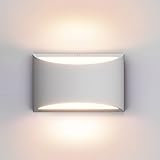
A plug-in sconce gives you the look of a permanent light without any behind-the-wall wiring. You simply screw a mounting bracket into your drywall, hang the fixture, and let the decorative cord drop down to the nearest standard wall outlet. Most plug-in models come with a convenient thumb switch or rotary dial built directly into the cord or base. You can leave the cord exposed for an industrial aesthetic, or snap on a painted metal cord cover that hides the wire against your baseboard. This option is ideal for renters or budget-conscious homeowners who want quick installation using simple drywall anchors.
A battery-operated sconce provides complete freedom from wall boxes and electrical outlets. These wireless fixtures secure to the wall using basic screws, adhesive pads, or magnetic mounting plates. They run on rechargeable lithium packs or replaceable batteries and turn on using a touch sensor, a small handheld remote, or even an automatic motion detector. If you want hands-free lighting that turns on as you walk by at night, battery units function much like dedicated motion sensor lights for hallways and stairs. Renters often prefer battery sconces because removing them takes minutes and leaves only tiny pinholes to patch before moving out.
Pick Between Uplights, Downlights, and Diffused Shades to Control Glare
Not every wall sconce spreads light the same way. The shape of the fixture shade dictates where the beam travels, which changes how comfortable the room feels. Choosing the wrong shade style can lead to sharp glare in your eyes or awkward shadows on the floor.
An uplight sconce directs all of its beam toward the ceiling. The light washes up the wall and reflects softly across the upper room, creating indirect, ambient light. Because you cannot see the bare light bulb from below, uplights virtually eliminate eye strain and glare. They work wonderfully in living rooms, home theaters, and bedrooms where you want a calm, cozy atmosphere. However, uplights make poor reading lights because they do not push illumination down onto your lap or book.
A downlight sconce points its beam straight at the floor or an underlying surface. This focused beam provides crisp task lighting, making downlights a practical choice on either side of a bed or above a kitchen workstation. Some models feature adjustable gooseneck arms or pivoting heads so you can point the beam directly at your novel or tablet. Keep in mind that a downlight placed too high on a wall can cast long, dark shadows beneath floating shelves or picture frames.
A diffused or shaded sconce allows light to spread in all directions through a semi-transparent cover. These fixtures feature frosted glass globes, fabric drums, or pleated paper shades that soften the output of the bulb. The shade spreads an even, flattering glow outward, upward, and downward at the same time. Diffused fixtures are the standard choice for flanking bathroom vanity mirrors because they illuminate your face evenly from the sides without casting harsh vertical shadows under your chin or nose.
Place Sconces Where Overhead Lights Fail to Reach
Sconces shine brightest in areas where ceiling fixtures feel too aggressive or leave dark visual corners. Identifying the right room helps you choose the right power source and shade style for the job.
In hallways and stairwells, overhead ceiling cans often create alternating patches of bright light and dark shadows. Placing a series of low-profile sconces along the wall provides consistent illumination from one end of the corridor to the other. Sconces also make stairs safer to navigate at night by illuminating the actual step treads without blinding your eyes with an overpowering ceiling fixture.
In bathrooms, sconces belong directly beside the vanity mirror rather than above it. A single light mounted over the top of a mirror beams downward, creating deep shadows beneath your eyes, nose, and chin. Placing two matching sconces at eye level on either side of the mirror bathes your face in balanced, even light that makes shaving, grooming, and applying cosmetics much easier. When outfitting this area, always verify that the fixture is labeled as damp-rated for steamy bathrooms and covered patios so moisture from hot showers does not damage the internal parts.
In the bedroom, wall sconces serve as clutter-free bedside lamps. Positioning swing-arm sconces just above your headboard lets you read comfortably in bed without straining to reach a distant nightstand switch. If you tie your bedroom or hallway fixtures into smart lights for dependable routines, you can set your wall fixtures to dim gradually at bedtime and brighten gently in the morning.
In living rooms and dining areas, sconces act as decorative accents. Flanking a fireplace mantel, an architectural archway, or a framed piece of art with matching sconces draws the eye to focal points and gives the room depth. Instead of flooding the space with bright overhead ceiling lights, you can turn off the main lights and leave only the sconces on for a warm, welcoming evening glow.
Follow Proven Height and Spacing Rules to Prevent Blinding Glare
Mounting a sconce at the wrong height is the most common decorating mistake homeowners make. If you hang it too high, you stare directly into the bottom of the open fixture; if you hang it too low, the top of the bulb glares into your eyes. Using standard measurements keeps the light comfortable and functional.
- Target standard eye level: In most living rooms, hallways, and entryways, mount the center of the sconce between 60 and 65 inches off the finished floor. This places the light source slightly above eye level for most adults, keeping the bright bulb hidden beneath the shade.
- Adjust for tall ceilings: If your room features ceilings taller than nine feet, raise the fixture height slightly to roughly 66 to 72 inches from the floor so the light does not look marooned on a massive blank wall.
- Space hallway fixtures evenly: When lining a long hallway, space your sconces about 6 to 8 feet apart. This spacing lets the beams overlap naturally without leaving gloomy dark gaps between fixtures.
- Set vanity sconces at cheek height: Beside a bathroom mirror, position the center of the lights roughly 60 to 65 inches off the floor, spaced 36 to 40 inches apart across the mirror width. This positions the glow right at cheek level for true facial illumination.
- Check wall projection depth: In narrow corridors and stairways, choose fixtures that extend less than 4 inches outward from the drywall. Slim profiles prevent people, laundry baskets, and moving boxes from catching on the fixture as they walk past.
Check Power Options and Shade Depth Before You Buy
Finding the right wall sconce comes down to matching the fixture to your wall setup and your everyday lighting habits. Start by confirming how the fixture gets power. If you have an existing wall switch and a recessed junction box ready to go, a permanent hardwired fixture provides a streamlined, seamless look. If you are renting or do not want to cut open drywall, look for plug-in designs with decorative cords or rechargeable battery models that stick in place with simple mounting plates.
Pay close attention to light output and bulb compatibility before making a final choice. Check the brightness in lumens, keeping in mind that lumens measure actual brightness while watts only measure power draw. For ambient accent lighting or bedtime reading, a bulb delivering 300 to 500 lumens is usually plenty. For bathroom vanity grooming, aim for brighter bulbs producing 700 to 1,000 lumens per fixture.
Look at color tone or warmth (Kelvin) to set the mood of the room. A rating of 2700K produces a warm soft white that feels welcoming in living rooms and bedrooms, while a 5000K bulb provides a crisp daylight tone that helps with detailed workshop tasks. Fixtures featuring a standard screw-in bulb base (E26 medium base) give you the freedom to swap out bulbs anytime, whereas models with built-in LED arrays provide slim, modern silhouettes that never require bulb replacements. Finally, measure your walkway clearance to ensure the shade depth does not stick out too far into high-traffic zones.

- LFR Score9.0
LFR Score is a ranking system developed by lightfansreviews.com. LFR Score has no relationship or impact from any manufacturers or sales agent websites. Learn more
- BrandEZVALO

- LFR Score8.4
LFR Score is a ranking system developed by lightfansreviews.com. LFR Score has no relationship or impact from any manufacturers or sales agent websites. Learn more
- BrandBUTHY

- LFR Score7.4
LFR Score is a ranking system developed by lightfansreviews.com. LFR Score has no relationship or impact from any manufacturers or sales agent websites. Learn more
- BrandEZVALO
- LFR Score7.1
LFR Score is a ranking system developed by lightfansreviews.com. LFR Score has no relationship or impact from any manufacturers or sales agent websites. Learn more
- BrandAipsun
Last update on 2026-10-17 / Affiliate links / Images, Product Titles, and Product Highlights from Amazon Product Advertising API
FAQs
Can I install a wall sconce without an electrician?
Yes, you can easily install plug-in or battery-operated wall sconces by yourself using basic household hand tools. Plug-in models mount to drywall with simple screws and plug directly into an ordinary wall outlet. Battery-powered lights require no wiring at all, often attaching with light brackets or adhesive pads. You only need an electrician if you want to install a hardwired sconce in a spot that lacks an existing junction box.
How bright should a wall sconce bulb be?
The ideal brightness depends on what you use the room for. For relaxing spaces like bedrooms, hallways, and living rooms, choose bulbs rated between 300 and 500 lumens for a gentle, warm glow. For bathroom mirrors and makeup vanities where you need crisp detail, look for bulbs producing 700 to 1,000 lumens. Pairing your fixtures with an LED-compatible dimmer switch lets you adjust that brightness throughout the day.
Are wall sconces bright enough to light a whole room?
Most wall sconces are designed for accent or task lighting, not for lighting an entire room on their own. While a series of multiple sconces along the perimeter can illuminate a hallway or small bedroom, larger living spaces usually require a mix of lights. Combining wall sconces with ceiling fixtures and floor lamps creates balanced, comfortable illumination without harsh shadows.
Can renters use wall sconces without losing their security deposit?
Renters can safely use plug-in or battery-operated wall sconces without damaging the property. Battery models can often be mounted using heavy-duty, damage-free adhesive strips or tiny nails that leave barely noticeable marks. Plug-in fixtures only require a couple of standard drywall screws, which you can quickly fill with a dab of spackle before moving out.


Best Lighting For Makeup 2026 Bright Ideas For Flawless Looks

Best Wall Sconces For Staircase 2026 Brighten Your Home
Best Lighting For Computer Desk 2026 For Focused Work

Best Boat Black Lights 2026 For Nighttime Adventure

Best Black 30 Inch Light Bar Reviews – Top Picks of 2026

Best Black Light For Aquarium 2026 For Vibrant Glow

Best Black Light for Authenticating Glass 2026 Top Picks
Best Waterproof Spotlight 2026 That Outshines Expectations