What Is an A19 Light Bulb and Will It Fit Your Lamp?

Most people assume the code stamped on a bulb indicates a complicated electrical rating. In reality, an A19 bulb is simply the classic pear-shaped light bulb found in bedside lamps and ceiling fixtures across most homes. The letter stands for the rounded teardrop shape, while the nineteen measures its width at about two and three-eighths inches across. It is just the familiar household bulb standard in North America for generations.
Getting the right fit is usually straightforward, but two quick checks matter. The A19 label only describes the glass silhouette, not the metal screw base, though it almost always pairs with a standard medium screw base. Enclosed glass covers or tight clip-on shades might also need a smaller bulb, and dimmer switches require bulbs clearly marked dimmable. Here is how to identify your fixture and choose the right replacement without guessing.
What the A19 Code Means for Your Light Bulb
The code on your light bulb looks like a technical secret, but it is actually a simple set of physical measurements. The letter A stands for Arbitrary, which is the lighting industry term for the classic teardrop or pear shape. When most people imagine a light bulb, they picture this rounded glass top that gently narrows down to a metal screw base. It is the familiar bulb profile that has lit American living rooms, bedrooms, and hallways for over a century.
The number 19 tells you the exact width of the bulb at its widest point. Lighting sizes in North America are measured in eighths of an inch. When you divide 19 by 8, you get 2.375 inches, which rounds to about 2.38 inches across the middle of the glass. In metric measurements, that comes out to roughly 60 millimeters in diameter.
Along with its width, a standard A19 bulb stands about 4.1 inches tall from the tip of the glass dome down to the contact point at the bottom of the base. Knowing these dimensions helps when you have a lamp with tight clearances. If your fixture has a narrow glass chimney, a wire shade bracket, or a shallow globe, an A19 bulb is built to sit comfortably inside without touching the sides.
Manufacturers stick to these standardized measurements so you can buy a replacement bulb from almost any brand and know it will fit inside your household fixtures. You do not need a ruler when shopping. If your lamp manual calls for an A19 bulb, any replacement carrying that label shares the same classic shape and standard outer dimensions.
A19 Versus E26: Bulb Shape Versus Screw Base
Many shoppers see A19 and E26 printed on the same retail box and wonder if they mean the same thing. They do not. The code A19 describes the shape and size of the glass bulb above the base. The code E26 describes the metal screw base at the very bottom that threads into your lamp socket.
The letter E stands for Edison screw, named after Thomas Edison, and the number 26 means the base is 26 millimeters across the outer threads. In the United States, an E26 base is called the standard medium screw base. It is the ordinary metal screw thread you find on almost every everyday household lamp, floor torchiere, and ceiling light.
Because nearly all standard household bulbs in the United States share both traits, an A19 bulb almost always comes with an E26 base. But keeping the two terms separate will save you from buying the wrong bulb for specialty fixtures. For example, a round bathroom vanity bulb has an E26 base, but its glass shape is called a G25 globe. A wide floodlight for recessed ceiling cans also uses an E26 base, but its shape is a BR30 or PAR38.
Think of it like buying shoes. The A19 label tells you the style of the upper shoe, while the E26 label tells you the sole size. For a standard lamp, you need both: the classic pear shape to clear your shade and the standard medium screw base to screw cleanly into the socket.
Where You Will See A19 Bulbs in Your Home
Because the A19 shape is so versatile, you will find it in nearly every room of a typical home. Table lamps in living rooms and on bedside nightstands almost always rely on this bulb. The standard harp, which is the metal wire frame that arches over the bulb to support the lampshade, is sized specifically around the height and width of an A19 bulb.
Ceiling flush-mount fixtures are another common home for this bulb shape. These fixtures, often found in hallways, laundry rooms, and bedrooms, feature a round glass bowl held against the ceiling by a decorative center nut. Inside that bowl, you will usually find one or two standard medium screw base sockets designed to hold horizontal or angled A19 bulbs.
You will also encounter A19 bulbs in floor lamps, hanging pendant lights, and wall sconces along stairways. In open fixtures where the bulb stays completely visible, many homeowners choose clear glass A19 bulbs with decorative internal LED filaments instead of solid white frosted glass. If you have an overhead pendant or cage light, choosing the best bulb for exposed light fixtures helps you balance clear visibility with comfortable, glare-free illumination.
Five Steps to Check Before Buying an LED A19 Bulb
Modern LED bulbs have replaced older incandescent options on store shelves. While an LED A19 bulb fits into the exact same lamp socket as an old incandescent bulb, LEDs offer different brightness levels, light colors, and electrical features. Follow these five checks in order to pick the exact right replacement bulb for your room.
- Check the metal socket size on your fixture. Look inside the lamp socket while the power is switched off. You want to confirm it is a standard medium screw base (E26) rather than a smaller candelabra base (E12), which is common in chandeliers and small decorative wall lights. Taking ten seconds to verify socket width prevents buying a bulb with threads that are simply too wide to screw in.
- Measure the physical clearance inside tight shades or covers. A standard A19 bulb is roughly 4.1 inches tall and about 2.38 inches wide. If your fixture has a tight glass globe, a narrow decorative jar, or a shade that clips directly onto the bulb glass, confirm that an A19 will not press against the sides. Tight enclosures can trap heat or prevent a clip-on shade from sitting level.
- Choose your brightness by lumens instead of wattage. Look for the lumen rating on the package to decide how bright the light will be. An old 60-watt incandescent bulb produced roughly 800 lumens of brightness, which is the standard level for reading lamps and general room lighting. Modern LED bulbs produce that same 800 lumens of light while drawing only 8.5 to 10 watts of actual electrical power. If you need brighter light for a large family room or workspace, look for a 100-watt equivalent bulb that delivers around 1,500 lumens while drawing roughly 13 watts.
- Select the right color temperature for your room. Read the Kelvin rating printed on the box, which tells you whether the light looks warm and relaxing or crisp and cool. A 2700K bulb gives off a soft warm white glow with an amber tone that matches traditional incandescent bulbs, making it ideal for bedrooms and living rooms. A 5000K bulb gives off a daylight white glow with a crisp, cool tint that helps you see fine details in home offices, garages, and laundry rooms.
- Verify your wall switch or lamp control type. Check whether your fixture connects to a standard on-off toggle switch, a wall dimmer slider, or a multi-click lamp socket. Many basic A19 LED bulbs are non-dimmable; if you place a non-dimmable LED on a dimmer circuit, the bulb will buzz, flicker, or stop working prematurely. If your table lamp has a socket switch that clicks through low, medium, and high light levels, you need a specialized bulb, so understanding what is a three way light bulb and how it works will keep your multi-setting lamp operating properly.
Situations Where an A19 Bulb Will Not Fit or Work
While an A19 bulb is the most common bulb in North America, it does not work in every household fixture. One frequent issue happens in compact ceiling fans and small desk lamps. These fixtures often have very shallow glass bowls or low wire cages that leave little headroom. In those tight spots, an A19 bulb is too tall, requiring a smaller A15 bulb instead, which uses the same pear shape but stands only about 3.5 inches tall.
Recessed ceiling cans are another place where an A19 bulb is the wrong choice. An A19 bulb sends light out in all directions across a wide circle. When you screw an A19 deep inside a metal recessed ceiling can, much of that light gets trapped inside the metal can rather than shining down into your room. Recessed cans work best with directional flood bulbs like BR30 or PAR38 bulbs, which feature built-in reflective shoulders that aim all their brightness straight downward onto your floors and counters.
You must also be careful with fully enclosed glass fixtures, such as airtight outdoor jelly-jar lanterns or sealed bathroom vapor globes. Even though LED bulbs stay much cooler to the touch than old incandescent bulbs, their internal electronics generate heat at the base. If an LED bulb is not specifically labeled as enclosed fixture rated, trapped heat inside the glass cover will bake the electronic circuit board and cause the bulb to fail within months.
Finally, track lighting heads and mini accent spotlights rarely use A19 bulbs. These smaller directional fixtures usually feature two-pin push-in bases (GU5.3) or twist-and-lock two-prong bases (GU10). If you encounter unusual pins, scorch marks on a socket, or damaged electrical wires, never force a bulb into place. Turn off power at the wall switch or main breaker panel, and consult a licensed electrician to inspect or replace a damaged socket safely.
What to Look for in a Standard A19 Replacement Bulb
When you are ready to replace burned-out bulbs around your home, buying multi-packs of standard A19 LED bulbs is the most practical and cost-effective approach. Because most houses use dozens of these bulbs across table lamps, hallways, and bedrooms, keeping several spares in your utility closet ensures you always have a replacement ready when a light goes dark.
Before purchasing, check the finish on the glass envelope. Frosted white bulbs are the best everyday choice for lamps with fabric shades or frosted ceiling fixtures because the frosted coating softens the beam and eliminates harsh glare. If your fixture features clear glass panels where the bulb is completely exposed, look for clear glass LED filament bulbs that look attractive while turned on or off.
Always double check the package details to confirm that the base is a standard medium screw base and that the dimming capability matches your switch. Choosing bulbs with high color rendering, meaning how natural colors appear under the light, ensures that furniture, wall paint, and skin tones look rich and true in every room of your home.

- LFR Score9.4
LFR Score is a ranking system developed by lightfansreviews.com. LFR Score has no relationship or impact from any manufacturers or sales agent websites. Learn more
- Brandevelor
- LFR Score9.4
LFR Score is a ranking system developed by lightfansreviews.com. LFR Score has no relationship or impact from any manufacturers or sales agent websites. Learn more
- BrandMAXvolador
- LFR Score9.4
LFR Score is a ranking system developed by lightfansreviews.com. LFR Score has no relationship or impact from any manufacturers or sales agent websites. Learn more
- BrandLEDVANCE

- LFR Score9.2
LFR Score is a ranking system developed by lightfansreviews.com. LFR Score has no relationship or impact from any manufacturers or sales agent websites. Learn more
- BrandDEGNJU

- LFR Score9.2
LFR Score is a ranking system developed by lightfansreviews.com. LFR Score has no relationship or impact from any manufacturers or sales agent websites. Learn more
- BrandAmazon Basics

- LFR Score9.2
LFR Score is a ranking system developed by lightfansreviews.com. LFR Score has no relationship or impact from any manufacturers or sales agent websites. Learn more
- BrandTJOY

- LFR Score9.2
LFR Score is a ranking system developed by lightfansreviews.com. LFR Score has no relationship or impact from any manufacturers or sales agent websites. Learn more
- BrandPhilips
- LFR Score9.0
LFR Score is a ranking system developed by lightfansreviews.com. LFR Score has no relationship or impact from any manufacturers or sales agent websites. Learn more
- BrandMaylaywood
Last update on 2026-10-01 / Affiliate links / Images, Product Titles, and Product Highlights from Amazon Product Advertising API
FAQs
Can an A19 bulb replace an A15 or A21 bulb?
An A19 bulb can physically replace an A15 or A21 bulb as long as both bulbs share a standard medium screw base and the fixture has enough physical clearance. An A15 bulb is shorter and narrower, making it better for cramped ceiling fan globes where an A19 might press against the glass. An A21 bulb is slightly wider and taller, often used for extra-bright bulbs that need a larger surface area to shed heat.
Can I put a 100-watt equivalent LED A19 into a lamp rated for 60 watts?
Yes, you can safely use a 100-watt equivalent LED A19 in a fixture marked with a 60-watt maximum warning label. That socket warning was written for older incandescent bulbs that generated intense heat from burning 60 watts of electricity. A modern 100-watt equivalent LED bulb only draws around 13 watts of actual power, meaning it produces far less heat than the lamp socket was built to handle.
Can I use a standard A19 bulb in an outdoor porch light?
You can use an A19 bulb outdoors if your porch lantern shields the bulb completely from rain and snow, and the bulb packaging lists it for damp or wet locations. If your outdoor light is an airtight, sealed glass lantern, you must also ensure the bulb packaging specifies that it is rated for enclosed fixtures. Trapped heat and trapped outdoor moisture will quickly destroy the internal driver of a standard indoor LED bulb.
Why does my new A19 LED bulb buzz or flicker?
An A19 LED bulb usually buzzes or flickers because it is connected to an incompatible wall switch. If you put a non-dimmable LED bulb on a circuit controlled by a dimmer slider, the electrical current causes the internal driver to vibrate and pulse. Replacing the bulb with one specifically marked as dimmable, or swapping the fixture to a standard on-off wall switch, will eliminate the buzzing sound.

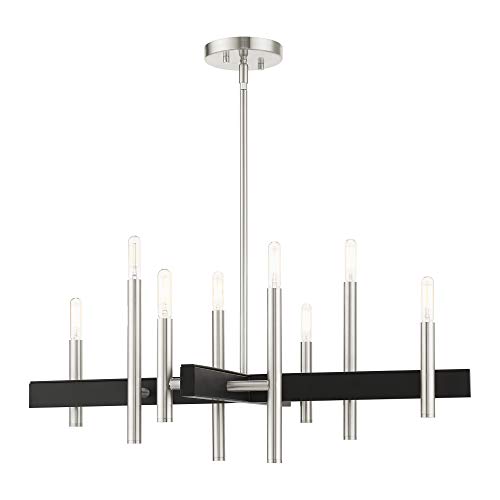
Best Bulb For Exposed Light 2026 That Shines Bright

Best Industrial Light Bulb Reviews: Top Picks for 2026
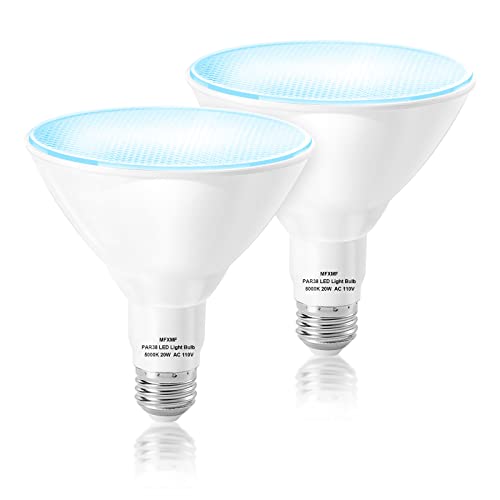
Best Outdoor Light Bulb Reviews: Top-Rated Picks for 2026
Best LED Reading Light Bulb Reviews - Top Picks for 2026

Best Vintage Light Bulb 2026 With Style And Glow
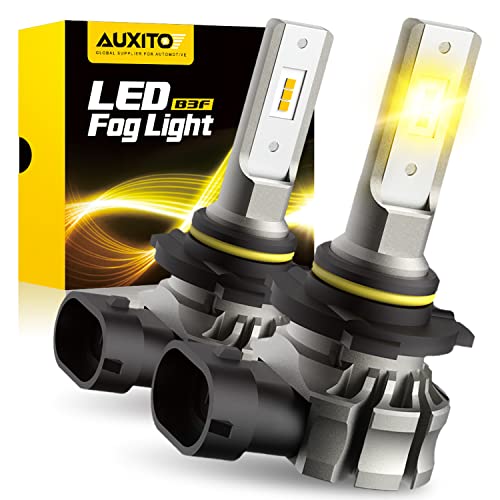
Best Yellow Fog Light Bulb 2026 For Clearer Night Drives

Best Z Wave Light Bulb 2026 Top Picks For Smart Control
Best Light Bulb For Vanity Mirror 2026 Brightness Boost