
What Is an E12 Candelabra Light Bulb Base?

Finding a small burnt-out bulb with an unfamiliar code stamped on the metal is nothing to worry about. An E12 label simply means the bulb has a small screw base measuring 12 millimeters across, or roughly half an inch wide. Most people call this a candelabra base because decorative fixtures like chandeliers, wall sconces, and ceiling fans use these slender sockets instead of thicker household lamp sockets.
Getting the right replacement depends on a few practical details around your fixture. Standard lamp sockets are more than twice this size, so an E12 bulb will not screw into a regular table lamp. The shape of the glass also matters, since decorative candle tips or round globes must fit inside tight glass covers. If the light connects to a wall slider, picking a dimmable bulb prevents buzzing. Here is how to check your socket size and pick the right replacement on the first try.
Look at the Metal Base to Decode the E12 Label
When you hold a small burnt-out bulb in your hand, the letters and numbers stamped on the glass or the metal cap can look like a secret code. The label E12 simply describes the style and the size of the metal screw base at the bottom of the bulb. The letter E stands for Edison screw, which is the standard threaded screw design invented by Thomas Edison and used in most home lighting for over a century. The number 12 tells you the exact measurement across the widest part of that threaded metal cap in millimeters.
In standard retail stores, you will rarely see workers refer to millimeters. Instead, home improvement stores and lighting packages label this as a candelabra base or a small screw base. At 12 millimeters wide, this base measures about 0.47 inches across, which is just under half an inch. It is designed specifically for slim sockets where a normal household light bulb would look bulky or fail to fit inside the fixture frame.
Because the base is narrow, the glass bulb attached to it is usually shaped like a traditional candle flame, a small teardrop, or a slim torpedo. Lighting makers use this smaller footprint so fixtures like dining room chandeliers can mimic the look of historical wax candles on metal branches. Before you touch any bulb to read the tiny stamped markings on the brass cap, switch off the wall power and give the glass a few minutes to cool down completely so you do not burn your fingers.
Distinguish E12 from Standard E26 and European E14 Sockets
The easiest mistake to make when shopping for light bulbs is grabbing the wrong screw size off the shelf. In the United States, the most common light bulb base is the E26 base, which retail packaging calls a standard medium screw base. An E26 base measures 26 millimeters across, which is just over one full inch. It is more than double the width of an E12 candelabra base. If you try to screw an E26 bulb into a chandelier socket, it will sit on top of the opening like an oversized plug and will never thread inside.
Another common source of confusion is the E14 base, which is the standard candelabra size used across Europe and parts of Asia. An E14 base measures 14 millimeters across, making it only two millimeters wider than an American E12 base. This small two-millimeter difference creates major headaches for homeowners who buy imported chandeliers, vintage sconces, or furniture store fixtures online. While an E12 base measures roughly 0.47 inches, an E14 base measures roughly 0.55 inches.
If you try to force an E14 bulb into an American E12 socket, the metal threads will jam, scrape the socket lining, or damage the internal electrical contacts. If you put an E12 bulb into an E14 socket, the bulb will wobble loosely in the threads and will not make a solid connection with the hot contact point at the bottom. Sockets in home lamps are built for specific base sizes and electrical systems, much like how specialized table fixtures require a dedicated base design when you learn what is a three way light bulb for multi-level lamps. Always verify that your replacement packaging specifically says E12 rather than E14 before opening the box.
Identify Which Decorative Fixtures in Your Home Use E12 Bases
Chandeliers are the most common place you will encounter an E12 socket. Whether hanging above a formal dining table or greeting guests in an entryway, chandeliers often use five, eight, or twelve individual light arms. Because the bulbs sit in open decorative sleeves shaped like wax candle drippings, they need the slender profile of an E12 screw base. In many dining rooms, these fixtures are chosen specifically as exposed light fixtures where the clear glass and glowing filament are meant to be seen directly.
Ceiling fans are another prime location for candelabra sockets. Many ceiling fan light kits place two to four small sockets inside a shallow glass bowl or under individual glass shades. Fan manufacturers prefer E12 sockets because the compact base allows the entire motor and light assembly to stay close to the ceiling. Using smaller sockets also prevents homeowners from inserting high-wattage incandescent bulbs that could trap dangerous amounts of heat inside a closed glass bowl.
You will also find E12 bases in wall sconces along hallways, flanking bathroom mirrors, and beside living room fireplaces. In addition, almost every plug-in nightlight, electric holiday window candle, and decorative salt lamp uses an E12 candelabra socket. In these tight locations, physical clearance is just as critical as socket size. Even if the base screws into the socket, an unusually long or wide bulb body might press against the glass cover or prevent the shade from latching safely into place.
Measure Your Burnt-Out Base with a Ruler or a Penny Before Ordering
If your old bulb does not have readable markings on the metal or glass, you can verify its base size right at your kitchen counter. You do not need any special electrical tools to figure out what you have. Follow these clear steps to confirm whether your dead bulb has an E12 base:
- Shut off the wall switch and let the fixture cool. Turn off the wall switch or trip the room breaker before touching the fixture. If you are dealing with hot or stubborn components, learning how to change a halogen light bulb safely provides great habits for handling delicate glass without risking burns or breaks.
- Unscrew the old bulb gently. Turn the bulb counterclockwise. Grip the bulb by the lower neck rather than the fragile glass tip so you do not snap the glass off in the socket.
- Align the base against a metric ruler. Place the threaded metal cap flat across the millimeter lines of a standard ruler. Measure straight across the widest point of the threaded cap from outer ridge to outer ridge. An E12 base will measure exactly 12 millimeters across.
- Use a standard U.S. penny if you lack a ruler. A regular U.S. penny measures 19 millimeters across. An E12 base is noticeably narrower than the coin, measuring roughly two-thirds of the penny width. If the metal base is roughly the same width as the penny or larger, you are holding a standard E26 base, not a candelabra base.
- Check the fixture safety sticker. Look down into the empty socket or inspect the metal arm near the socket base. Fixture makers place a small white or silver label that lists the approved socket type, often printing words like "Type B" or "Candelabra Base E12" along with the maximum allowed wattage.
If the metal threads inside your socket appear corroded, charred, or loose when you remove the bulb, do not attempt to force a new bulb inside. Damaged sockets cause electrical arcing, which can spark or damage home wiring. In that situation, leave the fixture switch turned off and contact a licensed electrician to inspect or replace the socket assembly.
Choose the Right Replacement Bulb Shape, Brightness, and Switch Type
Once you confirm that your fixture takes an E12 candelabra base, you need to select the right replacement bulb features so the light looks great and functions properly. Modern LED candelabra bulbs provide the look of traditional incandescent filaments while using a tiny fraction of the electrical power. But getting the right result requires checking three simple details before you buy: bulb shape, brightness, and dimming compatibility.
First, consider the glass shape and dimensions. The classic candelabra bulb is a Type B or B11 shape, which features a slender body with a blunt tip. Another popular option is the flame-tip shape, which curves into an elegant swirl at the peak to resemble an actual flickering flame. If your bulb fits into a tight ceiling fan globe or a modern low-profile sconce, you might need a tubular T6 bulb or a compact multi-directional bulb instead. Always check the total length and width of the replacement bulb against your old bulb to ensure the decorative glass shade fits back over it.
Second, choose your brightness by checking lumens rather than electrical watts. In older incandescent lighting, a 40-watt bulb produced about 450 to 500 lumens of light, while a 60-watt bulb produced about 600 to 800 lumens. Modern LED bulbs only draw about 4 to 6 watts of electrical power to create that same 500 to 600 lumens of brightness. For large dining spaces where a chandelier is the main light source, picking bulbs with 500 to 600 lumens per socket ensures the room stays bright and welcoming.
Third, verify the color temperature and dimmer compatibility. Color temperature is measured in Kelvin and controls the mood of the room. A 2700K soft warm white provides a cozy, amber glow perfect for dining rooms and bedrooms. A 3000K warm white offers a slightly crisper, cleaner tone for living areas, while 4000K natural white and 5000K daylight white produce crisp, high-visibility illumination suited for task lighting and fan fixtures. Most importantly, if your wall control uses a sliding or rotary dimmer switch, confirm the packaging explicitly says dimmable. Using a non-dimmable LED bulb on a dimmer circuit causes persistent buzzing, visible flickering, and premature bulb failure.

- LFR Score9.2
LFR Score is a ranking system developed by lightfansreviews.com. LFR Score has no relationship or impact from any manufacturers or sales agent websites. Learn more
- BrandSailstar

- LFR Score9.2
LFR Score is a ranking system developed by lightfansreviews.com. LFR Score has no relationship or impact from any manufacturers or sales agent websites. Learn more
- BrandBrightever

- LFR Score9.2
LFR Score is a ranking system developed by lightfansreviews.com. LFR Score has no relationship or impact from any manufacturers or sales agent websites. Learn more
- BrandPARTPHONER

- LFR Score9.2
LFR Score is a ranking system developed by lightfansreviews.com. LFR Score has no relationship or impact from any manufacturers or sales agent websites. Learn more
- BrandFanNicoo

- LFR Score9.2
LFR Score is a ranking system developed by lightfansreviews.com. LFR Score has no relationship or impact from any manufacturers or sales agent websites. Learn more
- BrandMAXvolador
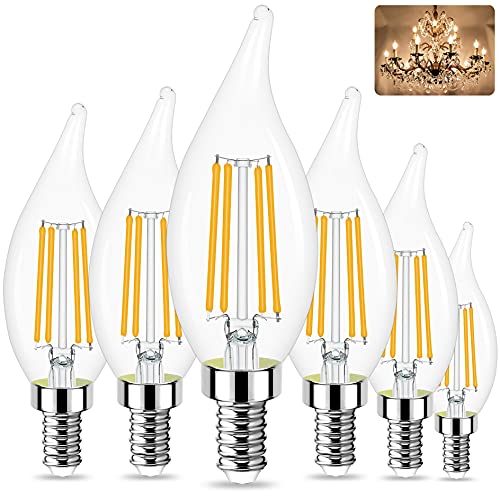
- LFR Score9.2
LFR Score is a ranking system developed by lightfansreviews.com. LFR Score has no relationship or impact from any manufacturers or sales agent websites. Learn more
- BrandSailstar
- LFR Score9.0
LFR Score is a ranking system developed by lightfansreviews.com. LFR Score has no relationship or impact from any manufacturers or sales agent websites. Learn more
- BrandMAXvolador

- LFR Score9.0
LFR Score is a ranking system developed by lightfansreviews.com. LFR Score has no relationship or impact from any manufacturers or sales agent websites. Learn more
- BrandFLSNT

- LFR Score8.8
LFR Score is a ranking system developed by lightfansreviews.com. LFR Score has no relationship or impact from any manufacturers or sales agent websites. Learn more
- BrandALIDE
Last update on 2026-09-30 / Affiliate links / Images, Product Titles, and Product Highlights from Amazon Product Advertising API
FAQs
Is an E12 base the same as a regular household bulb?
No, an E12 base is much smaller than a regular household bulb base. Standard household bulbs use an E26 base that measures 26 millimeters across, which is about one full inch. An E12 candelabra base measures 12 millimeters across, or just under half an inch wide. An E26 bulb will not fit into an E12 socket without an external adapter.
Can I screw an E12 bulb into an E14 socket?
You should not screw an E12 bulb into an E14 socket because the sizes do not match. An E14 socket is two millimeters wider than an E12 base, meaning an E12 bulb will fit loosely and wobble in the threads. Because the fit is not secure, the bulb can fail to make electrical contact, flicker, or cause dangerous electrical arcing inside the socket.
Can I use an LED bulb in my old E12 candelabra socket?
Yes, you can safely use an LED bulb in any standard E12 candelabra socket as long as the base matches. LED bulbs draw significantly less wattage than older incandescent bulbs, meaning they run cooler and use far less electricity. Just be sure to choose a dimmable LED model if your fixture connects to a wall dimmer switch.
What does Type B mean on an E12 light fixture label?
Type B refers to the bullet or torpedo shape of the glass bulb traditionally paired with an E12 socket. When a fixture sticker calls for a Type B bulb, it indicates that the socket is designed for a slim, candle-shaped bulb with an E12 candelabra screw base. The label will also specify the maximum wattage the fixture can safely handle.
Why is my new E12 LED bulb flickering or buzzing in my chandelier?
Flickering or buzzing usually happens when a non-dimmable LED bulb is installed on a circuit controlled by a dimmer switch. It can also occur if you have an older wall dimmer designed exclusively for high-wattage incandescent bulbs. To stop the buzzing and flickering, verify that your E12 bulbs are rated as dimmable and ensure your wall switch is compatible with modern LED lighting.

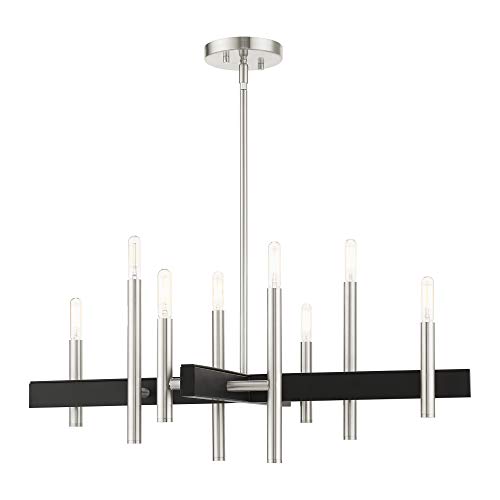
Best Bulb For Exposed Light 2026 That Shines Bright

Best Industrial Light Bulb Reviews: Top Picks for 2026
Best Outdoor Light Bulb Reviews: Top-Rated Picks for 2026
Best LED Reading Light Bulb Reviews - Top Picks for 2026

Best Vintage Light Bulb 2026 With Style And Glow
Best Yellow Fog Light Bulb 2026 For Clearer Night Drives

Best Z Wave Light Bulb 2026 Top Picks For Smart Control
Best Light Bulb For Vanity Mirror 2026 Brightness Boost






