What Is an E26 Medium Base Light Bulb?

Most people assume that code letters like E26 refer to a specialized commercial fitting or a rare type of light. In reality, an E26 bulb is just the standard screw-in light bulb found across nearly every home in North America. The letter stands for an Edison screw (the threaded metal cap that twists into place), while the number 26 means the base is exactly 26 millimeters across, or roughly one inch.
While the threaded metal base always stays the same size, the glass attached to it can vary widely. A bulb can be shaped like a classic pear, a round globe, or a vintage tube, so the outer glass still needs to fit inside your lamp shade or ceiling cover. Wall dimmers also matter if you switch from older incandescent glass to modern LED versions. Checking a few simple details ensures the replacement twists right into place and works properly.
What E26 Means in Plain English
The code E26 tells you two facts about a light bulb: how the base connects to a fixture and the width of that base. The letter E stands for Edison screw, which is the threaded metal base that twists into a matching socket. Thomas Edison patented this design, and it remains the standard way light bulbs connect to household fixtures across North America.
The number 26 describes the width of the threaded metal base in millimeters. A 26-millimeter base measures roughly 1.02 inches across, which is just slightly wider than one inch. In retail stores across the United States, packaging frequently labels this as a standard medium screw base. When you pull a standard bulb out of a table lamp in your living room, you are holding an E26 bulb.
This standard screw base handles standard 120-volt wiring found in residential homes throughout North America. The metal threads conduct the neutral path of the electrical circuit, while the small brass contact point at the bottom of the screw tip connects to the live electrical wire. Screwing the bulb firmly into the socket brings both metal surfaces into contact with the fixture wiring, allowing electricity to flow safely.
Always follow basic electrical safety before inspecting or replacing any bulb. Flip the wall switch off or unplug the lamp from the outlet before touching the socket. If the light was recently on, allow the bulb to cool down for several minutes. Touching hot glass or warm metal can cause painful burns, and touching a live socket creates an unnecessary shock hazard.
How to Check Your Socket or Old Bulb in 5 Simple Steps
If you are holding an unlabelled bulb or looking at an empty fixture socket, you do not need special tools to confirm whether it takes an E26 base. Follow these five checks to verify your socket before shopping:
- Shut off the fixture power and let the glass cool down completely. Reason: Cutting power protects you from electrical shock, and waiting for the bulb to cool prevents finger burns.
- Read the safety warning sticker inside the socket cup. Reason: Fixture makers place a small white or silver label near the socket that lists the exact base type and maximum safe wattage, such as "Type A Max 60W E26."
- Inspect the metal base or glass neck of the burnt-out bulb. Reason: Manufacturers often stamp the base code, voltage rating, and wattage directly onto the metal screw threads or print it on the glass shoulder.
- Compare the width of the metal base to a pocket quarter. Reason: A standard United States quarter measures roughly 24 millimeters across, so an E26 base will look almost identical in width, measuring only two millimeters wider than the coin.
- Check the width of the socket opening with your thumb. Reason: A standard medium E26 socket opening is roughly the width of an adult thumb, while a small candelabra socket is noticeably narrower and closer to the width of your pinky finger.
E26 Compared to E12 and E27 Bases
Shoppers often grab the wrong box because base codes look similar on retail shelves. The two most common mix-ups involve E12 candelabra bases and international E27 bases. Knowing the differences saves a return trip to the store.
An E12 base is the standard candelabra or small screw base used in North America. The number 12 means the base measures 12 millimeters across, or roughly half an inch. You will find E12 sockets in multi-arm dining room chandeliers, wall sconces, ceiling fan light kits, and holiday window candles. An E12 bulb cannot work in an E26 socket because the base is far too narrow; it will simply drop into the socket without catching the threads. Likewise, an E26 bulb is far too wide to enter an E12 chandelier socket.
An E27 base creates a different challenge. Measuring 27 millimeters across, an E27 base is only one millimeter wider than an E26 base. Because that size difference is tiny, an E27 bulb will physically screw into an E26 socket, and an E26 bulb will screw into an E27 socket. However, these two bases are engineered for different regional electrical grids.
North American homes operate on a 120-volt system, which matches E26 bulbs. Most of Europe, the United Kingdom, Australia, and parts of Asia use 230-volt or 240-volt electrical systems, which rely on E27 bases. If you install a standard American 120-volt E26 bulb into an imported 240-volt European fixture, the excess voltage will instantly blow the bulb or create a fire risk. Conversely, screwing a 240-volt E27 bulb into a 120-volt American socket produces a bulb that barely glows. When buying for a standard domestic fixture, always verify that your bulb uses an E26 base rated for 120 volts.
Base Size Versus Bulb Shape
Many buyers assume that E26 describes the shape of the glass. In reality, E26 applies only to the threaded metal screw collar at the bottom. The glass envelope attached to that base comes in dozens of shapes and profiles.
The standard household bulb shape is known as A19 or A21. The letter A stands for the classic pear-shaped teardrop outline, and the number indicates the diameter in eighths of an inch. An A19 bulb measures 19 eighths of an inch wide (about 2.37 inches). These bulbs almost always use an E26 medium screw base, making them the standard pick for table lamps, floor reading lights, and enclosed ceiling bowls.
You can also find E26 bases on round vanity globe bulbs, labeled as G25 or G40. These spherical bulbs send light evenly in all directions and are common on open bathroom vanity strips and hanging decorative pendants. Another popular option is the vintage Edison profile, labeled as ST58 or ST64, which features elongated glass and exposed internal LED filaments. These vintage shapes deliver an antique look, making them ideal when shopping for a bulb for exposed light fixtures where the bulb itself is a decorative focal point.
Recessed ceiling cans and security floodlights also use E26 bases. Wide flood bulbs like BR30 illuminate kitchen islands and family rooms, while directional spotlight shapes like PAR20 and PAR38 cast focused beams over outdoor patios. If you want concentrated accent lighting for artwork or specific work areas, explore spot light bulbs for indoor fixtures that share this same screw base.
Finally, compact appliance bulbs use the E26 screw base with a much shorter glass profile. These A15 bulbs stand less than three inches tall so they can clear wire shelving in refrigerators, range hoods, and shallow ceiling fan covers. Decorative candle shapes like B11 and CA11 flame-tip bulbs can also feature an E26 base, giving you a traditional chandelier appearance in a regular lamp socket.
What to Check Before Buying an E26 Replacement Bulb
Once you confirm that your fixture uses an E26 base, choosing a replacement requires matching room ambiance, switch controls, and fixture clearance. Modern LED options provide substantial energy savings while matching traditional brightness. Check these practical factors before purchasing:
Compare brightness using lumens rather than wattage. Watts measure electrical power consumption, while lumens measure actual light output. To replace a standard 40-watt incandescent bulb, look for an LED rated around 450 lumens. To replace a standard 60-watt bulb, look for 800 lumens. A 75-watt replacement requires roughly 1,100 lumens, and a 100-watt replacement needs about 1,600 lumens.
Select a color temperature that fits the room. Color temperature is measured in Kelvin and indicates the visual tone of the light. A 2700K soft warm white bulb produces a relaxing amber glow suitable for living rooms and bedrooms. A 3000K warm white bulb offers clean, flattering light for bathrooms and dressing areas. For kitchen counters and home offices, choose a 4000K cool white bulb for balanced visibility. In workshops and garages, a 5000K daylight white bulb provides crisp illumination for detailed tasks.
Confirm dimmer and switch compatibility. Standard LED bulbs are split between dimmable and non-dimmable models. Installing a non-dimmable bulb on a wall dimmer switch can cause annoying humming, flickering, or premature component failure. If your wall switch adjusts brightness, ensure the packaging explicitly states dimmable. If your fixture is a table lamp with a multi-click switch, review what is a three way light bulb and how it works to ensure you buy a bulb designed for tiered lighting levels.
Check physical clearance and fixture enclosure ratings. Bulbs enclosed inside sealed glass globes or outdoor lantern housings trap heat. Look for packaging marked as enclosed fixture rated so heat does not degrade the bulb electronics. Also measure the internal height and width of tight shades to confirm your chosen bulb profile will fit comfortably.

- LFR Score9.4
LFR Score is a ranking system developed by lightfansreviews.com. LFR Score has no relationship or impact from any manufacturers or sales agent websites. Learn more
- BrandDAYBETTER
- LFR Score9.4
LFR Score is a ranking system developed by lightfansreviews.com. LFR Score has no relationship or impact from any manufacturers or sales agent websites. Learn more
- BrandAscher

- LFR Score9.4
LFR Score is a ranking system developed by lightfansreviews.com. LFR Score has no relationship or impact from any manufacturers or sales agent websites. Learn more
- BrandTJOY

- LFR Score9.4
LFR Score is a ranking system developed by lightfansreviews.com. LFR Score has no relationship or impact from any manufacturers or sales agent websites. Learn more
- BrandGrensk

- LFR Score9.4
LFR Score is a ranking system developed by lightfansreviews.com. LFR Score has no relationship or impact from any manufacturers or sales agent websites. Learn more
- BrandENERGETIC SMARTER LIGHTING

- LFR Score9.4
LFR Score is a ranking system developed by lightfansreviews.com. LFR Score has no relationship or impact from any manufacturers or sales agent websites. Learn more
- BrandLepro

- LFR Score9.2
LFR Score is a ranking system developed by lightfansreviews.com. LFR Score has no relationship or impact from any manufacturers or sales agent websites. Learn more
- BrandFLSNT

- LFR Score9.2
LFR Score is a ranking system developed by lightfansreviews.com. LFR Score has no relationship or impact from any manufacturers or sales agent websites. Learn more
- BrandFLSNT

- LFR Score9.2
LFR Score is a ranking system developed by lightfansreviews.com. LFR Score has no relationship or impact from any manufacturers or sales agent websites. Learn more
- BrandKQHBEN

- LFR Score9.2
LFR Score is a ranking system developed by lightfansreviews.com. LFR Score has no relationship or impact from any manufacturers or sales agent websites. Learn more
- BrandGozelux
Last update on 2026-09-30 / Affiliate links / Images, Product Titles, and Product Highlights from Amazon Product Advertising API
FAQs
Is an E26 bulb just a regular household light bulb?
Yes, an E26 bulb is the standard light bulb used throughout the United States and Canada. The code describes the 26-millimeter threaded metal base that twists into common table lamps, floor lamps, and ceiling fixtures. If a fixture manual specifies a standard or medium screw base, an E26 bulb is the correct match.
Can I put an LED E26 bulb in an older incandescent lamp?
Yes, modern LED E26 bulbs work safely in older lamps as long as the socket is clean and undamaged. Because an 8-watt or 9-watt LED bulb draws far less power than a traditional 60-watt incandescent bulb, it runs cooler and puts less stress on older household wiring. Simply ensure the bulb shape clears the lamp shade and harp.
What is the difference between an E26 base and an A19 bulb?
An E26 code refers specifically to the threaded metal screw base measuring 26 millimeters across, while A19 describes the pear-shaped glass envelope. Most everyday light bulbs feature both designations because the classic A19 teardrop glass is attached to an E26 base. However, you can also find globe, spotlight, and vintage filament glass styles built on an E26 base.
What should I do if my new E26 bulb will not screw into the socket?
First verify that your fixture has a standard medium socket rather than a smaller E12 candelabra opening. If the socket size is correct, turn off the wall switch and check inside the socket for bent metal tabs, debris, or parts of an old broken bulb base. Never force a bulb into place, as cross-threading can crack the glass or damage the fixture socket.

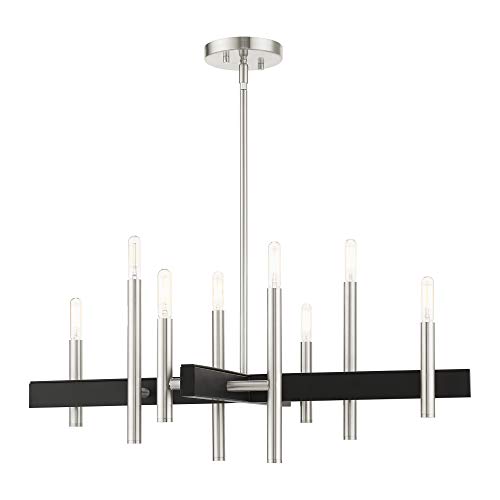
Best Bulb For Exposed Light 2026 That Shines Bright

Best Industrial Light Bulb Reviews: Top Picks for 2026
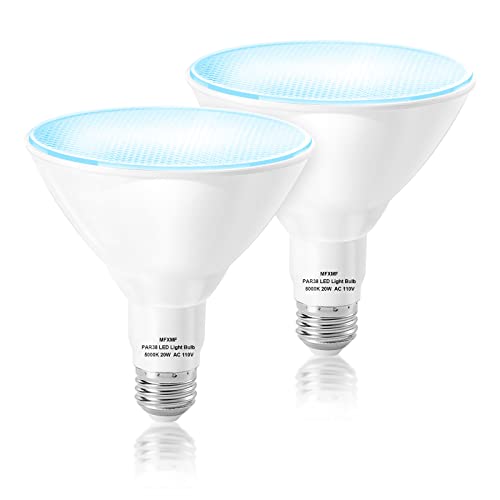
Best Outdoor Light Bulb Reviews: Top-Rated Picks for 2026
Best LED Reading Light Bulb Reviews - Top Picks for 2026

Best Vintage Light Bulb 2026 With Style And Glow
Best Yellow Fog Light Bulb 2026 For Clearer Night Drives

Best Z Wave Light Bulb 2026 Top Picks For Smart Control
Best Light Bulb For Vanity Mirror 2026 Brightness Boost