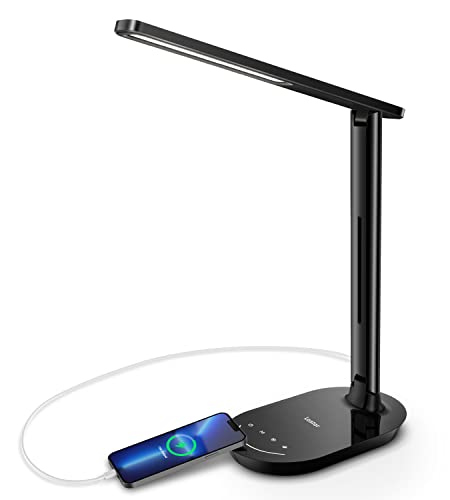
What Is CRI in LED Lighting and Why It Matters

What is CRI in LED lighting is one of those questions that sounds technical at first, yet it quietly shapes how everything around you looks. CRI, short for Color Rendering Index, measures how accurately a light source shows colors compared to natural daylight. If colors appear dull, washed out, or oddly tinted, CRI is often the silent culprit. Once you notice it, you can’t unsee the difference.
In everyday settings, CRI influences how food looks on your plate, how clothes appear in the mirror, and how comfortable a room feels overall. A low CRI light may technically be bright, but brightness alone doesn’t guarantee visual quality. High CRI lighting brings out natural tones, subtle contrasts, and depth that feels familiar to the eye. That’s why some spaces feel “off” even when they’re well lit.
Understanding what is CRI in LED lighting helps explain why two LED bulbs with the same wattage can feel completely different. One might make skin tones look grayish, while another makes faces appear healthy and warm. This isn’t magic, it’s measurable color performance at work. CRI gives a common language to describe that experience.
For homes, CRI affects mood, comfort, and how welcoming a space feels after a long day. In kitchens and bathrooms, higher CRI improves clarity when preparing food or grooming. In living areas, it enhances textures in furniture, walls, and décor. These small visual upgrades add up to a space that feels more natural and less fatiguing.
In professional environments, CRI becomes even more critical. Retail lighting relies on accurate color to present products honestly and attractively. Offices benefit from high CRI to reduce eye strain and improve focus during long hours. Studios, salons, and workshops depend on consistent color rendering to avoid costly mistakes.
High CRI doesn’t automatically mean harsh or overly bright lighting. Modern LEDs can balance efficiency, comfort, and color accuracy without compromise. The key is knowing what CRI level fits the purpose of each space. Once you grasp this, choosing lighting stops being guesswork and starts feeling intentional.
- LFR Score9.2
LFR Score is a ranking system developed by lightfansreviews.com. LFR Score has no relationship or impact from any manufacturers or sales agent websites. Learn more
- BrandBarrina

- LFR Score9.2
LFR Score is a ranking system developed by lightfansreviews.com. LFR Score has no relationship or impact from any manufacturers or sales agent websites. Learn more
- BrandAoretic

- LFR Score9.2
LFR Score is a ranking system developed by lightfansreviews.com. LFR Score has no relationship or impact from any manufacturers or sales agent websites. Learn more
- BrandBBOUNDER

- LFR Score9.2
LFR Score is a ranking system developed by lightfansreviews.com. LFR Score has no relationship or impact from any manufacturers or sales agent websites. Learn more
- BrandBBOUNDER

- LFR Score9.2
LFR Score is a ranking system developed by lightfansreviews.com. LFR Score has no relationship or impact from any manufacturers or sales agent websites. Learn more
- BrandGritin

- LFR Score9.2
LFR Score is a ranking system developed by lightfansreviews.com. LFR Score has no relationship or impact from any manufacturers or sales agent websites. Learn more
- Brandhykolity

- LFR Score9.0
LFR Score is a ranking system developed by lightfansreviews.com. LFR Score has no relationship or impact from any manufacturers or sales agent websites. Learn more
- BrandGovee

- LFR Score8.8
LFR Score is a ranking system developed by lightfansreviews.com. LFR Score has no relationship or impact from any manufacturers or sales agent websites. Learn more
- BrandKSIPZE

- LFR Score8.8
LFR Score is a ranking system developed by lightfansreviews.com. LFR Score has no relationship or impact from any manufacturers or sales agent websites. Learn more
- BrandGovee

- LFR Score8.6
LFR Score is a ranking system developed by lightfansreviews.com. LFR Score has no relationship or impact from any manufacturers or sales agent websites. Learn more
- BrandDAYBETTER
Last update on 2026-03-29 / Affiliate links / Images, Product Titles, and Product Highlights from Amazon Product Advertising API
Why color accuracy quietly shapes everyday lighting decisions
What is CRI in LED lighting often slips under the radar because people usually judge lights by brightness or color temperature first. Yet color accuracy quietly decides whether a space feels natural or slightly off, even when you can’t explain why. CRI measures how closely artificial light reveals colors compared to natural daylight, and that comparison matters more than most people expect. When CRI is low, familiar colors lose their honesty.
Think about food on a kitchen counter or skin tones in a bathroom mirror. Under poor CRI lighting, reds look muddy, greens appear dull, and faces can seem tired or gray. This isn’t a minor annoyance; it directly affects comfort and confidence. High CRI lighting restores balance, making colors look the way your brain expects them to look.
Many people assume discomfort comes from glare or harsh brightness, but color distortion is often the hidden problem. Low CRI lighting forces your eyes to work harder to interpret color differences. Over time, this contributes to visual fatigue and subtle irritation. That’s why switching to higher CRI LEDs can instantly make a room feel calmer.
Once you understand what is CRI in LED lighting, it becomes clear why two LED bulbs with the same wattage can feel worlds apart. One supports natural perception, while the other quietly undermines it. CRI isn’t a luxury detail; it’s a core quality factor that influences how livable a space feels.
How CRI works and what the numbers really mean
What is CRI in LED lighting is usually explained as a scale from 0 to 100, with 100 matching natural sunlight. While the scale sounds simple, the impact of those numbers is very real. LEDs with CRI below 80 often distort color enough for the eye to notice, even if people can’t name the cause. That’s where dissatisfaction begins.
A CRI rating between 80 and 89 is considered acceptable for general use, but it’s not ideal for detail-oriented spaces. Colors appear mostly accurate, yet subtle tones can still feel slightly muted. Once CRI reaches 90 or higher, the difference becomes obvious. Textures pop, color transitions feel smooth, and visual clarity improves.
The science behind CRI involves testing how light renders specific color samples compared to a reference source. When certain wavelengths are missing, colors suffer. Early LEDs struggled with this balance, which is why many people still associate LED lighting with flat or cold visuals. Modern high-CRI LEDs have largely solved that issue.
Understanding these numbers helps buyers avoid marketing traps. Labels like “bright white” or “daylight” don’t guarantee color accuracy. CRI is the metric that tells the truth, and knowing how to read it turns lighting selection into a confident decision rather than a gamble.
The role of CRI in comfort, mood, and visual trust
What is CRI in LED lighting goes far beyond aesthetics; it directly affects emotional comfort. Humans evolved under sunlight, so our brains expect light to reveal colors in familiar ways. When lighting deviates too far from that expectation, it creates subtle stress. High CRI lighting reduces that tension without people even realizing it.
In living spaces, high CRI creates a sense of warmth and authenticity. Furniture textures look richer, wall colors appear intentional, and décor feels cohesive. This contributes to a feeling of home rather than a showroom. Low CRI lighting, on the other hand, can make even well-designed rooms feel temporary or unfinished.
Mood is also influenced by how accurately light reflects personal appearance. Mirrors under poor CRI lighting can distort skin tones, affecting confidence. In contrast, high CRI LEDs reflect more natural hues, which feels reassuring. That’s why lighting quality matters as much as brightness in bathrooms and bedrooms.
Visual trust is another overlooked factor. When lighting shows colors accurately, people feel more confident making decisions, from choosing clothes to preparing meals. High CRI builds that trust, while low CRI quietly erodes it.
Why CRI matters differently across real world spaces
What is CRI in LED lighting takes on different importance depending on where the light is used. In kitchens, accurate color rendering helps distinguish fresh food from spoiled ingredients. A tomato should look red, not brownish, and leafy greens should look vibrant. High CRI lighting supports safe and confident food preparation.
In workspaces, especially offices and studios, CRI directly affects productivity. Low CRI lighting can cause eye strain and reduce focus over long periods. High CRI improves contrast and clarity, making screens, documents, and tools easier to interpret. This leads to less fatigue and better performance.
Retail environments rely heavily on color accuracy to influence purchasing decisions. Products must look appealing and truthful under store lighting. Poor CRI lighting can misrepresent colors, leading to disappointment once customers leave the store. That’s why many retailers prioritize high CRI fixtures.
Outdoor and task-specific lighting also benefits from CRI awareness. For example, cycling and safety lighting must reveal surroundings accurately, which is why discussions around best bike head lights often touch on color clarity. Accurate perception can make the difference between spotting hazards early or too late.
Common misconceptions about CRI and LED lighting
What is CRI in LED lighting is often misunderstood due to outdated assumptions. Many people still believe LED lighting inherently sacrifices color quality for efficiency. That was partially true years ago, but technology has evolved. Today’s high CRI LEDs combine efficiency with excellent color performance.
Another misconception is that higher CRI always means harsher light. In reality, CRI has nothing to do with brightness or glare. A high CRI LED can be soft, warm, and comfortable. Confusing CRI with color temperature leads to poor lighting choices.
Some assume CRI only matters for artists or designers. In truth, everyday tasks like grooming, cooking, and relaxing benefit from accurate color rendering. Even casual activities feel more pleasant under better light. CRI influences daily comfort more than people expect.
There’s also confusion between CRI and health myths surrounding lighting. Discussions about unusual effects, such as those raised in articles like do fluorescent lights make you poop, often distract from real, measurable factors. CRI focuses on visual accuracy, not biological side effects, making it a practical metric grounded in observation.
Choosing LED lighting with CRI in mind
What is CRI in LED lighting becomes most useful when it guides actual purchasing decisions. Start by identifying the purpose of each space, then match CRI levels accordingly. For living areas and workspaces, CRI 90 or above delivers noticeable improvements. Utility spaces can tolerate slightly lower ratings.
Product labels don’t always highlight CRI clearly, so it pays to look closely at specifications. If CRI isn’t listed, that’s often a red flag. Manufacturers confident in color quality usually showcase it. Paying attention here prevents disappointment later.
Fixture type also plays a role in perceived color quality. Track lighting, for instance, benefits greatly from high CRI bulbs because it highlights specific areas. That’s why guides on best led light bulbs for track lighting often emphasize CRI alongside beam angle and output. Focused light amplifies color flaws if CRI is low.
Ultimately, choosing lighting with strong CRI performance is about long-term satisfaction. It’s easier on the eyes, more honest to color, and more comfortable to live with day after day. CRI isn’t just a spec; it’s a quality-of-life upgrade.
CRI in outdoor and specialty lighting situations
What is CRI in LED lighting becomes especially critical once lighting moves beyond standard indoor rooms. Outdoor and specialty environments demand accurate color perception for safety, orientation, and visual comfort. Poor CRI outdoors can flatten contrast, making it harder to distinguish surfaces, objects, or subtle movement. That’s not just inconvenient, it can be risky.
In marine settings, for example, accurate color rendering helps identify ropes, markers, and surface reflections at night. Low CRI lighting can blur distinctions between dark blues, blacks, and greens, which strains vision over time. This is why discussions around best boat black lights often touch on clarity and visibility, not just brightness. Color accuracy directly supports safer navigation and situational awareness.
Landscape lighting is another area where CRI quietly shapes perception. Trees, stone, and water features look dramatically different depending on how faithfully colors are rendered. High CRI lighting preserves natural tones, while low CRI can make outdoor spaces feel artificial or harsh. That difference affects how inviting a space feels after dark.
Specialty environments highlight a key truth: brightness alone never guarantees usability. High CRI improves depth perception, reduces visual ambiguity, and supports confident movement. In these settings, CRI isn’t optional; it’s foundational.
CRI and the relationship between lighting and eye fatigue
What is CRI in LED lighting also explains why some lights feel exhausting after long exposure. When colors are inaccurately rendered, the brain works overtime to interpret visual information. This extra processing leads to eye strain, headaches, and a subtle sense of discomfort. Over hours, that strain adds up.
High CRI lighting reduces this burden by presenting colors in a way that aligns with natural perception. The eyes relax because less correction is needed. This is especially important in work-from-home setups, studios, and reading areas. Visual comfort directly affects concentration and endurance.
Low CRI lighting often goes unnoticed at first because the discomfort builds gradually. People may blame screens, posture, or stress without realizing lighting quality plays a role. Once switched to higher CRI LEDs, many report feeling less drained by the end of the day. That shift isn’t placebo; it’s perceptual efficiency.
Reducing eye fatigue is one of the most underrated benefits of high CRI lighting. It supports productivity, comfort, and long-term visual health without requiring brighter or harsher light.
How CRI influences design, scale, and visual balance
What is CRI in LED lighting strongly affects how large or small a space feels. Accurate color rendering enhances depth, texture, and contrast, which helps the eye read spatial relationships correctly. In large rooms, poor CRI can flatten surfaces and make areas feel cavernous or cold. High CRI restores visual balance.
Designers often pair high CRI lighting with architectural elements to emphasize form and material. Wood grains, fabrics, and finishes all benefit from accurate color representation. Without it, design choices lose impact. Lighting becomes a bottleneck rather than a support system.
This is especially noticeable in open-plan spaces where ceiling fixtures play a central role. Large fixtures paired with poor CRI can overwhelm a room visually. That’s why recommendations for best modern large ceiling fans often consider lighting quality alongside airflow and scale. Balanced CRI helps these fixtures integrate seamlessly into the space.
Visual harmony depends on more than layout and décor. CRI ensures that every design decision reads clearly and cohesively under artificial light.
CRI as a long term value factor, not a luxury feature
What is CRI in LED lighting is often treated as a premium feature, but its value compounds over time. High CRI lighting improves satisfaction day after day, reducing the urge to replace bulbs or redesign spaces. That longevity saves money and frustration. It’s a quality investment, not an indulgence.
People frequently upgrade lighting after realizing something feels wrong, even if they can’t articulate it. Low CRI is often the missing piece. By choosing higher CRI from the start, spaces feel “right” sooner and stay that way longer. This reduces trial-and-error spending.
From a resale and commercial perspective, lighting quality also shapes perception. Well-lit spaces with accurate color feel more premium and trustworthy. Buyers and clients may not mention CRI, but they respond to its effects. First impressions are deeply visual.
High CRI delivers quiet returns through comfort, clarity, and confidence. Over time, that consistency becomes more valuable than short-term savings from lower-quality options.
Practical guidance for evaluating CRI before buying
What is CRI in LED lighting only helps if it’s applied correctly during selection. Start by checking product specifications rather than relying on packaging claims. If CRI isn’t clearly listed, that’s often a warning sign. Transparency usually signals confidence in performance.
Match CRI levels to the function of the space rather than assuming one standard fits all. Living areas, workspaces, and retail zones benefit most from CRI 90 or higher. Storage or transitional spaces can tolerate lower ratings. Purpose-driven selection prevents overspending and disappointment.
Also consider how lighting interacts with other elements like wall color, furniture, and natural light. High CRI amplifies good design choices but exposes poor ones. This encourages more intentional planning rather than patchwork fixes later. Lighting should support the whole environment.
Informed CRI choices shift lighting from a background utility to an active contributor to comfort and function. That shift changes how spaces feel and how people experience them every single day.


Best Lighting For Makeup 2026 Bright Ideas For Flawless Looks

Best Wall Sconces For Staircase 2026 Brighten Your Home
Best Lighting For Computer Desk 2026 For Focused Work

Best Boat Black Lights 2026 For Nighttime Adventure

Best Black 30 Inch Light Bar Reviews – Top Picks of 2026

Best Black Light For Aquarium 2026 For Vibrant Glow

Best Black Light for Authenticating Glass 2026 Top Picks
Best Waterproof Spotlight 2026 That Outshines Expectations