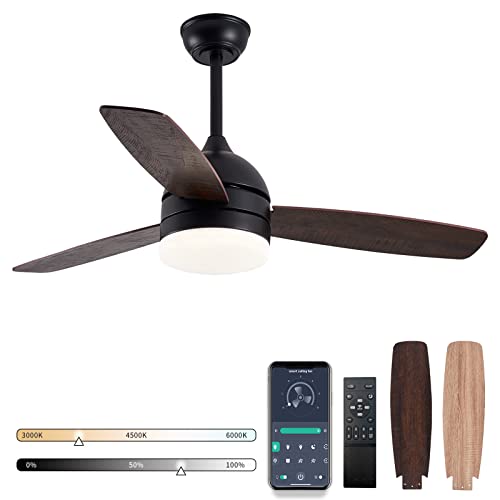
What Is Inverter Ceiling Fan and Why It Feels Better

What Is Inverter Ceiling Fan often pops up right after another frustrating electricity bill lands on the kitchen counter. Traditional ceiling fans may spin fast enough, sure, but they also tend to waste power, hum loudly at night, and lose consistency after long hours of use. That’s where inverter technology changes the mood completely. A smoother motor system helps maintain stable airflow while reducing unnecessary energy draw, which feels noticeably different during everyday living.
Hot afternoons hit differently when a fan keeps airflow steady without sounding like an old engine rattling above your head. Inverter ceiling fan technology adjusts motor performance more efficiently instead of constantly pushing maximum power. That subtle shift creates quieter operation, softer airflow transitions, and lower electricity consumption over time. Small details like reduced vibration and smoother speed control may not sound flashy, but they absolutely affect comfort inside bedrooms, apartments, and compact living spaces.
Energy efficiency matters, though comfort usually drives the first real interest. Nobody enjoys waking up at 2 a.m. because a noisy fan suddenly clicks or shakes during operation. DC motor systems used in inverter ceiling fans typically run with less friction and lower heat buildup. That means the fan can operate for extended periods without feeling strained, especially during humid nights or warmer seasons where constant airflow becomes part of the daily routine.
Another thing people notice quickly is how responsive these fans feel. Speed changes happen smoothly instead of jumping awkwardly between settings. Some models even include memory functions, timer controls, or remote access that make daily use feel more relaxed and less fussy. Also, inverter fans tend to pair well with modern interiors because manufacturers often keep the designs slimmer and less bulky than older AC motor styles.
Maintenance concerns also push many households toward inverter ceiling fans. Older motors can wear down faster under heavy daily usage, especially in regions where fans stay on for most of the day. Efficient motor construction helps reduce stress on internal components, which may lower long-term maintenance headaches. While the upfront cost can feel slightly higher, lower power consumption and quieter operation often balance that tradeoff naturally over time.
Then there’s the backup power angle, and honestly, that catches plenty of attention lately. Inverter ceiling fans generally consume less wattage, making them more compatible with solar setups, battery systems, and home inverters during outages. That lighter energy demand becomes especially practical during unstable weather or frequent blackouts. Instead of draining backup systems quickly, the fan continues delivering airflow without pushing the power source too hard.

- LFR Score9.2
LFR Score is a ranking system developed by lightfansreviews.com. LFR Score has no relationship or impact from any manufacturers or sales agent websites. Learn more
- BrandAmico
- LFR Score9.2
LFR Score is a ranking system developed by lightfansreviews.com. LFR Score has no relationship or impact from any manufacturers or sales agent websites. Learn more
- BrandHunter
- LFR Score9.2
LFR Score is a ranking system developed by lightfansreviews.com. LFR Score has no relationship or impact from any manufacturers or sales agent websites. Learn more
- BrandDREO

- LFR Score9.0
LFR Score is a ranking system developed by lightfansreviews.com. LFR Score has no relationship or impact from any manufacturers or sales agent websites. Learn more
- BrandFszdorj
- LFR Score9.0
LFR Score is a ranking system developed by lightfansreviews.com. LFR Score has no relationship or impact from any manufacturers or sales agent websites. Learn more
- BrandAsyko

- LFR Score8.8
LFR Score is a ranking system developed by lightfansreviews.com. LFR Score has no relationship or impact from any manufacturers or sales agent websites. Learn more
- BrandBell+Howell

- LFR Score8.8
LFR Score is a ranking system developed by lightfansreviews.com. LFR Score has no relationship or impact from any manufacturers or sales agent websites. Learn more
- BrandGJeg

- LFR Score8.8
LFR Score is a ranking system developed by lightfansreviews.com. LFR Score has no relationship or impact from any manufacturers or sales agent websites. Learn more
- BrandTCL

- LFR Score8.8
LFR Score is a ranking system developed by lightfansreviews.com. LFR Score has no relationship or impact from any manufacturers or sales agent websites. Learn more
- Brandaddlon
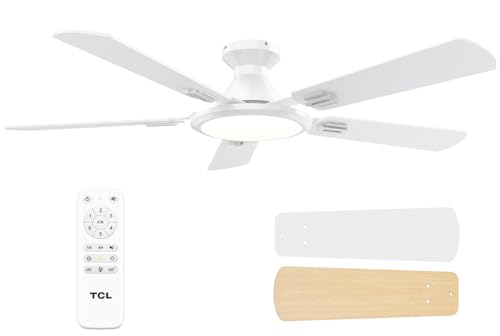
- LFR Score8.6
LFR Score is a ranking system developed by lightfansreviews.com. LFR Score has no relationship or impact from any manufacturers or sales agent websites. Learn more
- BrandTCL
Last update on 2026-06-08 / Affiliate links / Images, Product Titles, and Product Highlights from Amazon Product Advertising API
What Is Inverter Ceiling Fan
A bedroom that feels calm at bedtime can turn annoying fast once the fan starts humming, clicking, or pushing uneven air across the room. That daily irritation is exactly why what is inverter ceiling fan has become a practical question instead of a showroom buzzword. A ceiling fan with inverter technology uses a more efficient motor control system to manage speed, power draw, and airflow with better balance. The result is usually quieter cooling, lower electricity use, and smoother comfort during long hours of operation.
Inverter Ceiling Fan Basics
An inverter ceiling fan uses electronic control to regulate the motor instead of relying on older, less flexible speed systems. The motor does not need to pull power in a rough, wasteful way every time the speed changes. That smoother control helps the fan run with less strain, especially during long summer afternoons. In plain English, it’s built to move air without acting like it’s fighting the ceiling.
Most inverter ceiling fans are tied to DC motor technology, though the exact design can vary by brand. DC motors typically use less electricity than older AC motor designs because they convert and control power more efficiently. That difference matters in rooms where the fan runs for hours, not just a few minutes after dinner. A small wattage gap can add up quietly, month after month.
The biggest everyday benefit is not just the bill savings. Smoother airflow changes how the room feels, especially at night when a fan that jumps between harsh speeds can get annoying. Instead of that stiff blast of air, many inverter fans offer gentler speed steps and steadier circulation. That makes them easier to live with in bedrooms, nurseries, home offices, and shared apartments.
Energy groups often point out that efficient ceiling fans can reduce the load on air conditioning. ENERGY STAR says certified ceiling fans can be up to 44% more efficient than conventional fans, mainly through better motors and blade design. The U.S. Department of Energy also notes that using a ceiling fan can let people raise the thermostat by about 4°F without reducing comfort. That’s the sweet spot: less pressure on the AC, but the room still feels livable.
Why Power Use Feels Different
Electricity use is where inverter ceiling fan technology earns attention fast. Older fans often consume more power because the motor design is less efficient and the speed control is less refined. An inverter model works more like a careful driver than a heavy-footed one. It uses only the energy needed for the selected speed instead of wasting extra power as heat and vibration.
That matters most in homes where fans run nearly all day. A living room fan that stays on during work hours, cooking, homework, and sleep can become a steady background cost. Choosing an energy-efficient ceiling fan won’t magically erase the power bill, but it can trim waste in a way that feels sensible. No drama, just less energy slipping through the cracks.
Power backup is another practical angle. Many inverter fans draw less wattage, so they can be friendlier to home inverters, battery systems, or solar setups during outages. That does not mean every model will run forever on backup power, of course. Still, a lower-load fan usually gives a battery system more breathing room than an older, power-hungry fan.
Anyone dealing with warm rooms and rising utility costs should also think about fan placement and blade style. For outdoor patios, airflow demands can be different because heat, humidity, and open space work against the fan. Compare airflow needs with best 3 blade outdoor ceiling fan if a breezy porch or covered deck is part of the setup. A good indoor inverter fan and a suitable outdoor fan solve different problems, so mixing them up can lead to disappointing airflow.
Noise And Comfort Matter
Noise is the complaint that turns a cheap fan into a daily headache. A faint hum may seem harmless at first, but at midnight it can feel like a mosquito wearing boots. Inverter ceiling fans usually reduce that irritation because their motors run with smoother electrical control. Less vibration often means less buzzing, less clicking, and fewer tiny sounds that get louder once the room goes quiet.
Bedroom comfort depends on consistency. A fan that feels too strong on medium but too weak on low forces people into constant adjustment. Smooth speed control helps bridge that gap by offering finer airflow levels. That makes the fan feel less like a machine overhead and more like part of the room’s comfort rhythm.
Remote controls and sleep modes can help, but they are not the whole story. The motor still has to behave well after hours of use. A well-built DC inverter fan tends to run cooler and with less mechanical stress than a basic older motor. That can make a real difference in rooms where the fan stays on through humid nights.
Light indicators and smart devices can also interrupt comfort in surprising ways. A glowing device in the corner or a blinking assistant can make a quiet room feel busier than it should. Fix small tech distractions with how to stop alexa flashing blue light before blaming the fan for every sleep disruption. Good comfort is usually a stack of small fixes, not one big purchase.
Where Inverter Fans Fit Best
An inverter ceiling fan makes the most sense in rooms with long daily use. Bedrooms, living rooms, home offices, and dining spaces usually benefit more than a storage room that barely gets used. The longer the fan runs, the more the efficiency advantage has time to show up. Short-use rooms may not justify a higher upfront price as quickly.
Small apartments can benefit from the quieter feel too. In tighter spaces, fan noise bounces around more, and airflow can feel too direct if the blades are poorly matched to the room. A fan with steady airflow and multiple speed levels gives more control over comfort. That matters when the sofa, desk, and bed are all sharing the same air.
Ceiling height also shapes the experience. A low ceiling needs a flush or low-profile design, while a taller room may need a downrod to position the blades properly. Even the best energy-saving fan can feel weak if it is mounted too high or cramped against the ceiling. Installation details can make or break the result.
Large rooms need more careful sizing. A fan that is too small may run constantly at high speed and still leave corners feeling stale. A larger blade span with efficient motor control can move air more evenly without sounding overworked. The goal is not just speed, but coverage that feels natural across the whole room.
Tradeoffs Before Buying
The upfront price can be higher, and that deserves a clear-eyed look. Inverter ceiling fans often cost more because the motor and control system are more advanced than basic AC models. That extra cost makes sense in high-use rooms, but it may feel unnecessary in a guest room used twice a month. Practical buying beats impulse buying every time.
Repair access can also vary by brand. Some inverter fan parts, especially control modules or remotes, may not be as easy to replace as standard fan components. A strong warranty and available parts matter just as much as low power consumption. Saving energy feels less exciting if a tiny control board becomes a big headache later.
Remote dependence is another small but real concern. Many inverter fans rely heavily on remote controls or electronic speed settings. That setup feels convenient until the remote gets lost between couch cushions or the wall holder cracks. A model with backup wall control compatibility can save frustration in busy households.
Not every quiet fan is automatically powerful. Some models focus so much on silence and efficiency that airflow may feel too gentle for hot, open rooms. Checking airflow rating, room size fit, blade pitch, and motor type helps avoid that mismatch. A fan should feel calm, not weak.
Smart Features Worth Having
Smart features can be helpful, but only if they solve a real annoyance. A timer makes sense for sleep because the room may cool down later in the night. Sleep mode can gradually reduce speed instead of blasting cold air until morning. That small adjustment can prevent dry eyes, stiff shoulders, and that chilly wake-up nobody asked for.
Memory settings are underrated. A fan that remembers the last speed saves people from tapping through every level again and again. Remote memory feels especially useful in bedrooms and offices where comfort preferences stay fairly consistent. It is a tiny convenience, but daily routines are built from tiny conveniences.
Integrated LED lights need a little caution. Some fan lights are too harsh, too dim, or awkward to replace. A good ceiling fan with light should offer usable brightness without adding glare or heat. ENERGY STAR has noted that efficient fan-light units can use much less energy than conventional fan-light combinations, so the light kit is worth checking, not just the motor.
Specialized lighting needs should stay separate from room cooling decisions. For example, equine care lighting has nothing to do with ceiling fan comfort, but barn or stable owners may still need that equipment for a different purpose. Handle that need separately through best red light therapy for horses instead of trying to connect unrelated products. A ceiling fan should be judged by airflow, noise, energy use, mounting fit, and long-term reliability.
Benefits Of Inverter Ceiling Fan For Daily Comfort
Electric fans rarely get much attention until they start causing problems. A noisy motor during sleep, weak airflow in the afternoon, or an electricity bill that keeps creeping higher can slowly turn a simple appliance into a constant irritation. That’s why many homeowners start paying closer attention to inverter ceiling fan benefits after living with traditional fans for years. Small upgrades in motor efficiency and airflow control can noticeably change how a room feels every single day.
Better Airflow Without Constant Speed Changes
One frustrating thing about older fans is how awkward the speed settings can feel. Low speed barely moves air, while medium suddenly blasts the whole room like a wind tunnel. Inverter ceiling fans usually handle airflow more gradually, which helps rooms stay comfortable without constant adjustments. That smoother transition matters more than people expect during long evenings or overnight use.
Steady airflow also helps reduce hot spots around the room. A weak fan may leave corners feeling stale while one side of the bed gets blasted with cold air. Better blade balance and efficient motor control allow airflow to spread more evenly across the space. That softer circulation often feels more natural compared to aggressive airflow bursts.
Humidity makes airflow even more important. A room with poor circulation can feel sticky even when the temperature technically looks fine. Many inverter fans maintain a more stable breeze that helps sweat evaporate more comfortably. That subtle cooling effect can reduce the urge to constantly lower the air conditioner temperature.
Outdoor spaces need careful airflow planning too. Covered patios and porches deal with heat differently because warm air escapes faster in open areas. Compare blade layouts through ceiling fan blades ideas if older outdoor fans need visual updates along with airflow improvements. A fresh blade finish paired with proper fan sizing can completely change how a patio feels during warmer evenings.
Why DC Motors Feel More Relaxed
Most inverter ceiling fans rely on DC motors, and that changes the experience more than people realize at first. Older AC motors often create extra vibration because they pull and release power less smoothly. That uneven operation can lead to buzzing sounds, wobbling, or the faint mechanical hum many people simply tolerate for years. A DC motor usually feels calmer because the energy flow stays more controlled.
Less vibration also reduces long-term strain on the fan body. Loose screws, shaking light kits, and noisy mounts often become more noticeable after months of daily use. A smoother-running motor places less stress on internal parts, which may help the fan maintain stable performance longer. That does not guarantee zero maintenance, but it often means fewer annoying adjustments.
Heat buildup inside the motor matters too. Fans running for hours every day naturally generate heat, especially during summer. Efficient motor systems typically waste less electricity as excess heat, which helps the fan operate more comfortably over extended periods. Cooler operation can also help preserve internal electronic components.
Quiet operation changes how people use a room. A fan that drones loudly overhead can make reading, remote work, or sleeping feel subtly stressful. Inverter fans generally create a softer background sound that blends into the room instead of dominating it. That difference becomes obvious once people spend a few nights under a quieter fan.
Electricity Savings Over Long-Term Use
Electric bills usually rise slowly enough that people barely notice until the total suddenly feels ridiculous. Ceiling fans alone are not the entire reason, of course, but inefficient appliances stacked together can quietly drain power all month long. Inverter ceiling fans reduce part of that waste by operating with lower wattage compared to many older fan models. That matters most in homes where ceiling fans stay on for long stretches every day.
Running multiple fans across bedrooms, kitchens, and living rooms can increase the impact. A small energy difference per fan becomes much larger once several units operate at the same time. Efficient airflow allows people to rely less heavily on aggressive air conditioning settings. Even a slight thermostat adjustment can ease electricity use during hotter seasons.
Backup power systems benefit from lower wattage too. Home inverters and battery setups work best when connected appliances draw reasonable amounts of electricity. A fan with reduced energy consumption gives those systems more flexibility during outages. That practical benefit matters in areas with unstable power or seasonal storms.
Lighting schedules can also influence household energy habits. Some people pair efficient ceiling fans with outdoor timers to avoid unnecessary overnight lighting. Improve that setup naturally through outdoor light timer guidance if exterior lighting tends to stay on longer than needed. Small efficiency improvements across several devices often feel more realistic than chasing one dramatic change.
Installation Mistakes That Hurt Performance
Even an efficient ceiling fan can disappoint if the installation setup is wrong. Blade height, room size, mounting stability, and airflow direction all affect daily comfort. A fan mounted too close to the ceiling may struggle to circulate air properly because the blades cannot pull enough airflow from above. That mistake often leaves the room feeling weaker than expected.
Downrod length matters in larger rooms with higher ceilings. A fan installed too high may technically spin well while still failing to move enough air where people actually sit or sleep. Proper fan placement helps maintain consistent circulation across the room instead of trapping airflow near the ceiling. Small adjustments in mounting height can noticeably improve comfort.
Blade balancing deserves attention too. A wobbling fan is not just annoying to watch. Repeated vibration can loosen hardware over time and increase mechanical stress on the motor housing. Many homeowners blame the motor itself when the real issue comes from uneven blade installation or poor mounting support.
Direction settings also get ignored surprisingly often. Ceiling fans usually include seasonal rotation controls. Counterclockwise rotation pushes cool air downward during warmer months, while clockwise movement helps redistribute warm air during colder weather. Using the wrong direction can make a room feel less comfortable even if the fan itself works properly.
Cleaning And Maintenance Without The Hassle
Dust buildup changes fan performance more than people expect. Dirty blades can slightly disrupt airflow while also making the fan look neglected. Thick dust layers sometimes create imbalance issues too, especially on lightweight blade designs. Regular cleaning helps maintain both airflow efficiency and quieter operation.
Many people delay cleaning because ceiling fans are awkward to reach. A stable ladder and microfiber cloth usually handle basic maintenance well enough for routine care. Harsh chemical sprays are often unnecessary and may damage blade finishes over time. Gentle cleaning done consistently usually works better than aggressive deep cleaning once every year.
Motor maintenance is generally lighter on inverter fans compared to older mechanical systems. Most modern units use sealed motor designs that do not require frequent lubrication. Still, loose screws, dusty vents, and unstable mounting hardware should be checked occasionally. Catching tiny issues early can prevent louder problems later.
Remote controls deserve maintenance too, oddly enough. Weak batteries and dirty buttons can make fan responses seem delayed or inconsistent. Some homeowners assume the motor is failing when the remote signal is actually the problem. Basic upkeep across the whole system keeps the fan feeling reliable instead of unpredictable.
Situations Where Inverter Fans May Disappoint
An inverter ceiling fan is not automatically the right answer for every room. Small storage areas or rarely used guest rooms may never run long enough to justify the higher purchase cost. A simple traditional fan could handle those spaces without creating noticeable comfort issues. Usage frequency matters more than hype.
Large open rooms may also need more than just an efficient motor. Airflow depends heavily on blade span, ceiling height, and room layout. A compact inverter fan placed in a huge living area can still leave warm pockets near furniture corners. The fan needs enough physical coverage to support the motor efficiency.
Smart features occasionally become a drawback too. Remote-only controls can frustrate people who prefer simple wall switches or straightforward manual controls. Some advanced models also include app integrations that feel unnecessary for households wanting basic airflow without extra setup. Convenience should feel practical, not complicated.
Repair costs can sometimes be higher if specialized electronic parts fail outside warranty coverage. Standard fan components are usually easier to source locally than proprietary control boards. That tradeoff does not erase the benefits of inverter motor technology, but it deserves honest consideration before buying. Efficient cooling feels better when expectations stay realistic from the start.


Best Small Flush Mount Ceiling Fans 2026 Ultimate Picks

Best Smart Ceiling Fan India 2026 For Effortless Comfort

Best Smart Ceiling Fans with Lights for 2026: Top Picks

Best Smart Home Non Ceiling Fans 2026 For Ultimate Comfort

Best Outdoor Misting Ceiling Fan 2026 For Ultimate Comfort

Best Outdoor Ceiling Fans For Porch 2026 With Style And Breeze

Best Smart Bulb For Ceiling Fan 2026 That Brightens Life
Best Smart Ceiling Fan Control 2026 For Effortless Comfort