
What Are Lumens in a Light Bulb and How Many Do You Need?

Decoding the numbers on modern bulb boxes is much simpler than it looks, and there is no reason to stress over the change. In plain terms, lumens measure actual brightness, telling you exactly how much visible light a bulb produces. Older packaging taught everyone to shop by watts, but watts only count the electrical power a bulb pulls from the wall.
Finding the right amount of light comes down to a few basic factors. The easiest trick is matching the brightness of an old 60-watt or 100-watt favorite, but the room itself matters just as much. A cozy living room needs a gentle glow, whereas a kitchen counter calls for focused clarity. Fixture styles also change things, since a dark fabric shade blocks more light than an open glass globe. The breakdown below shows how to match lumens to every space so you get the right brightness on your first try.
Lumens Versus Watts: Why Power No Longer Equals Brightness
For decades, shopping for a light bulb was simple because everyone bought by wattage. If you wanted a dim light for a bedside table, you picked up a 40-watt bulb. If you needed a standard reading lamp, you chose a 60-watt bulb. If you wanted to illuminate a dark basement or a large kitchen, you grabbed a 100-watt bulb. In those days, wattage served as an easy shorthand for brightness because all incandescent bulbs worked the exact same way. They ran electrical current through a tiny tungsten wire until it grew white-hot and glowed.
The catch is that wattage never actually measured brightness. Wattage measures electrical power, specifically how much electricity a bulb pulls from your wall outlet. Think of wattage like the gallons of gasoline a car burns, and lumens like the actual miles the car travels. Traditional incandescent bulbs were like old, heavy trucks that all had the exact same poor fuel economy. Because every bulb wasted about ninety percent of its electricity as heat, knowing how much electricity it burned told you almost exactly how much light it produced.
Modern light-emitting diode (LED) technology broke that connection. LEDs create visible light by passing electricity through a microchip rather than heating a delicate wire. They make light with very little wasted heat. An efficient LED bulb can produce the exact same amount of visible light as an old 60-watt incandescent bulb while using only 8 or 9 watts of electricity.
Lumens represent the actual measurement of visible light coming out of a bulb in all directions. One lumen is roughly the light cast by a single birthday candle. If you walk down the lighting aisle today and shop by wattage alone, you will end up confused. Buying a modern bulb that draws 60 actual watts of power would give you a massive floodlight bright enough to illuminate an entire parking lot. To get the right brightness for your home, you have to look straight at the lumen rating printed on the package.
Incandescent to LED: The Wattage to Lumens Replacement Guide
Transitioning from traditional bulbs to modern LEDs is easy once you know how the numbers line up. Bulb packaging displays the lumen count inside a black-and-white Lighting Facts label on the box. Matching your familiar incandescent wattage to these new numbers ensures your rooms feel natural and comfortable.
Here is how classic household wattage translates directly into modern lumens:
- 40-watt incandescent equals roughly 450 lumens: This gentle output works best for accent lighting, small hallways, bedside reading lamps, and decorative fixtures where soft light is desired.
- 60-watt incandescent equals roughly 800 lumens: This is the classic household standard. Most living room table lamps, dining pendants, ceiling fan lights, and home office fixtures rely on this brightness level.
- 75-watt incandescent equals roughly 1,100 lumens: This step up provides extra brightness for large entryways, dining tables, and kitchen islands where an 800-lumen bulb leaves corners looking slightly dim.
- 100-watt incandescent equals roughly 1,600 lumens: This bright output is ideal for kitchens, laundry rooms, dark basements, home workshops, and high-ceiling fixtures that require clear illumination.
- 150-watt incandescent equals roughly 2,300 lumens: Usually found in slightly larger household teardrop bulbs, this high-output light suits spacious living areas, open garages, and heavy utility spaces.
If you have a multi-setting reading lamp in your living room, you might be accustomed to switching through low, medium, and high settings. Understanding what a three-way light bulb is can help you choose the right multi-lumen LED so your lamp clicks smoothly between its distinct light levels without buzzing or flickering.
A frequent concern among homeowners is the safety warning sticker found on lamp sockets. Older lamps often display a warning stating that you should not exceed 60 watts. This warning was created because old incandescent bulbs ran scalding hot. A 100-watt glass bulb could easily scorch a cloth lamp shade, melt wire insulation, or crack a socket.
Because an LED bulb producing 1,600 lumens (a 100-watt equivalent) only draws about 13 to 14 watts of actual electricity, it produces a fraction of that heat. You can safely screw a 100-watt equivalent LED into a socket rated for 60 watts because the bulb stays well below the electrical and thermal limits of the lamp. The one exception is fully enclosed glass globes or ceiling flush mounts. Even though LEDs generate little surface heat, the delicate electronics in the bulb base dislike trapped heat. For airtight glass globes, verify that the bulb packaging explicitly lists the bulb as enclosed fixture rated.
Room-by-Room Brightness: Matching Lumens and Color to Your Space
Lighting a room involves more than just picking one bright bulb and screwing it into the ceiling. A single, overpowering light source in the middle of a room casts harsh shadows and creates uncomfortable glare. Good lighting balances multiple light sources across the room to support different tasks throughout the day.
To figure out how much light you need, consider the total lumens required for the entire space:
- Living rooms (1,500 to 3,000 total lumens): Keep the overall atmosphere relaxing by using multiple lamps. A couple of 800-lumen table lamps paired with a floor reading lamp provide plenty of flexibility for movie nights or family gatherings.
- Bedrooms (2,000 to 4,000 total lumens): Keep overhead lighting moderate, and use 450 to 800-lumen bulbs in bedside lamps. This provides comfortable reading light without tricking your brain into thinking it is still daytime.
- Kitchens (4,000 to 8,000 total lumens): Kitchens require significantly more light for safety and cleanliness. Combine overhead recessed ceiling lights with under-cabinet task lighting to ensure countertops are brightly illuminated without casting shadows over your cutting board.
- Bathrooms (4,000 to 6,000 total lumens): Vanity lighting needs clear, even light. Placing 800-lumen bulbs on either side of the mirror or across a multi-bulb vanity bar eliminates the dark under-eye shadows created by single overhead fixtures.
- Home offices and utility areas (3,000 to 6,000 total lumens): Detailed paperwork, hobbies, and laundry sorting require crisp, bright light across work surfaces to avoid eye fatigue.
Another reason a light bulb might feel wrong in your home has nothing to do with brightness, but rather light color. Color temperature is measured in Kelvin (K), and it tells you whether the light looks warm and golden or cool and blue. Confusion between lumens and Kelvin is the most common reason people end up disliking their new LED bulbs.
A bulb rated at 800 lumens with a 2700K soft warm white rating gives off a cozy, amber glow identical to an old incandescent bulb. That exact same 800 lumens rated at 5000K daylight white produces a sharp, blue-tinted beam that mimics midday sun. If you install a 5000K bulb in your living room or bedroom, the light will feel stark, sterile, and blinding, even though the actual lumen output is moderate. Save 2700K for bedrooms and living spaces, 3000K for bathrooms and dining areas, and reserve 4000K or 5000K for workshops, garages, and kitchen task areas. If your fixtures leave the bulb completely visible without a fabric shade, check our guide on the best bulb for exposed light fixtures to avoid uncomfortable glare.
What to Look for When Choosing Modern LED Bulbs
Finding the right LED bulb comes down to checking a few basic details on the retail package before heading to the checkout counter. Modern LED bulbs solve the old frustrations of burned-out filaments and high electric bills, but picking the right physical design ensures the bulb works properly in your existing household fixtures.
Start by confirming the base type and bulb shape. Most household table lamps, floor fixtures, and ceiling sockets use a standard medium screw base, labeled as E26 on retail packaging. The standard household teardrop shape is designated as an A19 bulb, while slightly larger, higher-output bulbs are often labeled as A21. Make sure the bulb body is not too wide or tall to fit comfortably inside your lamp harp or glass shade.
Next, check your light switches. If your fixture is connected to a wall dimmer, you must purchase bulbs explicitly marked as dimmable. Installing non-dimmable LED bulbs on a dimmer switch causes buzzing sounds, annoying flickering, and early bulb failure. If you use standard toggle switches, non-dimmable bulbs work smoothly and reliably.
Always inspect the Lighting Facts label on the package to verify both the lumen rating and the Kelvin color temperature. Make sure the bulb carries a recognized electrical safety certification, such as a UL Listed or ETL mark, which confirms the product meets standard household safety requirements.
- LFR Score9.4
LFR Score is a ranking system developed by lightfansreviews.com. LFR Score has no relationship or impact from any manufacturers or sales agent websites. Learn more
- BrandMAXvolador
- LFR Score9.4
LFR Score is a ranking system developed by lightfansreviews.com. LFR Score has no relationship or impact from any manufacturers or sales agent websites. Learn more
- BrandLEDVANCE

- LFR Score9.4
LFR Score is a ranking system developed by lightfansreviews.com. LFR Score has no relationship or impact from any manufacturers or sales agent websites. Learn more
- BrandKondras

- LFR Score9.2
LFR Score is a ranking system developed by lightfansreviews.com. LFR Score has no relationship or impact from any manufacturers or sales agent websites. Learn more
- BrandBrightever
- LFR Score9.2
LFR Score is a ranking system developed by lightfansreviews.com. LFR Score has no relationship or impact from any manufacturers or sales agent websites. Learn more
- BrandE ENERGETIC LIGHTING
- LFR Score9.0
LFR Score is a ranking system developed by lightfansreviews.com. LFR Score has no relationship or impact from any manufacturers or sales agent websites. Learn more
- BrandLinkind

- LFR Score9.0
LFR Score is a ranking system developed by lightfansreviews.com. LFR Score has no relationship or impact from any manufacturers or sales agent websites. Learn more
- BrandDEGNJU

- LFR Score9.0
LFR Score is a ranking system developed by lightfansreviews.com. LFR Score has no relationship or impact from any manufacturers or sales agent websites. Learn more
- BrandSANSI
Last update on 2026-10-01 / Affiliate links / Images, Product Titles, and Product Highlights from Amazon Product Advertising API
FAQs
Does a higher lumen light bulb use more electricity?
Yes, a bulb with a higher lumen rating uses slightly more electricity, but the difference with modern LEDs is very small. An 800-lumen LED uses about 8 to 9 watts of power, while a 1,600-lumen LED uses roughly 13 to 14 watts. That difference of 5 watts adds only pennies to your monthly electric bill, making high brightness far more affordable than it was with older incandescent bulbs.
Why does an 800-lumen bulb look brighter in one room than another?
Room size, wall paint, and lamp shades drastically alter how brightness appears to your eyes. Dark paint, heavy wood paneling, and dark fabric shades absorb light, making an 800-lumen bulb feel dim and subdued. Light-colored walls and open glass shades bounce light across the space, making that exact same bulb feel significantly brighter.
Can you put a high-lumen LED bulb in an older lamp socket?
You can safely put a high-lumen LED in an older lamp as long as the bulb does not exceed the maximum wattage rating printed on the socket. Because a 100-watt equivalent LED only draws about 14 watts of actual electricity, it produces very little heat and stays well below the 60-watt electrical limit of standard older fixtures. Always confirm that the bulb physically fits inside the shade without touching the fabric.

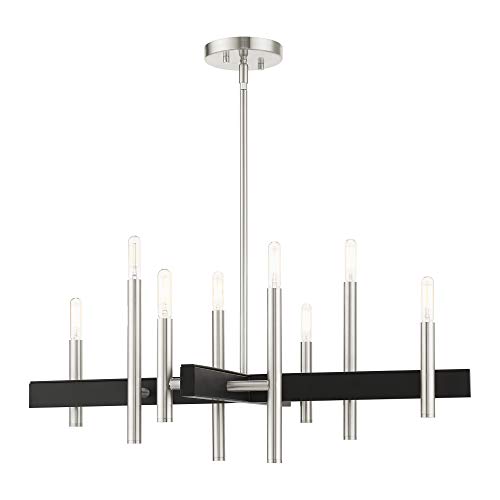
Best Bulb For Exposed Light 2026 That Shines Bright

Best Industrial Light Bulb Reviews: Top Picks for 2026
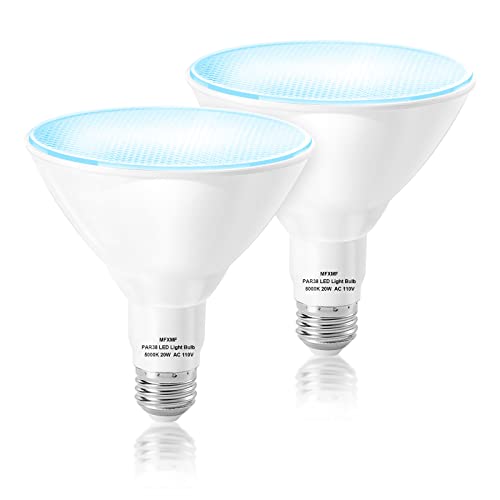
Best Outdoor Light Bulb Reviews: Top-Rated Picks for 2026
Best LED Reading Light Bulb Reviews - Top Picks for 2026

Best Vintage Light Bulb 2026 With Style And Glow
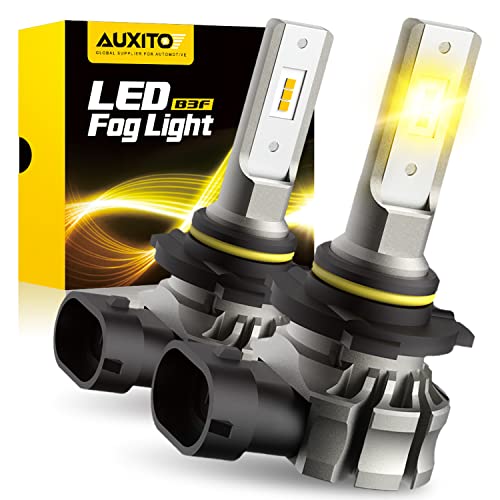
Best Yellow Fog Light Bulb 2026 For Clearer Night Drives

Best Z Wave Light Bulb 2026 Top Picks For Smart Control
Best Light Bulb For Vanity Mirror 2026 Brightness Boost






