
What Is Sconce Lighting and How Does It Work?

A homeowner scrolling through bedroom remodel photos keeps spotting sleek fixtures attached flat against the drywall instead of resting on nightstands. Put simply, sconce lighting refers to any fixture mounted directly to a wall rather than hanging from the ceiling or sitting on a table. These lights provide illumination at eye level, saving precious floor space while brightening dark corners.
Finding the right setup depends on your room and how the fixture gets power. Some versions connect directly to hidden electrical wires behind the wall, while renter-friendly plug-in models run off a standard wall outlet. The light direction also changes the mood, whether the shade points upward toward the ceiling, aims down for bedtime reading, or glows evenly all around. Moisture matters as well, since bathrooms require fixtures sealed against steam. Here is what to know about each style so you can hang your lights without harsh glare or surprise wiring bills.
A sconce mounts directly to your wall
A sconce is a permanent or semi-permanent light fixture mounted directly to a wall rather than hanging from the ceiling or resting on a table. Most common household lights fall into familiar groups: a flush mount (mounted flat against the ceiling), a semi-flush (hanging down a few inches on a short stem), or portable table and floor lamps that sit on furniture. A sconce takes lighting off the floor and off your tables by anchoring straight into the vertical drywall or plaster.
This design solves one of the biggest headaches in small or crowded rooms: surface clutter. In a tight bedroom, a pair of wall fixtures frees up space on small nightstands for books, glasses, or a glass of water. In a narrow entryway or staircase, a floor lamp would block your walking path, but a low-profile wall fixture sits flat enough to illuminate the steps without anyone bumping an elbow into it.
A typical sconce consists of three basic parts. First is the backplate or canopy, which is the flat metal plate that sits flush against the wall to hide the mounting hardware. Second is the arm or body, which extends outward or stays compact. Third is the light head, which holds the bulb, socket, and shade.
Many people wonder whether a single wall sconce can light up an entire room by itself. In almost every case, the answer is no. Overhead ceiling lights exist to flood a large space from above, but wall fixtures work best as accent or task lighting. They sit closer to eye level to fill in dark corners, eliminate harsh shadows under cabinets or mirrors, and create a calm, layered glow that makes a room feel balanced.
Plug-in cords avoid drywall cutting while hardwiring looks seamless
The first decision you face when shopping for wall fixtures is how the light gets power. Sconces come in two distinct styles: hardwired and plug-in. Choosing the wrong one can mean returning the box or facing an unexpected electrical bill.
A hardwired fixture is wired directly into a ceiling or wall electrical box, specifically a junction box (the hidden wall box where electrical wires connect). With this style, all the electrical cables run completely behind your drywall. The backplate covers the hole completely, leaving a clean, seamless finish with no visible cords running down the wall. This is the traditional setup you see flanking bathroom mirrors or built into newly constructed hallways.
Hardwired models look custom and tidy, but they require pre-existing wall wiring. If you do not already have an electrical box in the spot where you want the light, you will have to cut into the wall, fish electrical wire through wall studs, and install a box. For basic safety, always shut off the circuit breaker at the main electrical panel before touching any wires or removing an old wall fixture. Never trust a simple flip of the wall switch. If you have never handled electrical wiring or do not have existing wall boxes, hire a licensed electrician to do the heavy lifting.
A plug-in cord design offers a much simpler alternative for renters, older homes, or anyone who does not want to cut into their walls. A plug-in sconce mounts to the drywall with standard hollow-wall anchors and screws. A decorative cord then hangs down the wall from the bottom of the fixture and plugs directly into a standard household wall outlet. Most plug-in models feature an on-and-off switch right on the cord or a small turn switch on the backplate itself.
If you dislike the look of an exposed cord hanging down your painted wall, you can easily hide it. Inexpensive plastic cord channels stick flat against the wall, snap shut over the wire, and can be painted with your room's wall paint so the wire nearly disappears. Some manufacturers also sell convertible fixtures, which arrive with a cord attached but include internal parts so an electrician can convert them into a hardwired fixture during a future remodel.
Sconces direct light up, down, or all around
Not all wall lights cast their glow the same way. The physical shape of the shade determines where the light travels, which changes how useful the fixture is for different daily activities.
An uplight is light aimed upward toward the ceiling. The shade is closed or solid on the bottom and open at the top. When the bulb turns on, it washes the upper wall and bounces soft, indirect illumination across the ceiling. This bounce effect makes lower ceilings feel taller and creates a gentle, relaxing mood. Because the bulb is shielded from below, uplights prevent bright glare when you look at the wall while sitting down.
A downlight is light aimed downward toward the floor or a table. The shade is solid on top and open at the bottom, funneling a tight cone of brightness straight down. Downlights act as focused task lighting. They are the ideal choice when mounted beside a bed for late-night reading, above a kitchen prep counter, or positioned over a framed piece of artwork that needs crisp focus.
An ambient or multi-directional sconce allows light to spread in all directions. These fixtures use frosted glass globes, fabric drum shades, or exposed decorative bulbs. The light filters softly through the shade material, illuminating the wall behind it, the floor below, and the room in front. They provide general background lighting that softens shadows throughout the space.
The bulb you put inside the fixture matters just as much as the shade. When selecting a bulb, consider three factors:
- Brightness in lumens: Look at lumens rather than watts, because lumens measure actual brightness while watts only measure power draw. An accent or bedside sconce usually needs only 400 to 500 lumens for a calm glow. A bathroom task sconce often requires 800 lumens or more to clearly light your face.
- Color tone or warmth (Kelvin): This describes how warm or cool the light looks. Choose 2700K as warm soft white for bedrooms, dining areas, and living rooms to keep them cozy. Reserve 4000K to 5000K as crisp daylight for task areas, laundry rooms, or home offices where you need energetic clarity.
- Switch compatibility: If you install your fixture on an adjustable wall control, make sure you use an LED-compatible dimmer switch. Older dimmer switches made for traditional incandescent bulbs often cause modern LED bulbs to buzz, hum, or flicker annoyingly at low settings.
Key places to put sconces across your home
Because sconces take up zero floor space, you can place them in spots where traditional table lamps simply will not work. Here is how homeowners and apartment dwellers use them most effectively across different living areas.
Bathroom vanity mirrors
The bathroom is the single most common spot for a hardwired wall fixture. Many older bathrooms feature a single overhead bar above the mirror that casts unflattering shadows straight down across your forehead, nose, and chin. Placing two matching sconces on either side of the mirror at eye level washes your face with even, side-to-side light that eliminates those shadows completely.
When selecting a bathroom sconce, verify that the unit is damp-rated for steamy bathrooms and covered patios. The bathroom gets humid, and damp-rated fixtures have sealed parts that resist moisture and corrosion. Also check the bulb packaging for high color accuracy (CRI), specifically 90+ CRI, so makeup colors and skin tones look completely true and natural in your reflection.
Bedside reading spots
Placing sconces on the wall on both sides of a bed transforms a crowded bedroom. It clears your nightstand surface completely. Look for downlight designs, fixtures with adjustable swing arms, or models with a built-in switch directly on the base. A swing arm lets you pull the light right over your book while reading, then push the arm flat against the wall before going to sleep.
Hallways and staircases
Hallways are naturally narrow, making wall-mounted fixtures the ideal way to guide foot traffic safely. Placing sconces every six to eight feet down a long corridor creates an inviting rhythm of light. If you want automatic safety without hunting for a wall switch in the dark, consider pairing these pathways with indoor motion sensor lights for hallways and stairs so the path lights up the moment your feet hit the floorboards.
Living rooms and accent walls
In a living room, sconces work beautifully when mounted on either side of a fireplace mantel, framing a large piece of wall art, or positioned behind a reading sofa. They add visual depth that makes the room feel warmer and larger at night. If you like automated living spaces, you can tie your wall fixtures into home automation lights for dependable routines to have your accent lighting dim to a soft, golden glow automatically when the sun goes down.
Hang sconces at eye level to avoid harsh glare
The most common mistake people make with sconce lighting is hanging the fixture at the wrong height. Mount a sconce too high, and you look up directly into an unfinished socket or a bare bulb. Mount it too low, and people bump into it or cast long shadows across the room.
Here is a simple checklist to get the height right on your first try:
- Use the standard eye-level rule: In general living spaces, hallways, and dining rooms, mount the center of the sconce backplate between 60 and 65 inches above the finished floor. This matches average human eye level, keeping the light bulb hidden behind the shade whether you are sitting or walking past.
- Adjust for tall ceilings: If your room has standard eight-foot ceilings, stick close to 60 or 62 inches. If your home has nine-foot or ten-foot ceilings, you can shift the fixture up toward 65 to 68 inches so the wall does not look bottom-heavy or empty at the top.
- Measure bedside sconces while sitting up: Do not use floor height for bedside reading lights. Instead, sit upright against your pillows in your normal reading posture. The bottom edge of the sconce shade should sit roughly at your shoulder height, which is usually 30 to 36 inches above the top surface of your mattress. This angles the beam directly onto your pages while keeping the light source above your line of sight.
- Position bathroom fixtures beside the glass: When mounting sconces beside a vanity mirror, aim for 60 to 65 inches from the floor, positioning the lights roughly level with your eyes. If your mirror is too wide for side fixtures and you must mount a multi-light bar above the mirror, hang it about 75 to 80 inches from the floor, centered above the mirror frame.
- Check for bare-bulb glare: After hanging the fixture loosely, take a step back and view it from every normal angle in the room, including sitting on the couch or lying in bed. If the bare bulb shines straight into your eyes, swap the bulb for an opaque frosted bulb, adjust the shade tilt, or lower the mounting plate.
What to check before choosing your wall sconce
Before you purchase a wall sconce, matching the fixture to your specific room setup will save you from installation surprises and returns. First, check your power source. If you already have wall boxes with hidden electrical wires, pick a hardwired fixture. If you live in a rental, have solid brick walls, or lack existing wiring, pick a plug-in model with a neat cord and an easily reachable switch.
Next, confirm the location rating stamped on the packaging. Use a fixture marked dry-rated for living rooms and bedrooms where water is never present. Always choose a fixture marked damp-rated for steamy bathrooms and covered patios to handle daily shower humidity, and reserve wet-rated for direct rain and outdoor exposure on exterior house walls.
Finally, inspect the bulb base and control options. Many homeowners prefer fixtures featuring a standard screw-in bulb base (E26 medium base) because it lets you easily change bulb styles, warmth, and brightness over time. Alternatively, a fixture with a built-in LED offers a sleek, modern profile where you never have to replace a bulb. Just verify whether the unit works with an external wall dimmer so you can adjust the light level to suit your mood throughout the day.

- LFR Score9.1
LFR Score is a ranking system developed by lightfansreviews.com. LFR Score has no relationship or impact from any manufacturers or sales agent websites. Learn more
- BrandKEWANNO
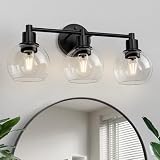
- LFR Score9.0
LFR Score is a ranking system developed by lightfansreviews.com. LFR Score has no relationship or impact from any manufacturers or sales agent websites. Learn more
- BrandEspird

- LFR Score8.9
LFR Score is a ranking system developed by lightfansreviews.com. LFR Score has no relationship or impact from any manufacturers or sales agent websites. Learn more
- BrandAipsun

- LFR Score7.8
LFR Score is a ranking system developed by lightfansreviews.com. LFR Score has no relationship or impact from any manufacturers or sales agent websites. Learn more
- BrandShenmoyl

- LFR Score7.5
LFR Score is a ranking system developed by lightfansreviews.com. LFR Score has no relationship or impact from any manufacturers or sales agent websites. Learn more
- BrandLicperron
Last update on 2026-10-17 / Affiliate links / Images, Product Titles, and Product Highlights from Amazon Product Advertising API


Best Lighting For Makeup 2026 Bright Ideas For Flawless Looks

Best Wall Sconces For Staircase 2026 Brighten Your Home

Best Lighting For Computer Desk 2026 For Focused Work

Best Boat Black Lights 2026 For Nighttime Adventure

Best Black 30 Inch Light Bar Reviews – Top Picks of 2026

Best Black Light For Aquarium 2026 For Vibrant Glow

Best Black Light for Authenticating Glass 2026 Top Picks

Best Waterproof Spotlight 2026 That Outshines Expectations






