
What Is the Difference Between T8 and T12 Bulbs?

The real difference is bulb thickness. A T8 tube measures one inch across, while an older T12 tube measures one and a half inches wide. Both bulbs share the exact same two-pin metal ends, so they will physically slide into the same sockets. But standard fluorescent tubes cannot simply swap places. They rely on very different internal power boxes, known as ballasts, to regulate electricity. Plugging a regular T8 fluorescent tube into an old T12 fixture often leads to loud buzzing, rapid flickering, or early failure.
Your next step depends on the replacement you choose. Modern LED replacement tubes make upgrading simple, but your choice depends on your fixture's existing power pack and whether you are willing to rewire around it. Here is what separates these two tube sizes, how they interact with your light fixture, and how to pick the right replacement safely.
T8 Bulbs Are One Inch Thick While T12s Are Wider
The single most noticeable difference between a T8 bulb and a T12 bulb is their physical thickness. In the lighting world, the letter T stands for tubular, which simply describes the long tube shape of the glass. The number that follows the letter tells you the diameter of that tube measured in eighths of an inch. That simple measurement system explains why these two bulbs look so different when held side by side.
A T8 bulb measures eight-eighths of an inch across its widest point. When you do the math, eight divided by eight equals exactly one full inch in diameter. A T12 bulb measures twelve-eighths of an inch across. Twelve divided by eight equals one and a half inches in diameter. That means an older T12 bulb is a half-inch wider than a T8 bulb, making it fifty percent thicker around its middle.
To picture the difference without a tape measure, think about common household objects. A T12 tube has roughly the same thickness as a cardboard paper towel roll or a standard golf ball. A T8 tube is noticeably slimmer, roughly the thickness of a quarter coin or a standard broom handle. When you look up at a fixture on an eight-foot ceiling, that half-inch difference makes a T12 look heavy and bulky, while a T8 looks sleek and streamlined.
This difference in thickness also affects how these bulbs produce light. For decades, T12 tubes were the standard choice installed in home garages, laundry rooms, and unfinished basements. Over time, lighting manufacturers discovered that a narrower tube requires less internal gas volume to generate an electrical arc. Because a T8 tube is narrower, the electrical current excites the phosphors coating the inside of the glass much more efficiently. That allows a thinner T8 tube to produce equal or greater brightness while using significantly less electrical energy than an old T12 tube.
Both Bulbs Use The Same Two-Pin Metal End Sockets
Many homeowners assume that because a T12 tube is fifty percent thicker than a T8 tube, it must require a completely different light fixture. That assumption is logical, but it creates the exact trap that causes confusion in the light bulb aisle. Both standard four-foot T8 bulbs and four-foot T12 bulbs share the exact same metal connection pins on both ends.
The metal prongs on each end of the tube are known as a G13 bi-pin base (standard two-prong metal ends). The letter G indicates the push-and-twist pin structure, while the number thirteen indicates that the two metal prongs sit exactly thirteen millimeters apart from center to center. Because both bulb sizes use this exact same pin spacing, both bulbs slide directly into the exact same fixture sockets.
Inside your ceiling fixture, those two metal prongs slide into plastic brackets known as tombstones (the plastic end socket holding the pins). When you take a slender T8 tube and slide it into a fixture that originally held a thick T12 tube, the metal pins will guide smoothly into the tombstone grooves. You can twist the tube ninety degrees, feel it seat firmly into place, and hear the familiar gentle click.
This physical fit tricks thousands of people every year. Just because a light bulb physically locks into a fixture socket does not mean it is electrically safe to run there. The sockets only provide the physical holding points and the metal path for electrical current to enter the bulb. The real decision about whether a bulb will work safely comes down to the internal electrical parts hidden behind the metal fixture housing.
Internal Ballasts Prevent Swapping Fluorescent Tubes Directly
Fluorescent tubes cannot plug directly into standard household wall current. If you fed raw household electricity straight into a fluorescent glass tube, the gas inside would draw an uncontrolled rush of electrical current until the bulb shattered or tripped your home circuit breaker. To prevent this, every fluorescent fixture contains a ballast (the fixture power box that regulates electricity). The ballast delivers a quick high-voltage spike to ignite the gas inside the tube, then instantly restricts the current to a steady, safe level.
Old T12 fixtures rely on magnetic ballasts. These are heavy power boxes packed with copper coils and iron cores. Magnetic ballasts operate at sixty electrical cycles per second, which is the exact frequency that causes older garage lights to produce an annoying low-pitched hum. They also struggle in chilly environments. If your garage drops below fifty degrees in the winter, an old magnetic ballast often fails to ignite the tube, leaving you with dim, pinkish lighting or wild flickering.
Modern T8 fixtures use electronic ballasts. These lightweight electronic boards operate at thousands of cycles per second. That high frequency completely eliminates audible buzzing and wipes out the eye-straining flicker common to older fluorescent lights. Electronic ballasts are also far more energy-efficient and start instantly even in cold garages.
Because these two types of power boxes regulate electricity in completely different ways, you cannot mix standard fluorescent tubes between fixtures. If you put a standard fluorescent T8 bulb into an old T12 fixture, the heavy magnetic ballast will push far too much electrical current through the smaller T8 tube. The bulb might light up briefly, but the extra heat will quickly scorch the tube ends, cause violent flickering, and burn out the bulb in a matter of weeks. Even worse, the mismatched electrical draw can cause the old ballast to overheat, melt its internal protective tar, and create a serious burning odor or fire hazard.
Original T12 fluorescent tubes are also disappearing rapidly from store shelves. United States federal efficiency standards phased out the manufacture of traditional T12 magnetic ballasts and many T12 lamps to reduce nationwide power consumption. As stock dwindles, finding replacement T12 fluorescent tubes has become difficult and expensive. To see how standard operating hours affect these older tubes before they give out, review our breakdown on how long fluorescent bulbs last in typical household installations.
Modern LED Tubes Solve Old Ballast Compatibility Issues
When an old fluorescent tube burns out today, buying another fluorescent tube rarely makes practical sense. Upgrading to linear LED replacement tubes gives you instant brightness, zero warm-up time, silent operation, and massive electricity savings. Because LED tubes rely on internal circuit boards rather than charged gas, they solve the old T8 and T12 mismatch dilemma. However, you must choose the right upgrade method for your specific fixture.
Retail stores organize LED tube replacements into three distinct wiring categories:
- Type A (Plug-and-play): These tubes run directly off an existing ballast. You simply take out the old fluorescent tube and snap the new LED tube into the tombstones. While this seems easy, Type A tubes only work if your existing ballast is in good working order. If your old fixture contains an aging T12 magnetic ballast, many Type A tubes will hum, flicker, or fail to light up at all.
- Type B (Ballast bypass): These tubes require wiring the light sockets directly to household power. You open the fixture housing, disconnect and remove the old ballast entirely, and connect the incoming black and white house wires straight to the tombstones. This is the most reliable long-term choice for old T12 fixtures because it eliminates the failing power box permanently.
- Type A+B (Hybrid): These tubes offer maximum flexibility. You can install them right out of the box as plug-and-play tubes while your existing ballast still works. Later on, when the old ballast finally fails and stops working, you can open the fixture, cut out the dead ballast, and wire the same tubes directly to household line power.
Before modifying any fixture wiring for a Type B ballast bypass installation, follow this practical checklist to keep the job simple and safe:
- Shut off main power first: Never rely solely on a wall switch. Always flip the circuit breaker off at your main household electrical panel and confirm the power is dead before touching any wiring.
- Inspect your socket types: Sockets come in two varieties. Shunted tombstones connect the two pin holes internally, while non-shunted tombstones keep the two pin paths completely separate. Many double-ended LED tubes work smoothly with both shunted and non-shunted tombstones, making wiring straightforward. Single-ended LED tubes require non-shunted sockets.
- Check the plastic condition: Fluorescent ballasts produce heavy heat over decades of service. Inspect the plastic tombstones closely. If the plastic looks yellowed, brittle, or cracked, replace the tombstones before installing your new LED tubes.
- Label the fixture: After completing a ballast bypass, stick the warning label included in the LED bulb box inside the fixture channel. This informs future homeowners that the fixture now supplies direct line voltage and can no longer accept standard fluorescent tubes.
- Know when to get help: If you open the fixture metal cover and find brittle wires with crumbling insulation, or if you feel uncomfortable handling wire strippers and wire nuts, stop immediately. Call a licensed electrician to complete the bypass safely.
Read Your Old Tube Markings Before Buying A Replacement
Determining whether you have T8 or T12 bulbs takes less than five minutes if you follow these clear, practical steps at home.
- Turn off the light switch and let the tubes cool: Fluorescent tubes can become warm near the metal end caps during normal operation. Give the fixture ten minutes to cool down completely so you can handle the glass safely.
- Remove the dead tube carefully: Stand on a sturdy step stool so you can reach the fixture comfortably with both hands. Grip the glass tube firmly near both ends, rotate the tube ninety degrees toward your body until the metal pins line up with the socket exit slots, and lower the tube gently out of the fixture.
- Read the stamped code on the glass: Look near one end of the glass tube, roughly two inches from the metal cap. You will find an etched or stamped manufacturer code.
- If the code reads F40T12, the letter F stands for fluorescent, the number 40 indicates forty watts of power consumption, and T12 tells you the tube is one and a half inches thick.
- If the code reads F32T8, the tube uses thirty-two watts of power and measures one inch thick.
- If you have an extra-long eight-foot fixture with single round metal pins instead of two prongs, you have an FA8 single-pin slimline tube. If you are retrofitting tall commercial bays or large detached shops, check out our guide on the best industrial light bulb styles to find rugged high-output options.
- Measure the tube length: Take a standard tape measure and measure the overall length of the tube from the tip of the metal pins on one end to the tip of the metal pins on the other end. Most residential garage and basement fixtures measure exactly forty-eight inches (four feet). Commercial fixtures or heavy workshop lights often measure ninety-six inches (eight feet).
- Choose your brightness by lumens instead of watts: When shopping for an LED upgrade, ignore old wattage figures. An old fluorescent T12 tube consumed forty watts of electricity to produce roughly 2,000 to 2,500 lumens (the actual brightness of the light). A modern LED replacement tube can produce that same 2,000 to 2,500 lumens while consuming only fourteen to twenty watts.
- Pick your room color temperature: Select the right Kelvin rating for your space. Choose 4000K (clean, balanced cool white) if you want natural, neutral lighting for a finished basement or laundry room. Choose 5000K (crisp daylight white) for an unheated garage, woodworking shop, or mechanical workspace where high contrast helps you see small screws, wood grain, and tool marks clearly.
Choose Hybrid Or Bypass LED Tubes For Hassle-Free Lighting
When you stand in the store looking for a way out of the T8 and T12 dilemma, linear LED replacement tubes provide the cleanest and most practical answer. Upgrading your fixtures with modern LED tubes ends ballast hum, cuts electrical power consumption in half, and eliminates cold-weather flickering permanently.
Before purchasing your replacement tubes, check three critical factors on the product box:
- Tube length and base type: Confirm that the tube matches your fixture length. Standard four-foot fixtures require 48-inch tubes with G13 two-prong bi-pin ends. Extra-long shop fixtures require 96-inch tubes with FA8 single-pin ends.
- Installation design: Look for Type B ballast bypass or hybrid Type A+B tubes. These allow you to eliminate your aging T12 power box completely, ensuring your new lights do not depend on failing forty-year-old fixture parts.
- Diffuser finish: Choose frosted tube covers if your ceiling fixture leaves the bulbs fully exposed. The frosted coating softens the beam and eliminates harsh glare. Choose clear covers only if your fixture features an acrylic drop-down lens or protective diffuser grid that already spreads the light across the room.
- Safety listings: Look for independent safety certifications printed on the packaging, such as UL-listed or ETL-listed marks, ensuring the bulb meets strict residential fire and electrical standards.

- LFR Score9.6
LFR Score is a ranking system developed by lightfansreviews.com. LFR Score has no relationship or impact from any manufacturers or sales agent websites. Learn more
- BrandCYLYT

- LFR Score9.4
LFR Score is a ranking system developed by lightfansreviews.com. LFR Score has no relationship or impact from any manufacturers or sales agent websites. Learn more
- BrandJESLED

- LFR Score9.0
LFR Score is a ranking system developed by lightfansreviews.com. LFR Score has no relationship or impact from any manufacturers or sales agent websites. Learn more
- BrandLUMINOSUM

- LFR Score8.8
LFR Score is a ranking system developed by lightfansreviews.com. LFR Score has no relationship or impact from any manufacturers or sales agent websites. Learn more
- BrandBarrina
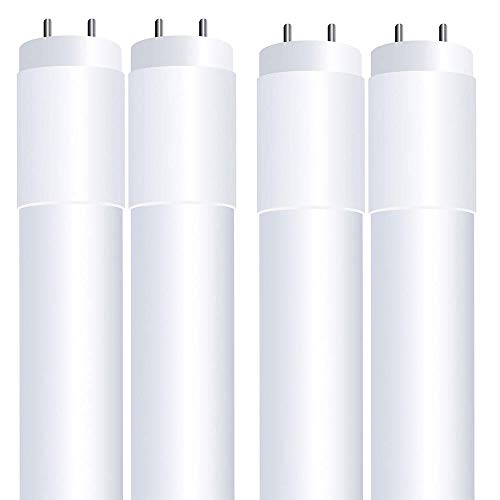
- LFR Score8.6
LFR Score is a ranking system developed by lightfansreviews.com. LFR Score has no relationship or impact from any manufacturers or sales agent websites. Learn more
- BrandFeit Electric

- LFR Score8.6
LFR Score is a ranking system developed by lightfansreviews.com. LFR Score has no relationship or impact from any manufacturers or sales agent websites. Learn more
- BrandFeit Electric

- LFR Score8.4
LFR Score is a ranking system developed by lightfansreviews.com. LFR Score has no relationship or impact from any manufacturers or sales agent websites. Learn more
- BrandLUXRITE

- LFR Score8.2
LFR Score is a ranking system developed by lightfansreviews.com. LFR Score has no relationship or impact from any manufacturers or sales agent websites. Learn more
- BrandAIELIT

- LFR Score8.0
LFR Score is a ranking system developed by lightfansreviews.com. LFR Score has no relationship or impact from any manufacturers or sales agent websites. Learn more
- BrandLUMINOSUM

- LFR Score7.2
LFR Score is a ranking system developed by lightfansreviews.com. LFR Score has no relationship or impact from any manufacturers or sales agent websites. Learn more
- BrandGE
Last update on 2026-10-01 / Affiliate links / Images, Product Titles, and Product Highlights from Amazon Product Advertising API

Best Bulb For Exposed Light 2026 That Shines Bright

Best Industrial Light Bulb Reviews: Top Picks for 2026
Best Outdoor Light Bulb Reviews: Top-Rated Picks for 2026
Best LED Reading Light Bulb Reviews - Top Picks for 2026

Best Vintage Light Bulb 2026 With Style And Glow
Best Yellow Fog Light Bulb 2026 For Clearer Night Drives

Best Z Wave Light Bulb 2026 Top Picks For Smart Control
Best Light Bulb For Vanity Mirror 2026 Brightness Boost






