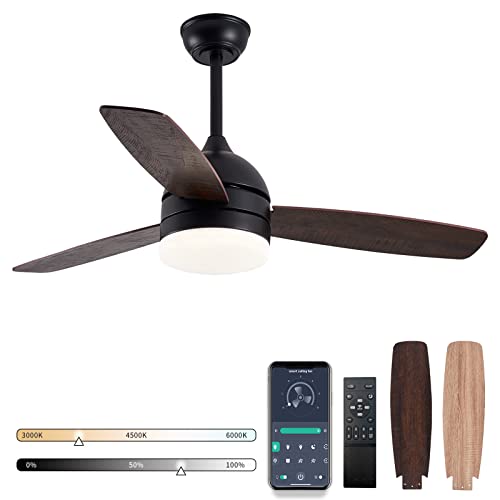
What Is the Energy Transformation of a Ceiling Fan?

What Is the Energy Transformation of a Ceiling Fan sounds like one of those dry science questions from school, yet it actually explains why a room suddenly feels cooler the second those blades start spinning overhead. Electrical energy flows through the fan motor, and then, almost like clockwork, that energy changes into mechanical energy that rotates the blades. Air starts moving, sweat evaporates faster, and the room feels more comfortable even though the air temperature itself may barely change. Funny how something so ordinary hides such an interesting process, right?
Most people notice the breeze but never stop to think about what’s happening inside the fan housing. The motor pulls electricity from the circuit and converts it into rotational movement through magnetic forces. Some of that energy also becomes sound energy and a tiny amount of heat, which explains the soft hum or slight warmth around older fan motors. A wobbling or noisy fan often points to energy being wasted instead of transferred smoothly into blade motion.
Ceiling fans feel simple on the surface, but they quietly rely on a clever chain of transformations. The blades don’t create cold air out of thin air. They push existing air around the room, helping people feel cooler through increased evaporation on the skin. That’s why a fan can make a stuffy room feel less miserable even during sticky summer evenings. A lot of folks crank the thermostat lower without realizing that improving air circulation can sometimes make a bigger difference.
Energy transformation also explains why fan size, motor quality, and blade design matter more than flashy looks. A poorly balanced fan may waste electricity through vibration and friction instead of smooth airflow. Meanwhile, efficient motors convert a higher percentage of electrical power into usable motion. That balance affects energy bills, comfort, and even long-term durability.
Plenty of homeowners get frustrated when a fan spins fast but barely moves air. Blade pitch, motor strength, and installation height all influence how effectively energy becomes airflow. A fan mounted too high or paired with shallow blade angles can leave the room feeling oddly stagnant. Small design details shape how useful the fan becomes during hot afternoons or humid nights.
Modern ceiling fans often include energy-saving motors that reduce wasted heat while improving airflow consistency. DC motor fans, for instance, tend to operate more quietly because less energy escapes as vibration or noise. That smoother operation creates a calmer environment, especially in bedrooms or workspaces where constant rattling gets old pretty fast. Efficient energy conversion doesn’t just save electricity. It improves everyday comfort in ways people notice immediately.

- LFR Score9.2
LFR Score is a ranking system developed by lightfansreviews.com. LFR Score has no relationship or impact from any manufacturers or sales agent websites. Learn more
- BrandDREO

- LFR Score9.2
LFR Score is a ranking system developed by lightfansreviews.com. LFR Score has no relationship or impact from any manufacturers or sales agent websites. Learn more
- BrandDREO

- LFR Score8.8
LFR Score is a ranking system developed by lightfansreviews.com. LFR Score has no relationship or impact from any manufacturers or sales agent websites. Learn more
- BrandYITAHOME
- LFR Score8.6
LFR Score is a ranking system developed by lightfansreviews.com. LFR Score has no relationship or impact from any manufacturers or sales agent websites. Learn more
- BrandASALL
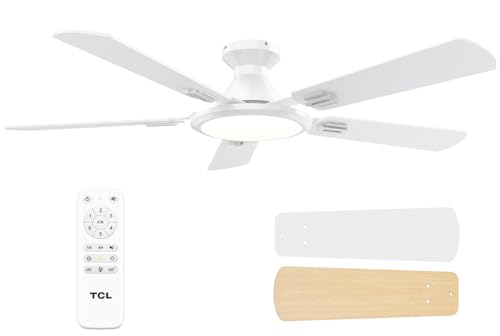
- LFR Score8.6
LFR Score is a ranking system developed by lightfansreviews.com. LFR Score has no relationship or impact from any manufacturers or sales agent websites. Learn more
- BrandTCL

- LFR Score8.4
LFR Score is a ranking system developed by lightfansreviews.com. LFR Score has no relationship or impact from any manufacturers or sales agent websites. Learn more
- BrandAmico

- LFR Score8.2
LFR Score is a ranking system developed by lightfansreviews.com. LFR Score has no relationship or impact from any manufacturers or sales agent websites. Learn more
- BrandVTYXCTIGJ

- LFR Score8.0
LFR Score is a ranking system developed by lightfansreviews.com. LFR Score has no relationship or impact from any manufacturers or sales agent websites. Learn more
- BrandWe Charger

- LFR Score7.8
LFR Score is a ranking system developed by lightfansreviews.com. LFR Score has no relationship or impact from any manufacturers or sales agent websites. Learn more
- BrandTeacher Created Materials
- LFR Score7.2
LFR Score is a ranking system developed by lightfansreviews.com. LFR Score has no relationship or impact from any manufacturers or sales agent websites. Learn more
- Brandsunlar
Last update on 2026-06-08 / Affiliate links / Images, Product Titles, and Product Highlights from Amazon Product Advertising API
What Is The Energy Transformation Of A Ceiling Fan
A hot room can make even a quiet afternoon feel sticky, slow, and annoying. Flip the wall switch, though, and the moving blades give your skin that quick “ahh” moment without actually making the room colder. That small everyday comfort is tied directly to what is the energy transformation of a ceiling fan, because the fan is constantly changing electrical energy into mechanical motion, airflow, sound, and a little heat.
Ceiling Fan Energy Basics
What is the energy transformation of a ceiling fan starts with electricity moving from your home’s wiring into the fan motor. Inside that motor, electrical energy creates magnetic forces that push the rotor into motion. The blades attached to that rotor begin spinning, and that spinning becomes mechanical energy. Simple on the outside, pretty clever on the inside.
The fan does not create cold air, and that’s where many people get tripped up. A ceiling fan moves existing air across your skin, helping sweat evaporate faster. That process makes your body feel cooler, even though the actual room temperature may stay nearly the same. The real benefit is air movement, not air chilling.
A clean energy path looks like this: electrical energy enters the motor, changes into rotational kinetic energy, then moves the blades and pushes air around the room. Some energy escapes as sound, especially through humming, clicking, or vibration. A tiny amount also turns into heat because motors and moving parts naturally create friction.
This is why fan quality, blade balance, and motor condition matter more than many people expect. A smooth fan sends more usable energy into airflow. A shaky fan wastes more energy through vibration, noise, and friction. That difference shows up as comfort, quietness, and sometimes a lower electricity bill.
Electrical Energy Becomes Motion
The motor is the heart of the whole setup. Once current flows through the motor windings, magnetic fields form and interact in a way that turns the rotor. That spinning rotor transfers mechanical force to the blade arms. From there, the blades cut through the air and create circulation.
Older AC motor ceiling fans usually rely on alternating current and capacitors to control starting force and speed. Many newer DC motor fans use electronic controls to manage speed more efficiently. That’s one reason DC models often feel smoother and quieter during everyday use. Less wasted energy usually means less heat buildup and less annoying hum.
The blade pitch affects how well motion becomes airflow. Flat blades may spin quickly but still move less air than angled blades with a stronger pitch. A better blade angle grabs more air with each rotation. That small design detail can make energy conversion feel stronger in real life.
Room size matters too, because a fan that’s too small may run hard without moving enough air across the space. For larger rooms, compare airflow needs and blade span before buying, especially with wide living rooms or open bedrooms. Match the fan to the space with ceiling fan for 400 sq ft room so the motor’s energy becomes useful circulation instead of weak spinning overhead.
Why The Room Feels Cooler
A ceiling fan cools people, not rooms. That line sounds blunt, but it saves a lot of confusion. The moving air helps moisture evaporate from your skin, and evaporation carries heat away from your body. That’s the real comfort behind ceiling fan airflow.
This explains why leaving a fan on in an empty room usually wastes electricity. Nobody is there to feel the moving air, so the comfort benefit disappears. The fan still transforms electrical energy into motion, sound, and heat, but no person gains from it. Turn it off when the room is empty, and you cut unnecessary energy use right away.
Ceiling fans pair well with air conditioners because they spread conditioned air more evenly. A room with poor circulation often has warm corners, stuffy spots, and uneven comfort. Running a fan can help the space feel more balanced without forcing the AC to do all the heavy lifting. That’s where air circulation becomes practical, not just scientific.
Humidity changes the whole experience, too. In muggy weather, sweat evaporates more slowly, so the breeze may feel less dramatic. Still, steady airflow can reduce that heavy, stale feeling in the room. The fan’s kinetic energy keeps air from sitting still, which makes the space feel less trapped.
Energy Lost As Heat And Sound
No ceiling fan turns every bit of electricity into perfect blade movement. Some energy becomes heat inside the motor because wires resist electrical flow. Bearings and moving parts also create friction. That’s normal, but too much heat can point to age, dust buildup, or mechanical strain.
Sound is another form of energy that sneaks out during operation. A soft hum may be normal, especially with certain AC motors. Clicking, grinding, or scraping sounds are different. Those noises often mean energy is being wasted through loose hardware, worn bearings, or unbalanced blades.
A wobbling fan is more than a visual annoyance. Wobble sends energy sideways instead of into clean rotation. That extra movement stresses the mount, reduces comfort, and may make the fan louder over time. Tight screws, balanced blades, and a stable downrod help keep mechanical energy focused where it belongs.
Dust also changes how well a fan performs. Thick dust on blade edges affects airflow and balance, especially after months of use. A quick wipe can reduce strain and help the blades move air more evenly. Small maintenance habits protect energy efficiency without needing fancy tools.
Motor Type Changes The Experience
AC and DC ceiling fan motors both transform electricity into motion, but they do it with different personalities. AC motors are common, familiar, and often cheaper upfront. DC motors usually offer quieter speed control and lower power use. That makes the motor type a real comfort factor, not just a spec sheet detail.
A DC motor often runs with less vibration because electronic controls fine-tune the power going into the motor. That smoother movement can be useful in bedrooms, nurseries, and home offices. Nobody wants a fan clicking above their head during a late-night call or half-asleep morning. Quiet energy transfer feels like a small luxury.
AC motors still make sense in many homes, especially where budget and simple controls matter more than ultra-quiet performance. They can move plenty of air with the right blade design and room match. The tradeoff is that some models may produce more hum or use more electricity at similar speeds. The smart move is balancing cost, noise, and airflow.
People often blame the blades when the motor is the real issue. A weak motor may spin the blades but fail to create satisfying airflow. A strong motor with poor blades can also waste energy. Good fan performance depends on the partnership between motor strength and blade design.
Airflow Depends On Blade Design
Blade shape turns spinning motion into moving air. Wider blades may push more air, but only if the motor can handle the added resistance. Steeper blade pitch can improve airflow, yet it also demands more torque. That balance decides how well rotational energy becomes a breeze you can actually feel.
Blade count can fool people. More blades may look fuller and quieter, but they don’t always mean stronger airflow. Three-blade fans can move air efficiently when the design is right. Five-blade fans may feel smoother in some rooms, especially where quiet comfort matters more than maximum breeze.
Ceiling height changes the result, too. A fan mounted too close to the ceiling may struggle to pull and push air properly. A fan hanging too low can feel overpowering or unsafe. The sweet spot gives the blades enough breathing room to move air volume without making the room feel choppy.
Outdoor or damp spaces add another wrinkle because moisture, dust, and heat can affect motor life. A fan built for indoor use may not handle patios, porches, or humid rooms well. That mismatch can reduce performance and shorten the fan’s lifespan. Practical placement keeps energy transfer steady instead of forcing the fan to fight its environment.
Everyday Examples Make It Clear
Picture a bedroom fan on a low setting at night. Electricity flows into the motor, the blades rotate slowly, and air glides across the room. Most of the useful energy becomes gentle motion, while a little becomes heat and sound. That low-speed setting often feels calmer because less energy is being pushed through the system.
Now picture the same fan on high during a hot afternoon. The motor draws more power, blades spin faster, and airflow becomes stronger. The room may feel less stuffy, but the fan also produces more sound and possibly more heat from the motor. Higher speed means a bigger energy transformation, not magical cooling.
A dusty, unbalanced fan tells a different story. It may rattle, wobble, and move less air than expected. In that case, electricity is still being used, but too much of it escapes as noise and vibration. Cleaning and balancing can make the same fan feel noticeably better.
Sinus discomfort, dry rooms, and airflow direction can also affect how comfortable a fan feels during sleep. Air blowing straight at the face may bother some people, especially during allergy season or dry weather. For separate comfort routines outside fan airflow, ease nighttime pressure with red light therapy for sinuses if sinus care is also on the mind.
Energy Efficiency Starts With Habits
A ceiling fan uses far less energy than most air conditioners, but waste still adds up if it runs all day in empty rooms. The easiest fix is also the least glamorous: turn it off when nobody is there. Since a fan cools skin through moving air, it only helps when someone can feel the breeze. That habit keeps the energy transformation useful instead of pointless.
Direction settings matter by season. In warm weather, most fans should spin counterclockwise to push air downward and create a cooling breeze. In cooler months, a low clockwise setting can help move warm air away from the ceiling without creating a strong draft. Proper direction improves comfort without demanding extra power.
Speed choice also changes energy use. High speed feels great during a sweaty cleanup session, but it may be overkill for reading, sleeping, or working at a desk. Lower speeds often give enough circulation with less sound and less electricity. Sensible settings make energy savings feel effortless.
Lighting choices around the room can shape comfort as well, especially in patios, garages, or sports areas where fans and lights run together. For outdoor play spaces that need better visibility, brighten the court area with solar lights for basketball court instead of adding more load to indoor circuits. Separate systems can keep airflow and lighting needs from stepping on each other.
How Ceiling Fan Energy Conversion Affects Comfort
Most people only notice a ceiling fan after something feels off. The room stays warm, the air feels stale, or the fan starts making a low rattling sound that slowly drives everyone nuts. Those little frustrations connect directly to how energy moves through the fan, because poor airflow usually means the fan is wasting part of its electrical input through vibration, friction, or weak blade performance.
Why Airflow Feels Different At Various Speeds
Low fan speeds create a softer and more even breeze because the motor transfers less electrical energy into blade motion. That slower circulation works nicely for sleeping, reading, or watching TV without papers flying across the room. High speed changes the feel completely. The blades rotate faster, airflow becomes more aggressive, and the fan produces stronger kinetic energy.
Many people assume maximum speed is always better, but that’s not really true. A fan running too fast in a small room can create annoying turbulence instead of comfort. Air may bounce awkwardly off walls and ceilings, making the room feel chaotic rather than cool. Balanced airflow matters more than raw spinning power.
Motor quality also changes how different speeds feel. Cheap motors sometimes buzz loudly at medium settings because energy escapes through vibration instead of smooth rotation. Better motors keep airflow stable without that distracting electrical hum. That’s where efficient energy conversion becomes noticeable in daily life.
Noise-sensitive sleepers often realize this difference pretty quickly. Constant humming overhead can turn a quiet bedroom into an irritation machine after a few nights. For rooms where silence matters more than maximum airflow, compare quieter alternatives with best pedestal fan with low noise to reduce mechanical noise without giving up circulation.
Blade Balance Shapes Energy Transfer
A balanced fan rotates smoothly because the blades distribute weight evenly around the motor. That smooth motion allows more mechanical energy to become usable airflow. An unbalanced fan wastes energy through wobbling and side-to-side movement. You can usually hear the difference before you even see it.
Loose screws are one of the most common reasons fans start shaking. Blade brackets slowly loosen over time, especially in rooms where the fan runs daily for long hours. Tightening hardware often improves both airflow and noise levels within minutes. Small maintenance jobs can dramatically improve energy efficiency.
Dust buildup creates another hidden problem. Thick layers of dust change blade weight and disrupt airflow patterns. One blade may become slightly heavier than the others, causing uneven rotation. That imbalance forces the motor to work harder just to maintain normal spinning speed.
Ceiling angle matters too, especially in older homes where mounting surfaces may not be perfectly level. Even a slight tilt can stress the downrod and mounting bracket over time. Stable installation keeps rotational energy centered properly. The result feels smoother, quieter, and more reliable during long-term use.
Heat Generation Inside The Motor
Every ceiling fan motor creates some heat while operating. Electricity passing through motor windings naturally faces resistance, and resistance produces warmth. A mild temperature increase is normal, especially after several hours of operation. Excessive heat, though, usually points toward mechanical strain or electrical inefficiency.
Older motors often run hotter because worn bearings increase friction inside the system. Dust inside the housing can also trap heat around sensitive components. That trapped warmth slowly affects performance and may shorten motor lifespan. A fan that feels unusually hot near the motor housing deserves attention.
High outdoor temperatures can make the problem worse. Fans installed in sunrooms, garages, or patios already operate in warmer environments before the motor even starts working. Constant heat exposure stresses insulation, wiring, and moving parts over time. Outdoor-rated fans handle these conditions more effectively because their materials resist moisture, heat, and corrosion.
People upgrading covered patios or outdoor lounge areas usually benefit from weather-resistant designs built specifically for humidity and temperature swings. Improve outdoor airflow durability with best selling outdoor ceiling fans that handle changing conditions without constant maintenance headaches.
Ceiling Height Changes Fan Performance
Ceiling height quietly changes how effectively a fan transforms energy into airflow. A fan mounted too high struggles to push enough air downward where people actually feel it. The blades may spin normally, yet the breeze barely reaches the seating area. That disconnect often leaves people wondering why the room still feels warm.
Fans mounted too low create a different problem. Airflow may feel harsh or uneven, especially at high speeds. Long downrods help position the fan correctly in rooms with vaulted ceilings. Proper placement allows air circulation to spread more naturally throughout the space.
Room shape also affects performance. Narrow rooms sometimes create concentrated airflow paths, while open layouts may disperse moving air more evenly. Furniture placement changes the experience too. Tall shelves, partitions, and oversized light fixtures can interrupt airflow patterns in ways many people never expect.
Bedrooms often benefit from slower, gentler circulation because airflow hits people for long periods overnight. Kitchens and living rooms usually need broader movement due to heat buildup from cooking, electronics, and constant activity. Matching fan position to the room’s purpose improves comfort consistency without increasing power consumption.
Seasonal Direction Changes Matter
Many homeowners forget ceiling fans have seasonal settings. During warmer months, counterclockwise blade rotation pushes air downward and creates that familiar cooling breeze. In colder months, clockwise rotation at low speed helps redistribute warm air trapped near the ceiling. That small switch changes how thermal energy spreads around the room.
Winter fan settings usually surprise people because the breeze feels much softer. The goal isn’t direct cooling anymore. Instead, the fan gently recirculates rising warm air without creating uncomfortable drafts. Heating systems often work more evenly once stagnant warm air starts moving again.
This seasonal adjustment becomes especially useful in rooms with tall ceilings. Warm air naturally rises and stays trapped overhead if nothing moves it back down. A properly adjusted fan improves heat distribution without needing constant thermostat changes. That saves energy while improving indoor comfort.
People sometimes assume reversing fan direction uses extra electricity, but the power difference is usually minimal. The real change comes from how effectively the moving air supports the room’s heating or cooling system. Better circulation often reduces the need for aggressive thermostat settings.
Why Some Fans Feel Weak
A fan can spin fast and still feel disappointing. Weak airflow usually points toward poor blade design, insufficient motor torque, or incorrect installation height. Speed alone does not guarantee comfort. Effective energy transformation depends on how efficiently the blades grab and move air.
Flat blades often struggle to create meaningful airflow because they fail to push enough air downward. Blade pitch changes that dramatically. Steeper blade angles increase resistance slightly, but they also improve circulation in larger rooms. That tradeoff can make a fan feel noticeably stronger without dramatically increasing power use.
Room clutter affects airflow more than many people realize. Large cabinets, tall furniture, or awkward layouts interrupt the path of circulating air. The fan may technically move enough air, but obstacles prevent the breeze from reaching where people actually sit or sleep. Rearranging furniture sometimes improves air distribution faster than replacing the fan.
Cheap fan motors can also lose performance after years of heavy use. Bearings wear down, internal parts loosen, and electrical efficiency gradually slips. A once-strong fan may still spin normally while moving far less air than before. Weak circulation often creeps in slowly enough that people adapt to it without noticing immediately.
Noise Reveals Energy Problems
Ceiling fan noise acts like a warning signal for wasted energy. A smooth fan usually produces little more than soft air movement. Grinding, ticking, or rattling noises often mean part of the electrical input is escaping through friction or unstable components. Those sounds rarely improve on their own.
Loose blade screws create rhythmic clicking during rotation. Worn bearings may produce deeper grinding or humming sounds. Electrical buzzing can point toward capacitor issues or motor strain. Each noise tells a slightly different story about how the fan handles electrical power.
People working from home often become more sensitive to these sounds than they expected. Constant mechanical noise can slowly wear on concentration during long calls or focused tasks. Bedrooms suffer even more because repetitive sounds become harder to ignore late at night. Quiet operation improves the feeling of comfort far beyond simple temperature control.
Sometimes the fix is surprisingly simple. Tightening hardware, balancing blades, or cleaning accumulated dust solves many common noise problems quickly. Persistent sounds after maintenance usually suggest deeper motor wear. At that point, replacement often makes more sense than repeated repairs.
Daily Habits Influence Fan Efficiency
Running a fan nonstop doesn’t always improve comfort. Fans work best when airflow supports actual activity inside the room. Empty rooms gain little benefit from circulating air because nobody is there to feel the cooling effect. Turning fans off during long absences prevents unnecessary energy waste.
Cleaning routines matter more than people expect. Dust-covered blades reduce airflow efficiency and may create balance issues over time. A quick wipe every few weeks helps maintain stronger circulation and quieter operation. Regular cleaning also reduces the amount of dust pushed around the room.
Speed settings deserve attention too. Many people automatically leave fans on maximum speed all day, even when low or medium settings would feel more comfortable. Lower speeds often provide enough airflow for relaxation while using less electricity and creating less sound. Smarter speed choices improve long-term efficiency.
Good airflow should feel natural instead of overpowering. The best ceiling fans create steady circulation that quietly supports the room rather than dominating it. Smooth operation, balanced blades, and sensible settings allow electrical energy to transform into comfort instead of wasted motion, excess heat, or constant background noise.


Best Small Flush Mount Ceiling Fans 2026 Ultimate Picks

Best Smart Ceiling Fan India 2026 For Effortless Comfort

Best Smart Ceiling Fans with Lights for 2026: Top Picks

Best Smart Home Non Ceiling Fans 2026 For Ultimate Comfort

Best Outdoor Misting Ceiling Fan 2026 For Ultimate Comfort

Best Outdoor Ceiling Fans For Porch 2026 With Style And Breeze

Best Smart Bulb For Ceiling Fan 2026 That Brightens Life
Best Smart Ceiling Fan Control 2026 For Effortless Comfort